







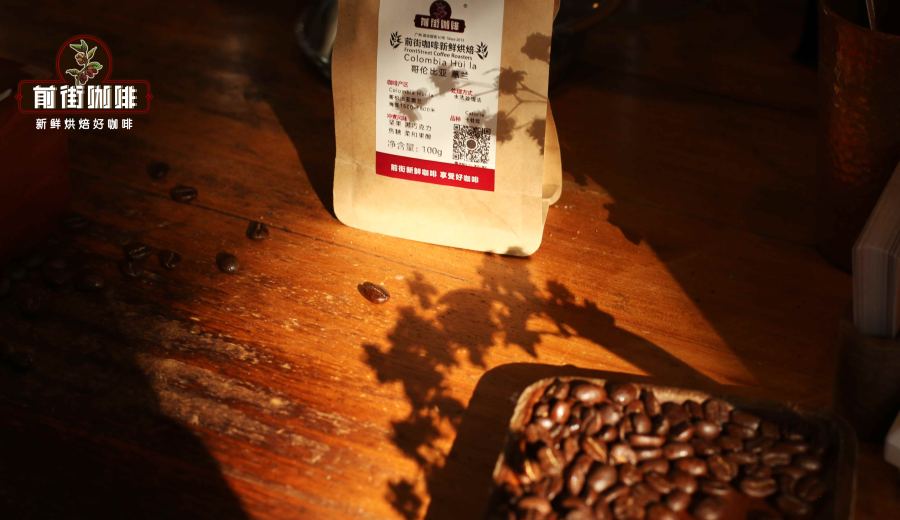
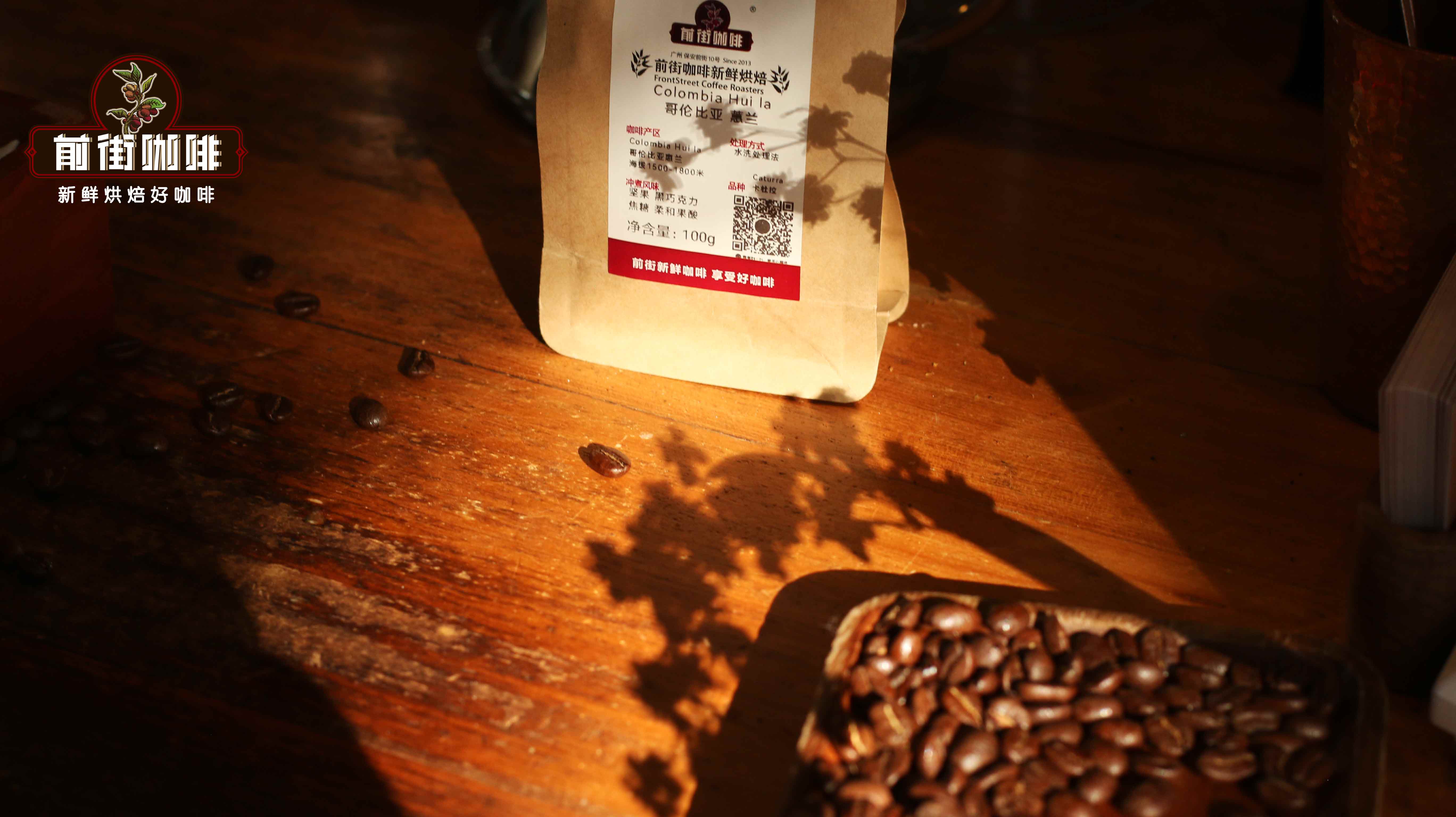
Introduction:Huila is one of Colombia's most iconic specialty coffee regions, renowned for its balanced and full-bodied flavor profile. This article delves into the nutty and cocoa-forward characteristics of Huila coffee, analyzes the traits of Caturra — the main cultivar grown in the area — and explores how altitude influences flavor expression. It also provides professional roasted pour over brewing recommendations, including grind size, water temperature, coffee-to-water ratio, and brew time, offering practical insights for both beginners and advanced enthusiasts.
The Huila region of Colombia has long been considered one of the country’s benchmark specialty coffee zones, with its beans celebrated on the international stage for their high balance and rich complexity. These coffees often exhibit pronounced notes of nuts and cocoa, along with a smooth mouthfeel and a long, lingering aftertaste, making them a classic favorite among many coffee lovers.
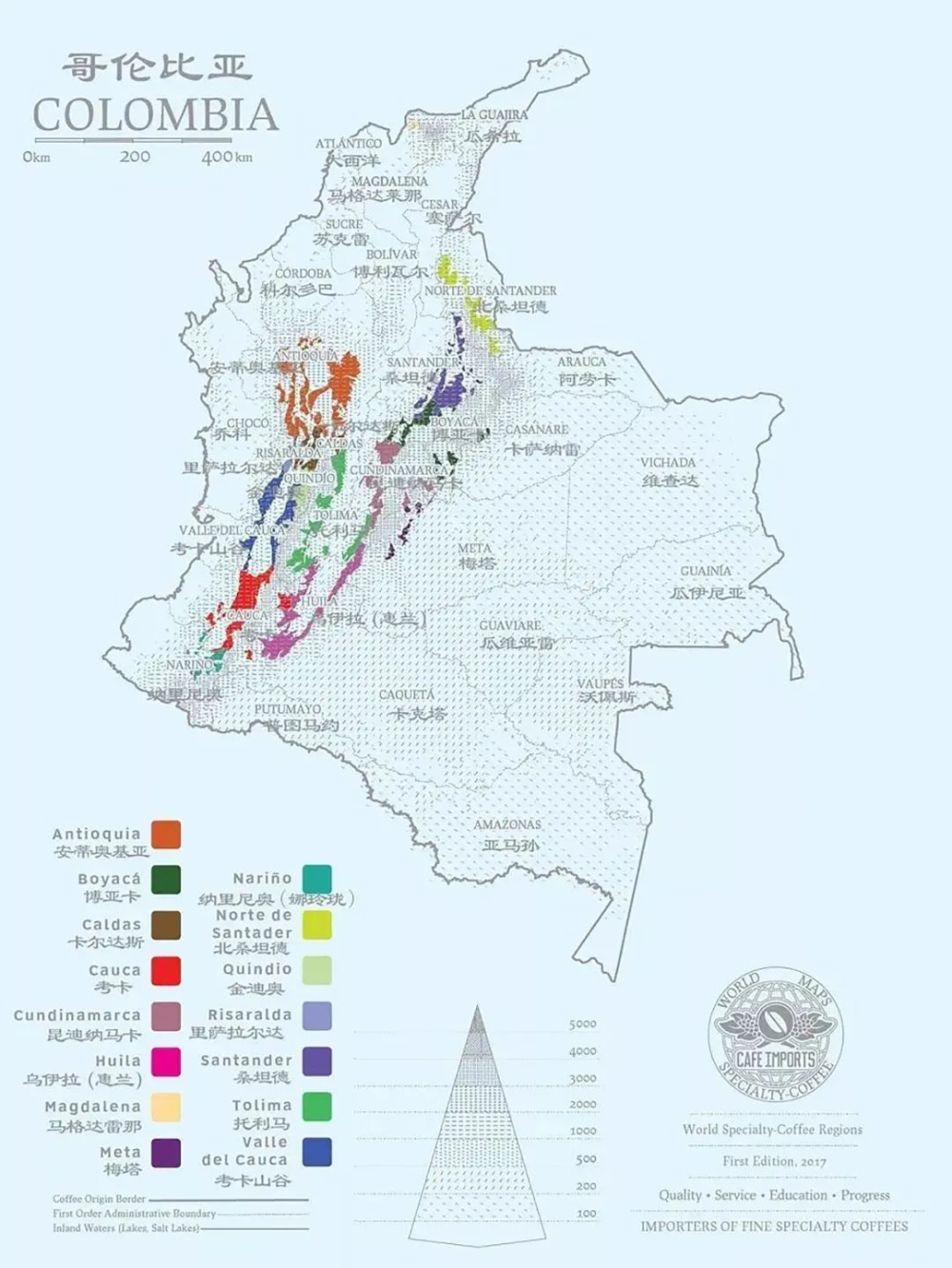
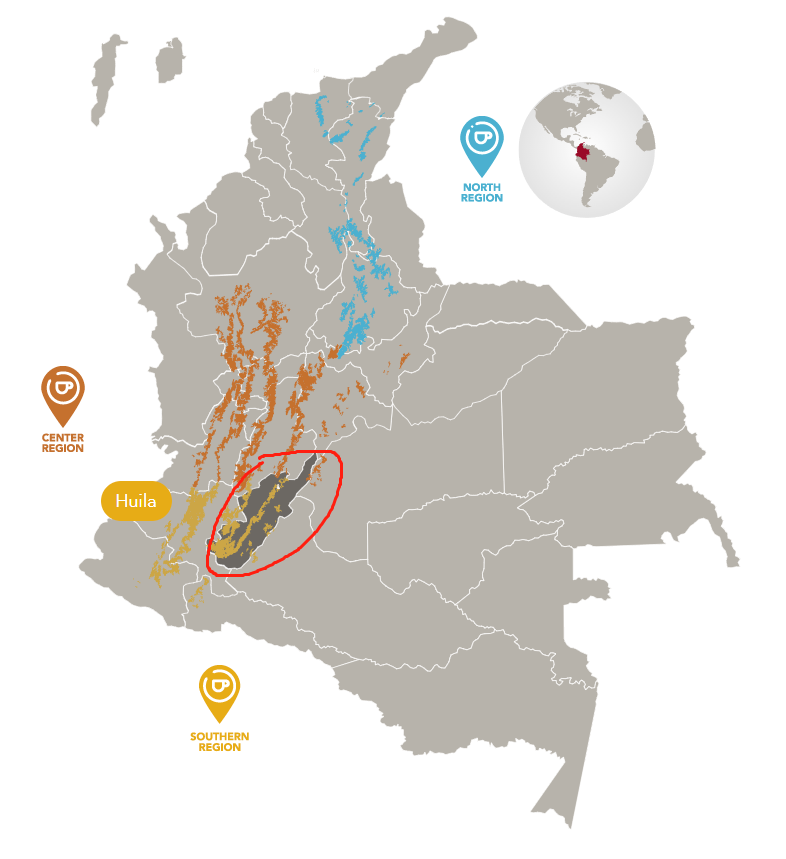
Located in southern Colombia, the Department of Huila boasts fertile volcanic soils, ideal altitudes, and diverse microclimates — conditions that together create the unique personality of its coffee. Most beans produced here earn the high-altitude classification from Colombia’s National Federation of Coffee Growers and are hailed as the country’s “national treasure”-level specialty coffees.
In terms of variety, Caturra is the most commonly cultivated cultivar in the Huila region. It is a natural mutation of the Bourbon variety, first discovered in Brazil in 1937. Compared to traditional Bourbon, Caturra not only offers slightly higher yields and greater resistance to disease but also features a shorter tree stature, which makes harvesting and management easier. Moreover, Caturra adapts well to different environments and doesn’t rely entirely on shade trees, growing successfully even under higher sunlight exposure, hence it is sometimes categorized as so-called “sun-grown coffee.”
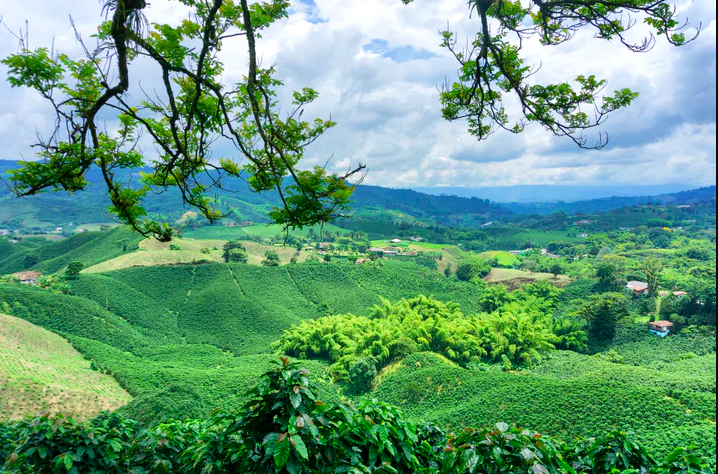
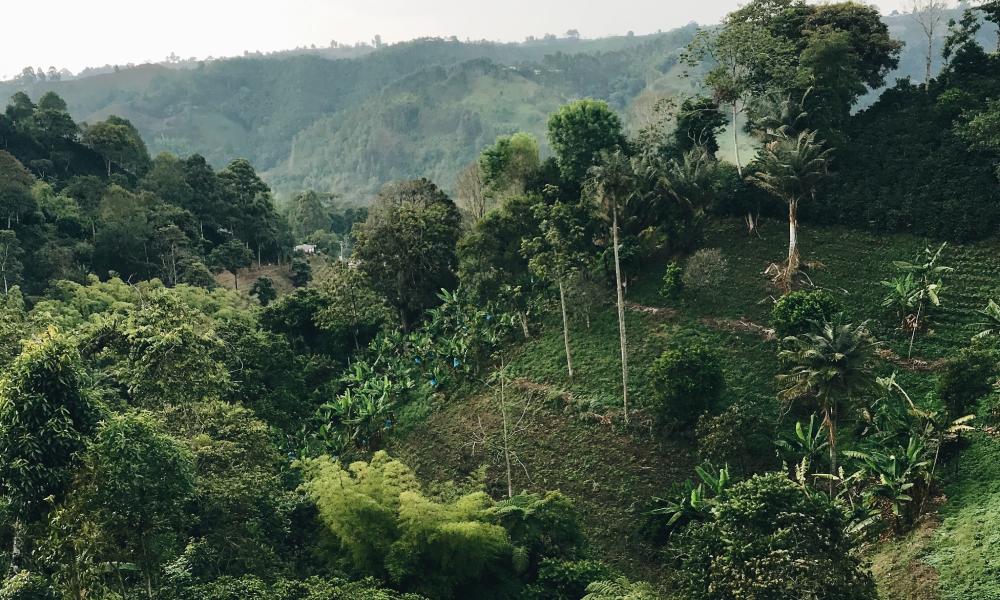
While Caturra can thrive across a fairly wide altitude range — roughly between 700 and 1,700 meters — experience shows that as planting altitude increases, so does flavor complexity and acidity brightness, though this may come with a slight decrease in yield per unit area. Most coffee farms in the Huila region are situated at higher elevations, which is one of the reasons why the coffee from this area stands out in terms of flavor.
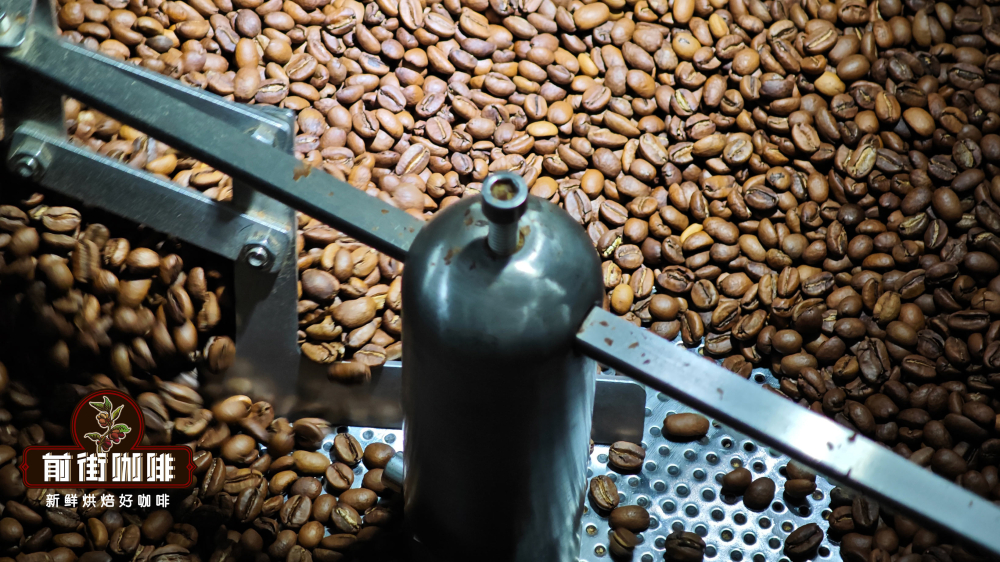
In terms of post-roast performance, Huila coffees processed by professional roasters often exhibit medium-dark to medium roast profiles. Specifically, Agtron bean color values are around 65.2, while Agtron pulp values are about 64.5, with an extremely small difference between the two — a Roast Delta of just 0.7. This indicates a uniform and stable roast that helps highlight the delicate aromas of nuts and cocoa while retaining an appropriate level of sweetness and body.
For coffee enthusiasts who prefer pour over brewing, Huila coffee’s stable profile and layered flavors make it an excellent choice for practice and enjoyment. It is recommended to use a medium-fine grind (similar to fine sugar or slightly finer), with water temperature controlled between 90°C and 93°C, a coffee-to-water ratio set at 1:15 to 1:16, and a brew time of approximately 2 minutes and 30 seconds to 3 minutes. This parameter combination helps fully bring out the mellow richness of nuts and the subtle bitterness of cocoa, while showcasing the coffee’s inherent sweetness and smooth mouthfeel.
In actual practice, you can employ a pulse pouring method — for example, starting with a small amount of hot water for the bloom (around 30 seconds), then gradually adding the total brew water while maintaining a steady flow rate and even bed expansion. This approach effectively prevents over-extraction or under-extraction. For beginners, adjusting grind size or water temperature and observing the impact on flavor profiles can also help refine personal brewing preferences.
The above content is compiled by CoffeeHunters, a coffee news website.


