








Introduction:Want to easily brew a refreshing and smooth cold brew coffee at home? This article delves into the extraction principles and key parameters of cold brew, provides practical coffee-to-water ratio recommendations, and explains step by step—using 30 grams of coffee beans as an example—the grind size, ice-to-water ratio, steeping time, and filtration methods. It also answers how long cold brew can be stored after filtration, and recommends several bean varieties suitable for low-temperature extraction, helping you master the secret to balanced flavor.
As autumn arrives, although the afternoon heat lingers, pour over coffee can often leave your throat dry and uncomfortable. During this time, a cool and silky cold brew coffee becomes the perfect choice for a midday pick-me-up for many. So, how can you brew a cold brew with balanced flavor and a clean, refreshing taste? This article will start with the principles of low-temperature extraction, guide you through its unique flavor profile, and provide detailed brewing parameters and storage tips.
Cold brew coffee is made by steeping coffee grounds in cold or room-temperature water for an extended period. Compared to high-temperature extraction, lower temperatures effectively suppress bitterness and the over-release of impurities, allowing acidity and sweetness to fully express themselves. The resulting coffee is usually aromatic, full-bodied, and smooth on the palate.
< >
Regarding the coffee-to-water ratio, it is generally recommended to use1:13a ratio of 1:13, which means 1 gram of coffee grounds to 13 milliliters of water. This ratio produces a coffee liquid with moderate concentration that can be consumed directly without additional dilution, making it suitable for those who prefer a pure flavor. If you want to use cold brew as a base to create specialty drinks—such as adding milk, soda water, or flavored syrup—it’s recommended to increase the coffee-to-water ratio to1:10around 1:8 to 1:10, to achieve a stronger coffee foundation.
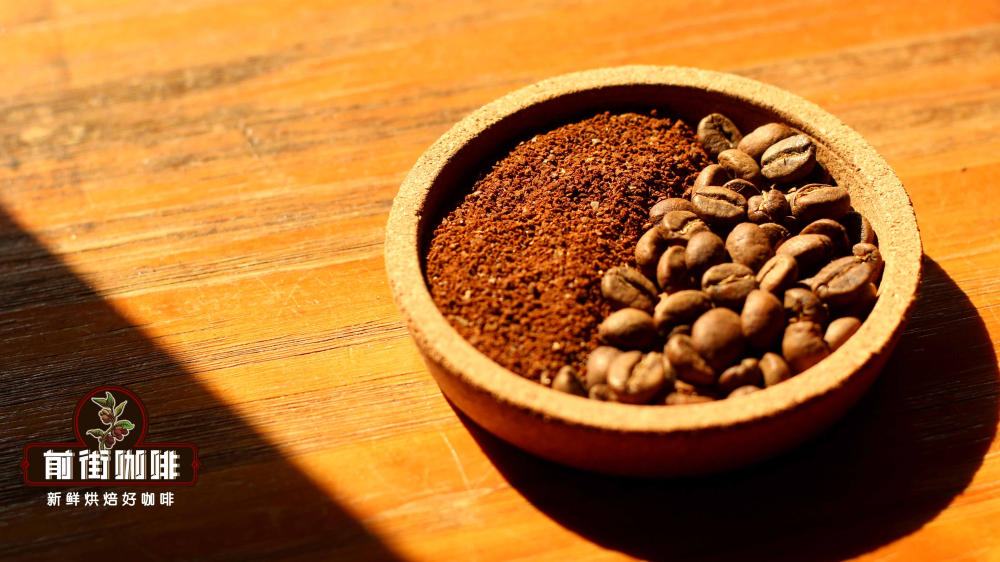
Next, let’s use 30 grams of coffee beans as an example to explain the brewing process in detail. First, it is recommended to grind the coffee beans to a medium-fine level, approximately 80% to 85% of the grounds passing through a standard 0.85 mm sieve. It’s important to note that while low temperatures help reduce the release of bitter substances, grinding too finely can still cause acidic and sweet compounds to dissolve too quickly, along with excessive extraction of body-enhancing compounds, which may affect the overall clarity of the flavor, or even bring out woody or off-notes.
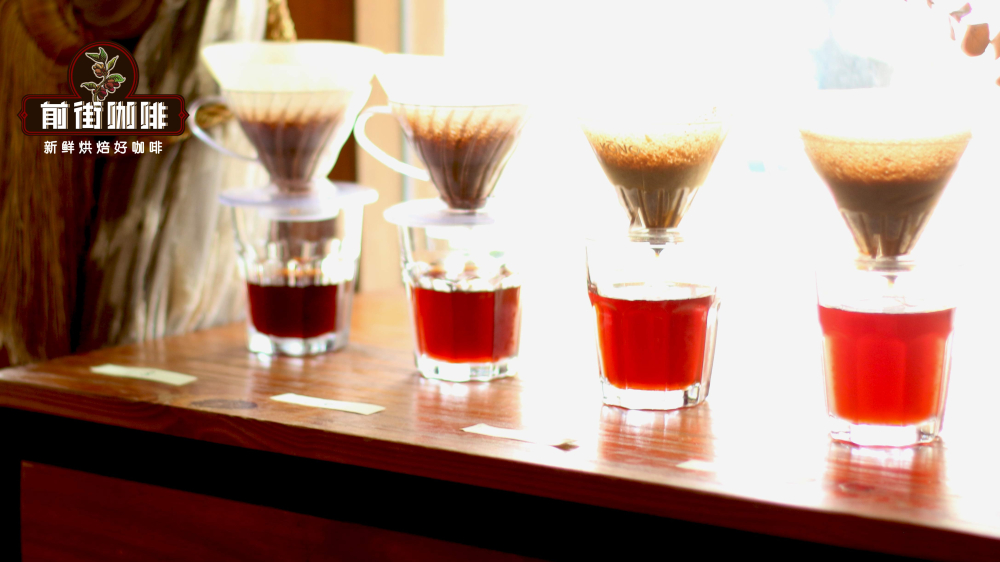
Place the ground coffee into a clean, oil-free, airtight container, then add 150 grams of ice and 240 milliliters of purified water. Gently shake to evenly mix the coffee grounds and ice water, then refrigerate for 12 to 24 hours. This steeping time can be adjusted slightly based on personal taste preferences. Generally speaking, the longer the steeping time, the more intense the flavor—but it also increases the risk of over-fermentation.
< >
After steeping, use filter paper or a fine mesh filter to completely remove the coffee grounds, and your cold brew is ready to enjoy. So, how long can cold brew be kept after filtration? It is recommended to consume it within2 to 3 days after filtration, during which the flavor remains freshest and most balanced. If stored properly, it should not be kept for more than7 daysat most, as continued fermentation may produce unpleasant odors and negatively impact the overall drinking experience.
As for bean selection, because low-temperature extraction doesn’t easily draw out deep, heavy body compounds,medium or medium-light roastswith prominent floral-fruity or sweet-tart profiles are more suitable. Medium-dark roasted beans often turn out thin and lack the desired body and complexity in cold brew.
For example, an Ethiopian naturally processed Red Cherry coffee bean, with its intense juiciness and black-tea-like notes, performs excellently in cold brew. Meanwhile, Panama’s Flower Dance Geisha blend offers bright citrus acidity, white floral aromas, and subtle green tea notes—ideal for drinkers who prefer a clean and refreshing taste.< >
Additionally, the Mozart bean from Costa Rica’s Musician Series is also commonly used for cold brew. It features distinct raisin notes and a clear fermentation character, with a solid and full-bodied mouthfeel—offering another unique flavor direction. If you prefer beans with strong fruitiness, you might also consider options with noticeable berry, strawberry, or cherry tomato characteristics, all of which can add more layered flavors to your cold brew.
In summary, the charm of cold brew coffee lies in its accessible brewing method and versatile flavor potential. By mastering the coffee-to-water ratio, grind size, and steeping time—and pairing them with the right coffee beans—you too can easily brew a clean, full-bodied, and uniquely flavored cold brew coffee at home.
< >
The above content is compiled by CoffeeHunters, a coffee news website.


