







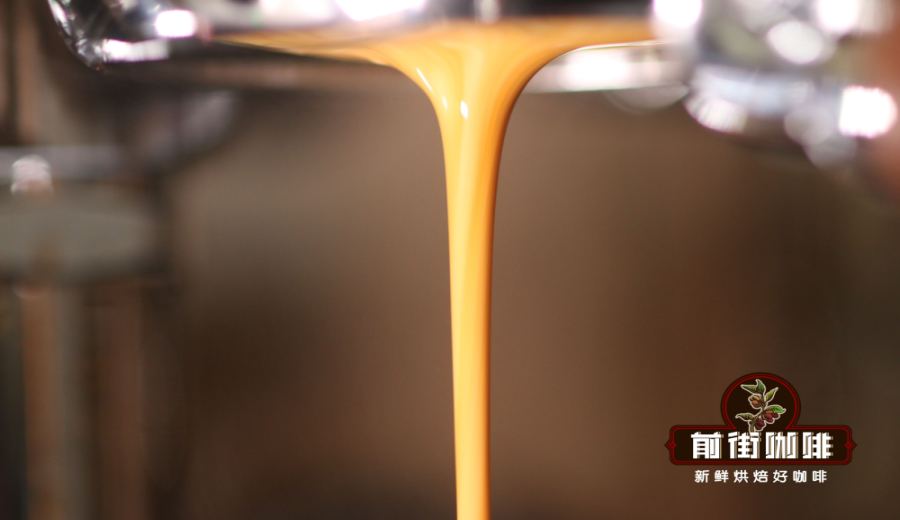
Introduction:Have you ever been asked “SOE or blend?” when ordering at a coffee shop and felt unsure what to choose? SOE stands for Single Origin Espresso, which has gained increasing popularity in the specialty coffee scene in recent years. This article delves into the fundamental differences between SOE and traditional blends — from flavor characteristics, pricing, stability, to roasting and brewing essentials — helping you understand what true SOE is all about. We’ll also explore whether single-origin beans are suitable for espresso, how to choose the right beans, and guide you from selection to brewing with greater clarity.
Walk into a coffee shop, look at the menu full of options, and many customers often find themselves asked: “Do you want SOE or a blend?” If you’re momentarily unsure how to respond, don’t worry — this is actually something many coffee newcomers experience. SOE, short for Single Origin Espresso, refers to espresso made using beans from a single origin. Compared to the more common multi-origin blends, SOE emphasizes the unique terroir of its origin. But does that mean it’s necessarily better tasting or more worthy of choosing? We’ll unpack the mystery from multiple angles.
The concept of SOE isn’t actually anything new. As early as the 2007 World Barista Championship (WBC), champion James Hoffmann won the competition with an SOE espresso, marking the first time SOE shined brightly on the professional stage. Since then, more and more baristas and consumers have started to pay attention to the potential of single-origin beans in espresso applications. However, the SOE craze has only gained momentum domestically in recent years, largely due to the growing popularity of specialty coffee culture, which leads consumers to seek more distinctive and recognizable flavor profiles.
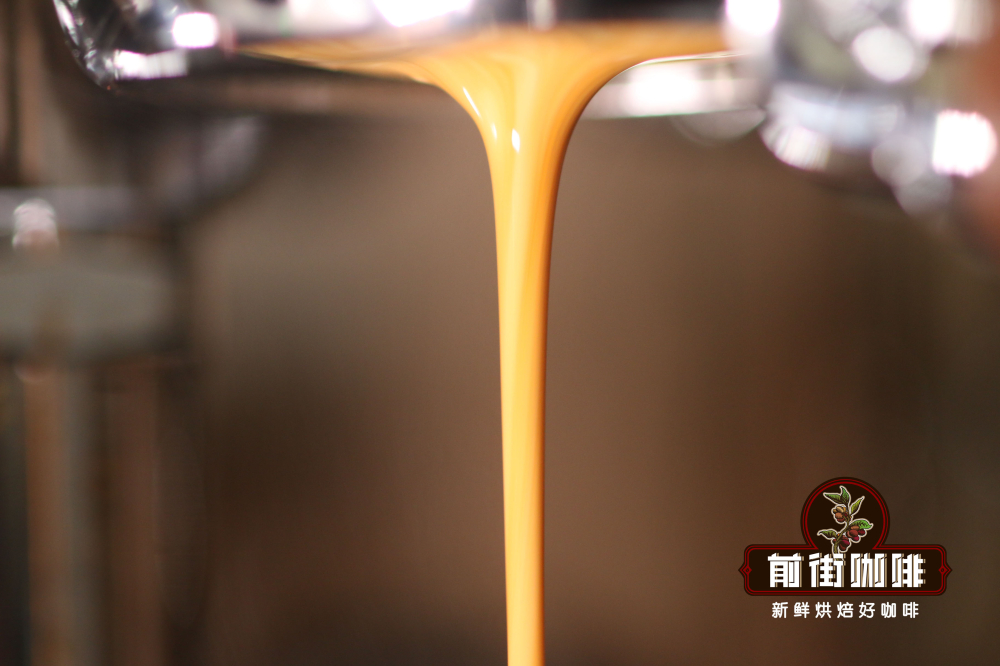
So, what exactly is the difference between SOE and traditional blended espresso? In the past, blends were primarily used to ensure stable extraction results. Blends usually combine beans from different origins or processing methods, with ratios adjusted to balance acidity, sweetness, and body. This approach helps maintain flavor consistency even as seasons change or new crops come in, and also offers advantages in cost control. That’s why, for a long time, blends have been the go-to choice for most coffee shops when making espresso.
However, with advances in global coffee cultivation and processing techniques, single-origin beans today have seen significant improvements in quality, consistency, and flavor expression. Coupled with the growing consumer demand for “flavor individuality,” more and more shops are beginning to offer SOE espressos made from single-origin beans, giving customers the chance to experience clearer, more regionally distinct coffee flavors. But it’s worth noting,not every single-origin bean is suitable for making SOE— especially under the high-pressure and high-temperature conditions of espresso extraction, where flavor characteristics can easily be amplified or distorted.
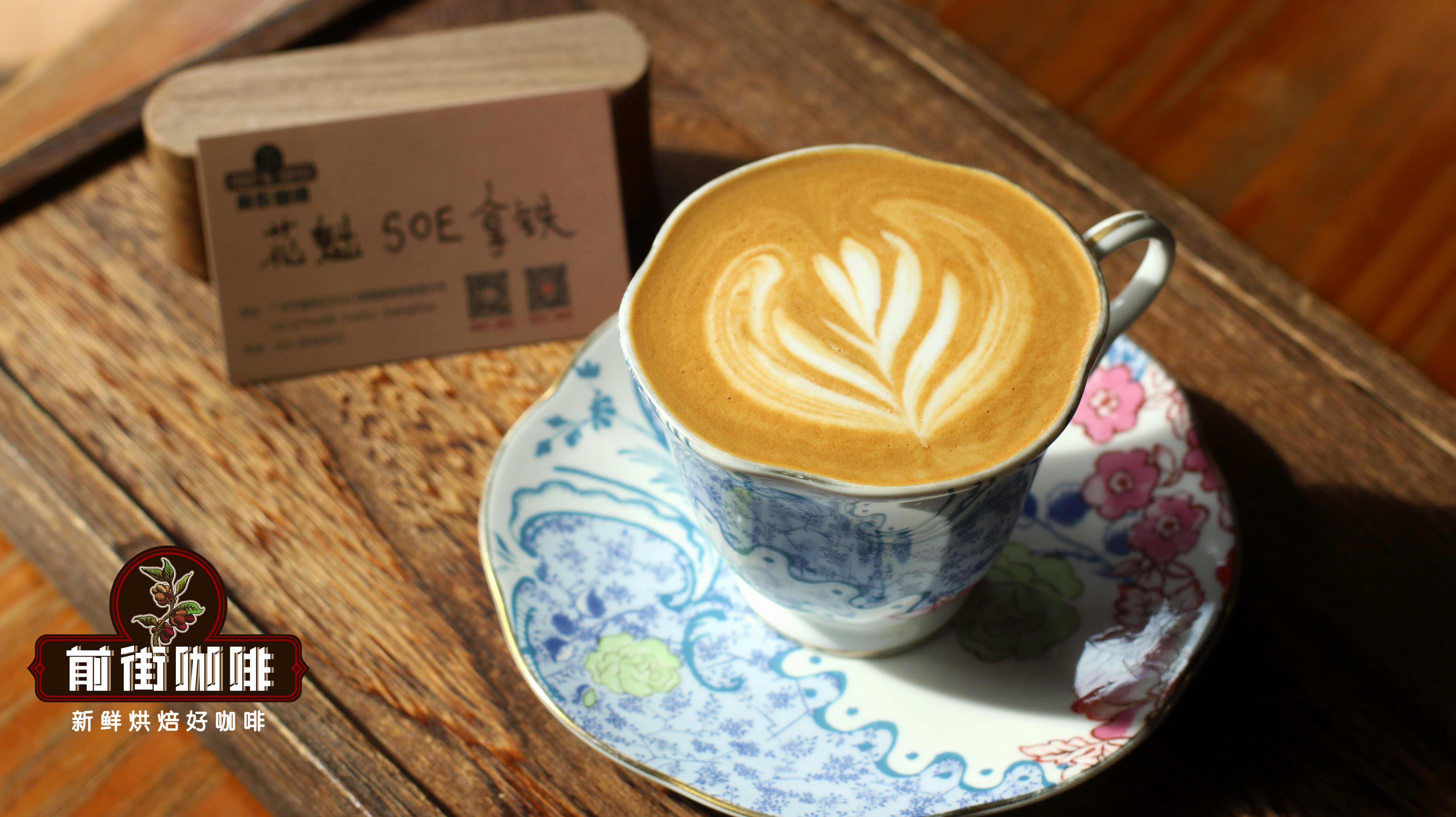
For example, some light-roasted single-origin beans may showcase charming floral notes, citrusy acidity, and berry sweetness when brewed using pour over methods. But if those same beans are used directly under espresso extraction conditions — with high pressure and fine grind — they may turn out overly sour, astringent, or unbalanced in flavor. Therefore, if you’re keen to try making SOE, it’s recommended to start withmedium or medium-dark roastedsingle-origin beans. These not only preserve sufficient flavor layers but also deliver a more balanced espresso experience through greater body and reduced acidity.
Let’s talk pricing. Generally speaking, because SOE uses beans from just one origin, it lacks the flexibility of blends to adjust costs across multiple bean sources, so raw material costs may be higher. Additionally, the requirements for roast profiles and extraction parameters are more precise, which can increase the risk of failure and the time needed for adjustments during production. All these factors are reflected in the final price, meaning that SOE espressos or drinks based on them usually have a slightly higher price tag than typical blended espressos. But for consumers who value flavor complexity and origin characteristics, this “flavor investment” is often well worth it.
If you’re a coffee enthusiast curious about which single-origin beans are suitable for experimenting with SOE, here are three bean varieties — tested and fine-tuned in practice — that are relatively easy to work with and offer outstanding flavor performance:
First up is the “Ethiopia Yirgacheffe Red Cherry Natural,” a lightly roasted single-origin bean. The resulting espresso has a delicate, pale yellow crema, with bright berry sweetness and a soft caramel finish. It’s ideal for those who enjoy a refreshing, sweet-and-acidic profile. Just be mindful that this bean requires careful control of grind size and water temperature during high-pressure extraction, or there’s a risk of over-extraction.
The second recommendation is the “Costa Rica Mozart,” a medium-roasted bean. Its espresso produces a fine and even crema, with complex aromas of raisins and fermented fruits, blending sweet and sour notes in distinct layers. It pairs wonderfully with milk in a latte, yielding a smooth yet dynamic mouthfeel.

Lastly, there’s the “Brazil Huanghou Estate,” a medium-dark roasted bean. The espresso yields a golden, velvety crema, featuring flavors of roasted nuts and cocoa, along with a silky, creamy texture. It’s considered by many baristas to be a stable base for crafting SOE lattes.
In summary, SOE coffee represents a new trend in espresso that emphasizes flavor characteristics originating from a single region. Whether you’re aiming to explore the diversity of coffee or seeking your own preferred flavor profile, understanding the difference between SOE and blends, and mastering the essentials of roasting and brewing, will give you more confidence in choosing and enjoying coffee. Remember, great SOE comes not just from the beans themselves, but from the rigorous attention to the entire process.
The above content is compiled by CoffeeHunters, a coffee news website.


