







Introduction:Americano coffee is widely loved for its low calories and lack of additives, but its strong, bitter taste often deters beginners. This article starts with the origins of the Americano, explores its evolution from espresso with added water, delves into professional extraction parameters and key points for making it with a moka pot at home, and recommends four blends of espresso beans suitable for brewing Americano to help you find the balance that best suits your taste.
With no milk or sugar and low in calories, Americano coffee has become the go-to choice for many young people to stay alert amidst their busy lives. However, its intense bitterness can be off-putting for first-timers. How can you adjust it to make the drink smoother? Is adding sugar or milk appropriate? This article will take you through the full charm and brewing techniques of Americano coffee, from its historical background and extraction principles to home brewing practices.
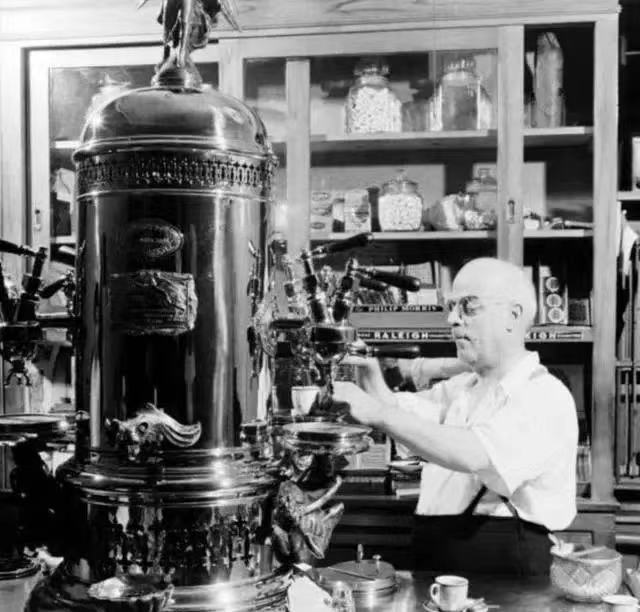
Many people mistakenly believe that Americano coffee originated in the United States, but it actually first appeared in Italy. In 1884, Italy invented the first coffee machine that used steam pressure to extract coffee, producing the first batches of espresso. This type of coffee, extracted quickly with very finely ground beans and high-pressure hot water, boasts a strong and robust flavor, but its intensity is not for everyone. During World War II, American soldiers in Italy found this highly concentrated coffee too stimulating, so they spontaneously diluted it with water, creating the prototype of the Americano we know today.
Originally, Italians did not approve of this way of drinking and even jokingly called it “Americano,” meaning “the Americans’ coffee.” But over time, this preparation method gained popularity, especially among Americans, because it retained the original aroma of coffee while allowing individuals to adjust strength to their liking. It is also simple to make and affordable, becoming a classic staple in coffee shops. Whether for a date, business meeting, or casual get-together, ordering an Americano is always a safe choice.
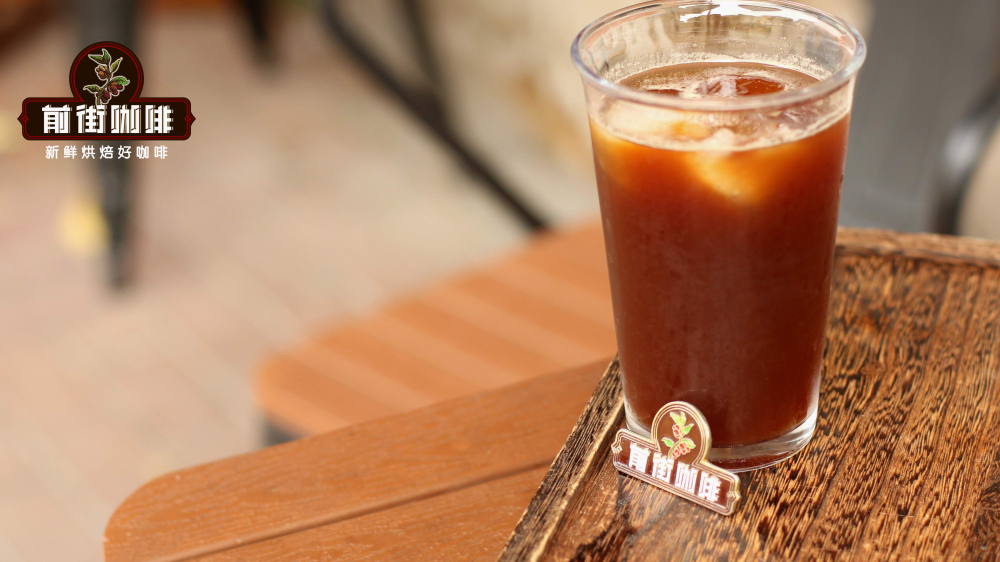
A standard Americano consists of one shot of espresso mixed with a certain proportion of hot water. Taking the common practice in professional shops as an example, dark-roasted espresso blends are typically used, with20 grams of extremely finely ground coffee beans, extracted under9 bar pressure to produce 40 grams of espresso liquid, with the extraction time controlled at25 to 30 seconds, then mixed with hot water at a1:5 ratio of espresso to water. This ratio maintains a certain level of flavor intensity without being overly harsh.
It’s important to note that the performance of each coffee machine and grinder, as well as the roast level and freshness of the beans, can all affect the final extraction. The above parameters are for beginners’ reference only, and actual brewing should be adjusted flexibly based on the flavor outcome. If the coffee tastes too strong, you can increase the water ratio appropriately; if it’s too weak, reduce the water amount or check the grind size and extraction time.
If you don’t have a professional coffee machine but still want to make Americano at home, a moka pot is a good alternative. When using a moka pot, rememberthe water level in the lower chamber must not exceed the safety valve, usea slightly finer grindfor the coffee, but not so fine that it can pass through the holes in the filter basket. Do not tamp the coffee too hard when filling; just distribute it evenly in the basket. Once you see coffee start to drip from the upper chamber, immediately turn off the heat and quickly move the moka pot to a damp towel to cool down to avoid over-extraction.
The extracted espresso can then be poured intoabout 180 milliliters of warm waterthat you’ve prepared in advance, stirred well, and you’ll have a basic Americano. If the taste is too bitter, you can add sugar or a small amount of milk to your preference to adjust it to your ideal flavor.
As for coffee bean selection, it’s recommended to use blends specifically designed for espresso. These beans are usually a mix from different regions, offering stable flavor and good cost-performance, and can fully showcase the layers and body needed for Americano. Here are four recommended blends suitable for making Americano:
The first blend usesEthiopian natural red cherry (30%) and Honduran sherry cask (70%), featuring rich wine notes, sweet-tart berries, and roasted nut tones, suitable for home or small coffee shop use; the second combinesColombian washed (30%) and Brazilian semi-washed (70%), delivering mild nuts, dark chocolate, and caramel flavors, suitable for all types of coffee shops; the third is a commercial-grade blend containing10% Robusta, 30% Colombian, and 60% Brazilian, with balanced flavor, suitable for shops with high takeout or delivery demands; the last is a mix ofYunnan washed small beans (30%) and Brazilian semi-washed (70%), noted for its soft fruit acidity and caramel aroma, ideal for those seeking a smoother taste.
In summary, the charm of Americano coffee lies in its simplicity without lacking depth. By understanding its history, mastering the correct extraction and blending techniques, and choosing the right beans, even beginners to black coffee can gradually find their perfect cup of Americano.
The above content is compiled by CoffeeHunters, a coffee news website.


