








Introduction:Drip bags combine convenience with the flavor of freshly ground coffee, yet many people still have questions about whether they can be reused, how to choose one that suits their preferred flavor profile, and the correct drip method. This article delves into the origins of drip bags, explains why multiple brews are not recommended, and provides a comprehensive guide from selection to brewing — including how to identify roast dates, flavor preference suggestions, and precise brewing parameters — to help you consistently extract a rich, satisfying cup of black coffee from a single drip bag.
As specialty coffee becomes increasingly popular, drip bags have won the hearts of many busy professionals and coffee newcomers thanks to their portability and ability to preserve the flavor of freshly ground coffee. However, many users often wonder: Can I use a single drip bag more than once? How do I choose one that matches my desired acidity, sweetness, and body? This article will start with the origin of drip bags, gradually break down why a second brew is generally not advised, then go in-depth on how to select a drip bag that suits your taste, and finally provide a complete standard drip brewing procedure so you can easily brew a satisfying cup of black coffee.
Drip bags were first developed by Japan’s UCC Ueshima Coffee, with the design concept of simplifying the pour over process, allowing coffee enthusiasts to quickly enjoy a cup of coffee at home or in the office that is close in quality to pour over. This “hanging filter bag” eliminates the need for complicated equipment while preserving the freshness of the coffee grounds. With just hot water poured through, you can enjoy a coffee experience with clear and distinct flavors, making it widely used around the world.
But one of the most frequently asked questions about drip bags is: “Can I brew it a second time?” The answer is usually: not recommended. Although it may seem like there’s still plenty of coffee left in the grounds, in reality, only about 3% of the flavor compounds in coffee are easily soluble in water, and most of these are already released during the first brew. If you pour water again, not only will the taste be weak, but prolonged steeping can also lead to over-extraction, releasing excessive caffeine and bitter compounds, which dull the original flavor layers and may even result in noticeable bitterness. Even if the package is within its best-before date, re-brewing often only dilutes the original flavors, defeating the purpose of drinking drip coffee.
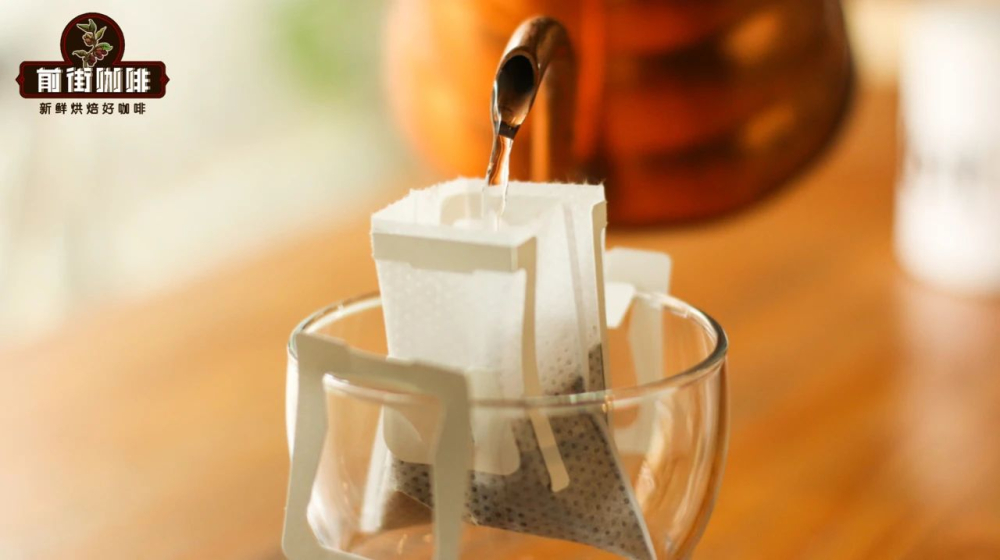
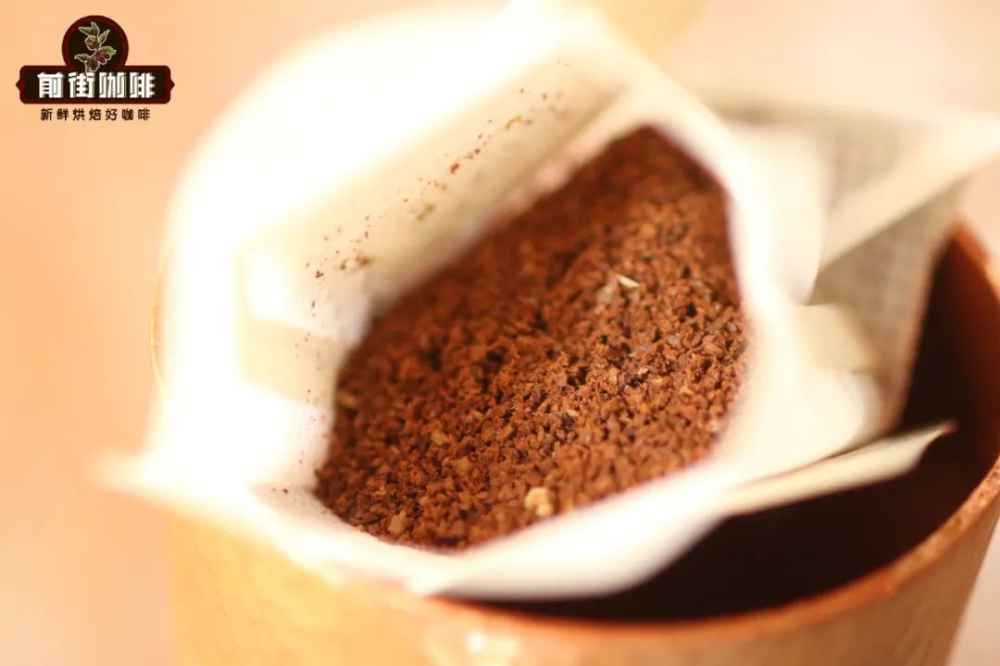
Some consumers also compare drip bags with instant coffee, thinking that since both involve “brewing,” they must be similar. But in fact, instant coffee is a reconstituted product made by evaporating the water from extracted coffee liquid, containing almost none of the delicate flavors of real coffee grounds. Drip bags, on the other hand, use freshly roasted and ground coffee, filtered through a bag with hot water — it is black coffee in the truest sense, with completely different taste and aroma profiles. That’s also why you shouldn’t pour the coffee grounds out of the drip bag to brew directly; doing so not only results in a rough texture but may also leave you with a mouthful of fine coffee particles, negatively affecting the overall experience.
So, how do you choose a drip bag worth brewing? First, when purchasing, always check the “roast date” on the packaging — this is more important than the expiration date. Generally, coffee reaches its optimal flavor window about 1–2 weeks after roasting, with peak flavor often occurring between 1–4 weeks, depending on roast level. If the package only shows an expiration date without a roast date, it’s hard to judge freshness, so it’s better to choose products with full and transparent information.
Next, pay attention to the packaging design. Some brands add a degassing valve to help consumers smell the aroma, but in reality, this design can accelerate aroma loss and may actually shorten the coffee’s flavor window. In addition, buying large discounted packs may seem cost-effective, but if you can’t finish them quickly, you’re likely to end up with coffee that’s past its prime. Therefore, it’s recommended to purchase an amount that matches your consumption rate, ensuring each pack can be enjoyed at its flavor peak.
When it comes to flavor selection, drip bags — mostly made from single-origin beans — can clearly reflect the characteristics of their origin. For example,Brazilian Mandhelingoften features notes of nuts, chocolate, and creamy richness;Yirgacheffeis known for its bright acidity with lemon and citrus tones, along with delicate floral notes; whileIndonesian Mandhelingtypically showcases low acidity, a full body, and earthy, herbal aromas. These differences mainly stem from the soil, climate, and processing methods of the growing regions — such as natural, washed, or honey processing — all of which significantly influence the final flavor profile.
When selecting, you can refer to the flavor descriptions on the package, such as “floral,” “honey,” “berry,” or “caramel.” These terms can help you quickly determine whether a particular drip bag aligns with your taste preferences. If you prefer bright and lively acidity, you might want to try drip bags made from Yirgacheffe or Kenyan beans; if you favor a more mellow and rich taste, Brazilian or Sumatran Mandheling would be a better choice.
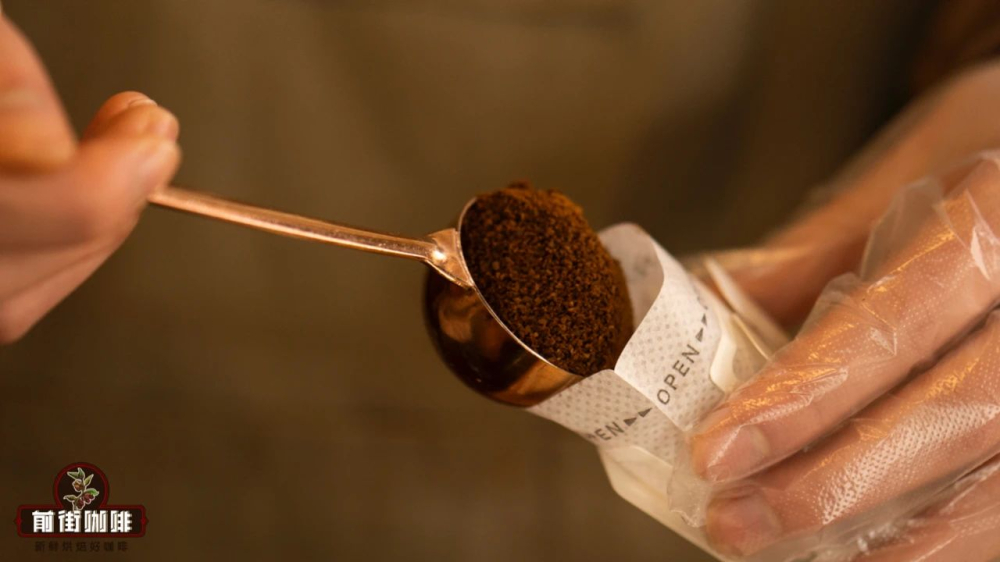
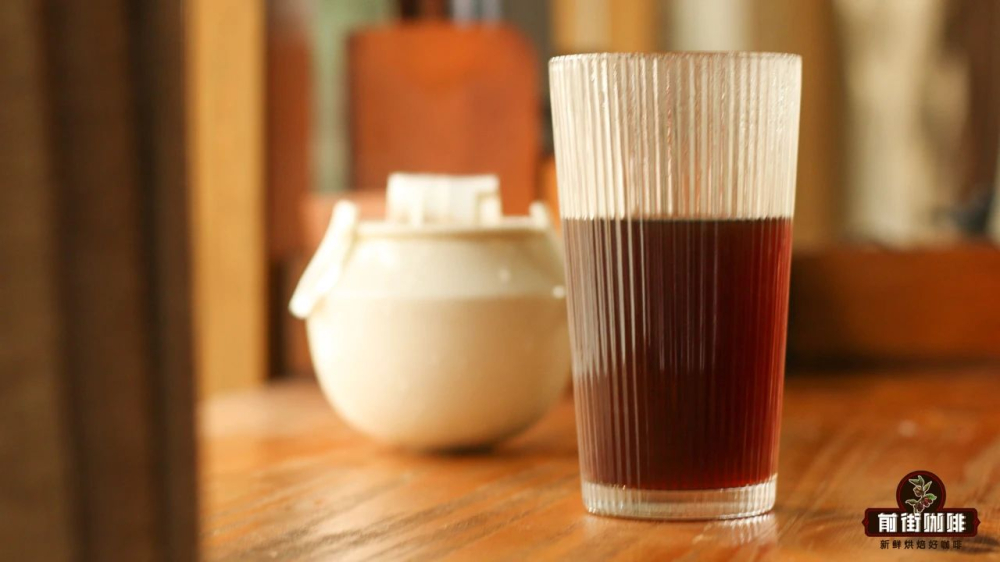
Finally, the brewing method also greatly impacts the final flavor. It is recommended to use a medium-fine grind for drip bags (similar in feel to granulated sugar), and adjust the water temperature based on roast level:Light roastis best brewed at 90–92°C to bring out bright acidity and fruity-floral notes;Medium-dark roastshould be brewed around 88°C to avoid over-extraction and bitter, burnt flavors. Preheat your cup before brewing to help maintain coffee temperature and flavor. Then pre-wet the filter paper and gently bloom the coffee for 20 seconds to allow the grounds to fully absorb water and expand. After that, pour in water in multiple steps, keeping the total volume between 150–180cc, with a steady and fine stream to ensure even extraction.
The above content is compiled by CoffeeHunters, a coffee news website.


