







Introduction:Sun-dried Sidamo Hua Kui coffee is widely praised for its rich floral and fruity aroma along with its honey-like sweetness. This G1-grade coffee bean from Ethiopia’s Guji Hambella region is not only a champion of the TOH (Taste of Harvest) competition but also represents the pinnacle of high-quality natural processing. This article delves into the growing region, naming origin, variety characteristics, processing methods, and offers practical pour-over brewing tips and flavor descriptions to help you fully understand this popular specialty bean from origin to cup.
Ethiopian coffee has long been known for its unique floral notes and bright acidity, offering a refreshing flavor reminiscent of fruity tea. Among these, sun-dried Sidamo Hua Kui coffee takes this characteristic to the extreme—not only is it rich in fruitiness, but it also delivers a strong honey-like sweetness, making you feel as though you're in a tropical orchard. This article will guide you through a comprehensive analysis of this beloved G1-grade sun-dried coffee, from its region and processing method to brewing recommendations.
When it comes to specialty coffee from Ethiopia, most people think of the washed process flavors of Yirgacheffe or the diverse processing styles of Sidamo. The Sidamo region is known for excelling in sun-dried processing, and Hua Kui is one of the most representative natural-processed coffees from this area. It boasts distinct rose and peach aromas, with a mellow black tea-like finish, making it a classic favorite among many coffee enthusiasts.
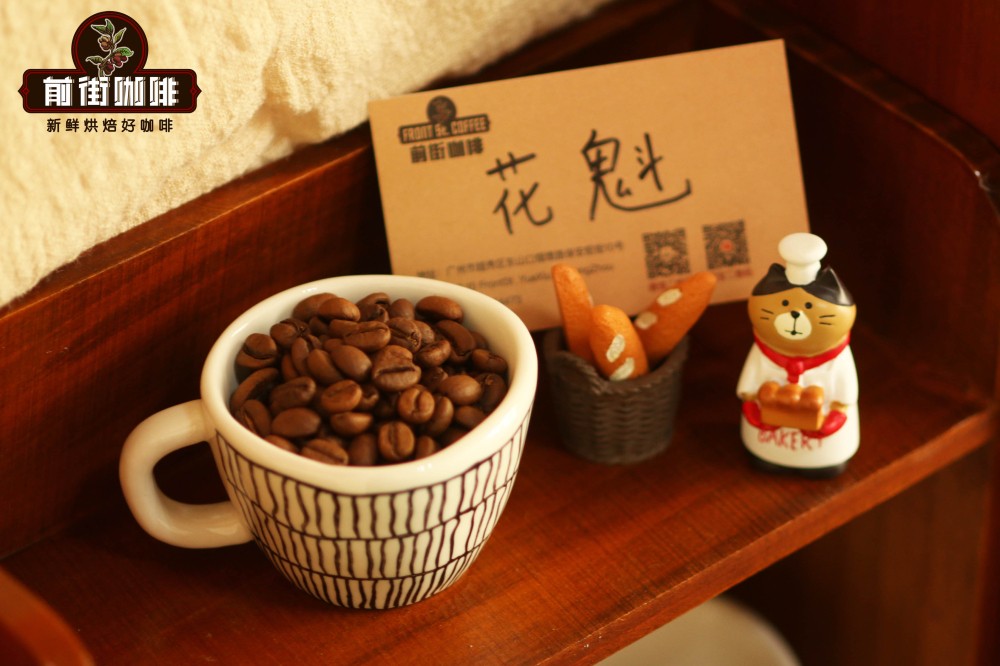
The name “Hua Kui” originates from the 2017 TOH (the Taste Of Harvest) competition, where a sun-dried lot submitted by Ethiopia’s DW coffee bean company won the championship. This particular batch of beans was thus named “Hua Kui.” It was later introduced to the market by Chinese importers, who retained this name with its distinctly oriental charm. However, in the international market, this coffee is more commonly referred to by its producing region—“Hambella”—especially the sun-dried beans from the Buku Abel processing station, which are considered the authentic and orthodox “Hua Kui.”
Since the first-generation Hua Kui won the championship in 2017, DW company significantly expanded its production scale. Within Dimtu town in the core Hambella Wamena Wereda region, they established five additional processing stations: Buku Abel, Buku Saysay, Haro Soresa, Tirtiro Goye, and Seke Bokosa. All of these stations specialize in sun-dried processing, with annual output once reaching up to thousands of tons. However, starting in 2018, although the processing stations and origin remained unchanged, the flavor profile of Hua Kui gradually began to show differences—the body and aftertaste were slightly less impressive than the original. As a result, the market began distinguishing different yearly batches with “Hua Kui X.0,” such as “Hua Kui 2.0” in 2018, “Hua Kui 3.0” and “Hua Kui 3.1” in 2019, and so on, to help consumers identify them.
The Sidamo region, adjacent to Yirgacheffe, is one of Ethiopia’s renowned specialty coffee-producing areas. In 2006, Starbucks attempted to register “Sidamo” as a trademark, which triggered strong opposition from local industry stakeholders. Eventually, Starbucks withdrew the application and switched to a cooperative purchasing model. Sidamo's elevation ranges between 1,400 and 2,000 meters, and due to varying microclimates and soil conditions, the coffee flavors across regions are diverse and distinctive. Administratively, the region can be subdivided into four levels: Region, Zone, Woreda, and Kebele, helping to accurately pinpoint the origin of production.
The variety used in Hua Kui is Heirloom, commonly translated in Chinese as “原生种” (native/heritage variety). This refers to the numerous unclassified wild or traditional varieties found within Ethiopia, often intercropped by smallholder farmers. These coffee trees may be generational cultivars, exchanged among neighbors, or even sourced from seeds originating in different regions. Therefore, Heirloom is not a single variety but rather a blend of seasonal harvests supplied by various smallholders. Each batch of beans may differ slightly in bean size, shape, and flavor characteristics, forming a unique “blended batch.”
Before the establishment of the Ethiopian Commodity Exchange (ECX), coffee grades were primarily determined based on the number of defective beans in a 300-gram sample. G1 is the highest grade, representing minimal defects and typically meeting the standards for specialty coffee. The G1-grade sun-dried Hua Kui beans introduced by a certain retailer are grown at altitudes as high as 2,200 to 2,500 meters. In addition to offering rose and peach aromas, they also feature a black tea-like finish with outstanding sweetness—a typical representation of high-altitude sun-dried coffee.
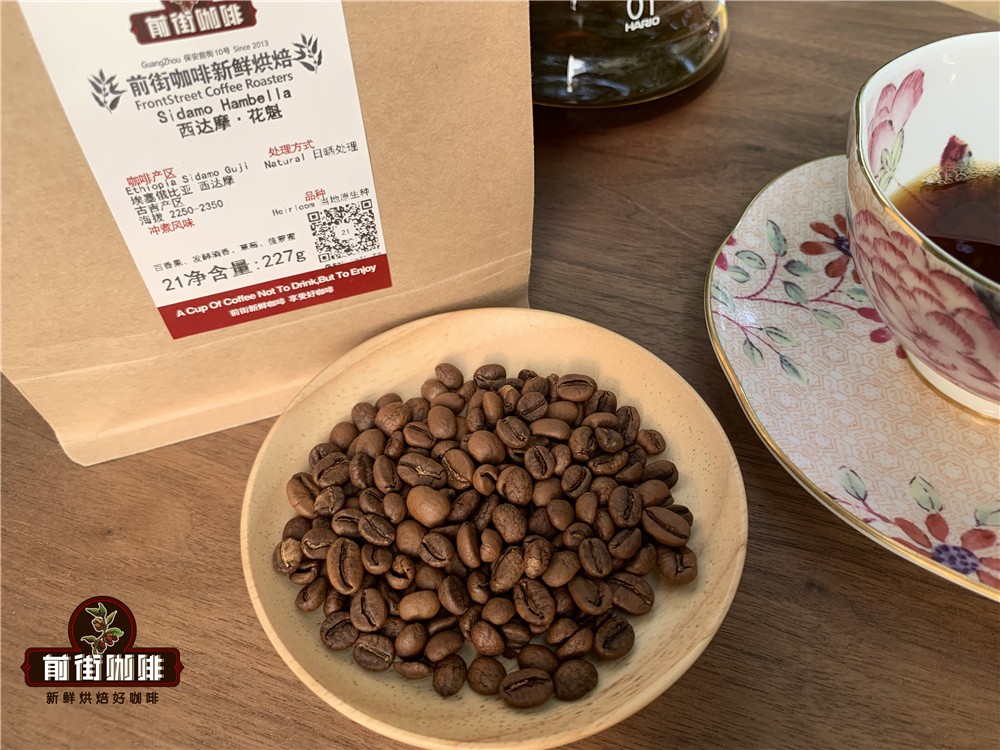
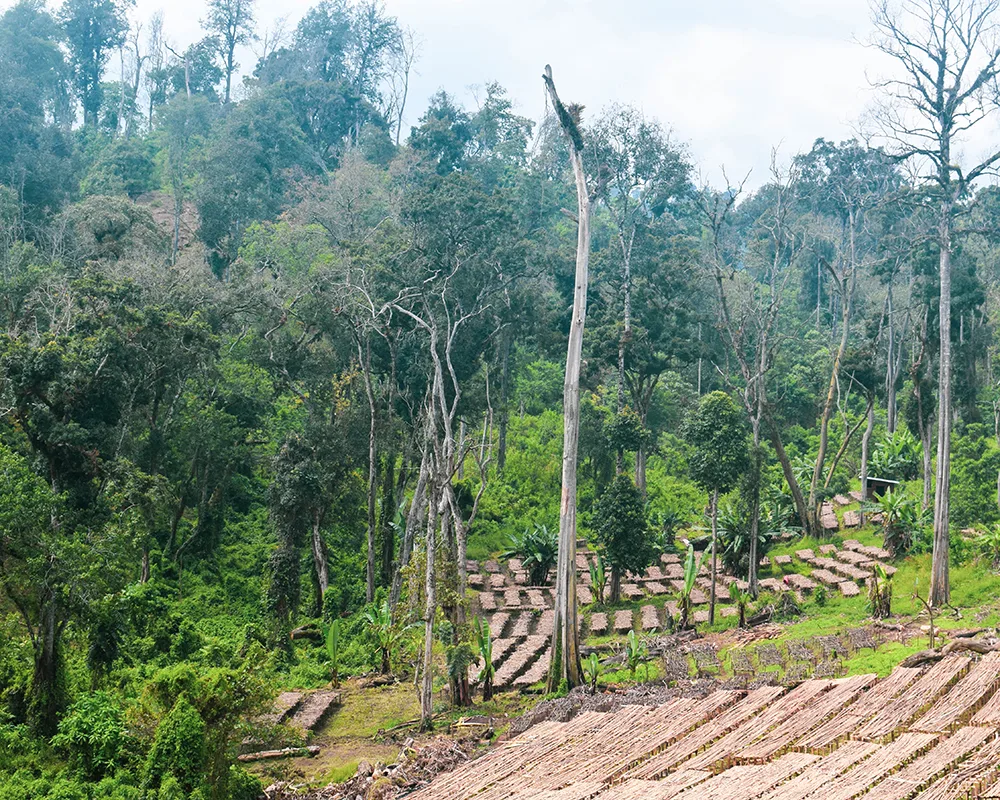
Regarding processing methods, early sun-dried beans were often spread directly on the ground to dry, making them prone to absorbing impurities and off-flavors, resulting in inconsistent quality. However, sun-dried processing techniques in the Sidamo region have undergone significant improvements over the years and are now highly refined. During the processing of Hua Kui, only fully ripe coffee cherries are harvested and rigorously hand-sorted to remove defects. The red cherries are then evenly spread on elevated drying racks or wooden platforms to ensure good ventilation and avoid contact with the ground. Throughout the drying period, the cherries are turned regularly to promote even drying and are periodically screened for moldy or underripe beans. Once the skins have fully hardened, a pulper is used to remove the pulp, followed by a final round of sorting to guarantee the quality of the green beans.
Compared to the clean and bright profile of washed processing, the natural method better preserves the coffee’s original sweetness and layered aromatics, particularly excelling at highlighting fruity and floral notes. A certain retailer recommends using a V60 dripper for pour over, employing a high water temperature of 90°C with a medium-fine grind (approximately 80% passing through a Chinese No. 20 sieve), and setting the coffee-to-water ratio at 1:15 with 15 grams of coffee. This setup can fully extract the rich layers of Hua Kui while avoiding over-extraction.
The 60-degree conical design of the V60 dripper helps concentrate the coffee grounds evenly. Coupled with its spiral rib structure, it maintains appropriate space between the filter paper and dripper wall, ensuring smooth water flow. The large bottom hole design speeds up the drainage, making it ideal for showcasing Hua Kui’s bright acidity and floral-fruity aromas. Its stable flow rate also effectively controls the extraction time, balancing sweetness and aroma.
In summary, the sun-dried Sidamo Hua Kui G1 beans are top-tier natural-processed coffee from Ethiopia’s Hambella region, characterized by intense floral-fruit aromas, honey sweetness, and a black tea-like finish. It is an unmissable choice for coffee lovers who enjoy fruity profiles. Understanding its regional background, processing methods, and pour-over parameters can help you more fully experience the unique charm of this specialty coffee.
The above content is compiled by CoffeeHunters, a coffee news website.


