







Introduction:Discover how coffee roast levels shape unique flavor profiles—from the Maillard reaction to caramelization—as we break down the key differences between light, medium, and dark roasts. Focusing on the challenges of SOE espresso, this article reveals the balanced advantages of medium roasting and recommends four single-origin beans ideal for espresso extraction, helping you master comprehensive knowledge from bean selection to brewing.
The roast level of coffee beans is the core element that determines the flavor profile of a cup. Under high temperatures, the sugars, amino acids, and other compounds inside green beans undergo the Maillard reaction and caramelization, generating hundreds of flavor compounds. These reactions not only affect color but also directly shape the balance of acidity, sweetness, and bitterness. The industry generally agrees that the green bean itself contributes about 60% of the flavor foundation, the roasting process accounts for 30%, while brewing only influences 10%, highlighting the importance of roasting technique.
The Maillard reaction is key to forming coffee flavors. When temperatures exceed 140°C, sugars and amino acids begin complex chain reactions, producing nutty, caramel, and even meaty aromas; caramelization focuses on the browning of sugars, releasing sweet caramel notes and subtle acidic layers. The interplay of these two reactions causes the same origin green beans to present vastly different personalities under varying roast levels.
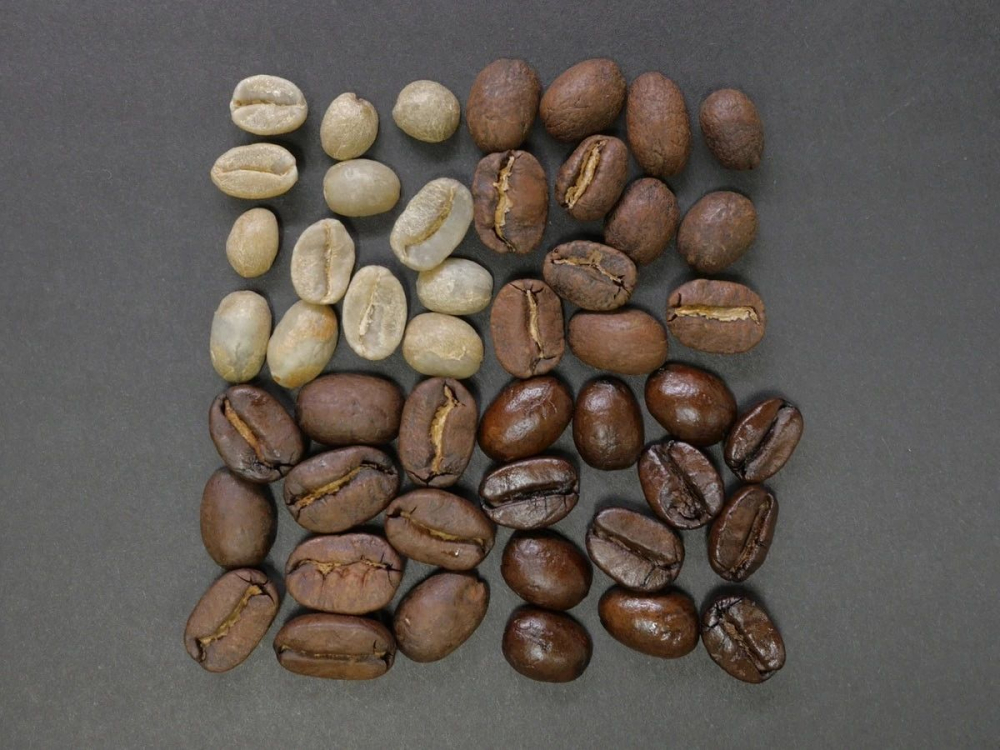
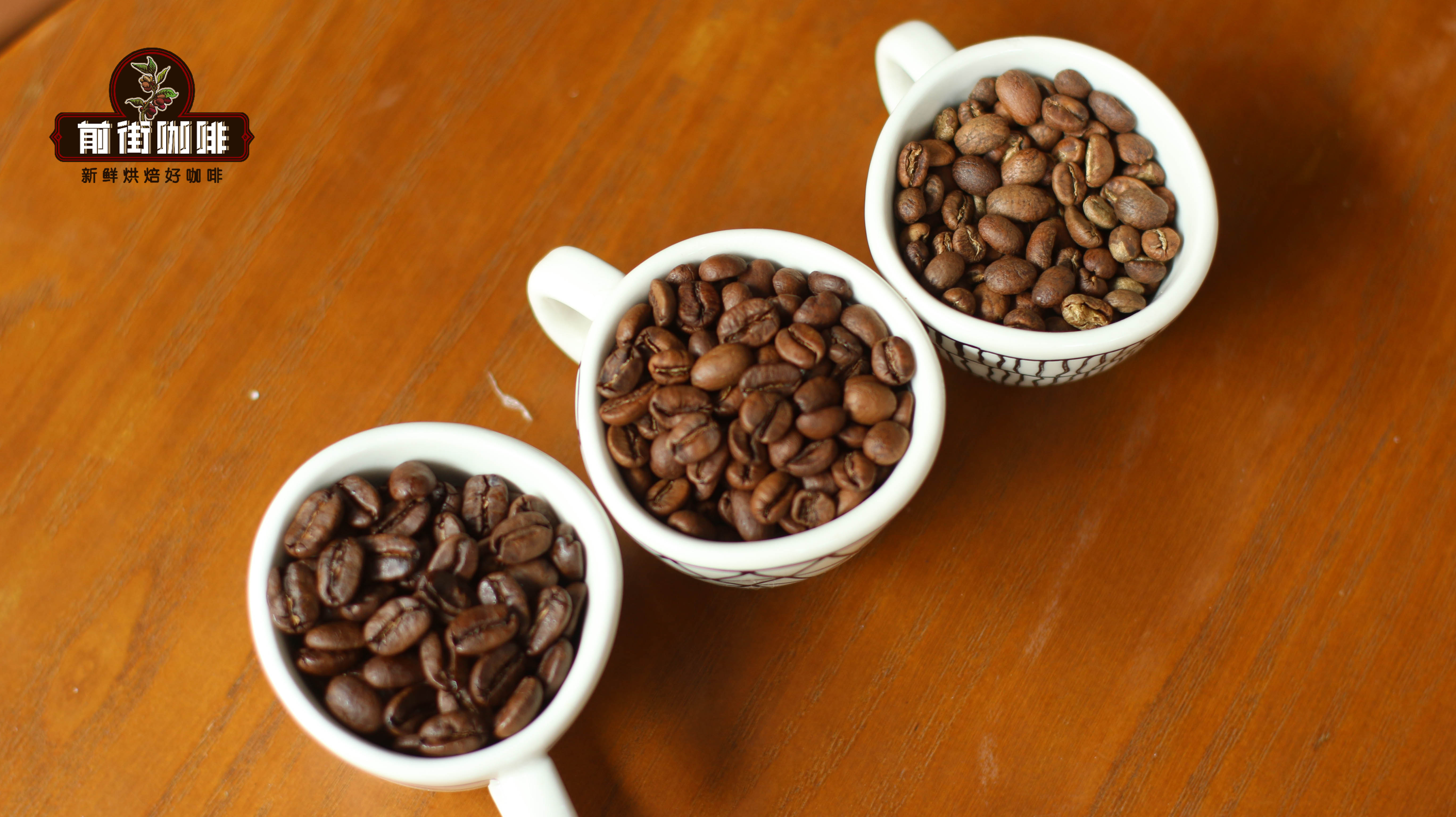
Common roast classifications can be simplified into three categories: light roast preserves the most original flavors, with bright acidity and floral-fruit notes; medium roast achieves a balance of acidity, sweetness, and bitterness, often featuring nutty and chocolatey undertones; dark roast enhances caramel and woody aromas, with pronounced bitterness but rich complexity. Notably, the longer the roast time, the more acidic compounds volatilize, leading to increased bitterness and body, but over-roasting can easily result in monotonous flavors.
Light roast (such as sun-dried Yirgacheffe) showcases bright acidity reminiscent of cherry and lemon, paired with citrus aromas, suitable for drinkers who prefer a refreshing taste.When brewed alone, such beans may have acidity that’s too pronounced, requiring adjustments in grind size and water temperature. Medium roast (like Brazilian Yellow Bourbon) excels with caramel sweetness and a nutty finish, making it a common choice for SOE espresso as it balances regional characteristics with extraction stability. Dark roast (like Indonesian Mandheling) presents black chocolate and smoky layers, with noticeable bitterness but a long-lasting aftertaste.
The challenge of SOE (Single Origin Espresso) lies in showcasing the unique regional flavors through high-pressure espresso extraction without losing balance. Many specialty coffee enthusiasts mistakenly assume light-roast beans are inherently better for pour over, overlooking their potential to release overly sharp acidity in high-pressure environments.In practice, medium roast can balance regional identity and extraction needs, for example, Papua Paradise Bird, when washed, highlights hazelnut and sugarcane sweetness with medium roast, avoiding a single acidic note dominating the overall flavor.
Selecting single-origin beans suitable for SOE requires considering three key elements: regional terroir, processing method impact, and roast curve design. For instance, Costa Rica Mozart uses raisin honey processing, preserving the full mucilage layer for fermentation, yielding rose floral and raisin sweetness in pour over, which transforms into intense tropical fruit and fermented aromas with medium-dark roast, appealing to coffee lovers seeking layered complexity. Brazilian Queen Estate Yellow Bourbon enhances nutty and creamy foundations with medium-dark roast, complemented by black chocolate notes, offering excellent milk foam integration when making lattes.
For beginner coffee enthusiasts, it’s recommended to start with medium-roast single-origin beans, such as Papua Paradise Bird or Brazilian Yellow Bourbon. These beans have higher tolerance for grind size and water temperature, allowing a direct experience of how roast level affects flavor. During actual brewing, adjust the coffee-to-water ratio (recommended 1:2 to 1:3) and extraction time (typically 25–30 seconds) to avoid over-extraction leading to bitterness or under-extraction resulting in thin flavors.
If you prefer a bright fruity acidity, you can choose sun-dried Yirgacheffe, but be mindful of its high acidity.For espresso extraction, use a slightly coarser grind (close to superfine sugar) and a slightly lower coffee doseto prevent over-extraction that amplifies sharp acidity. When you successfully brew a balanced SOE, its crema should appear uniformly golden yellow, with distinct aromatic layers and a smooth, non-irritating mouthfeel.
In summary, the journey from green bean to cup places roast level as a critical transformative factor. Understanding the interplay of the Maillard reaction and caramelization helps coffee enthusiasts choose the roast style that best suits their personal taste preferences. Whether pursuing bright fruity acidity in light roasts, balanced sweetness in medium roasts, or rich intensity in dark roasts, the right brewing techniques can reveal the most captivating flavor potential of each coffee bean.
The above content is compiled by CoffeeHunters, a coffee news website.


