







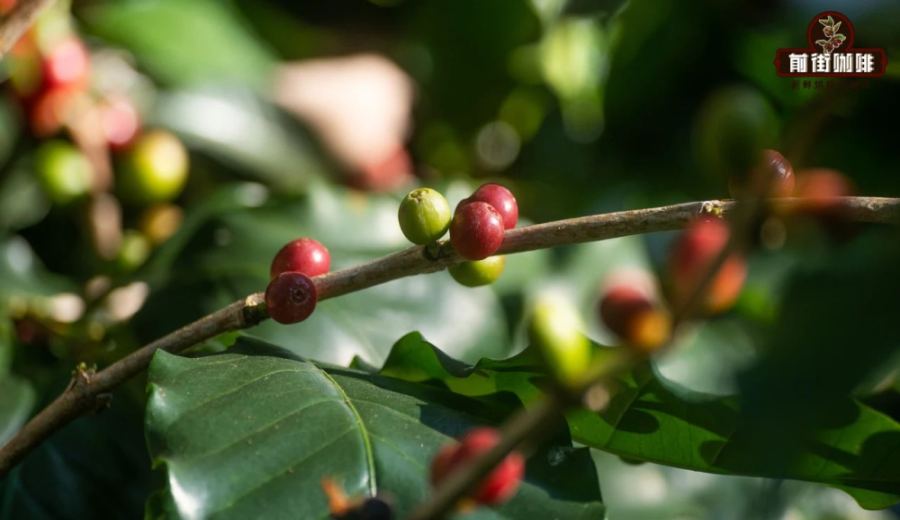
Introduction:As China’s most representative coffee-producing region, Yunnan’s unique geography and climate have given rise to coffees that are rich yet not bitter, with pronounced aromas yet not overpowering. This article delves into Yunnan’s major coffee-growing areas—including Pu’er, Dehong, Baoshan, and Lincang—and provides a detailed comparison of the flavor profiles of the two most commonly planted varieties, Catimor and Typica. It also offers practical roasting and pour over parameters to help readers fully appreciate the distinctive charm of Yunnan coffee from origin to cup.
Located in southwestern China, Yunnan has gradually secured its place on the global specialty coffee map thanks to its exceptional geographical and climatic conditions. Many parts of western and southern Yunnan sit at elevations between 1,000 and 2,000 meters, with significant day-night temperature variations, abundant sunshine, and moderate rainfall—creating ideal growing conditions for coffee trees. These factors combine to produce coffees that are typically bold yet not overly bitter, with pleasant aromas and delicate fruity notes.
Yunnan’s coffee cultivation history dates back to 1904, when French missionaries introduced the first coffee seedlings from Vietnam to Binchuan County, marking the beginning of coffee cultivation in China. However, true industrial-scale development began in 1955, when the province’s coffee-growing area reached 4,000 hectares, expanding further to 7,800 hectares by 1997. Today, Yunnan accounts for 70% of China’s total coffee-growing area and 83% of its production, undisputedly serving as the heart of the country’s coffee industry.
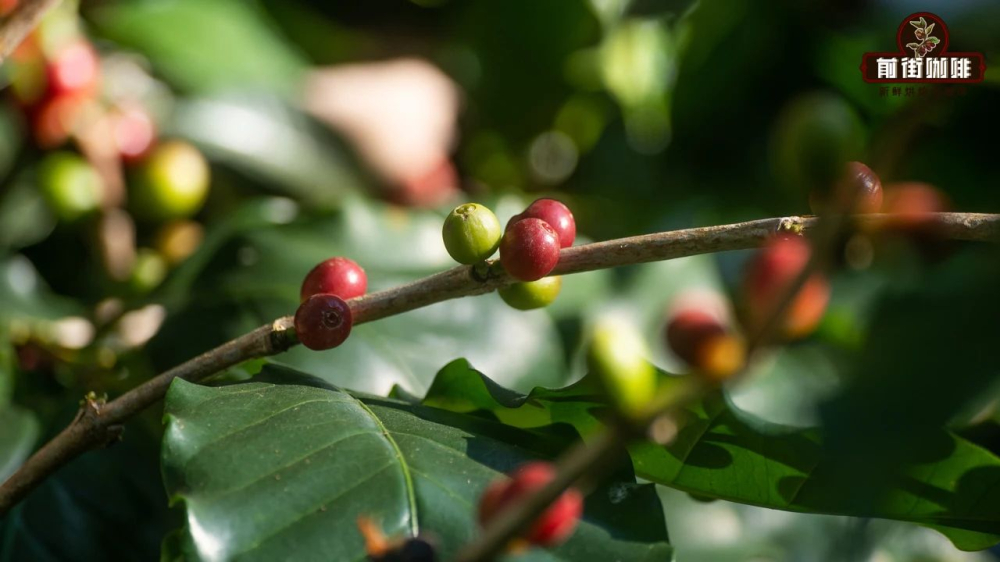
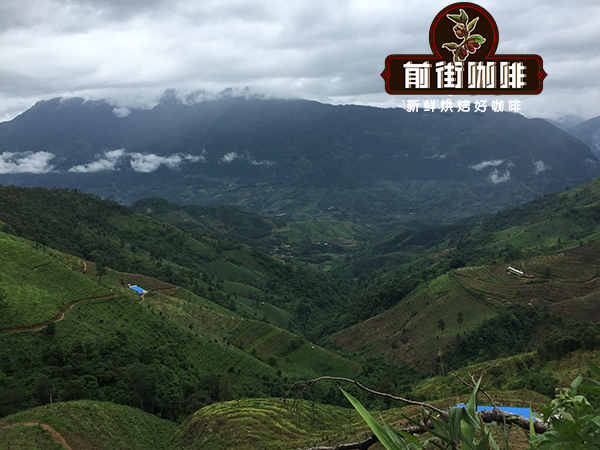
Yunnan’s main coffee-growing regions are concentrated in the southern and southwestern parts of the province, including Pu’er, Dehong, Baoshan, and Lincang. These areas not only boast the elevation and microclimates suited for growing Arabica coffee but also, thanks to fertile soils and biodiversity, produce coffees with distinct and unique flavor profiles.
As China’s largest coffee-growing base, Pu’er has over 789,000 mu (approximately 52,600 hectares) of coffee plantations, with an annual output of 586,600 metric tons and a total output value of 2.469 billion yuan. Many of its townships are engaged in coffee cultivation, making it not only a key national coffee distribution hub but also a preferred destination for coffee enthusiasts and academic teams conducting origin visits and cuppings. Pu’er’s geographical conditions lend its coffees a balanced and layered flavor profile.
Dehong Prefecture is one of the oldest coffee-growing regions in Yunnan, with smallholder coffee introduced as early as 1914. It is home to China’s first large-scale coffee germplasm resource garden and once set a record of 363.5 kilograms per unit area yield. With many coffee farms situated at elevations over 1,000 meters and some even exceeding 1,600 meters, coupled with organic farming practices, Dehong produces coffees of stable quality and international competitiveness.
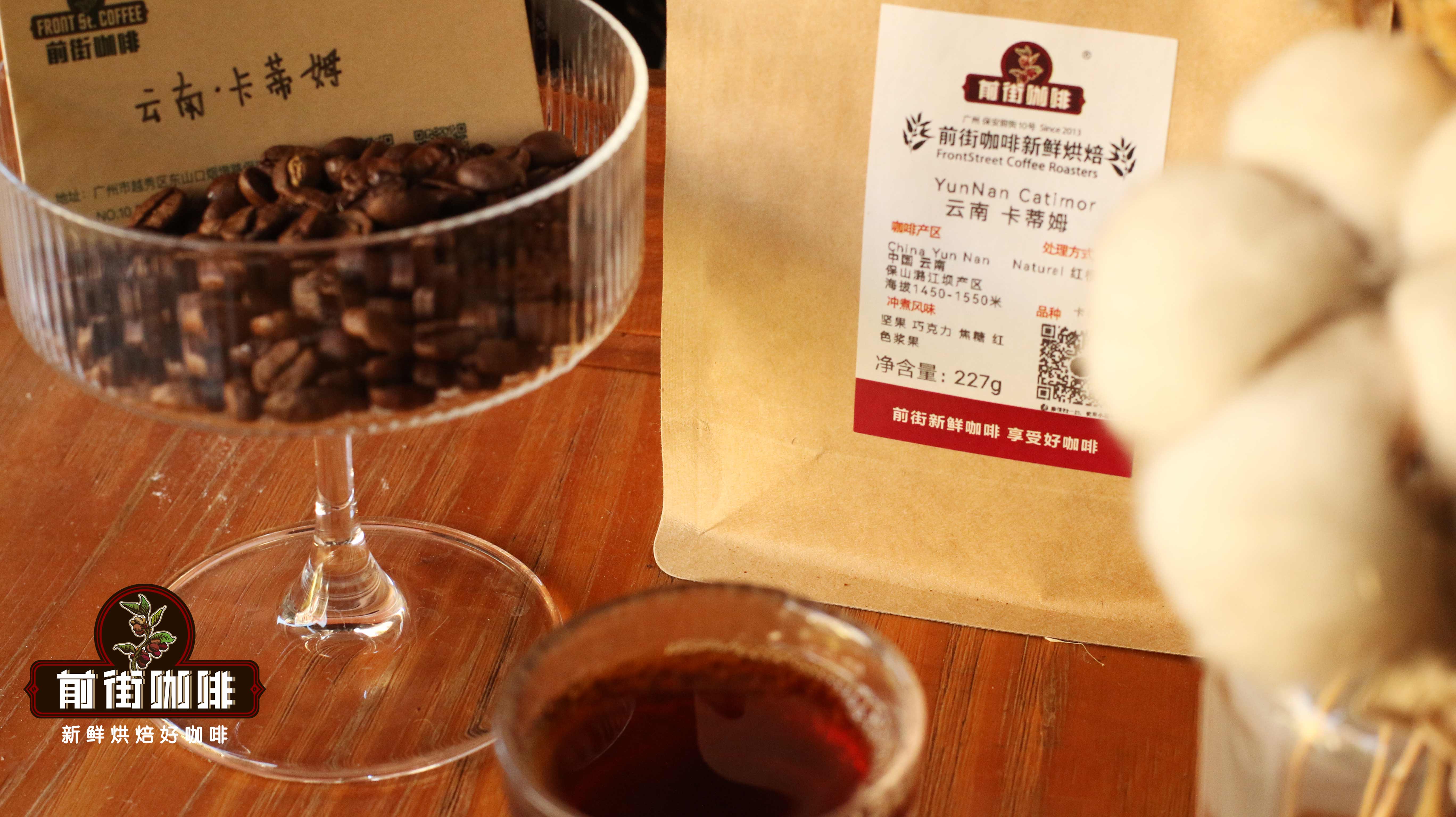
Baoshan is best known for the Luguangba area, where the Typica variety, though yielding less than Catimor, delivers a more refined flavor. Baoshan coffee is prized for being rich yet refreshing, with fruity notes and soft acidity—qualities that have won favor among many specialty coffee professionals. The microclimate and soil conditions of Luguangba are particularly well-suited for cultivating traditional varieties with higher environmental demands.
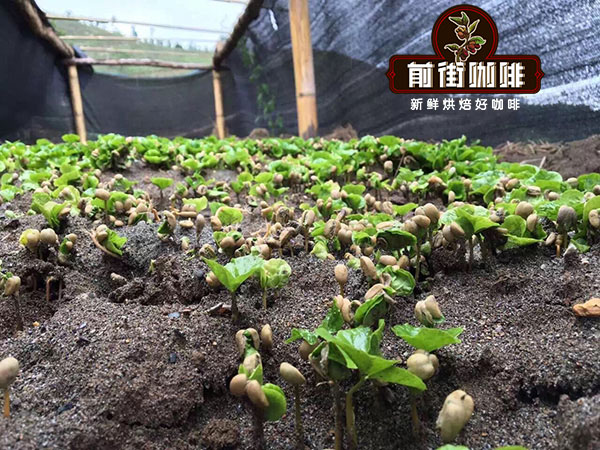
Lincang City, located in southwestern Yunnan near the Tropic of Cancer, enjoys a climate with distinct wet and dry seasons and abundant sunshine. In recent years, local governments and enterprises have collaborated to establish coffee seedling bases in multiple counties, promoting scaled-up coffee cultivation. Lincang’s coffee-growing areas are mostly situated in mountainous regions, where elevation and temperature variations help coffee beans accumulate flavor compounds, often resulting in beans with unique sweetness and aromatic layers.
In terms of variety, Catimor is currently the predominant cultivar planted in Yunnan. A hybrid of Arabica and Robusta, Catimor is highly disease-resistant and high-yielding, though it tends to be slightly less complex in flavor. In contrast, Typica—one of the oldest Arabica varieties—though lower in yield and more susceptible to diseases, offers brighter acidity, rich fruity notes, and a smoother mouthfeel, making it highly sought after by specialty coffee enthusiasts.
Take, for example, a coffee product from a certain brand released in 2013. These washed Typica beans from Lincang exhibit a complex flavor profile of dried apricot, caramel, black plum, and black tea, with a sweet taste and distinct layers. The recommended roast approach involves medium-temperature charge-in and controlled Maillard reaction speed to fully develop the bean’s potential flavors. For pour over, using a V60 filter cone with water temperature at 90–92°C, medium-fine grind, and a step extraction method helps balance acidity and sweetness while highlighting Yunnan coffee’s characteristic floral-fruity notes and rich aftertaste.
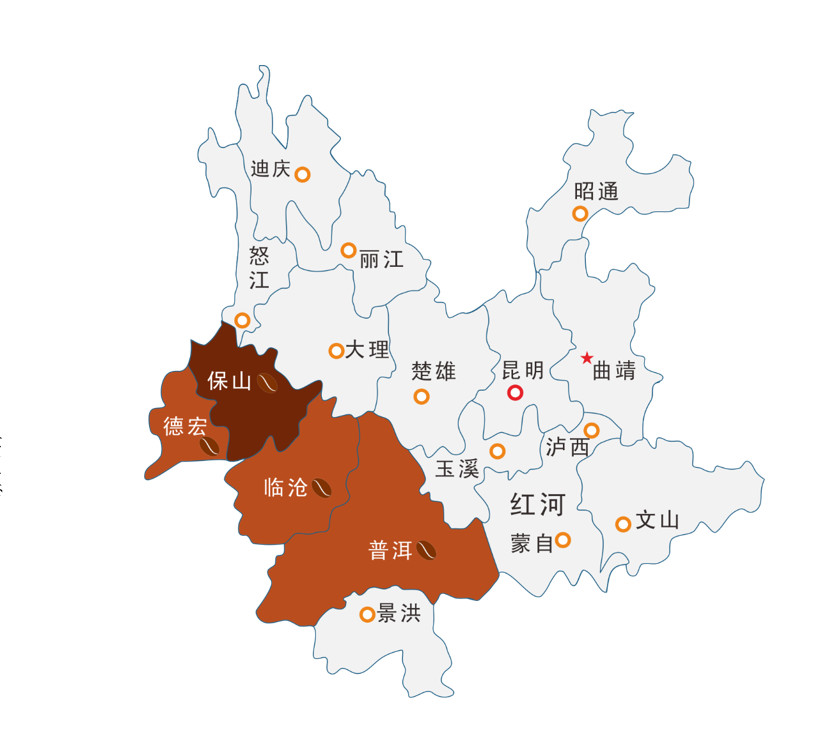
In summary, Yunnan coffee not only dominates China’s coffee production in volume but also offers a rich diversity of flavor experiences through its varied terroirs and variety selections. From the balanced body of Pu’er to the fruity sweetness of Lincang, and the high-elevation specialties of Dehong and Baoshan, each region tells its own unique story of land and climate. Understanding the characteristics of these regions and varieties can help coffee lovers make more informed choices when selecting beans and brewing methods, allowing them to truly savor the distinctive charm of Yunnan coffee.
The above content is compiled by CoffeeHunters, a coffee news website.


