








Introduction:The coffee-to-water ratio in pour over brewing is one of the key factors influencing flavor and mouthfeel. This article presents practical tests using Kenyan Assalia coffee beans, comparing the extraction results of three common coffee-to-water ratios—1:13, 1:15, and 1:17—and analyzing changes in acidity-sweetness balance, body, and aftertaste. It also explores the Golden Cup Theory and extraction principles to help you find the brewing ratio and parameters best suited to your taste.
One of the charms of pour over coffee lies in its ability to showcase the diverse flavor layers of coffee beans through simple tools and parameter adjustments. Among these, the "coffee-to-water ratio" is one of the most fundamental and critical variables. Many beginners often ask: "How much water should I use for how much coffee grounds to get it just right?" In fact, there is no absolutely correct answer, but according to the Golden Cup Theory and practical experience, different ratios do indeed lead to noticeably different extraction outcomes.
This article takes Assalia coffee beans from Kenya’s Thika region as an example, conducting pour over tests with three different coffee-to-water ratios—1:13, 1:15, and 1:17—using a three-pour technique. We observe differences in flavor profile, acidity-sweetness expression, mouthfeel thickness, and aftertaste length, helping you more intuitively understand how the ratio affects coffee and adjust to your ideal brewing proportion.

In coffee shops, it’s common to see many beginners curious about pour over coffee, yet hesitant due to the complexity of parameters. The "coffee-to-water ratio" is often the main barrier preventing them from exploring further. So how exactly should this ratio be determined? Must it strictly follow a specific value? In fact, the ratio functions more like a “flavor tuner,” helping you control coffee concentration and extraction volume, thereby guiding different flavor expressions.
Generally, common coffee-to-water ratios for pour over range between 1:12 and 1:18. Among these, 1:15 is recommended by many baristas as an entry-level ratio because it provides a relatively balanced concentration and extraction rate, suitable for most medium to medium-light roasted beans. However, this is not the only standard—depending on personal taste preferences, you can try stronger (such as 1:13) or lighter (such as 1:17) ratios to find your perfect cup.
To successfully extract the high-quality flavors of coffee, the primary condition is to use freshly roasted beans. It’s recommended to choose beans roasted within 5 days, during which time the coffee is typically in the “late resting phase” with the most active and balanced flavor expression. The resting period for coffee beans is around 4 to 7 days, during which the beans gradually release carbon dioxide and their flavors unfold. Brewing during this time makes it easier to perceive the beans’ inherent layers and characteristics.
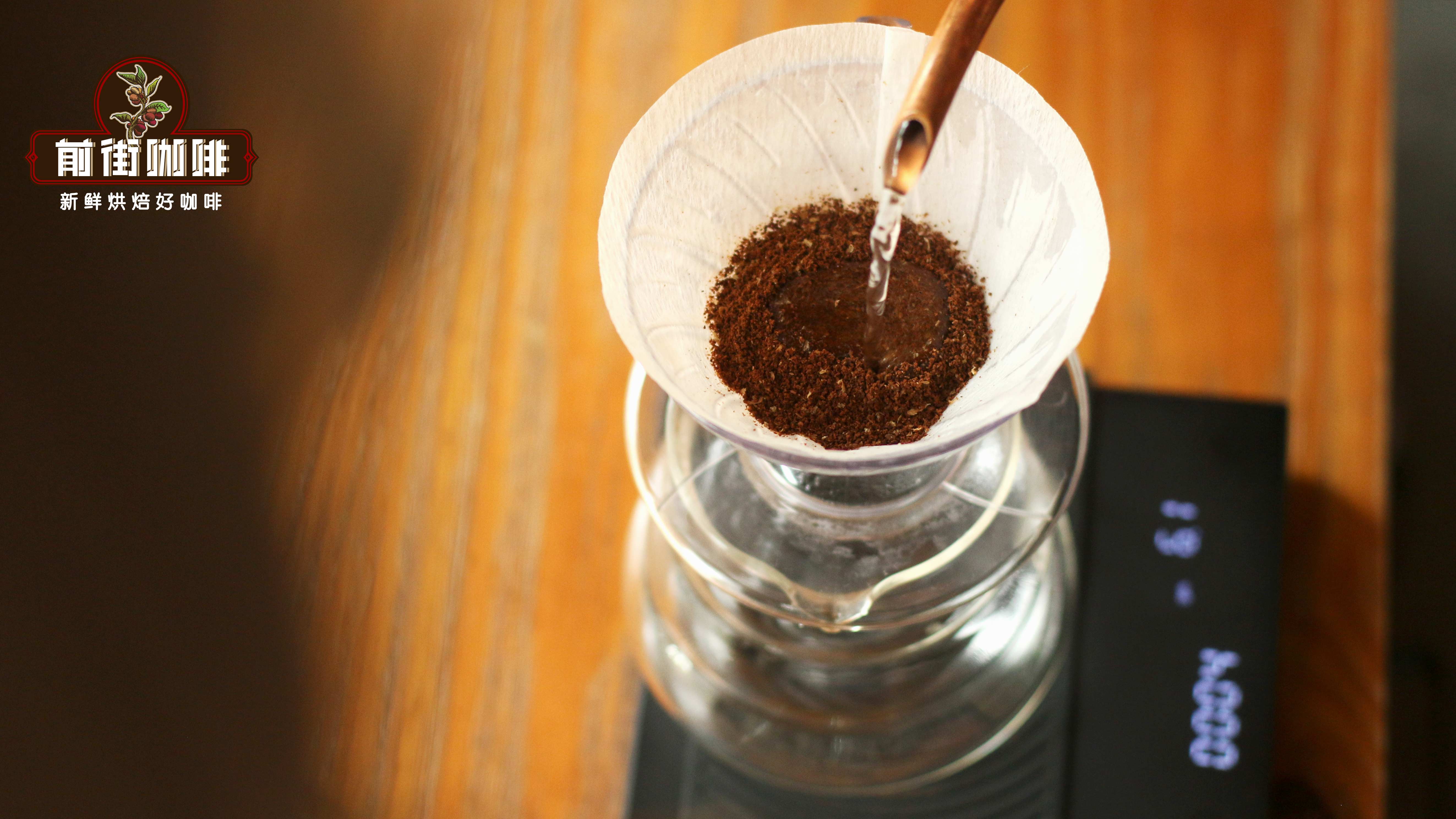
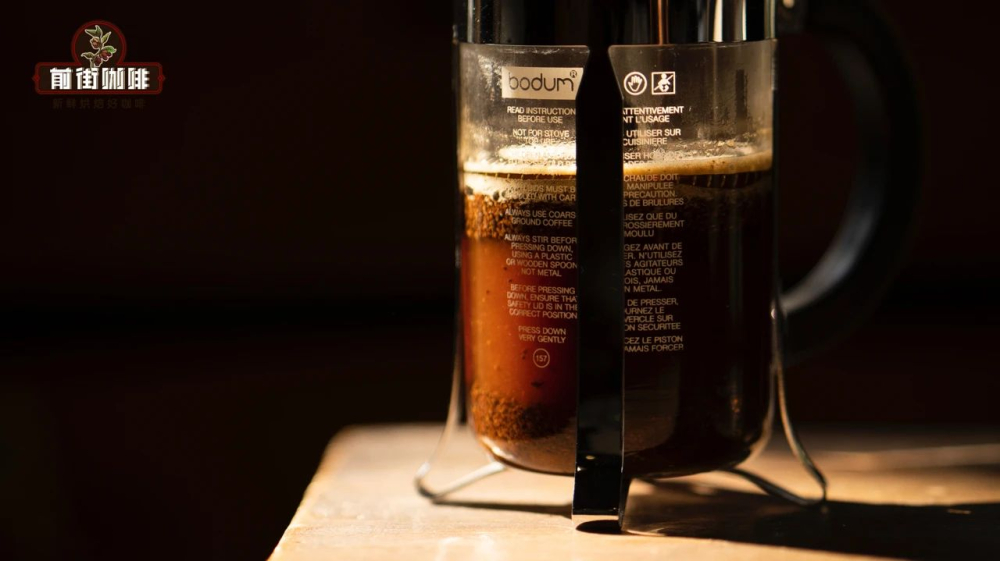
The extraction principle of pour over coffee is actually not complicated. Simply put, it uses water as a solvent to extract aromatic compounds, acidity, sweetness, and other soluble compounds from the coffee grounds. This process can mainly be divided into two categories: immersion and filtration. Pour over falls under filtration extraction, where water evenly passes through the coffee bed, gradually drawing out flavors; immersion, on the other hand, involves fully mixing coffee grounds with water, as in methods like the French press or AeroPress.
According to the Golden Cup Theory proposed by the Specialty Coffee Association of America (SCAA), an ideal cup of extracted coffee should have a concentration between 1.15% and 1.45%, with an extraction yield of 18% to 22%. These two figures are important references for assessing whether a coffee is balanced, but they’re not absolute. If the concentration is too low, the coffee may taste watery and lack flavor intensity; if too high, it could bring excessive astringency and impurities. Insufficient extraction yield may make acidity taste sharp, while over-extraction can easily lead to bitter, over-brewed notes.
It’s worth noting that the coffee-to-water ratio is just one factor affecting concentration and extraction yield. If your brewed coffee tastes overly sour or astringent, it’s recommended to first check grind size and brew time rather than immediately adjusting the ratio. For example, grinding the coffee finer or slightly extending pour time and immersion duration can often more effectively improve under-extraction issues.
The beans used in this practical test are Assalia from Kenya’s Thika region, of the SL28 and SL34 varieties, processed using Kenya’s unique 72-hour washed method. This processing method, through cycles of multiple fermentations and washes, gives the beans a brighter, cleaner, and more layered flavor profile. The beans are grown in volcanic soil at altitudes of 1550–1750 meters, where the high elevation environment allows them to develop a firmer structure and complex flavor spectrum.
It is recommended to use a V60 dripper for pour over, with water temperature controlled at 90–92°C. Grind size is suggested to be medium-fine (approximately 80% passing through a Chinese standard No. 20 sieve), with a dose of 15 grams, using a three-pour technique to more steadily control extraction rhythm and evenness.
The first test group used the standard 1:15 coffee-to-water ratio, with a total water volume of 225 grams. The pouring process was as follows: first, a 30-second bloom with 30 grams of water, followed by pouring with a small stream in circular motions centered on the grounds up to 125 grams, then pausing. Once the water level dropped close to the coffee bed, pouring resumed up to 225 grams, with a total brew time of about 2 minutes.
In terms of flavor, this ratio produced a bright citrus tone with a refreshing acidity akin to yellow fruits. As the temperature decreased, tomato-like notes emerged, the acidity softened to more of a lemony tone, and the aftertaste carried a light tea-like sensation. Overall, the performance was balanced and enjoyable.
The second test group reduced the ratio to 1:13, with a total water volume of approximately 195 grams. The blooming and pouring rhythms were the same as the first group. At this ratio, the coffee had a richer flavor upon entry, with caramel-like sweetness and smoked plum notes more pronounced. Acidity was relatively subdued, especially at higher temperatures where it was barely noticeable. The overall presentation leaned toward sweet and mellow, though with slightly less layering.
The third test group increased the ratio to 1:17, with a total water volume of about 255 grams, maintaining the same pouring process. At this ratio, the mouthfeel was noticeably thinner, lacking layered flavors on entry. As the temperature dropped, acidity became more apparent, but was accompanied by a higher level of astringency. The overall balance was poorer, making it more suitable for those who prefer lighter and lower-concentration coffee.
Based on the comprehensive test results, the 1:15 ratio provided the most balanced flavor profile, suitable for most coffee enthusiasts. The 1:13 ratio highlighted sweetness and richness, ideal for those who enjoy a fuller-bodied cup. Meanwhile, 1:17 was better suited to those seeking lighter, lower-concentration coffee, though care should be taken regarding potential flavor loss and astringency issues.
Brewing coffee is an art that combines science and sensory experience. By understanding how the coffee-to-water ratio affects extraction and experimenting with different ratios and parameters, you’ll gain deeper insight into the secrets of pour over brewing and discover the cup that best matches your taste.
The above content is compiled by CoffeeHunters, a coffee news website.


