







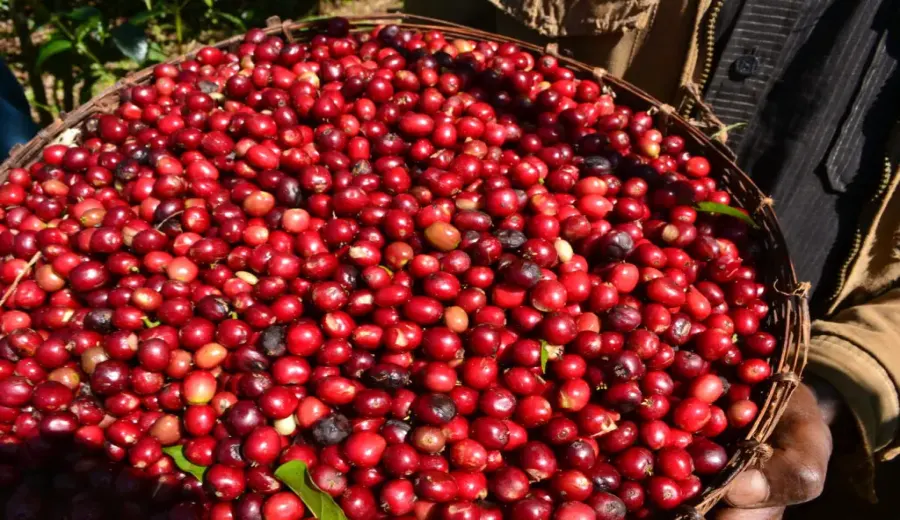
Introduction:The washed coffee beans from the Gedeb Yirgacheffe Guji Dingding Cooperative are renowned for their citrusy notes, white floral aromas, and delicate fruity undertones, making them a classic representative of the Yirgacheffe region. This article delves into its regional background, cooperative history, traditional washed processing method, and provides practical pour over brewing suggestions and roast curve references to help you fully master this popular specialty coffee from bean selection to brewing.
When it comes to Ethiopian coffees rich in floral and fruity aromas, many people’s first choice is Yirgacheffe. This region is famous for its bright acidity and jasmine and lemon-like scents, and the washed beans produced by the Guji Dingding Cooperative showcase citrus, white flowers, and fruity notes to the fullest, making them the essence of Yirgacheffe.
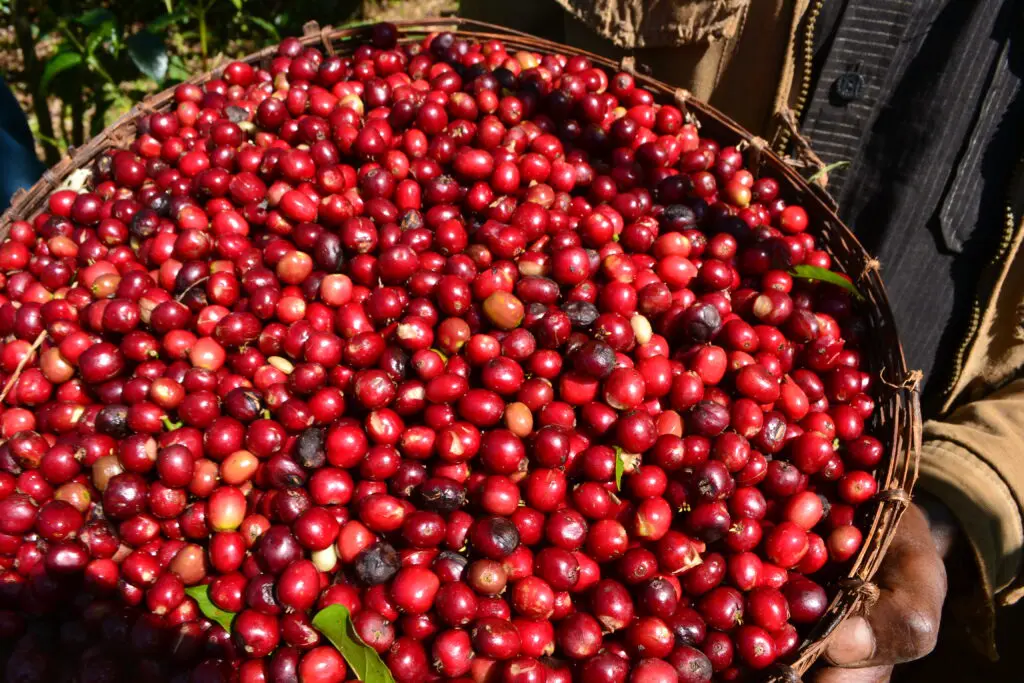
Yirgacheffe was originally a small town in Ethiopia, part of the Sidamo region. Due to its unique altitude and microclimate, along with its distinctive coffee flavors, it was later designated as a standalone specialty region. Located at an altitude of 1,700 to 2,100 meters, the area enjoys cool weather and fog year-round, providing an ideal environment for growing high-quality Arabica coffee. The family-farm-based, garden-style cultivation model often mixes coffee with other crops, resulting in lower yields but stable quality, which contributes to Yirgacheffe’s ultimate flavor profile of “blooming flowers with every sip.”
Common flavor profiles of Yirgacheffe coffee include intense jasmine floral notes, bright citrus acidity, paired with sweet aromas reminiscent of peaches and almonds, as well as a soft tea-like finish. The taste is delicate, silky, and rich, with a refreshing sweetness in the aftertaste, making it a “must-try” classic in the eyes of many coffee enthusiasts.
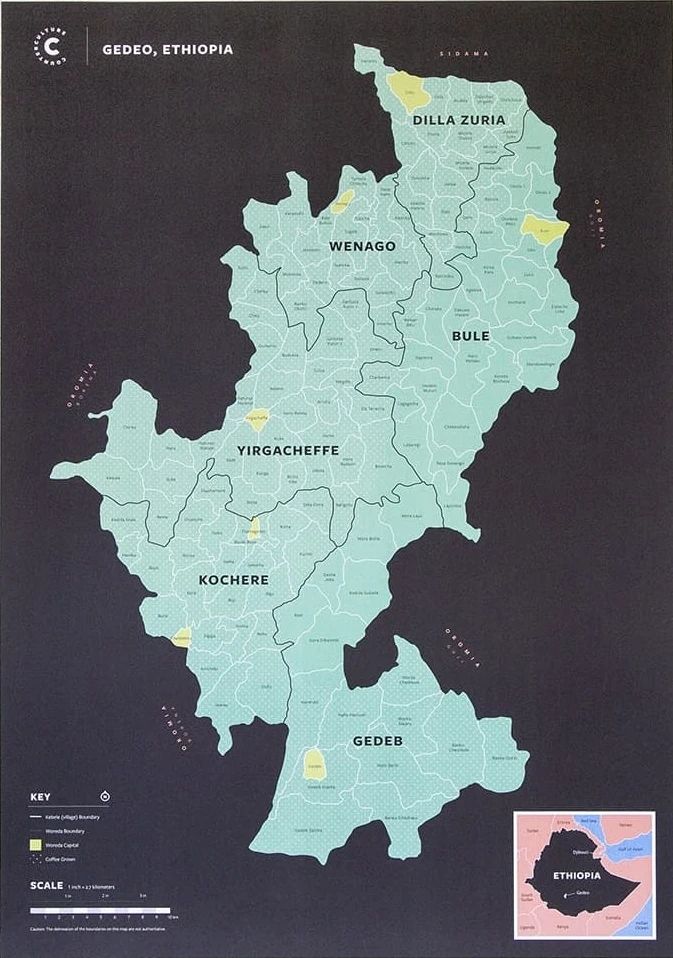
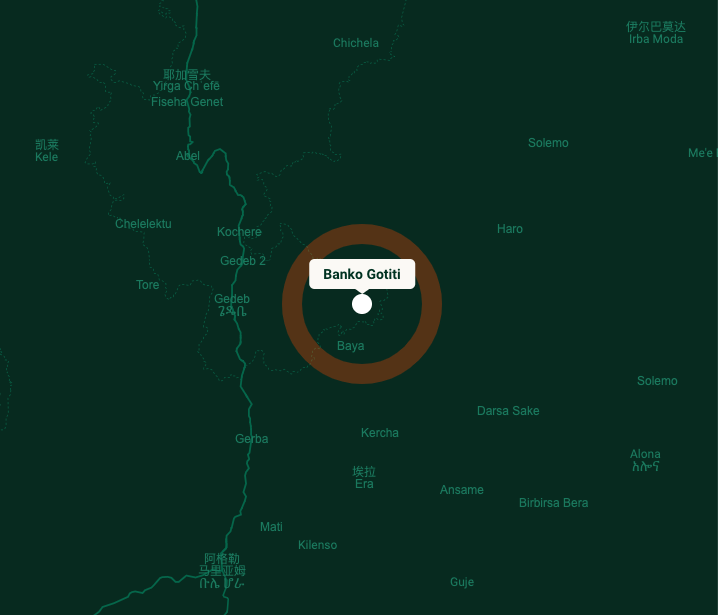
The Yirgacheffe region spans multiple micro-regions, among which Gedeb (Gedeo Zone) is an emerging gem. Located below Kochere and about 60 kilometers from Yirgacheffe town, Gedeb has an even higher average altitude of around 1,900 to 2,200 meters, making it a typical high-altitude specialty coffee growing area. Although it is often categorized under Kochere in the ECX market, its unique microclimate and quality potential have gradually established it as a distinct presence in the specialty coffee world.
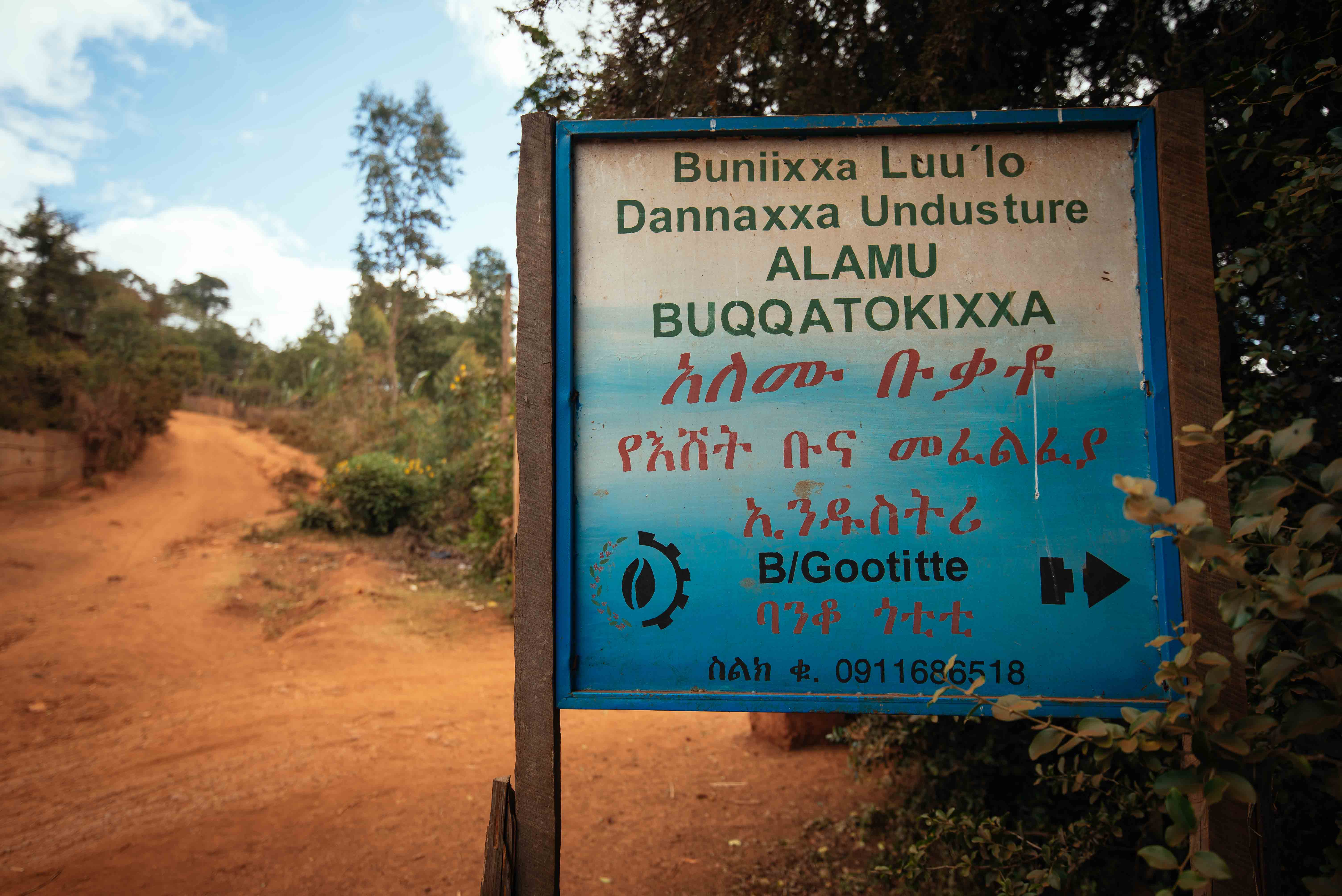
The Guji Dingding Cooperative is located in the Worka Kebele area, part of the Gedeb region, at an even higher altitude, offering a longer growth period and richer flavor development for the coffee. Established in 2012 as a split from the Worka Cooperative, it consists of about 300 smallholder farmers and adheres to traditional washed and natural processing methods, earning a reputation as “the last pure land of Yirgacheffe.”
Before 2018, Ethiopian coffee was primarily exported through the ECX (Ethiopian Commodity Exchange) auction system, making it difficult for buyers to trace the origin of the beans. With reforms to the system, cooperatives and processing facilities can now export directly, improving transparency in the region and the management of green bean quality, while also making it easier for consumers to access specialty coffees like Guji Dingding, which come with clear origin and processing information.
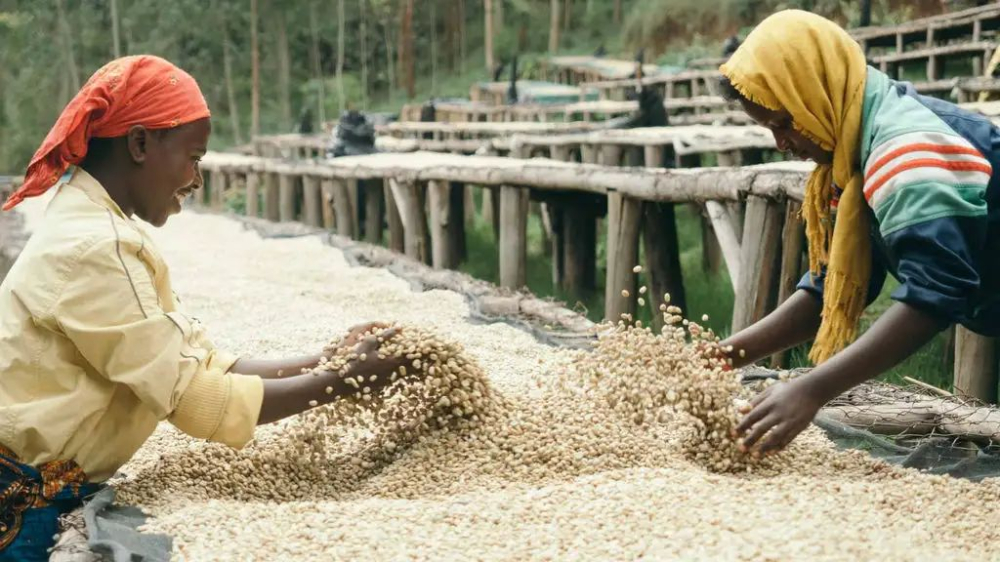
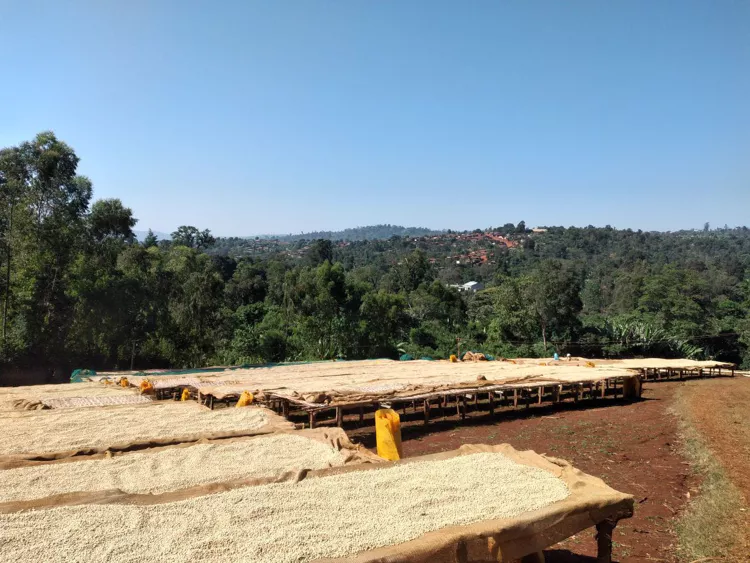
The Guji Dingding Cooperative continues to use Ethiopia’s traditional washed processing method, a technique introduced in 1972 that has become a key process in distinguishing high-quality Yirgacheffe coffee. The washed processing procedure is complex, starting with flotation to remove unripe cherries, followed by the removal of pulp and skin, then fermentation in tanks to break down the mucilage layer, usually for 18 to 36 hours. Afterward, the beans are rinsed multiple times with clean water to remove residual mucilage and impurities, and finally, the parchment-covered beans are spread out on African raised beds for sun drying.
This process preserves the coffee’s inherent fruit acidity and aromatic characteristics exceptionally well, giving the Guji Dingding washed beans a clear, bright citrus tone, soft white floral notes, and a mild, sweet finish, making it a quintessential example of high-altitude washed Yirgacheffe coffee.
Ethiopia boasts the world’s richest coffee genetic diversity, with most locally grown varieties being unnamed heirlooms. Due to geographic isolation and long-term natural crossbreeding, there are nearly 2,000 coffee varieties in Ethiopia, 1,927 of which are native. These varieties grow naturally in the wild or in backyards, and each batch may be a different combination of mutations. Despite variations in size, they collectively contribute to the diverse and captivating aroma and flavor profiles of Yirgacheffe.
In terms of roasting, to highlight the floral and fruity characteristics of the Guji Dingding washed beans, one coffee brand typically employs a light-to-medium roast. By using gentle heat control and extending the drying phase, more acids and aromatic compounds are preserved. Actual roasting parameters are as follows:
Using a Yangjia 800N roaster (capacity 300g),Charge temperature 175°C, air vent 3, flame 120. Turnaround point is around 1 minute 32 seconds, when the drum temperature drops to 140°C, the air vent is adjusted to 4, and once the bean surface turns yellow and grassy notes fade, the main drying phase begins.At 166°C, the flame is reduced to 100, and at 176°C to 80, with the air vent remaining at 4. Around 8 minutes 28 seconds, the bean surface shows wrinkles and dark spots, marking the approach of first crack.First crack begins at 9 minutes 38 seconds, the air vent is adjusted to 5, and the flame is carefully controlled. The first crack development time is 1 minute 30 seconds, and the beans are dropped at 193.5°C. Agtron bean color value is approximately 74.6, bean core 79.8, Roast Delta 5.2, representing a typical light-to-medium roast flavor profile.
For brewing, it is recommended to use a Hario V60 filter cone, with a medium-fine grind (approximately 80% passing through a Chinese standard No. 20 sieve), and a brew ratio of 1:15. Water temperature should be controlled around 91°C. The actual operation can follow this step-by-step extraction process:
First, pour 34g of water for a 36-second bloom, then continue pouring witha small circular stream until reaching 120g for the first pour. When the water level drops to just about to expose the coffee bed,pour again until the total weight reaches 229g, then stop. The total extraction time is about 2 minutes, and the filter cone is removed once the water level drops again. These parameters balance acidity and sweetness, highlight fruity notes, and maintain a clean and clear overall mouthfeel.
In terms of flavor, this Guji Dingding washed coffee features distinct layers of tropical fruits, citrus, cream, berries, and honey. Upon tasting, the acidity is bright, the mid-palate offers a soft juiciness, and the finish concludes with citrus and a hint of creamy sweetness, leaving a long and memorable aftertaste. As the temperature cools, the berry and honey aromas become even more pronounced, making it an excellent choice for pour over enthusiasts.
The above content is compiled by CoffeeHunters, a coffee news website.


