







Introduction:The siphon coffee maker, with its unique visual appeal and immersive brewing experience, has become one of the preferred tools for many coffee enthusiasts. This article delves into the principles behind siphon brewing, the types of coffee beans that suit it best, the advantages and common issues encountered during the process, and shares practical insights to help you master the essence of this classic brewing technique and enhance the expression of coffee flavors.
Not only does the siphon coffee maker boast a distinctive design, but its brewing process is also highly ritualistic and visually captivating. The coffee produced with a siphon often clearly showcases the original characteristics of single-origin beans, with a distinct flavor profile and layered complexity. Its taste is rich and full-bodied. This brewing method operates under varying temperatures — high, medium, and low — which can elicit multi-layered flavor expressions, making it a delightful journey for those who enjoy exploring the subtle nuances of coffee.
However, when actually using a siphon coffee maker, many users often encounter challenges such as controlling the heat, managing brewing time, and selecting the right coffee bean variety. This article will start with the basic principles of the siphon, helping you understand its extraction characteristics, analyze its pros and cons, and share practical operational tips and bean pairing insights so you can more comprehensively grasp the usage secrets of this classic coffee tool.
The siphon coffee maker falls under the category of immersion brewing, and its most notable feature is its relatively high extraction rate. When operated correctly, the coffee it produces usually has a smooth, rounded mouthfeel with an outstanding body. This effect mainly comes from the vacuum environment formed during the brewing process and the filter cloth’s ability to trap fine coffee particles. Together, these elements effectively enhance the coffee’s solidity and layered complexity.
It’s worth mentioning that the siphon coffee maker is well-suited for medium-to-dark roasted coffee beans. Since medium-to-dark roasts typically exhibit rich chocolatey, nutty, and spicy notes, and because the siphon can steadily release heat and prolong the flavor extraction period, it can fully highlight the aroma and body of such beans.
For bean selection with the siphon coffee maker, it is recommended to prioritize medium-to-dark roast beans with distinct regional characteristics and processing styles. Common suitable types include Sumatra Mandheling beans from Indonesia, sun-dried Ethiopian beans from Africa, and certain honey-processed beans from Central America. Under siphon brewing conditions, these beans can present a more three-dimensional sweetness, a full-bodied wine-like mouthfeel, and a stable flavor backbone.
If you’re just getting started with a siphon coffee maker, it’s advisable to begin with balanced and full-bodied bean blends — for example, blends with moderate acidity, prominent caramel sweetness, and nutty tones. These can help you more quickly grasp the coordination between heat control and extraction timing. Additionally, cleaning and storing the filter cloth are key to maintaining flavor purity. Be sure to rinse it with clean water immediately after use and let it dry properly to avoid residual oils affecting subsequent brews.

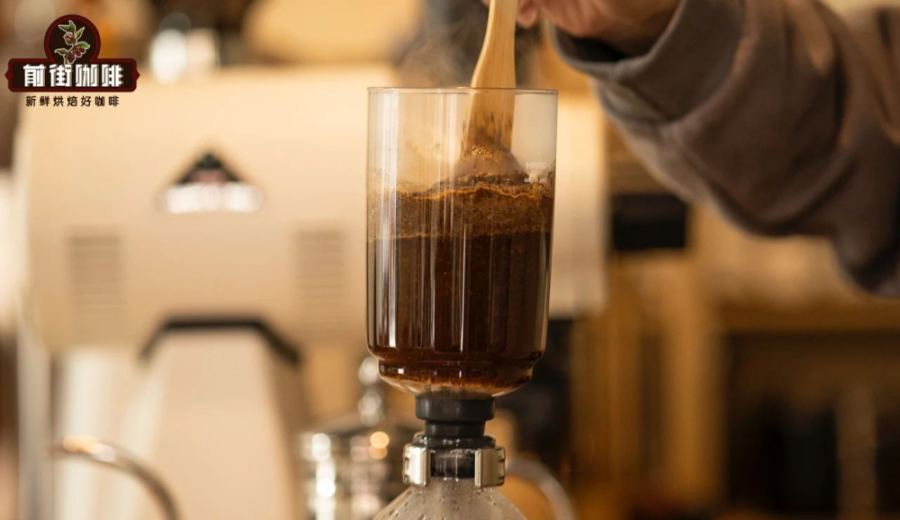
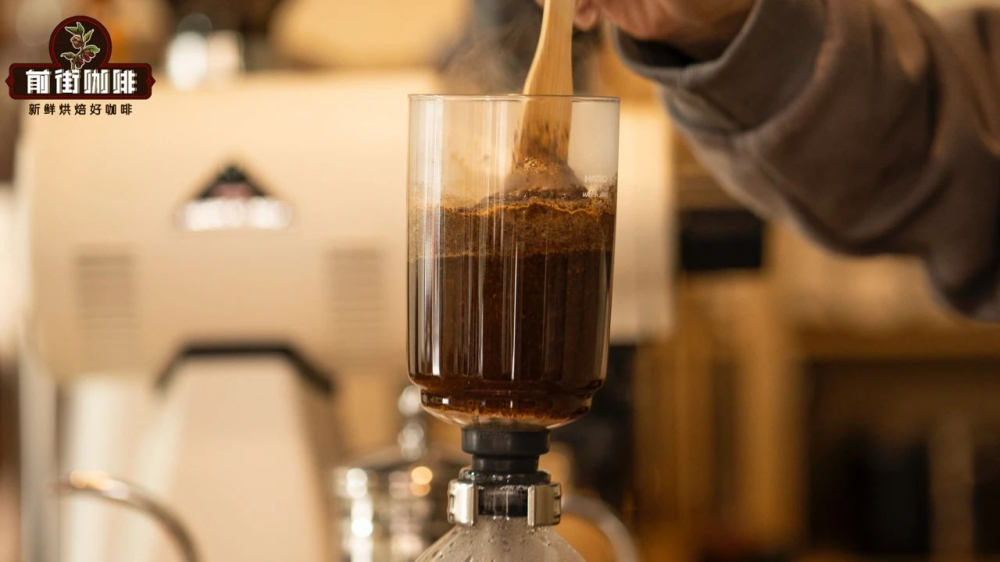
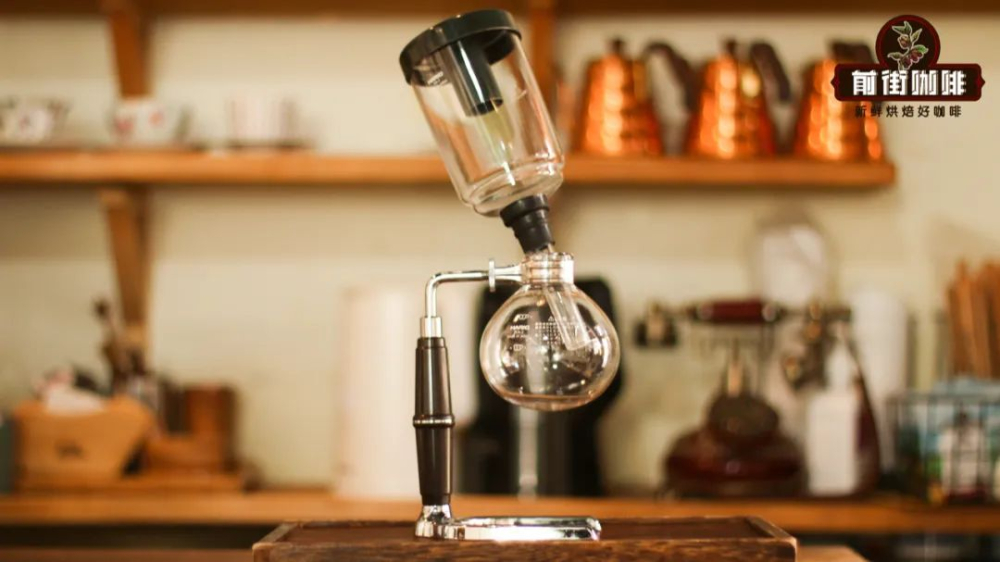
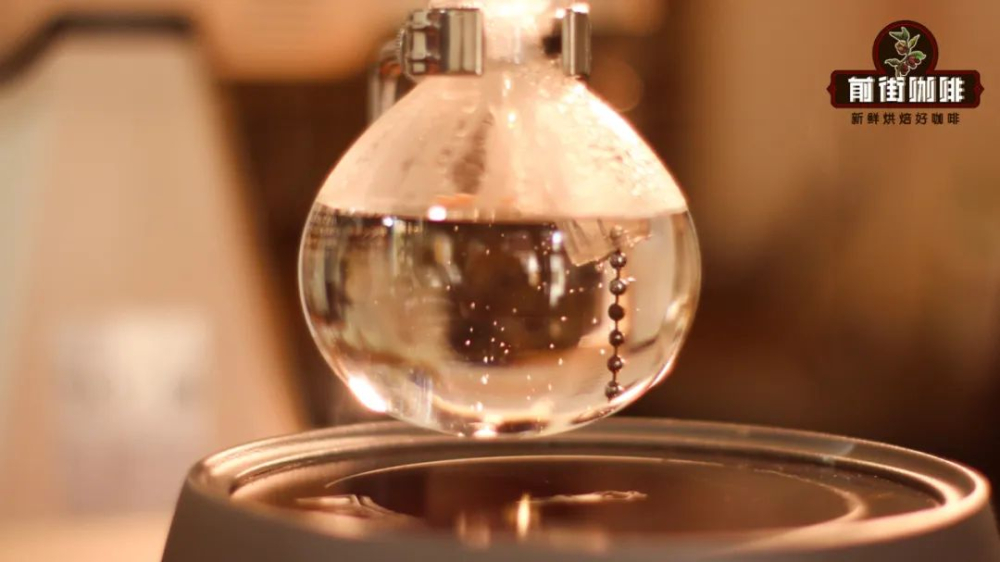
In actual operation, the siphon brewing process can generally be divided into four main stages: heating, removing the heat source, stirring, and allowing the coffee to settle. During heating, it’s important to maintain a stable flame so the water in the lower chamber gradually warms up and is drawn up through the siphon tube into the upper chamber to mix with the coffee grounds. Once the water has fully transferred to the upper chamber, you should promptly adjust the flame or remove the heat source to stabilize the brewing temperature. At this point, it’s recommended to stir moderately to promote even extraction of the coffee grounds.
After extraction is complete, allow the coffee grounds to settle for several seconds before gently removing the upper chamber to pour out the coffee. The entire process requires attention to safety, especially during the heating and heat removal steps, to avoid glass breakage or accidental burns due to sudden temperature changes. Additionally, altitude and water quality can affect the boiling point and extraction efficiency, so users may need to fine-tune operation time and flame intensity based on their actual environment.

The advantages of the siphon coffee maker include providing a highly stable and reproducible extraction result, especially excelling at showcasing the flavor characteristics of single-origin regions. Though the operation may seem a bit complex, once you’re familiar with the process, you can enjoy a brewing experience akin to conducting a science experiment. Furthermore, due to the combination of immersion and vacuum brewing, it reduces the risk of over-extraction or excessive oxidation, resulting in a final cup that is cleaner and more long-lasting in flavor.
However, the siphon coffee maker also has its limitations. For beginners, mastering heat control and timing takes some practice to achieve optimal results. Additionally, cleaning and maintaining the equipment is more involved than with typical pour-over tools, especially the care of glass components and the regular replacement of the filter cloth — both crucial for maintaining brewing quality. An unstable heat source may also affect consistency in extraction, so the choice of brewing location should also be considered.

In summary, the siphon coffee maker is a classic brewing device that can fully showcase the depth and layers of coffee flavor. It is not only ideal for deeply exploring the potential of single-origin beans but can also add a lot of enjoyment to your daily coffee experience. As long as you master the correct operational techniques, choose the right coffee beans, and pay attention to the details of each step, you’ll be able to brew a coffee with rich flavor and clear layering using the siphon.
The above content is compiled by CoffeeHunters, a coffee news website.


