







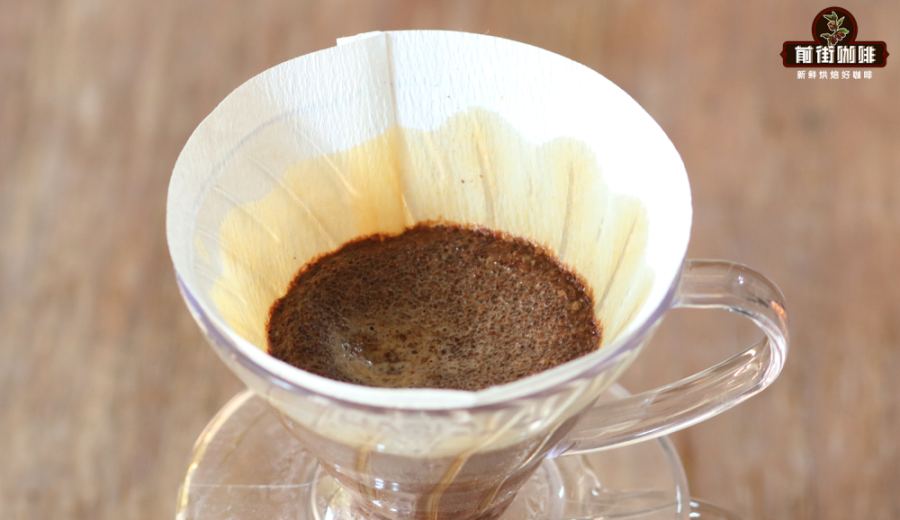
Introduction:The blooming stage of pour over coffee is a crucial step that affects overall flavor and extraction efficiency. A common phenomenon—where the coffee grounds expand and then collapse in the center—may seem harmless at first glance, but it could actually indicate issues with your pouring technique, grind size, or water volume. This article takes an in-depth look at the causes behind this collapse and guides you through practical adjustments based on real parameters and techniques to help you achieve ideal blooming every time.
During the pour over process, the blooming phase is often considered the coffee grounds' first "interaction" with hot water. This step not only helps release aromatic compounds from the coffee, but also allows you to preliminarily assess whether the extraction is on track by observing how the coffee bed expands. Typically, when hot water touches the coffee grounds, if the coffee bed uniformly rises, it indicates that the beans are relatively fresh and that subsequent extraction conditions are easier to control. However, sometimes we notice that although the coffee bed initially expands, the center soon develops a noticeable dip, forming a small crater. Is this normal? And how can we adjust our approach to improve it?
First, let’s understand the basic principles behind why the coffee bed collapses after expanding. When hot water is poured onto the coffee bed, carbon dioxide gas—originally trapped inside the beans—begins to release. This pushes the coffee particles apart, creating a fluffy structure, which is what we see as “expansion.” But as the gas gradually escapes, the gaps between particles lose support. If the center of the coffee bed experiences excessive water pressure or gravity at this point, the middle part can easily collapse, resulting in a depression.
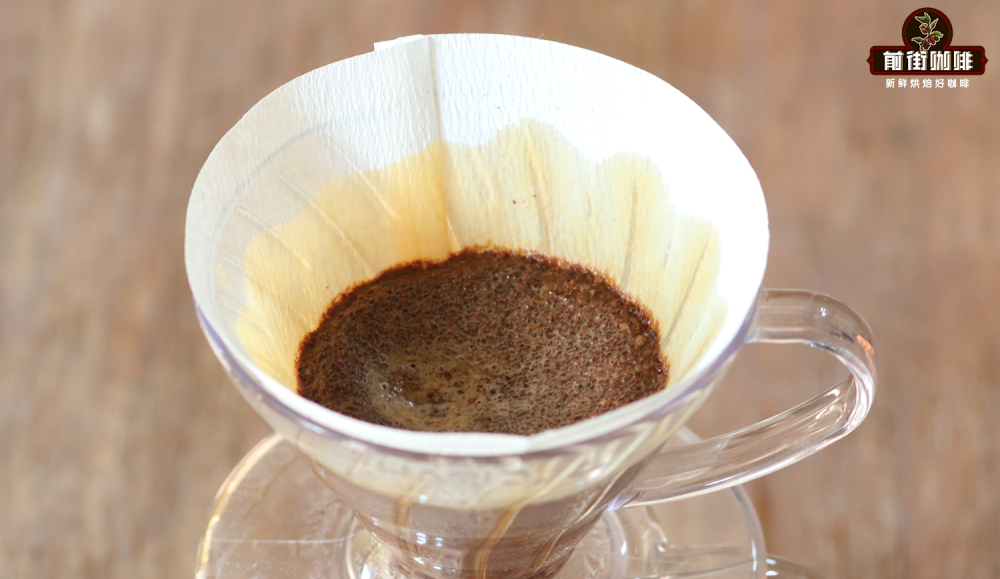
So, what practical factors during brewing can lead to this issue? Below, we’ll explore three common variables to help you identify the problem and make appropriate adjustments.
1. Too Much Water Poured During Blooming
The recommended amount of water for the blooming stage is usually around double the weight of the coffee grounds—for example, about 30 milliliters of water for 15 grams of coffee. But in practice, it’s easy to accidentally pour a bit more due to feel or habit. For instance, when using 15 grams of light roasted coffee beans, controlling the water volume at around 30 milliliters typically allows the coffee bed to maintain a good expansion state for about 30 seconds. However, if the water volume is increased to 40 milliliters and poured heavily in a small central area, the water level may rise quickly, and the expanded coffee bed might begin to sink in the center within just 20 seconds or so.
2. Pouring Technique That Is Too Forceful or Concentrated
During blooming, the general recommendation is to pour in a small circular motion starting from the center and moving outward. This helps ensure even heating and gas release. But if the water stream is too forceful—especially when concentrated in a small central area—the impact can push the coffee particles apart excessively, leading to localized looseness. Although the coffee bed initially expands due to gas release, once the gas is gone, the structure lacks enough support and is prone to collapse. Therefore, it’s best to maintain a stable and gentle water flow during pouring to avoid overly disturbing the coffee bed.
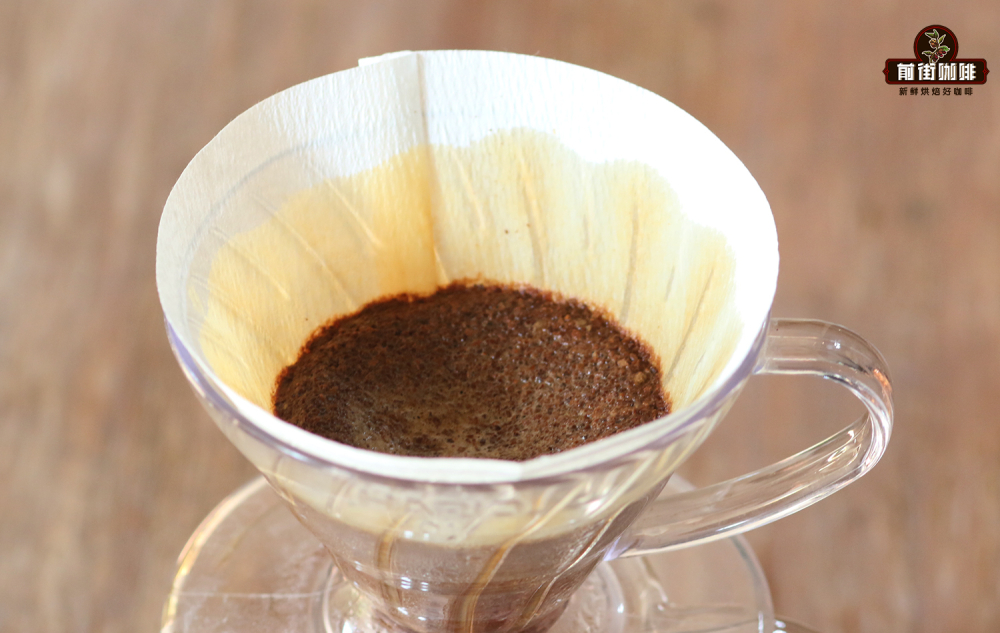
3. Coffee Grind Size That Is Too Coarse
Grind size is another key parameter that influences blooming performance. If the coffee is ground too coarsely, hot water tends to pass through the coffee bed too quickly without fully penetrating each coffee particle. As a result, although gases are released, the water does not adequately linger between the particles to provide sufficient structural support. In such cases, even if the coffee bed appears to expand initially, the internal structure is not tight enough, making it likely for the center to cave in shortly afterward. Generally speaking, medium-fine grind is recommended for light roasted coffee beans—you can fine-tune according to the pour over kettle's flow rate and your personal taste preferences.
In summary, while a collapsing coffee bed during blooming may not completely ruin a cup of coffee’s flavor, it does reflect potential areas for adjustment in water volume, pouring technique, and grind size. Observing the changes in the coffee bed not only helps us better understand the initial state of coffee extraction, but also serves as an important basis for adjusting overall brewing parameters. If you find that you often encounter similar situations during brewing, consider tweaking these three aspects step by step to find the blooming conditions that best suit your preferred flavor profile.
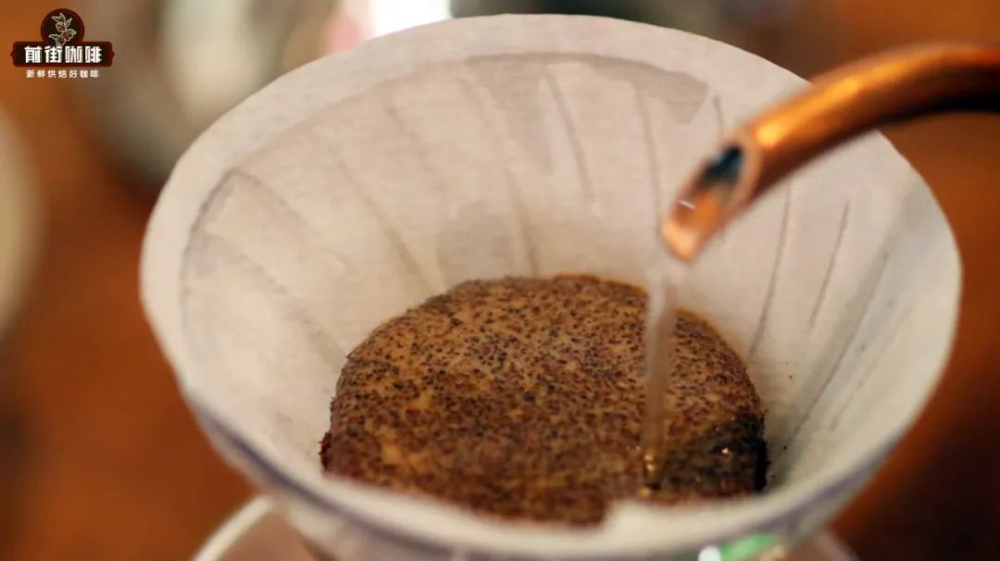
Remember, one of the charms of pour over coffee lies in the ability to fine-tune your brewing to bring out flavors that match your preferences. Though blooming is just the first step in the whole process, it’s a foundational element that influences all subsequent extraction. With more precise handling and observation, you’ll be able to face each brew with greater confidence.

The above content is compiled by CoffeeHunters, a coffee news website.


