







Introduction:From an obscure origin to becoming the spotlight of coffee competitions, the Huakui coffee beans have earned widespread market acclaim for their unique floral and berry flavors. This article takes an in-depth look at this sun-dried Ethiopian coffee from the Guji zone of Sidamo, covering its variety background, regional characteristics, processing method, flavor profile, and pour over parameters—helping coffee enthusiasts master everything from bean selection to brewing.
When it comes to Ethiopian Huakui coffee beans, many people first think of their standout performance in competitions and their distinctive floral and berry notes. Originally an unnamed sun-dried batch, it won the championship at the 2017 TOH (Top of the Harvest) green bean competition, and later defeated several popular Geisha varieties in Chinese pour over competitions, quickly becoming a focal point of the market. Not only that, its delicate sweetness and bright acidity also leave a deep impression. This article will detail the origin, variety traits, growing environment, processing techniques of Huakui coffee beans, and how to bring out its best flavors using the appropriate pour over method.
The origin of Huakui coffee beans is located in the Guji zone of Sidamo, Ethiopia—a coffee haven blessed with abundant natural conditions. Originally part of Sidamo, Guji was officially designated as an independent producing region by the Ethiopian Commodity Exchange (ECX) in 2010 due to its outstanding coffee quality. Adjacent to the renowned Yirgacheffe region, Guji features diverse terrain and deep black soils, with layers up to two meters thick, which help coffee roots absorb nutrients deeply. At the same time, the area generally sits above 1800 meters in altitude, with significant day-night temperature variations—providing ideal conditions for cultivating high-quality coffee. Local farmers rely almost entirely on leaf litter and natural organic matter rather than chemical fertilizers to nourish their coffee trees, forming the unique foundation of its flavor.
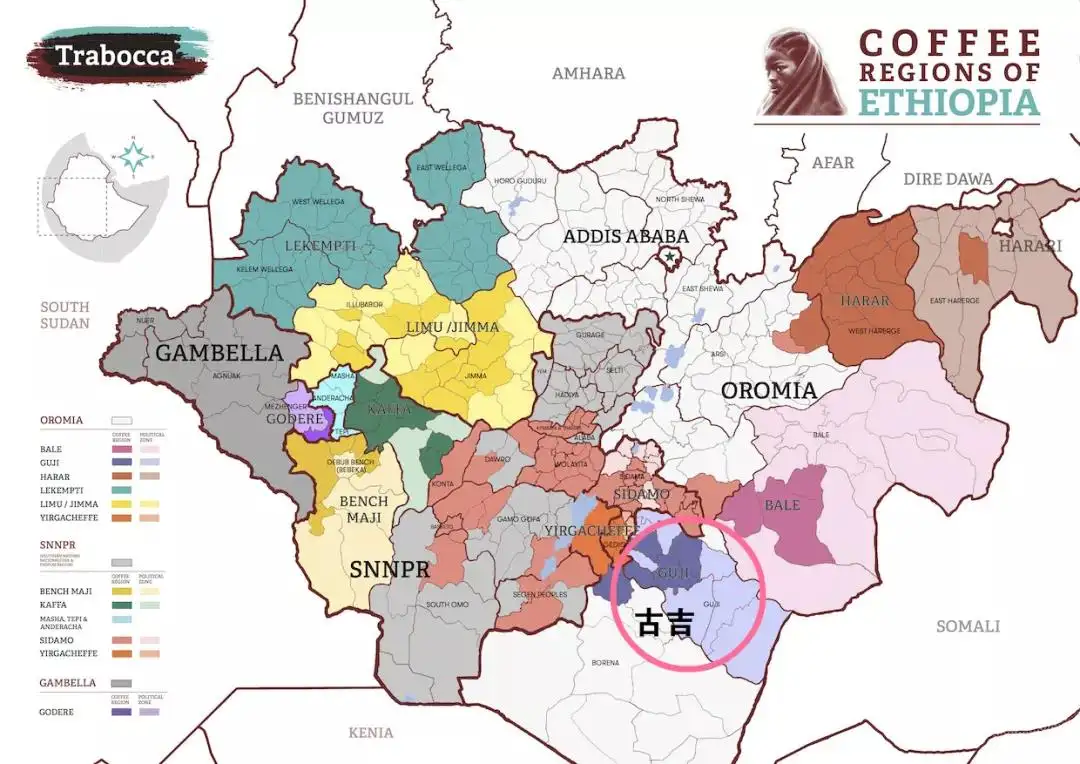
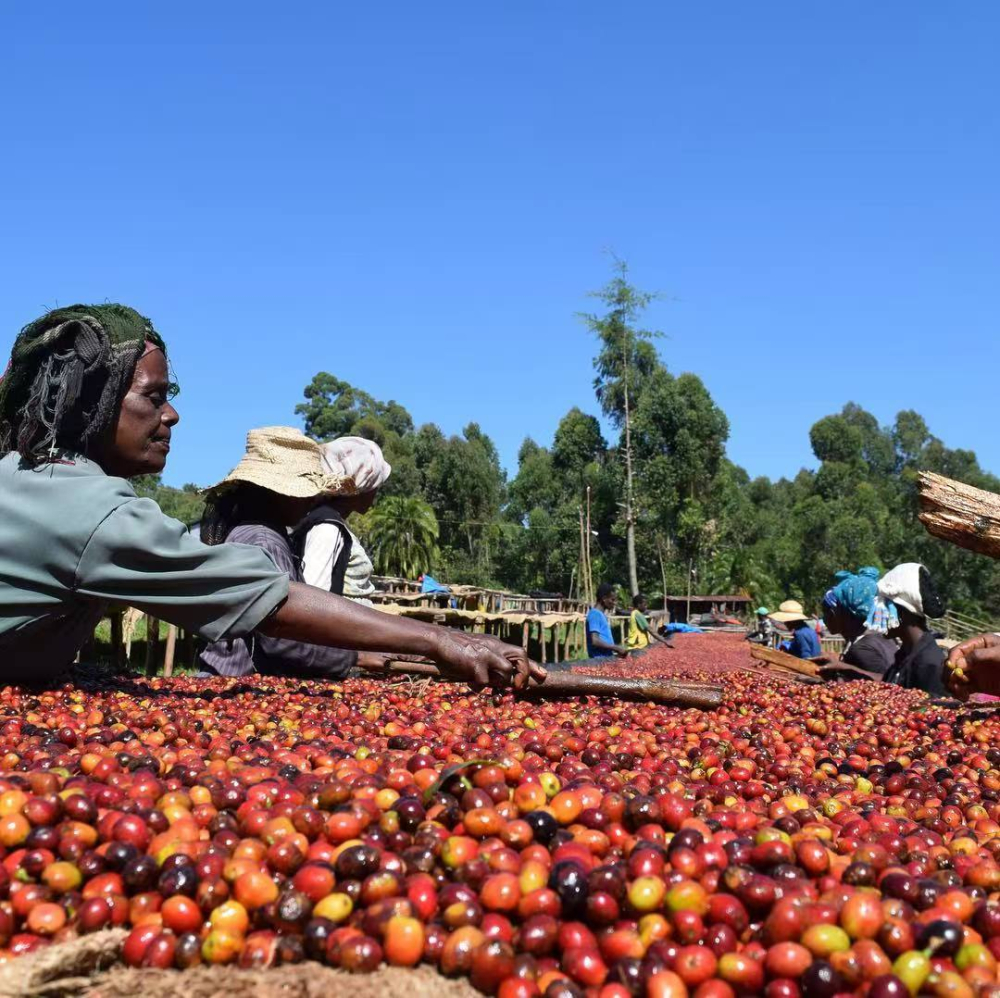
Administratively, the Huakui producing area is located in Oromia Region → Guji Zone → Shakisso → Hambella. The region’s reddish-brown organic soil, combined with ample rainfall and notable diurnal temperature differences, contributes to the coffee’s fine and well-rounded acidic-sweet balance. During harvest, farmers handpick only fully red coffee cherries, selecting only those with a sugar content of 21 or higher for traditional sun-drying. The sun-drying process incorporates modern scientific management, preserving the essence of traditional techniques while improving the stability and sweetness of the final flavor.
The potential of these premium sun-dried beans quickly caught the attention of DW Coffee, an Ethiopian green bean company. In 2017, the company submitted a sun-dried batch from the Buku washing station in Guji to the TOH East African Green Bean Cupping Competition. The result? It won the championship with its intense berry flavors, creamy mouthfeel, and high sweetness. In the same year, a Chinese green bean importer brought in the batch and gave it the evocative name “Huakui” (meaning “Flower Consort”), highlighting its elegant and captivating flavor profile. Even more impressively, during the 2017 China Brewing Championship, contestant Li Jianfei used this batch of Huakui beans to defeat numerous Geisha entrants, propelling this Ethiopian sun-dried coffee to instant fame.
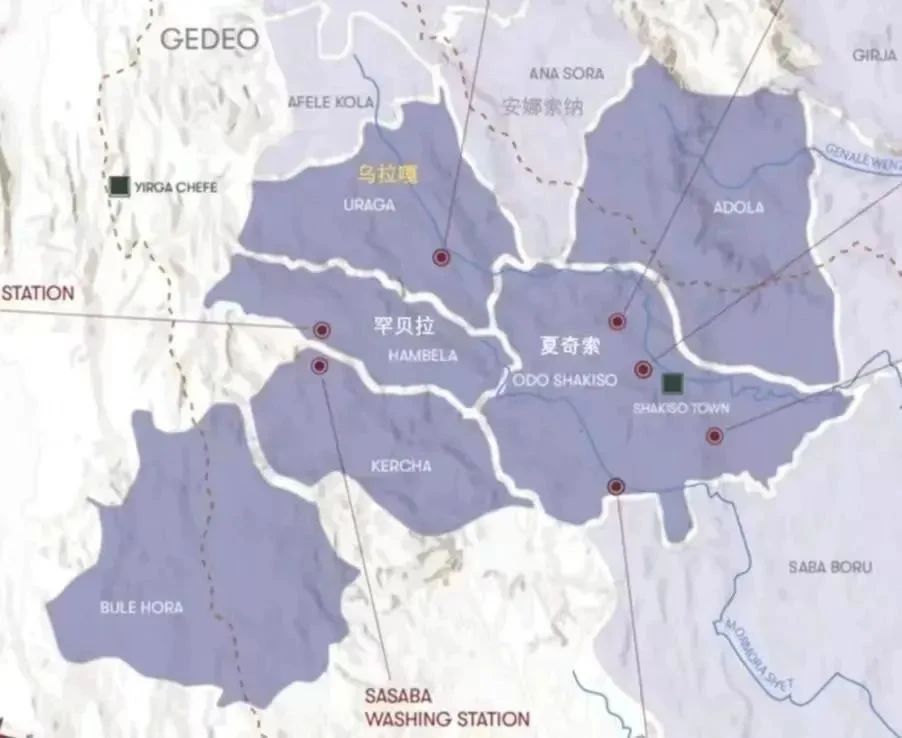
Later, a company established multiple washing stations in the Dimtu area of the Hambella core region, including Buku Abel, Buku Saysay, Haro Soresa, and Tirtiro Goye, with an annual production of about 1100 tons. However, only the sun-dried batches from the Buku Abel washing station qualify to be called “Huakui.” Currently, all Huakui beans sold by a certain brand on the market come from this washing station, ensuring consistent flavor and high quality.
As for why there are multiple “X.0” series of Huakui? In fact, the original winning batch from 2017 is the authentic “Huakui,” but because crops vary slightly each year due to climate and soil changes, the flavor profiles differ marginally. Therefore, starting in 2018, DW began naming subsequent sun-dried Huakui beans from the Buku washing station by year—for example, 2018 became Huakui 2.0, and by 2024, the Huakui 8.0 series has been launched—to make it easier for consumers to identify and choose.
It’s worth noting that “Huakui” is a market name; the actual variety is Ethiopian Heirloom. As the birthplace of Arabica coffee, Ethiopia is home to thousands of native varieties, many of which are wild or semi-wild and difficult to genetically identify one by one. As a result, the local government collectively refers to them as “Heirloom,” both preserving varietal diversity and maintaining their mystery and uniqueness. Observations show that these native varieties typically have smaller beans with slightly irregular shapes, mostly falling between 14–15 mesh, and often exhibit elegant floral and fruity notes during cupping—qualities that are highly favored in the market.
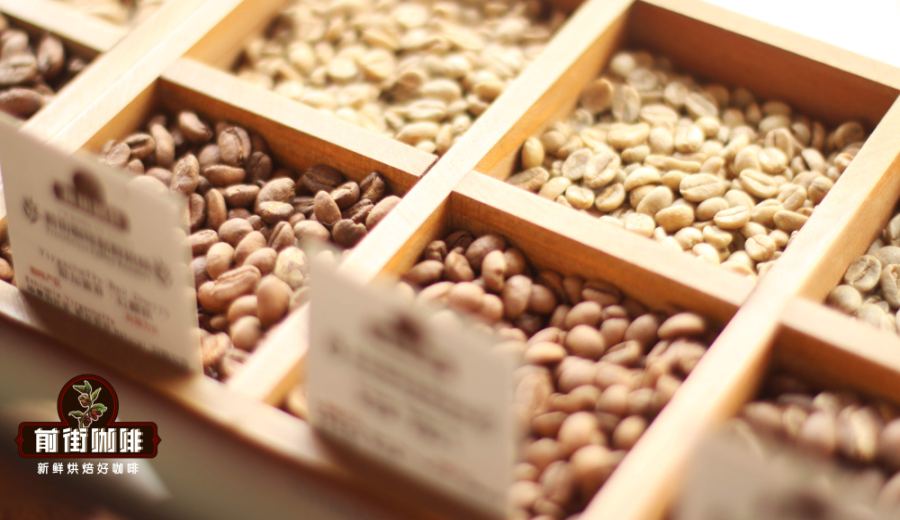
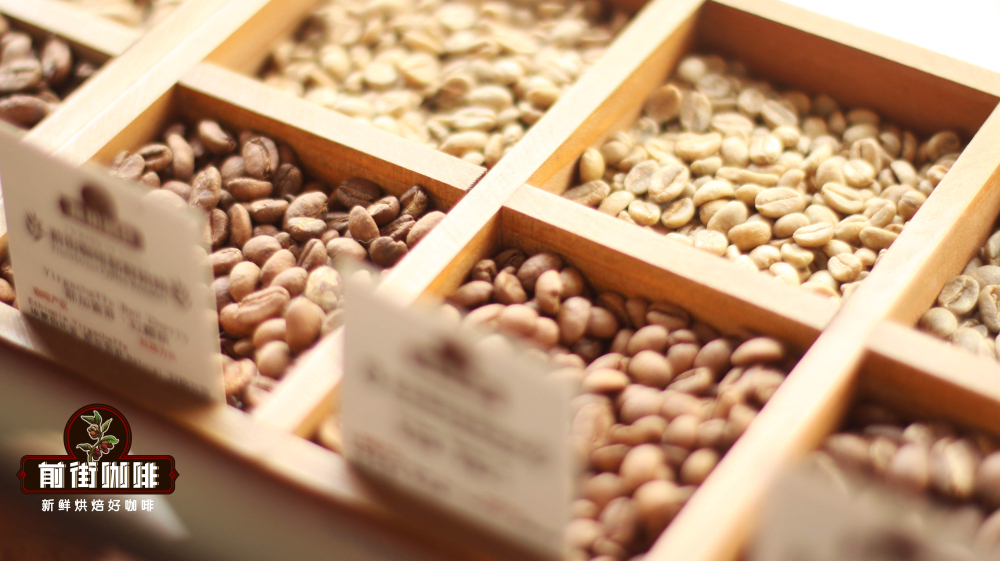
When you get your hands on a certain brand’s Sidamo Huakui 5.0 green beans, you’ll immediately notice a distinct fermented coffee flower aroma, a sharp contrast to the grassy scent of typical green beans. The beans vary in size, with some tips being slightly pointed, a moisture content of about 11%, and overall higher density. During brewing, it’s recommended to extend the initial drying phase and moderately increase the temperature before the first crack to preserve more delicate floral notes and aromatic compounds, preventing their loss.
The following pour over parameters are recommended to fully showcase the layers and aromas of Huakui coffee beans:
- Dripper:V60 #01
- Water temperature:90-91°C
- Coffee dose:15 grams
- Coffee-to-water ratio:1:15
- Grind size:Medium-fine grind (approximately 80% passing through a Chinese standard #20 sieve)
Pour over steps (three-stage extraction):
- First, pour 30 grams of water for the bloom, for about 30 seconds
- Then, pour water in small circles until reaching 125 grams for the first pour
- When the water level drops slightly and is about to expose the coffee bed, continue pouring to 225 grams and then stop
- Total extraction time should be controlled around 2 minutes, adjust slightly as needed
Flavor profile after brewing: The cup opens with prominent floral and berry acidity and sweetness, accompanied by refreshing notes of citrus and plum. The mid-palate delivers sweet, juice-like mango flavors, and the finish transitions into the soft, honeyed sweetness of black tea—offering a richly layered and long-lasting aftertaste.
The above content is compiled by CoffeeHunters, a coffee news website.


