







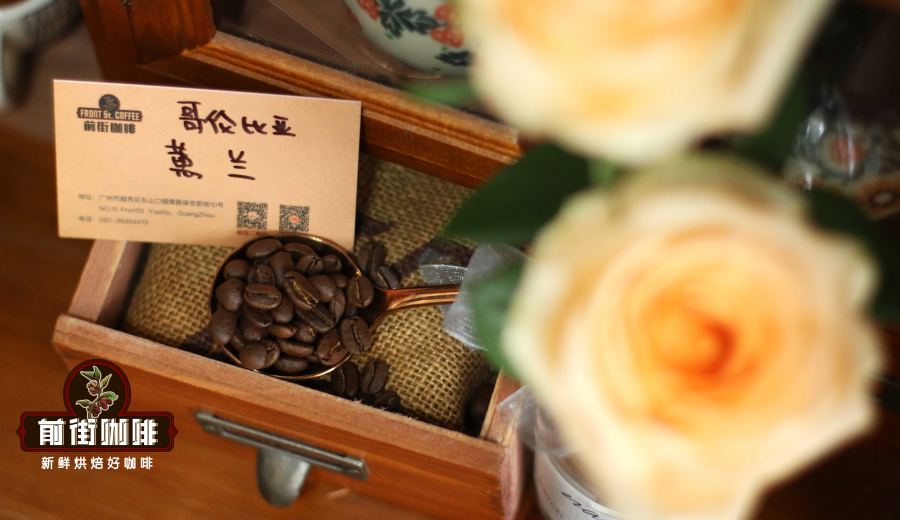
Introduction:Colombian coffee is renowned for its well-defined layers and balanced acidity-sweetness profile, making it a classic choice for pour-over enthusiasts. This article delves into the flavor differences across Colombia’s major producing regions, mainstream processing methods, and signature varieties. It also provides practical V60 pour-over parameters and steps to help you master brewing essentials and appreciate the diverse charm of Colombian coffee.
Colombian coffee has always held an irreplaceable position in the global specialty market. Its standout features are balanced flavors, bright acidity, and a long, lingering aftertaste. Not only is it ideal for single-origin enjoyment, but it’s also commonly found in premium blends, lending nutty and caramel foundations to espressos or lattes. This article will guide you through a comprehensive understanding of Colombian coffee—from regional distribution and variety characteristics, to processing evolution and practical pour-over tips—helping you unlock its optimal flavors through brewing.
Colombia’s coffee regions are diverse, with distinct flavor profiles
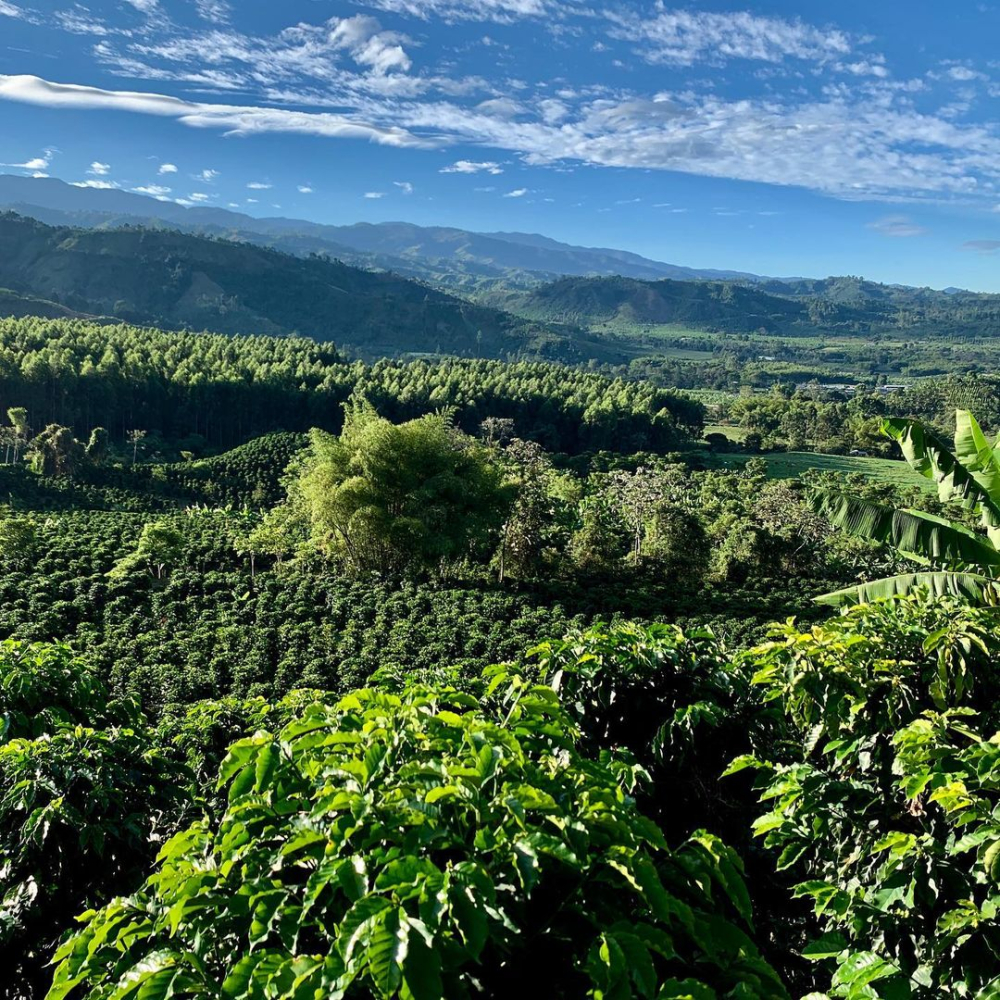
As the world’s third-largest coffee producer, Colombia boasts varied terrain and climates spanning tropical rainforest, subtropical, and highland zones, along with over 80 microclimates. This diversity creates a rich array of coffee profiles. The main production areas are concentrated in high-altitude plateaus between 1,200 and 2,000 meters, particularly in southern regions like Huila, Cauca, Nariño, and Tolima, all famed for their refined single-origin beans. These regions typically produce coffees with bright fruity acidity, rich berry notes, and sweet aftertastes of caramel and nuts—ideal for those who appreciate layered flavors.

The northern Santander (and North of Santander) region, at elevations of around 1,400–1,600 meters, takes a markedly different flavor approach compared to the south, often exhibiting strong herbal and earthy tones with lower acidity but a persistent sweetness. It’s an alternative choice for those who prefer bold flavors.
Quick guide to notable micro-regions’ flavors
Huila Province, located in the central southern mountains of Colombia, benefits from high altitudes and abundant water sources, yielding coffees with pronounced floral, berry, and honey sweetness. Many smallholder farmers here produce in micro-lots, showcasing more distinctive regional terroir. Cauca Province is Colombia’s officially certified coffee origin region, with elevations generally exceeding 1,750 meters. Its volcanic soils and single rainy season result in more regular flowering and harvesting cycles, often producing wines with red wine-like acidity and vibrant fruit aromas. Tolima and Nariño operate under cooperative models, where high altitudes and full-shade cultivation enhance flavor delicacy and complexity.
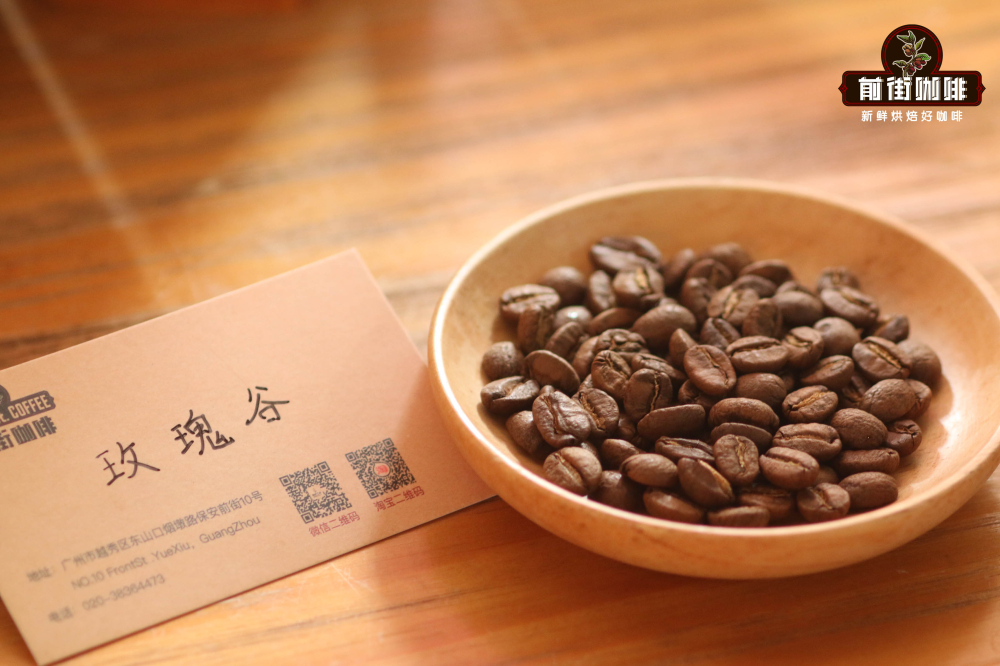
For example, the ‘Grand Tree Estate’ in Santander produces Rose Valley coffee beans grown at 1,700 meters, processed via anaerobic enzymatic washed method with the Caturra variety. These beans often exhibit distinct rose, peach, and liquor chocolate notes, with a juice-like freshness on the palate—a standout premium representative in recent years.
Introduction to common Colombian coffee processing methods
Colombian coffee employs a wide range of processing methods, from traditional washed to modern anaerobic fermentation. Washed processing is the most common traditional technique, removing the pulp and mucilage through fermentation to highlight clean, bright acidity and fruitiness. It effectively showcases regional characteristics while maintaining balanced flavors and minimizing off-notes.
Anaerobic natural involves fermenting in an oxygen-free environment before sun drying, enhancing sweetness, body, and introducing wine-like aromas and unique fruit notes. Anaerobic enzymatic washed processing extends fermentation time by controlling oxygen exposure to extract rounder sweetness and finer acidity. Double anaerobic washed further intensifies fermentation layers, often yielding richer fruitiness and body. Additionally, experimental methods like rum barrel fermentation involve resting washed beans in aged rum oak barrels for months, imparting distinctive wine and woody notes.
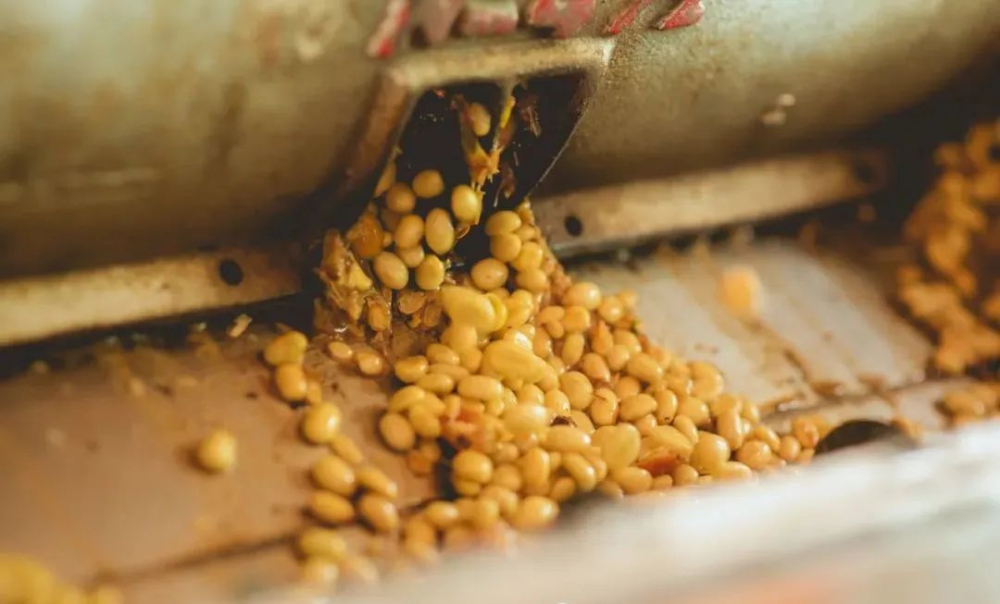
These innovative processing methods not only boost Colombia’s global competitiveness but also allow consumers to explore diverse flavor expressions at reasonable prices—especially appealing to pour-over enthusiasts experimenting with different processing styles.
Characteristics of Colombian coffee varieties
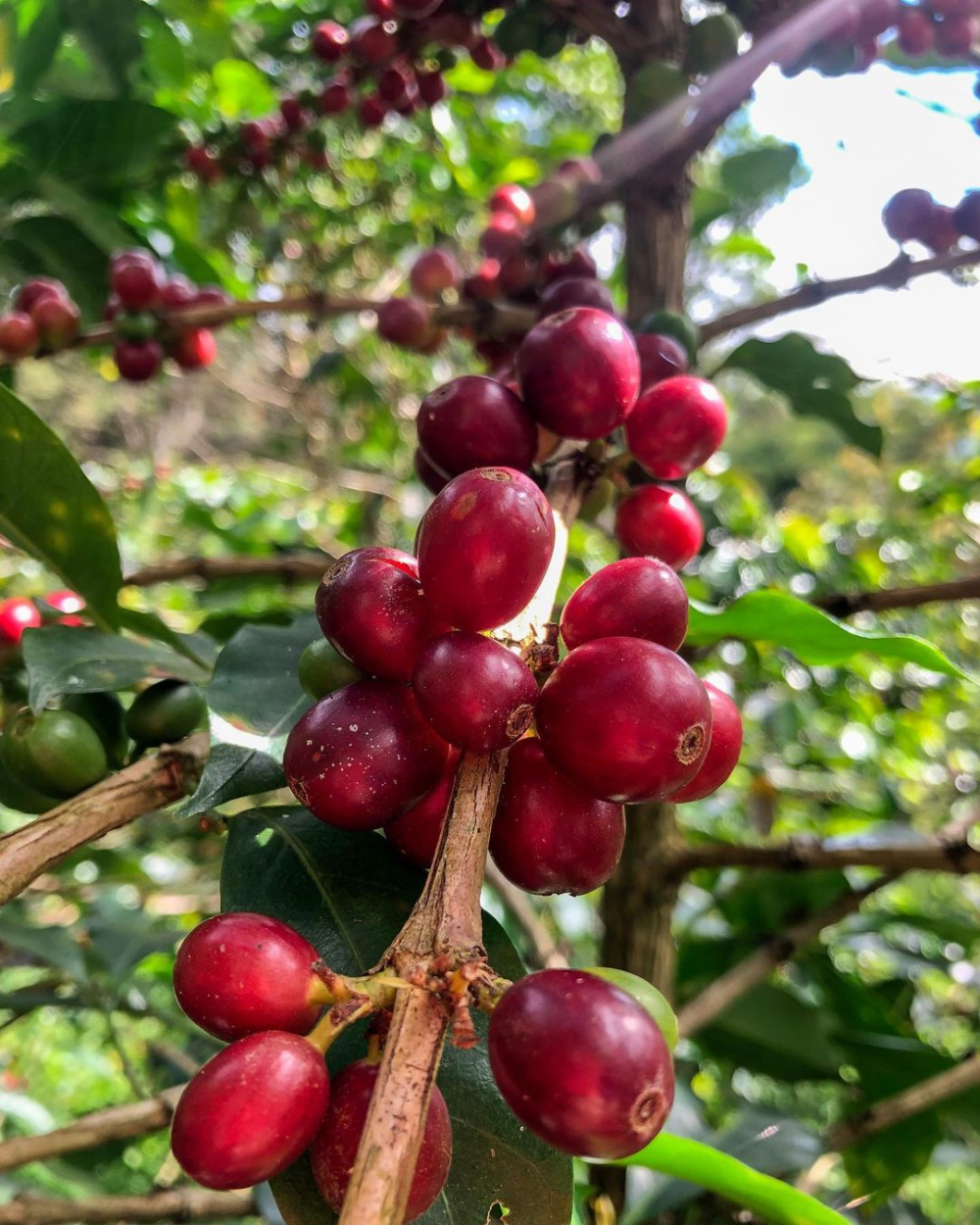
Major varieties grown in Colombia include Caturra, Catuaí, and Castillo. Caturra, a natural mutation of Bourbon, features a compact tree structure, high yield, but weaker disease resistance. It offers bright acidity and concentrated flavors, widely planted across Central and South America. Catuaí, a hybrid of Caturra and Mundo Novo, boasts strong wind and rain resistance, with firm fruits that are harder to harvest. It comes in red and yellow variants, with the red often exhibiting more balanced acidity-sweetness.
Castillo, developed by Colombia’s coffee research institute (CENICAFE), is a leaf rust-resistant variety that became mainstream after 2005. It delivers stable yields and good disease resistance, though its flavor profile isn’t as vivid as traditional varieties. However, its stability makes it suitable for large-scale cultivation and commercial use.
Colombian coffee bean grading and selection
Colombian coffee is graded by bean size and defect rate. Generally, larger, more uniform beans with fewer defects are of higher grade, often indicating better flavor potential. When purchasing, consider factors like region, processing method, and variety—all key to the final flavor profile.
V60 pour-over practical parameters for Colombian coffee
To brew Colombian coffee at home with its characteristic layers and fruitiness, the V60 filter cone is recommended. Its wide design and spiral ribs enhance gas release efficiency, helping to clearly extract acidity and aroma—perfect for highlighting Colombian coffee’s bright tones.
Recommended parameters: Water temperature around 90°C, grind size slightly coarser than fine sugar (e.g., EK43s setting 10), coffee dose about 15 grams, coffee-to-water ratio of 1:15. Brewing can be divided into three pours: First, pour 30 grams of water for 30 seconds of bloom; then pour 95 grams(total ~125 grams) over about 1 minute; finally, when the liquid level drops to the coffee bed 2/3 , pour the remaining 100 grams(total ~225 grams) over approximately 1 minute 40 seconds. Total drip time should be controlled within 1 minute 55 seconds to 2 minutesto achieve a balanced, sweet-and-acidic Colombian pour-over.
Different regions and processing methods yield distinct pour-over results: Huila often presents nutty, chocolatey, and caramel notes with a full body; Rose Valley highlights peach, rose, and liquor chocolate with balanced acidity-sweetness; Flower Moon Night features strawberry, jam, and cocoa tones, vibrant and juicy.
The above content is compiled by CoffeeHunters, a coffee news website.


