







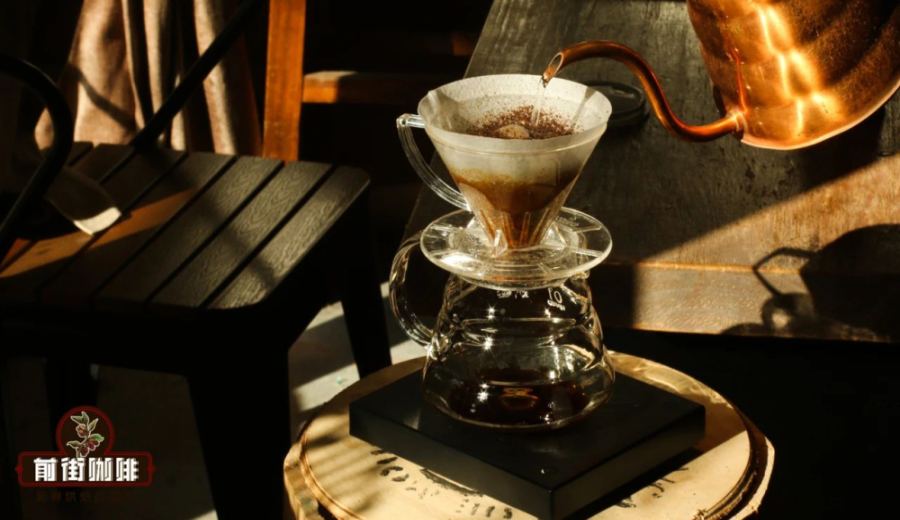
Introduction:The key to brewing an ideal pour over coffee at home does not lie in complicated steps, but in mastering the core essentials of each stage. This article systematically breaks down all elements of pour over brewing — from water quality, the freshness and storage of coffee beans, appropriate grind size, filter choice and equipment selection, to the specific techniques of blooming and pulse pouring. Whether you’re just getting started or looking to optimize your brewing process, you’ll find practical parameter suggestions and detailed adjustment tips here.
The charm of pour over coffee lies in its ability to bring out the layered flavors of the beans through delicate handling. But many people encounter problems such as uneven extraction or poor flavor when brewing at home, often due to a lack of understanding of basic principles. Once you master the right parameters and procedures, anyone can consistently brew a satisfying cup of pour over coffee.
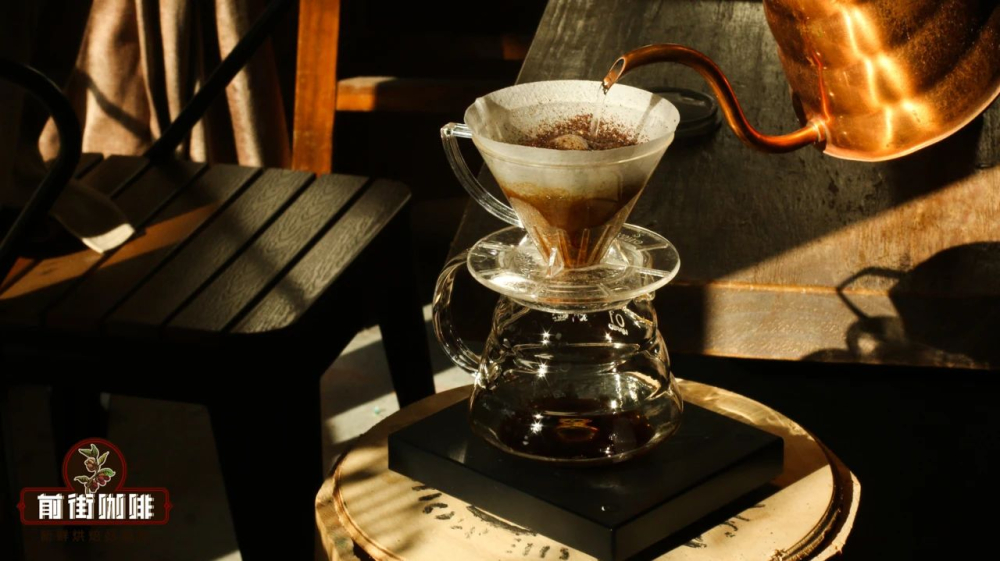
Starting with the water source, water quality is a key factor influencing coffee flavor. It’s recommended to avoid using unfiltered tap water, and instead opt for filtered water, purified water, or mineral water. Though they may all look like “clean water,” the proportion of minerals such as calcium, magnesium, potassium, and sodium in different sources can significantly affect extraction efficiency and flavor expression. For example, water high in calcium and magnesium usually enhances the sweetness and body of the coffee, but excessive sodium may introduce off-flavors. Practical tests have shown that brewing the same coffee beans with different types of water yields distinguishable differences in flavor profiles and details.
When selecting coffee beans, single-origin beans are better at showcasing regional characteristics. It’s especially recommended to purchase products that provide information on origin, variety, and processing method. Freshness of roast is also crucial — it’s generally advised to choose beans roasted within 7 days to 1 month, and allow them to rest for 4–7 days before brewing, when their flavors are most rounded. Coffee beans stored for more than a month will show a noticeable decline in aroma and complexity, so long-term hoarding is not recommended.

In terms of equipment, the primary consideration for a pour over kettle is stable water flow. Beginners are recommended to use gooseneck kettles, which make it easier to control the flow rate and direction. There are various choices for filter cones, among which the Kalita Wave, with its flat bottom and three-hole design, reduces variables and delivers a soft, balanced taste — making it suitable for beginners exploring pour over. The Kono is a single-hole filter cone, ideal for drip-style extraction with a gooseneck kettle, excelling at highlighting the richness and aroma of dark roasts. The Hario V60 is the most widely used filter cone, with its three-stage pouring method easy to adjust and broadly applicable, capable of highlighting different flavor layers, though it demands higher stability. When using filter paper, it’s recommended to choose bleached versions to avoid paper pulp taste, and select the corresponding size based on the filter cone model.
Grind size has a huge impact on extraction. Coffee grounds that are too fine can lead to over-extraction, resulting in bitterness and off-flavors; too coarse may cause under-extraction, leading to thin flavors. For pour over, medium-fine grind is generally recommended — similar in coarseness to white sugar — to achieve a better balance. Different grinders may have varying scale markings, so slight adjustments can be made based on actual brewing results.

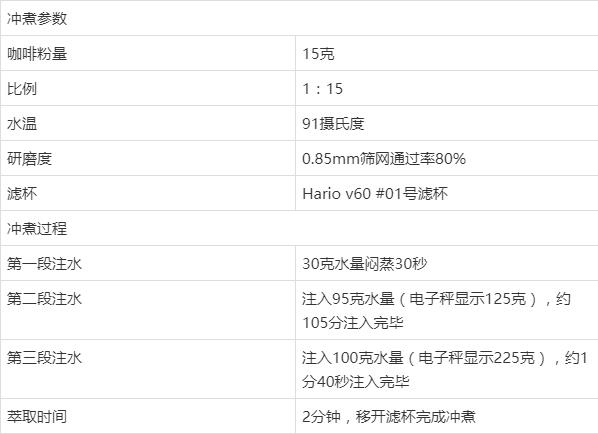
Water temperature is another critical parameter. For light to medium roast beans (such as Ethiopian or Colombian), it’s recommended to use 90–91°C to fully highlight fruit acidity and sweetness; for medium to dark roasts (such as Sumatra or Brazilian dark roasts), 85–88°C is suitable, helping to bring out body and low acidity. Before brewing, adjust the water temperature according to bean type and roast level to find the optimal performance conditions for that particular batch.
Blooming is a step that should not be overlooked in the pour over process. Its purpose is to release carbon dioxide from the coffee grounds, allowing subsequent water to permeate evenly. Freshly roasted beans typically show obvious bubbling during blooming, and the same goes for dark roasts. Proper blooming involves gently leveling the coffee bed without pressing it down firmly, then evenly pouring hot water equal to about twice the weight of the coffee grounds (for example, 30 grams of water for 15 grams of coffee) within 30–35 seconds, until the surface of the coffee bed slightly contracts. Too short a time can lead to uneven extraction, while too long may bring out unnecessary off-flavors.

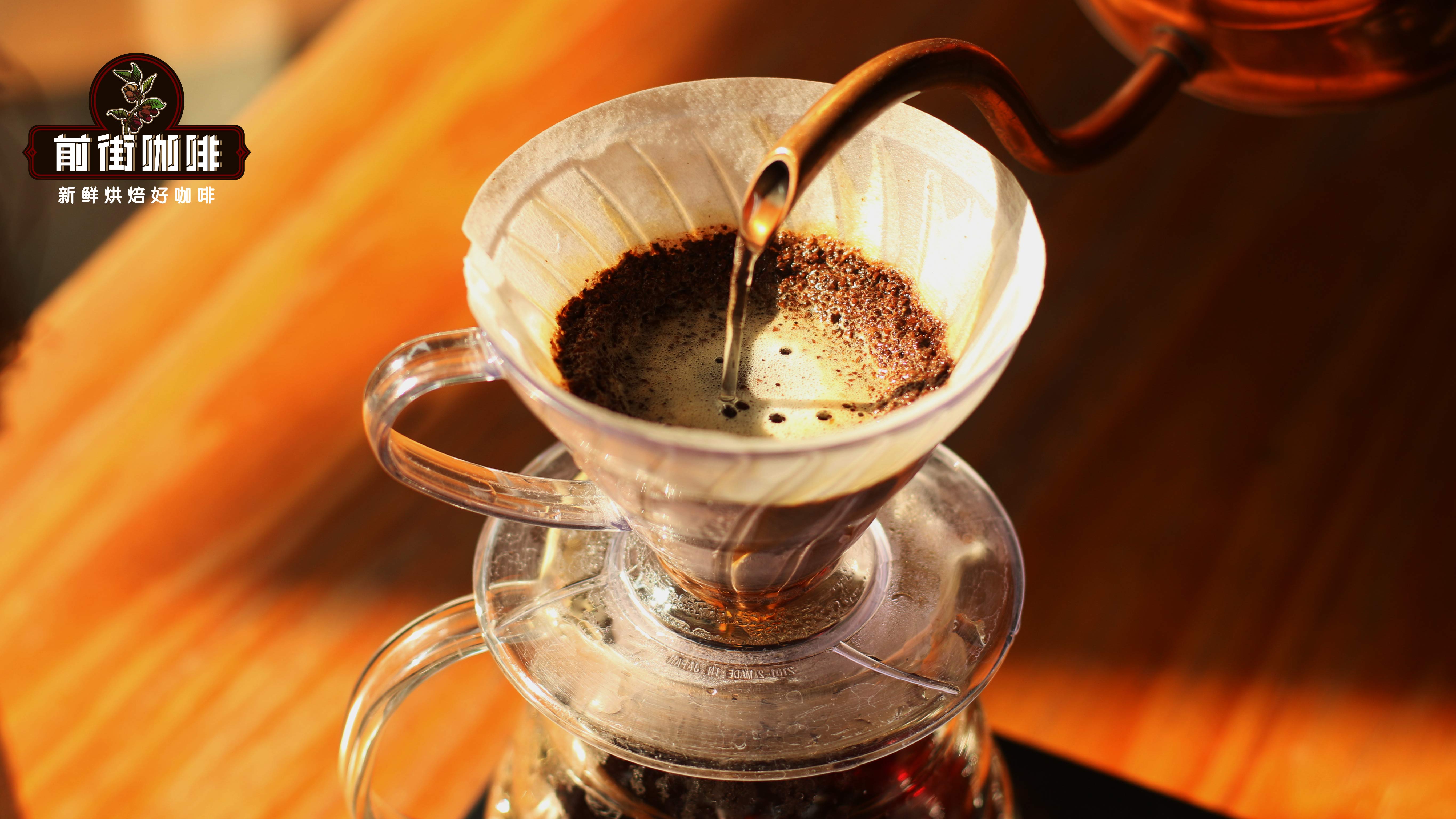
Finally, pouring technique is key to determining the flavor expression of the coffee. It’s recommended to use a pulse pouring method, such as the classic three-pour technique: the first pour is a small stream used for initial wetting after blooming (for example, adding 125 grams of water); once the water level drops by about half to two-thirds, a slightly larger stream is used for the main extraction (e.g., adding more to reach 225 grams). This approach not only helps maintain a stable brewing time (usually completing within about 2 minutes), but also makes flavors clearer and more distinct. Additionally, keep the water flow steady throughout, avoiding sudden changes in pressure, and when pouring in circles, try to focus on the center of the coffee bed to reduce channeling effects.
The above content is compiled by CoffeeHunters, a coffee news website.


