







Introduction:Ethiopia is the birthplace of Arabica coffee, home to nearly 2000 registered varieties, which contribute to its extraordinary diversity in coffee flavors. This article provides an in-depth analysis of the country’s four major farming models, three mainstream processing methods, and explores how varietal complexity affects bean size, appearance, and roast performance. Through real-world examples, it helps you better understand the unique charm and potential of African coffee.
As one of the world’s most important coffee-producing regions, Ethiopia is the birthplace of Arabica coffee. Its coffee variety diversity is unparalleled globally, with nearly 2000 registered varieties to date, including 1927 native varieties and 128 introduced ones. This rich genetic pool makes Ethiopia a “botanical garden” of the coffee world, not only exhibiting a wide range of appearances but also offering exceptionally layered flavor profiles.
If you’ve observed African green beans, you may notice that Ethiopian coffee beans, compared to other regions such as Kenya, are more prone to inconsistencies in size and uniformity. Whether it’s Yirgacheffe or Sidamo, washed or natural, even within the same batch, there can be noticeable differences in bean size and roast color. This phenomenon is closely related to the region’s vast number of varieties and the commonly used centralized processing methods.
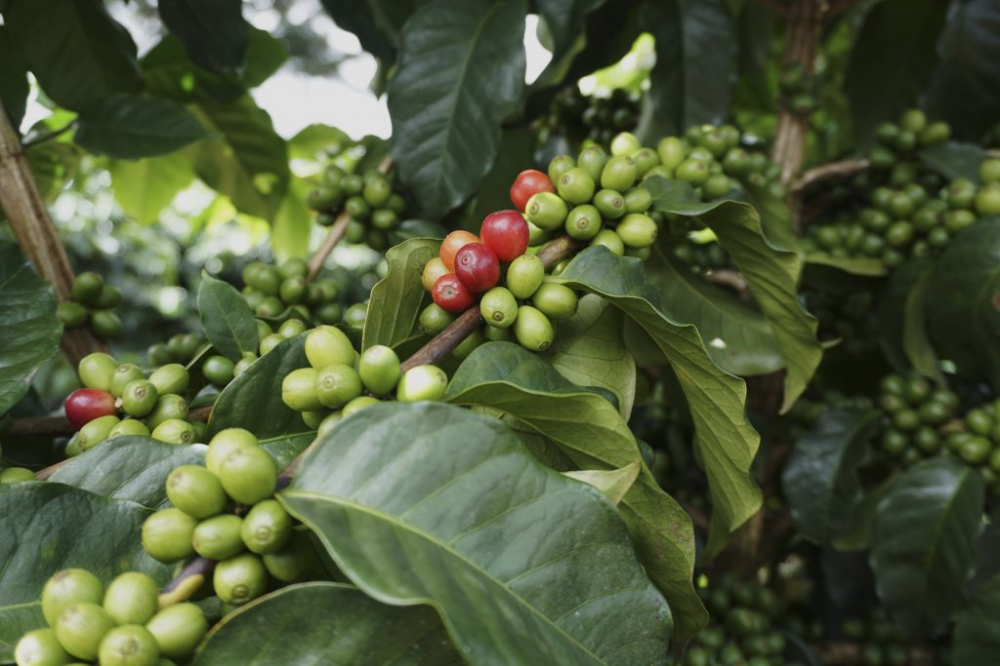
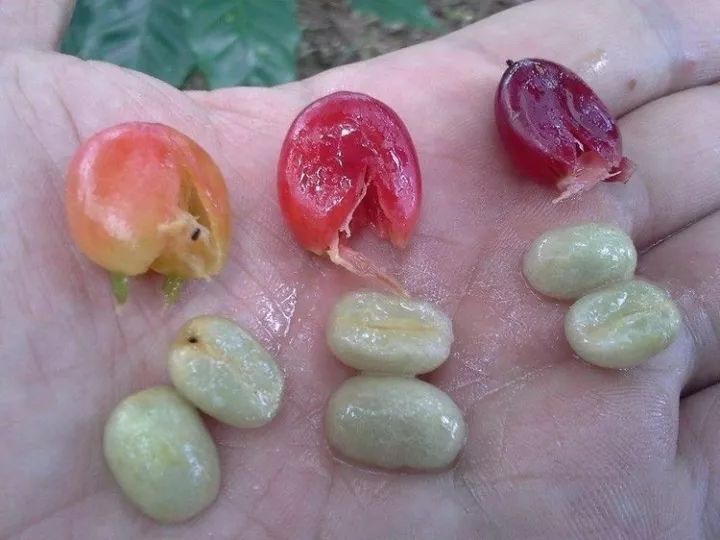
To understand the appearance and structure of coffee beans, we need to start with the basic anatomy of the coffee cherry. A whole coffee fruit, from the outside in, consists of the outer skin (exocarp), mesocarp (pulp), mucilage layer, parchment (also known as the silver skin layer), silver skin (endocarp), and the innermost seed. Commercial green beans usually still retain the silver skin and are only dehulled before sale, removing the silver skin to leave the familiar green beans.
Ethiopian coffee varieties are not only astonishing in number, but also extremely varied in appearance. Elongated beans can be found in many producing regions across the country, especially more common in western areas such as Jimma, Limmu, and Kaffa. For example, a well-known brand’s Kaffa Forest series includes several elongated beans that often produce a distinct orangey aroma and honey-like sweetness reminiscent of Geisha when brewed. In contrast, regions like Sidamo or Yirgacheffe have a much lower proportion of elongated beans.
Another commonly seen small-sized variety has a roundish shape, typically ranging between 14 and 15 mesh sizes, and is the type most consumers are familiar with. These beans are widely cultivated in regions such as Sidamo, Yirgacheffe, as well as nearby Arsi and Guji. Popular products such as certain well-known offerings like Huakui, Guodingding Cooperative, and Hamashu mostly fall into this category of miniature native varieties.
Beyond the inherent high diversity of varieties, Ethiopia’s coffee farming and harvesting models further exacerbate the mixing of different varietals. The country’s coffee cultivation can mainly be divided into the following four types:
● Forest coffee (about 8–10%): Coffee trees grow entirely in pristine forests, coexisting with other plants without any human intervention, and are harvested periodically by farmers.
● Forest–semi-forest coffee (about 30–35%): Planted in areas at the interface of forests and human settlements, although still primarily naturally grown, these receive some degree of management by farmers and are often intercropped with other cash crops.
● Garden coffee (about 50–55%): Planted around farmers’ homes by the farmers themselves, this is the most common cultivation model. The harvest is often sent to nearby processing facilities or sold to middlemen.
● Plantation coffee (about 5–6%): Large private farms equipped with complete processing facilities and production capacity, which can better ensure consistency in variety and processing.
Taking Sidamo and Yirgacheffe as examples, most coffee falls under the garden coffee model. Farmers plant around their homes, and after harvest, the beans are sent to processing facilities for unified processing. However, due to the diverse sources, different varieties are often mixed during processing, resulting in significant variability in the quality and flavor profile of the final green beans. Many beans produced by processing mills or cooperatives exhibit such flavor variability precisely because they combine multiple varieties and processing batches. For example, some well-known cooperatives and products, such as Guodingding Cooperative, Kongga Red Cherry, and Worka Cooperative, each showcase unique flavor profiles despite being from similar origins.
Ethiopian coffee processing methods are mainly divided into natural (dry), washed, and semi-washed (honey), each significantly influencing the final flavor profile.
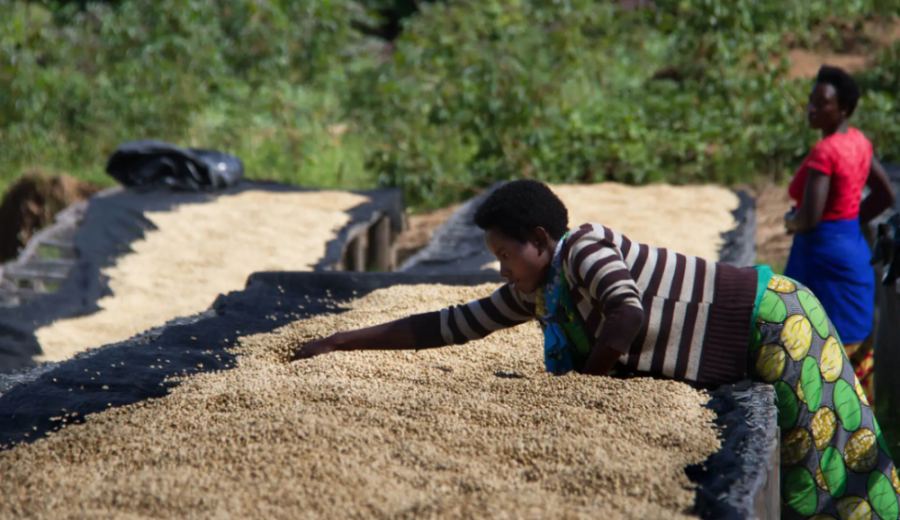
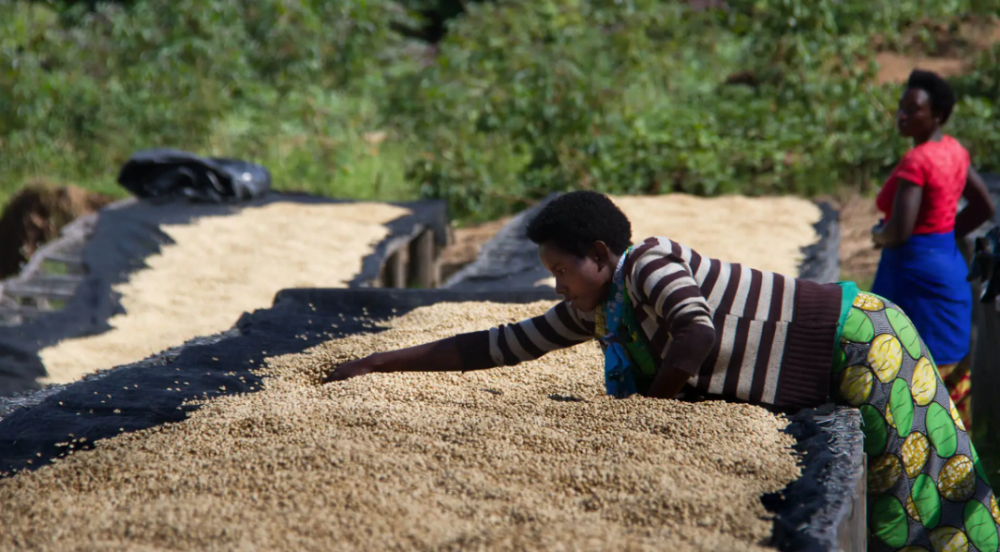
The natural process, also known as the dry process, is the most traditional method. Harvested coffee cherries are spread directly on drying beds, turned regularly to ensure even exposure to heat until the pulp moisture content drops to about 12%, after which the outer layers are mechanically removed. The process flow is: sun drying – pulping – impurity removal – hulling – grading – packaging. Natural beans usually retain more silver skin, have a less smooth appearance, but lose less silver skin during roasting, often exhibiting intense fruitiness and sweetness. Representative products include certain well-known brands’ Geisha Village Red Label, Kaffa Forest, and Huakui.
The washed process, also called the wet process, demands a higher-quality environment with a stable water supply. The process starts with floatation to remove impurities, followed by pulping and fermentation to remove the mucilage layer. Fermentation time varies based on conditions, typically ranging from 8 to 48 hours, with strict contamination prevention required. The process flow is: floatation – pulping – fermentation – washing – drying – hulling – grading – packaging. Washed beans have a smooth appearance with little silver skin, offer clear and consistent flavors, and have bright acidity, making them a preferred processing method for many specialty coffees. Representative products include certain well-known brands’ Yirgacheffe and Guodingding.

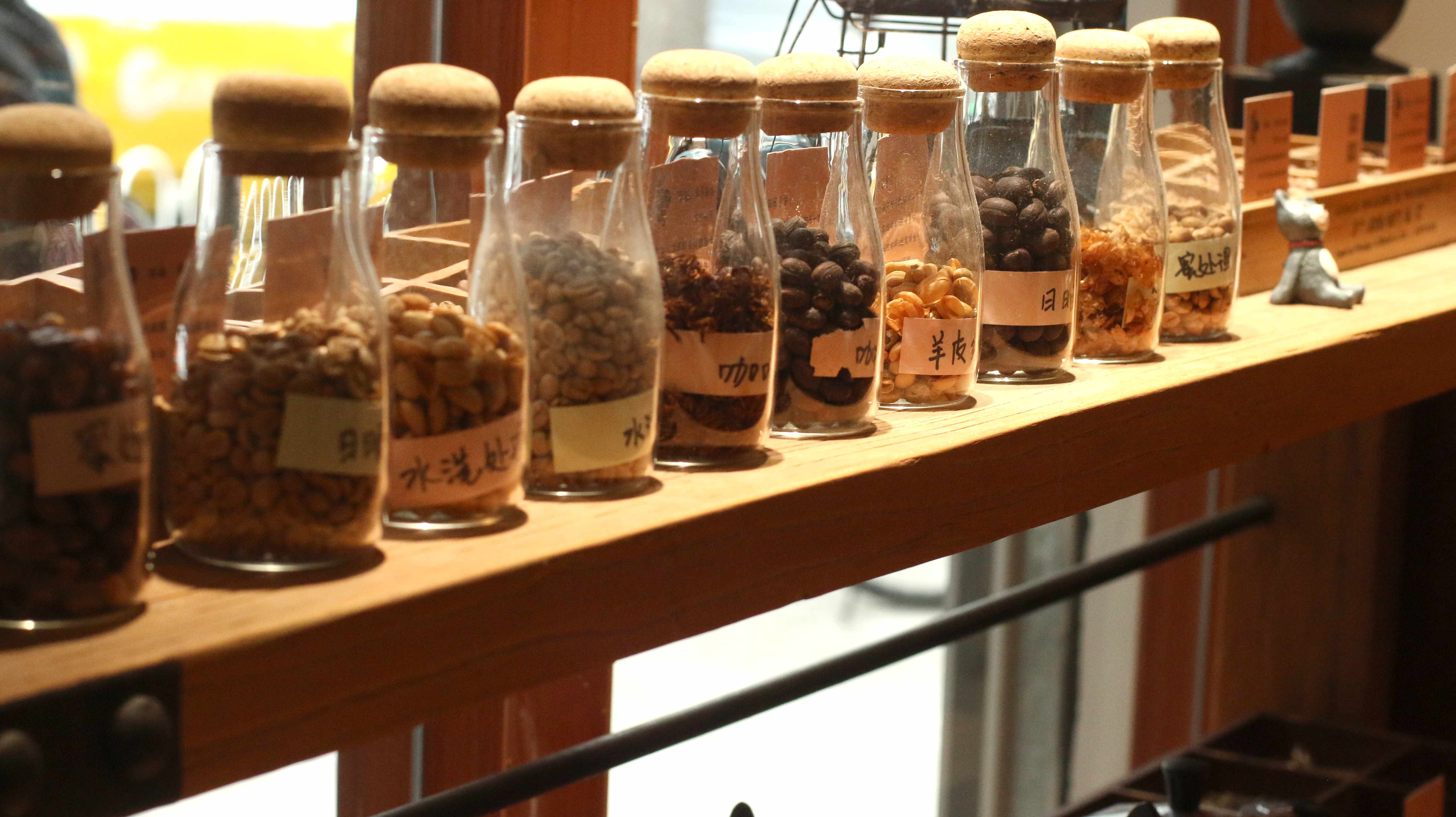
The semi-washed process is a method between natural and washed. It involves removing the fruit skin and part of the mucilage first, then rinsing with water, and finally drying the beans in the sun. The resulting coffee beans usually have a sticky surface due to residual mucilage on the parchment. The process flow is: floatation – pulping – washing – sun drying. This method is used in some regions to balance flavor and cost, and is suitable for processing needs under specific climatic conditions.
The above content is compiled by CoffeeHunters, a coffee news website.


