







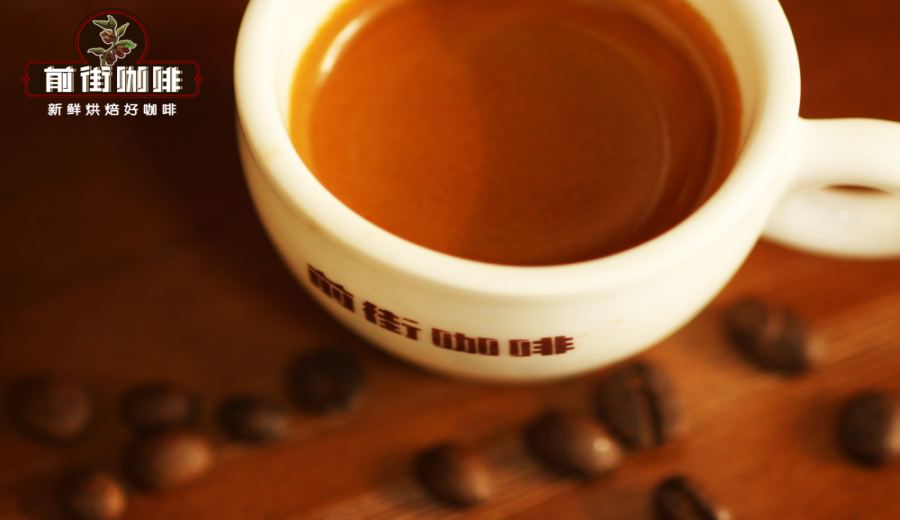
Introduction:SOE (Single Origin Espresso) refers to espresso extracted from coffee beans of a single origin. In recent years, it has gradually gained popularity in both global and Taiwanese markets. Many people wonder whether single-origin espresso is truly superior to traditional blends. This article delves into the definition, flavor characteristics, and stability of SOE, explores suitable coffee bean varieties and roast levels, and helps you understand the differences between SOE and regular blends—while also guiding you on how to choose a high-quality SOE.
SOE is the abbreviation for "Single Origin Espresso," meaning espresso made from coffee beans sourced from a single origin. This concept first emerged at the World Barista Championship (WBC) in 2007, where a champion used single-origin beans to make espresso that defeated competitors using blends. Since then, SOE began to attract attention in the international market and gradually formed a stable consumer trend. However, in Taiwan, this concept only became widely known in recent years, due in part to the previously underdeveloped specialty coffee culture and the fact that consumer drinking habits were still in the process of cultivation.
As more specialty coffee shops emerge, the options for making espresso with single-origin beans have also increased. On one hand, single-origin beans often showcase distinct regional characteristics and rich layers, aligning more closely with modern consumers’ expectations of “specialty.” On the other hand, many chain brands also promote SOE as a marketing highlight to emphasize the uniqueness and premium positioning of their products. But is SOE really universally better than traditional blends? We need to explore this question from multiple angles.
First, SOE is not synonymous with specialty coffee—a common misconception. While single-origin beans usually come from specific regions and emphasize origin flavors, the evaluation criteria for specialty coffee include multiple factors such as green bean quality, processing methods, roasting techniques, and final brewing performance. Therefore, single-origin beans are not necessarily more delicious than blends, nor can they be directly equated with “specialty.” In fact, many high-quality blends can also demonstrate exceptional balance and complexity.
So, is single-origin espresso always tastier than blends? The answer is again: not necessarily. As agricultural products, the flavor performance of coffee beans is influenced by numerous uncontrollable factors such as growing season, climate changes, and harvest years. Therefore, single-origin beans inherently face challenges in consistency. Moreover, individual preferences for acidity, sweetness, and body vary greatly—some consumers prefer bold, rich flavors and are more sensitive to acidity, which may also affect their acceptance of SOE.
For coffee shops, switching entirely to SOE might limit consumer choices, especially when some customers prefer classic, bold, and balanced flavors. In such cases, blends still hold irreplaceable advantages. Therefore, offering a variety of choices and allowing customers to select based on personal preference is a more practical business strategy.
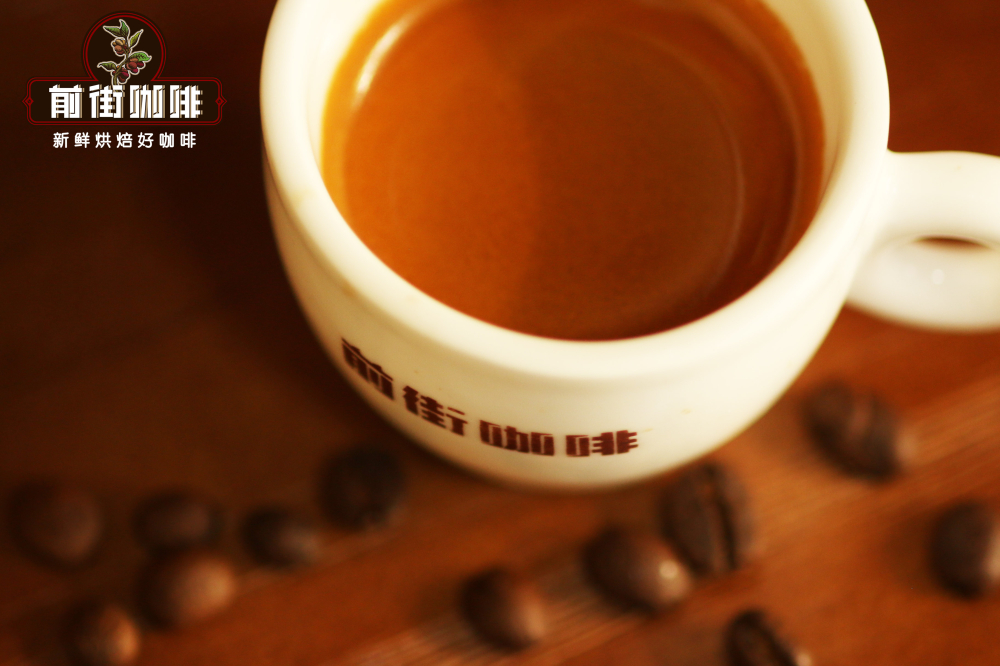
If you’re interested in trying SOE, choosing the right coffee beans is crucial. An ideal SOE bean should have a distinct and easily recognizable flavor profile, capable of showcasing unique fruitiness, sweetness, or floral notes under the pressure of espresso extraction, thereby leaving a lasting impression. For consumers who regularly drink milk-based coffee, experiencing different layers of taste through a flavor-forward SOE can often become a key reason for repeat purchases.
However, it’s important to note that lightly roasted single-origin beans, when extracted under high pressure, can easily release overly sharp acidity and thin textures, which may not be suitable for making espresso.It is therefore recommended to prioritize medium to medium-dark roasted single-origin beans, as these beans typically achieve a good balance between aroma, sweetness, and body, and are better suited to the intense extraction environment of espresso.
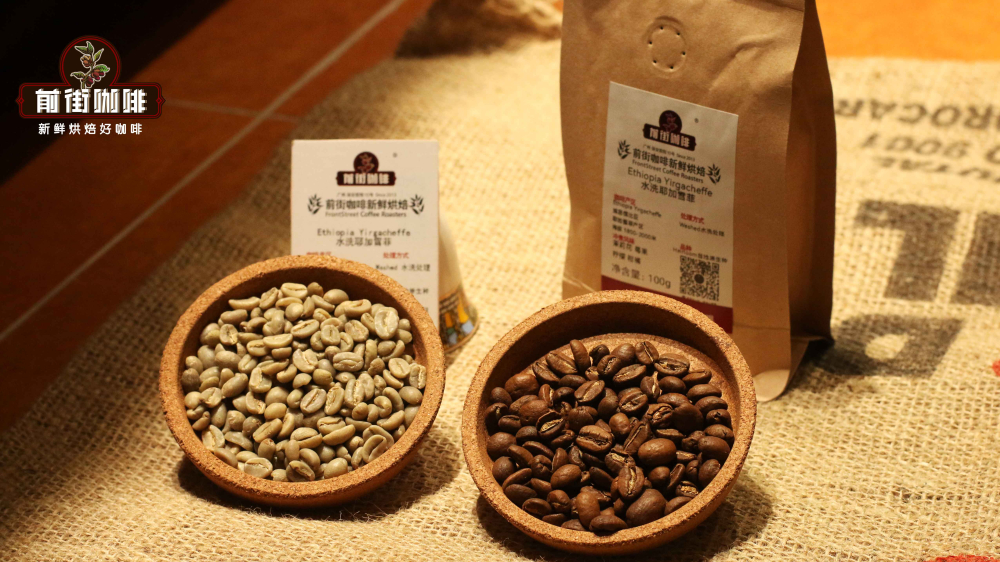
Although there are currently few coffee offerings specifically designed for SOE, many coffee roasters have experimented with various single-origin beans for espresso testing. The results show that certain bean varieties do demonstrate promising potential in SOE applications. For example, some medium-roasted Costa Rican beans, when properly roasted, can bring out noticeable caramel sweetness and berry notes in espresso; meanwhile, some medium-dark roasted Brazilian beans can offer a flavor combination of nuts, chocolate, and subtle smokiness—perfect for those who enjoy bold flavors.
To evaluate whether a coffee shop’s SOE is successful, consider two perspectives: first, whether coffee enthusiasts familiar with SOE can discern unique flavors in the cup and are willing to return; second, whether consumers unfamiliar with the SOE concept also find the coffee more layered and interesting compared to regular options. Only by satisfying both types of customers can an SOE espresso be considered truly successful.
The above content is compiled by CoffeeHunters, a coffee news website.


