







Introduction:Jamaican Blue Mountain coffee is renowned for its balanced acidity, sweetness, and bitterness, but it’s not limited to pour over brewing. This article delves into whether Blue Mountain can be used for methods such as cold drip or espresso. Taking the Clifton Estate Blue Mountain No. 1 as an example, it details the origin background, processing methods, roasting characteristics, and actual flavor profile, while also providing pour over and SOE espresso parameter suggestions to help you fully grasp the diverse brewing possibilities of this premium coffee.
Jamaican Blue Mountain coffee has long been celebrated for its balanced acidity, sweetness, and bitterness, making it a dream brew for many coffee enthusiasts. But many still wonder: is this top-tier washed bean suitable for making iced coffee or for espresso extraction? The answer is yes—and each method showcases unique flavors. Focusing on the Blue Mountain No. 1 from Jamaica’s Clifton Estate, this article comprehensively breaks down the characteristics of this high-end coffee, covering its origin history, quality control, processing methods, roasting profiles, and both pour over and espresso brewing, along with practical brewing parameter suggestions. This helps you easily recreate the rich and layered flavors of Blue Mountain.
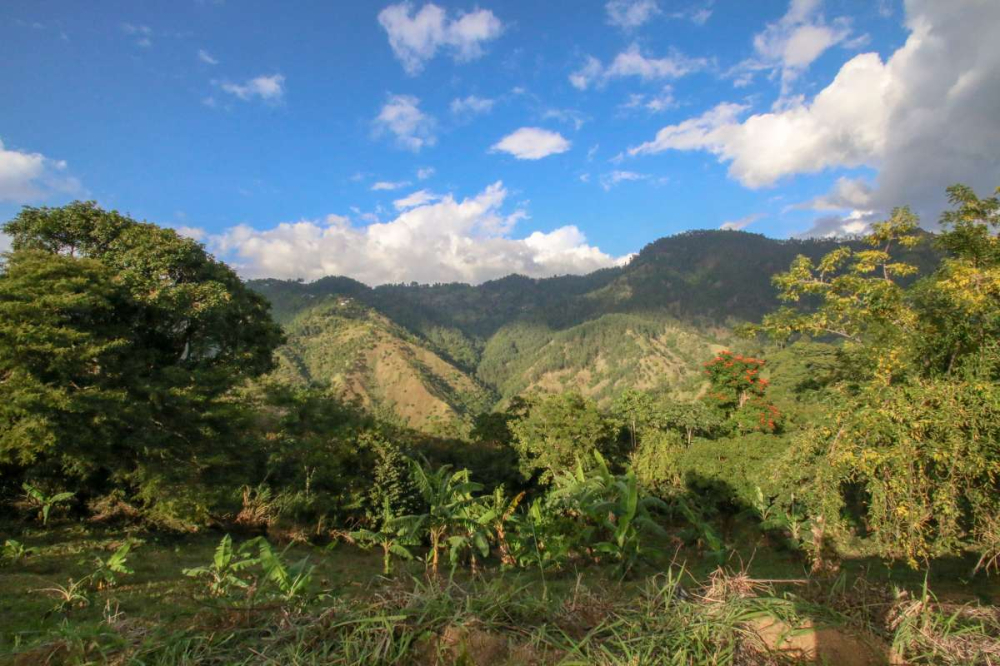
The Jamaican coffee industry is subject to extremely strict regulation, especially for Blue Mountain coffee, which is closely monitored by the Jamaica Coffee Industry Board (CIB). From cultivation altitude and coffee variety to processing methods and export quality, all have clear standards—this is a key reason why it consistently ranks among the world’s top specialty coffees. Blue Mountain coffee mainly comes from the eastern side of the Blue Mountains. This area, surrounded by the Caribbean Sea, often displays a bluish glow over the mountains at dawn, hence the name “Blue Mountain.” The elevation here mostly ranges between 900 and 1,700 meters, falling within the golden cultivation zone of the coffee belt. The climate is humid and foggy, with annual rainfall reaching up to 1,980 mm, moderate day-night temperature differences, and mineral-rich volcanic soil—all contributing to the distinctive aroma and taste of Blue Mountain coffee.
The history of Blue Mountain coffee dates back to the early 18th century. In 1717, French King Louis XV ordered the establishment of plantations in Jamaica. By the mid-1720s, then-Governor Sir Nicholas Lawes introduced Arabica seeds from Martinique and promoted their cultivation in the Saint Andrew area. Subsequently, within the Blue Mountain region, three grades were defined based on altitude and growing area: Blue Mountain, High Mountain, and regular Jamaican coffee. Among them, Blue Mountain No. 1 is the highest grade, produced only in the core Blue Mountain area above 900 meters in elevation. The varieties grown here are exclusively Typica, processed using the washed method, resulting in low defect rates and clean flavors.
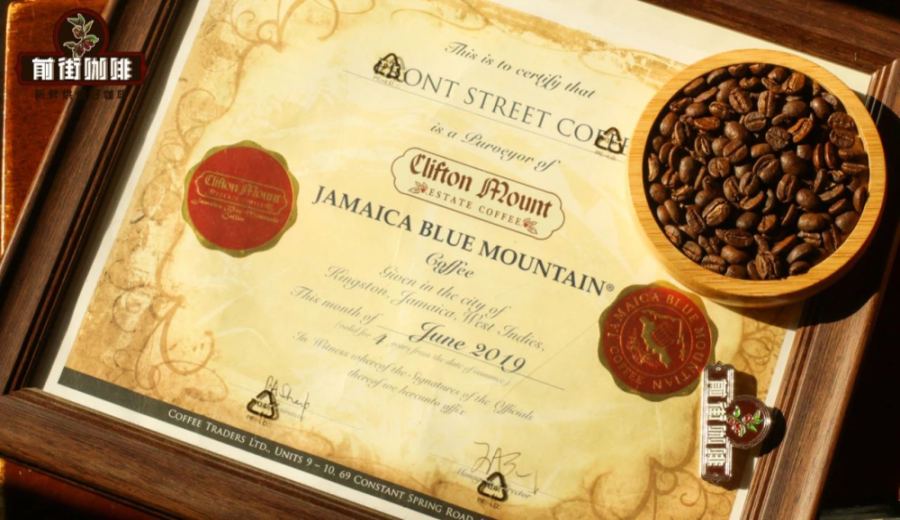
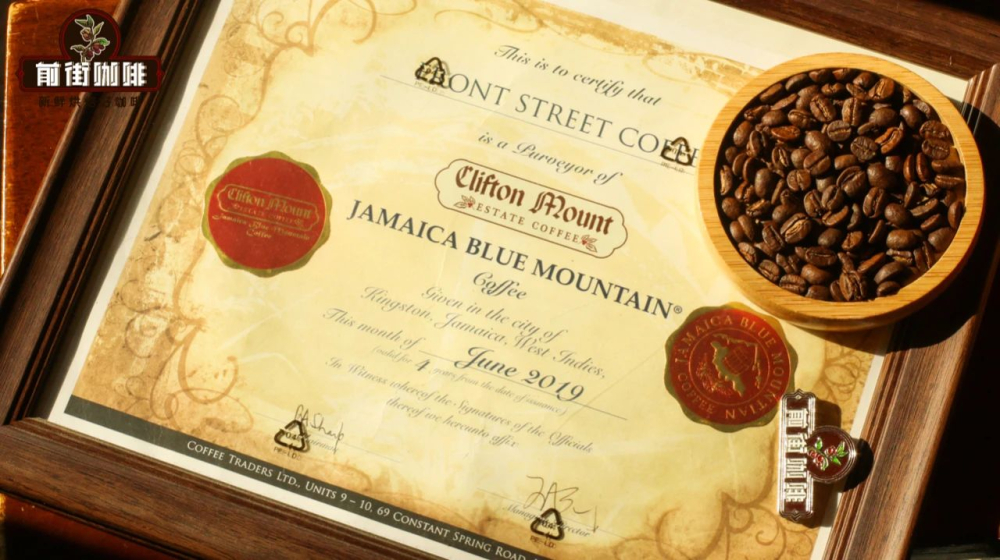
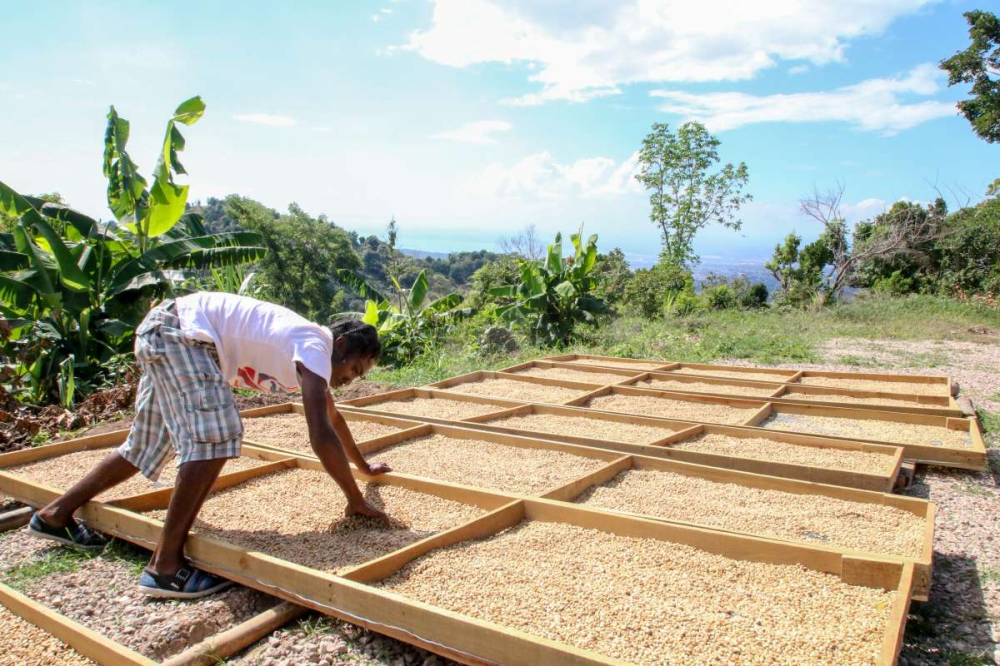
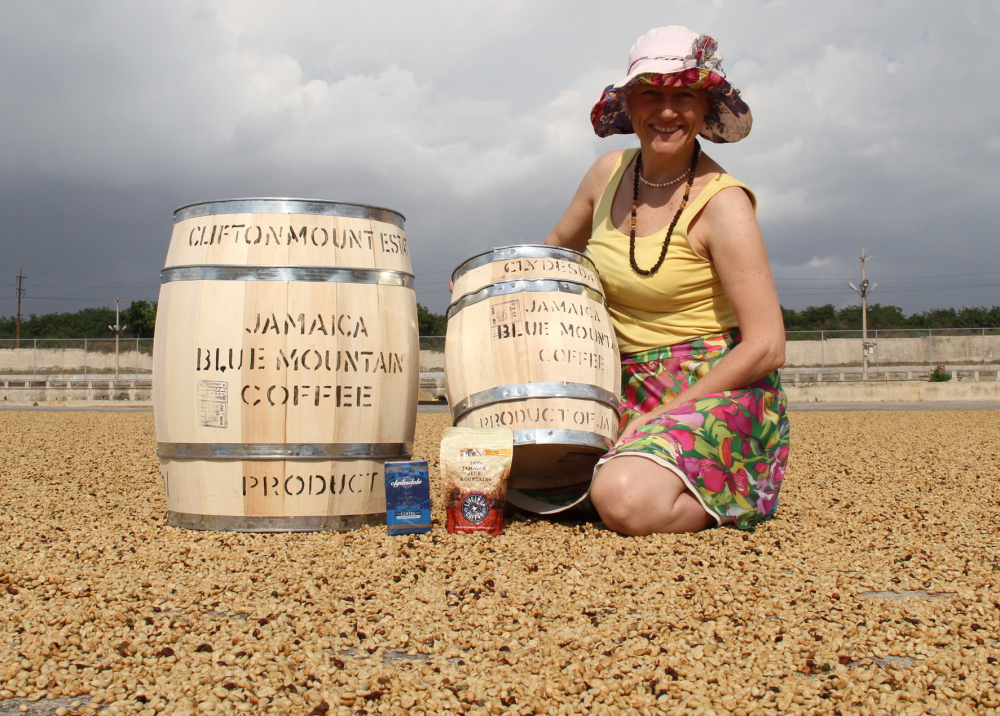
It’s particularly worth noting that the Blue Mountain coffee sold by this merchant all comes from the Clifton Estate, a farm with over 200 years of history and the only one in all of Blue Mountain to have received “Rainforest Alliance Certification.” Located at around 1,310 meters in elevation, the estate enjoys a cool, moist climate, and its coffee cherries mature more slowly, aiding in the accumulation of flavor compounds. Since being taken over by the Sharp family in 1978, environmentally friendly facilities such as solar power and wastewater treatment systems have been implemented, along with strict flotation and fermentation processes—for instance, using water tanks to separate ripe and unripe beans, followed by water fermentation to remove mucilage, and finally slow sun drying to reach a moisture content of 11–13%, with 2–3 months of maturation to ensure stable flavor before export.
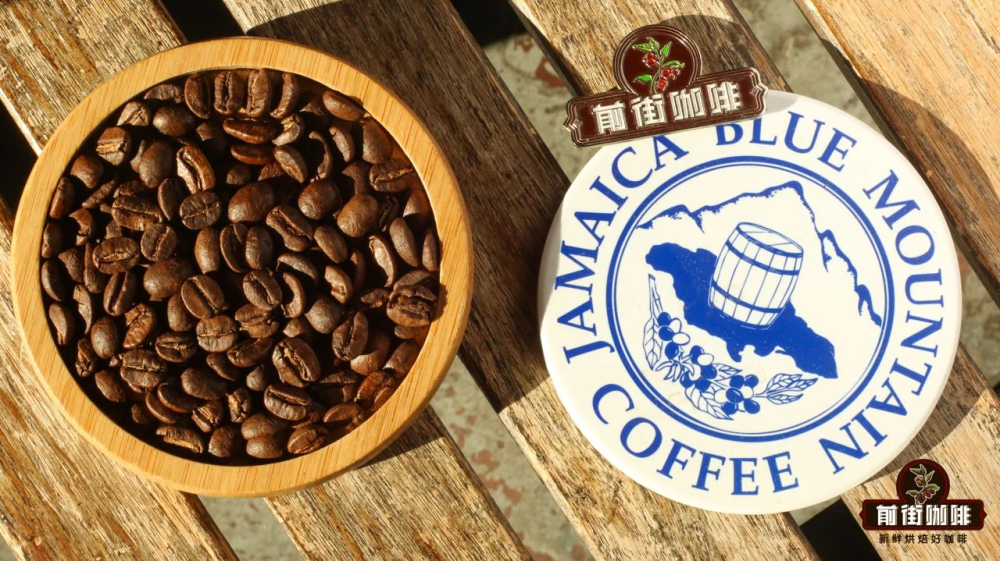
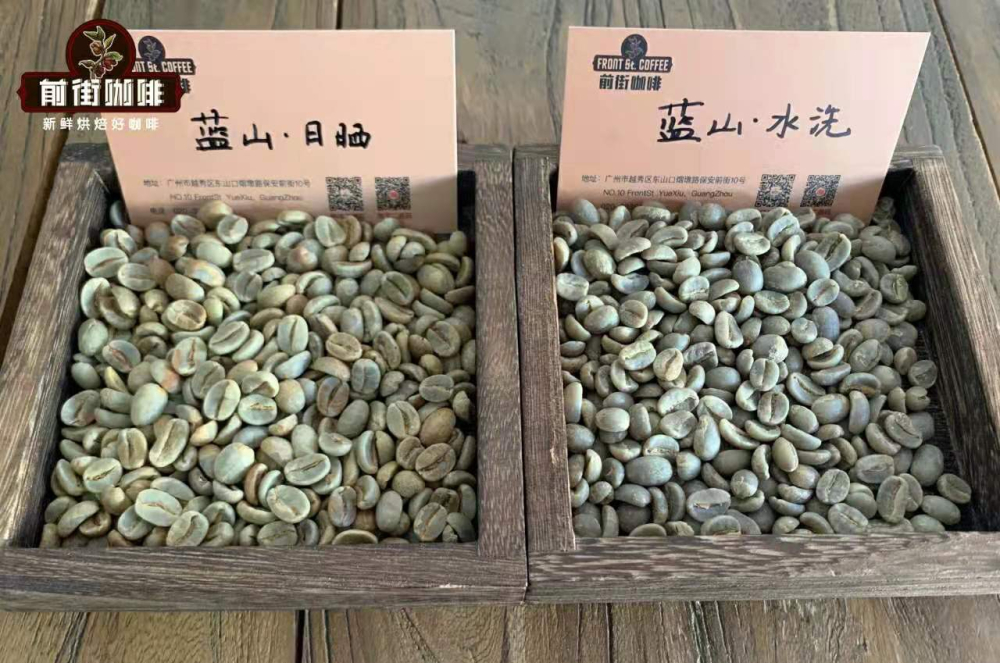
Regarding processing methods, although Blue Mountain coffee has traditionally been washed, in 2020 it also debuted a natural (sun-dried) version, which features more pronounced sweetness, suitable for those who prefer prominent fruity and sweet notes. In the same year, a micro-lot Blue Mountain Geisha was also launched, blending the flavor characteristics of Panama’s famous Geisha, presenting layers of citrus, pomelo, and honey, showcasing the local potential of Blue Mountain. The Blue Mountain No. 1 selected by this merchant is medium-dark roasted, emphasizing a chocolatey, nutty aroma base while retaining gentle acidity and sweetness. The overall profile is balanced and full-bodied, perfect for coffee lovers who enjoy classic flavor profiles.
For brewing, if you choose pour over, it’s recommended to use freshly roasted Blue Mountain coffee beans and extract a balanced and rich flavor using a KONO filter. Suggested parameters: 15g coffee, coarse grind (75% through a #20 sieve), water temperature 86–88°C, coffee-to-water ratio 1:15. A three-stage pouring method is advised: first stage—30g bloom for 30 seconds; second stage—pour 100g in a circular motion, slowing the pour to allow aroma release; final stage—pour 95g, totaling 225g, with a total brew time of about 1 minute and 50 seconds. In terms of flavor, you can expect notes of nuts, dark chocolate, and a creamy richness, with well-balanced and layered acidity, sweetness, and bitterness.
If you want to further explore Blue Mountain’s performance in espresso, you can also try making an SOE (Single Origin Espresso). First, choose an appropriate grind size, aiming to extract 40g of coffee with 20g of coffee grounds, with a brew time controlled between 25–30 seconds. It’s recommended to start with a medium-fine grind, adjusting coarseness or fineness based on flow rate: adjust finer if the flow is too fast, or coarser if too slow, fine-tuning in increments of 0.2–0.5 steps. The resulting Blue Mountain espresso has a rich crema, with an aroma featuring caramel, dark chocolate, and spicy notes. The initial sip may feel intense, but it’s followed by a notable sweetness and a unique lingering finish.
As for how to enjoy the brewed espresso, you can customize it to your taste: mix with ice water or hot water at a 1:4 ratio to make a Blue Mountain Americano—refreshing and mellow; or combine with fresh milk at a 1:6 ratio to create a Blue Mountain Latte, resulting in a smoother, softer texture. Additionally, if you want to experience the cold drip flavor, you can also opt for a medium-dark roasted Blue Mountain coffee, using low-temperature, long-duration extraction to highlight its chocolate and nut foundation, while reducing the sharpness of the acidity—it’s ideal for summer enjoyment.
The above content is compiled by CoffeeHunters, a coffee news website.


