







Introduction:The key to a delicious latte lies in the extraction quality of the espresso and the balance it achieves when paired with milk. This article delves into the six essential extraction parameters of espresso—dose, ratio, time, flow rate, pressure, and temperature—and explains how they influence the final flavor. It also provides recommendations for the ideal espresso-to-milk ratio in lattes, helping you craft a rich and smooth milk coffee while mastering every detail of your brew from a professional perspective.
Although lattes are a daily choice for many coffee enthusiasts, brewing a latte with balanced flavor and lasting appeal actually requires mastering a variety of techniques. From selecting the coffee beans and adjusting grind size, to managing multiple espresso extraction parameters, and even the espresso-to-milk ratio—each step affects the final taste. This article will break down the espresso extraction standards in detail and explain the ideal espresso-to-milk pairing ratios in lattes from a professional standpoint, allowing you to confidently grasp the basics and progress to more advanced brewing.
What is standard espresso?
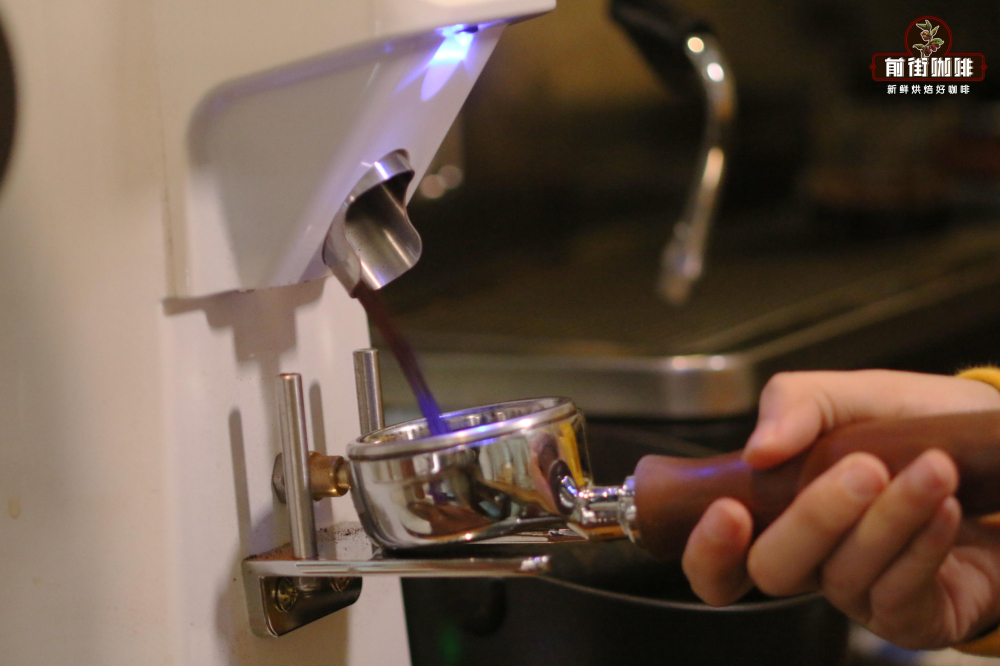
According to international convention, a standard shot of espresso typically uses about 7 grams of freshly ground coffee, extracted at approximately 92°C with around 9Bar of pressure over a period of 20 to 30 seconds, yielding 20 to 30 milliliters of coffee liquid with a layer of fine crema on the surface. As specialty coffee culture has evolved, some cafés adopt different extraction methods—for example, some shops use a double shot (2 shots) as standard, employing 19 grams of coffee and following a 1:2 coffee-to-water ratio to extract 38 grams of espresso, with an overall extraction time of about 28 seconds.
It’s important to note that these values are for reference only. During actual extraction, you also need to observe the coffee-to-water ratio and the final flavor profile. Additionally, because grinder burrs may change in precision due to usage time and humidity, it’s recommended to fine-tune grind size at the start of each day to maintain consistency in espresso flavor.
Six Key Parameters of Espresso Extraction
To make an espresso with balanced flavor, focus on the following six main parameters: dose, ratio, time, flow rate, pressure, and temperature. These variables are not only interrelated but also directly affect extraction results and the final taste of the coffee.
1. Dose
Dose is generally determined by the capacity of the portafilter basket, with common basket sizes holding around 19–20 grams. Too little coffee leads to a loose puck, causing water to flow too quickly and resulting in under-extraction. Conversely, too much coffee may cause the puck to become too dense, restricting water flow or even preventing proper extraction. It’s advisable to choose an appropriate dose range based on your portafilter design to ensure optimal puck density.
2. Ratio (Coffee-to-Water Ratio)
The coffee-to-water ratio refers to the proportion between the weight of coffee grounds and the weight of the final extracted coffee liquid. Common ranges are 1:1.5 to 1:2.5, with 1:2 being the most standard—for example, 17 grams of coffee yielding 34 grams of liquid. If the ratio is too low, the coffee can become overly strong or even bitter; if too high, it may result in under-extraction, yielding a thin and overly acidic flavor.
3. Time
Extraction time refers to the total duration from the start to the end of brewing, usually between 20 and 30 seconds. The two major factors influencing time are grind size and coffee-to-water ratio. A finer grind leads to a denser puck and slower water flow, thereby extending extraction time. Overly long extraction can lead to over-extraction, while too short may cause under-extraction.
4. Flow Rate
Flow rate refers to the speed at which coffee liquid flows out of the portafilter. Ideally, the first drop appears around the 5-second mark after starting extraction, and the flow remains stable throughout. For example, extracting 34 grams of coffee in 30 seconds indicates well-controlled flow rate. Flow rate helps assess whether the grind size and ratio are well matched.
5. Pressure
Typically, the extraction pressure of an espresso machine remains around 9Bar. Too low pressure may result in incomplete extraction and underdeveloped flavors; too high pressure may extract excessive impurities or bitter compounds, leading to a heavy and overly bitter cup.
6. Temperature
Water temperature is usually set between 90 and 94°C. Too high a temperature can over-release bitter and astringent compounds from the coffee, resulting in poor taste. Too low a temperature may prevent full flavor extraction, leading to sharp and dull flavors.
What Factors Influence the Overall Flavor of Espresso?
In addition to the above extraction parameters, several other factors directly affect the flavor profile of espresso:
Coffee Bean Selection
Coffee beans from different regions, processed differently, and roasted to varying degrees will deliver distinctly different flavor profiles. Some beans emphasize nutty and chocolatey notes, while others highlight fruity and floral aromas. Choosing the right coffee beans is the first step in defining the foundational flavor of your espresso.
Grind Size
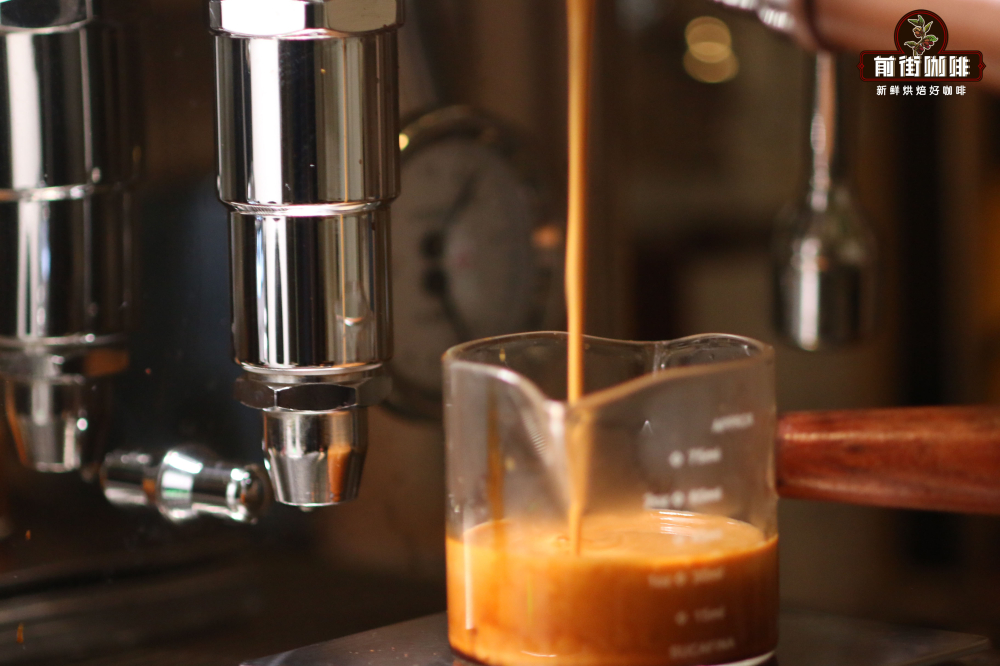
Espresso is typically ground using a flat burr grinder, and grind size greatly impacts extraction. Even a difference of 0.1 in grind setting can change extraction time by 2–3 seconds. Too fine a grind may lead to bitter or even burnt flavors; too coarse can result in weak, overly acidic coffee.
Coffee-to-Water Ratio and Extraction Time
The coffee-to-water ratio and extraction time together influence flavor intensity and complexity. Generally, keeping extraction time between 20 and 30 seconds is ideal—it highlights coffee characteristics without over-extracting.
Precise Control of Water Temperature
Water temperature is a key factor in flavor release. It’s recommended to use a machine with adjustable temperature settings and fine-tune according to bean characteristics, typically aiming for around 90–93°C. Machines without stable temperature control may compromise the consistency of successive shots.
The Golden Ratio of Espresso to Milk in Lattes
Lattes are milk-forward drinks where coffee serves to enhance flavor layers rather than dominate the overall taste. To achieve balance, it’s recommended to maintain a coffee-to-milk ratio of 1:6.5. For instance, using 20 grams of coffee to extract 40 grams of espresso, paired with 260 milliliters of milk, creates a classic latte with harmonious flavor and balanced milk and coffee aroma.
Of course, different brands and origins of milk may vary slightly in fat content and sweetness. It’s best to fine-tune based on the specific milk you use to find your ideal flavor match.
In summary, brewing a great latte hinges on stable and precise espresso extraction, combined with appropriately proportioned milk. From mastering the six extraction parameters to adjusting the coffee-to-milk ratio, every step is worth your attention to bring out the best in every cup.
The above content is compiled by CoffeeHunters, a coffee news website.


