







Introduction:Yirgacheffe is a representative bean from Ethiopia’s high-altitude growing regions, renowned for its washed processing method, delivering a bright and layered flavor profile. This article delves into the ideal roast levels for Yirgacheffe washed beans, analyzing their flavor characteristics from light to medium-dark roasts. For the medium-light roasted "Fruity Ding Ding" variant, it also provides pour over parameters and a three-stage extraction technique to help you fully grasp the traits and brewing essentials of this classic coffee bean.
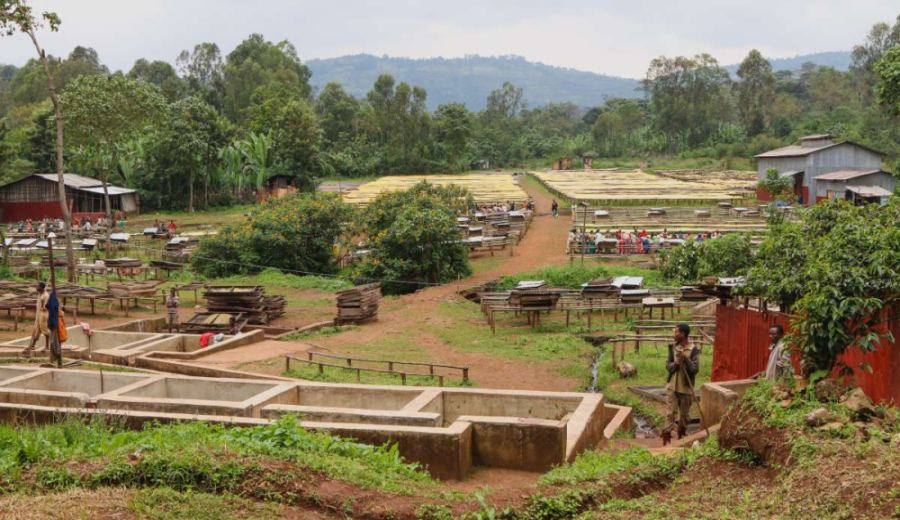
Yirgacheffe is a classic regional bean cherished by many coffee enthusiasts. It not only frequently appears on the menus of specialty coffee shops but also serves as an important entry point into specialty coffee due to its distinctive flavor profile. This coffee hails from a small town in southwestern Ethiopia, grown at altitudes between 1,700 and 2,100 meters. Originally part of the Sidamo region, it stood out with its unique floral aroma and refreshing taste, eventually earning its status as an independent producing region.
The climate conditions in Yirgacheffe are exceptionally well-suited for growing Arabica coffee, with year-round temperatures stable between 15–25°C and significant day-night temperature variations that help coffee cherries accumulate more flavor compounds. Initially, the region primarily employed the natural (sun-dried) processing method. However, with the rise of the specialty coffee market, washed processing gradually became the norm, further highlighting Yirgacheffe’s bright citrus and floral characteristics.
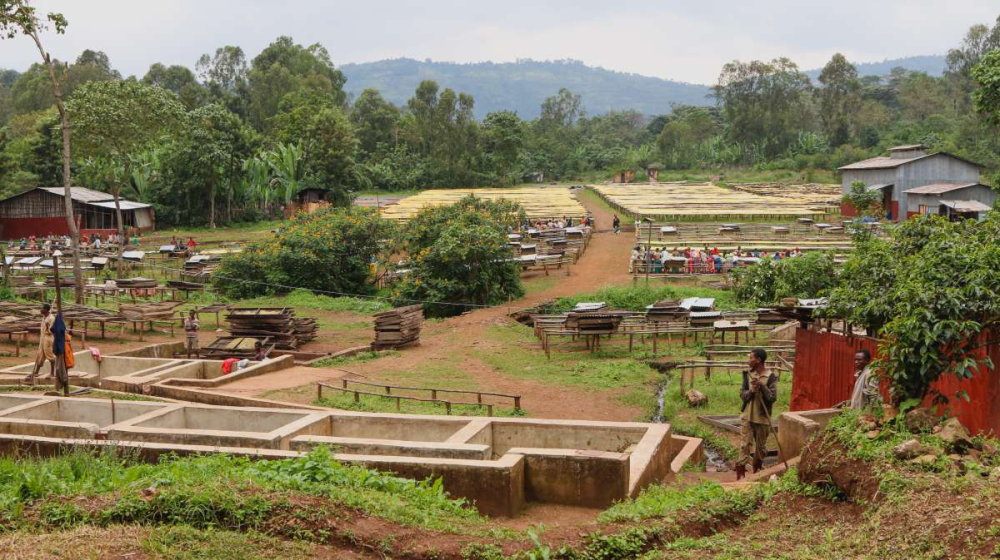
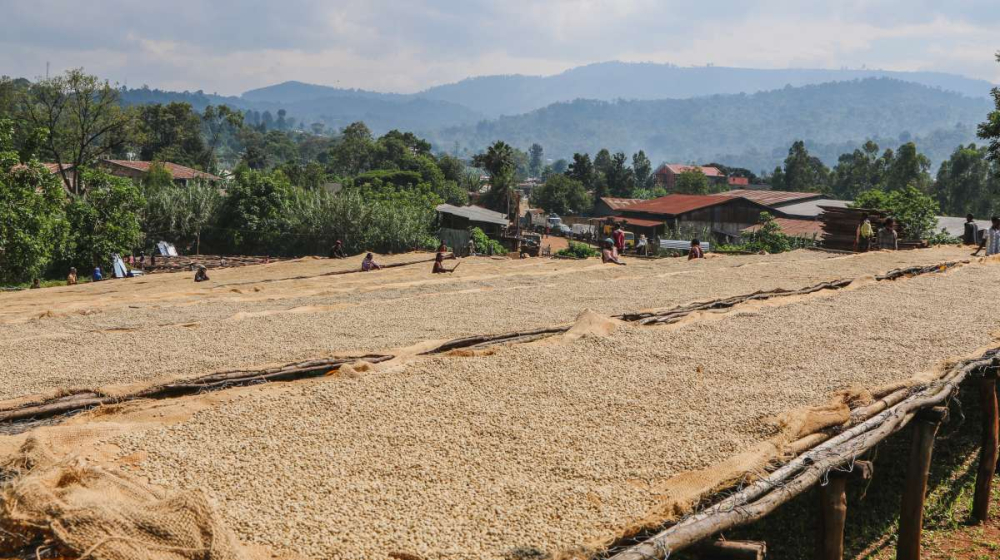
In terms of processing methods, Yirgacheffe initially mainly used the natural process — that is, drying the entire coffee cherry in the sun to preserve the sugars in the pulp, resulting in intense berry and wine-like flavors with a fuller body. But this method is highly weather-dependent and makes quality control more challenging. By the 1970s, the Ethiopian government introduced washed processing techniques from Central and South America. By removing the pulp and mucilage before drying, the beans became cleaner, leading to a clearer flavor and brighter acidity, which has since become the mainstream processing method in today’s market.
The typical flavor profile of washed Yirgacheffe features citrus, lemon, jasmine, and white floral notes, with vibrant and crisp acidity, a refreshing mouthfeel, and a tea-like softness in the aftertaste. Compared to the rich fruitiness and full body of the natural process, the washed style is brighter and cleaner, making it ideal for those who prefer refreshing coffees.
So, what roast level is suitable for Yirgacheffe? In fact, the roast degree greatly influences the final flavor expression. Generally speaking, coffee roasting can be divided into light, medium, medium-dark, and dark roasts. Given that Yirgacheffe inherently possesses bright acidity and complex floral-fruit aromas, a medium-light roast is usually recommended to preserve its original flavor characteristics.
At the light roast stage (around the start of first crack), washed Yirgacheffe exhibits pronounced floral, citrus, and berry notes, with bright acidity and a refreshing mouthfeel — perfect for consumers who enjoy fruity acidity and vibrant aromatics. Moving into the medium roast range (from the latter part of first crack to just before it ends), the coffee’s sweetness begins to increase, acidity becomes softer, while still retaining clear floral and fruity notes. If roasted to a medium-dark level, the floral and fruity acidity gradually diminish, giving way to caramel, nutty, and dark chocolate flavors, with a rounder overall mouthfeel — though some of the refreshing qualities may be lost.
Take the washed Yirgacheffe “Fruity Ding Ding” as an example. These high-altitude beans, grown between 2,000 and 2,100 meters, have a dense and slightly hard bean structure. A medium-light roast is ideal to maximize the expression of its citrus, lemon-like fruit acids, and delicate floral notes, while preserving a pleasant tea-like sensation and lingering finish. Many specialty roasters also prefer this roast level to showcase the bean’s original flavor profile.
For medium-light roasted Yirgacheffe washed beans, special attention should be paid to parameter settings during pour over brewing to fully bring out their layered flavors. A medium-fine grind size is recommended, roughly similar to granulated sugar particles. When tested with a Chinese No. 20 sieve, the sifted rate should be around 80%. Water temperature is advised to be controlled between 90–92°C, which helps balance the release of acidity and aroma, avoiding over-extraction or excessive sourness.
The recommended powder-to-water ratio is 1:15, using a three-stage pouring method: begin by pouring 30 grams of water for a 30-second bloom right after starting the timer; then pour in a small circular motion until reaching 125 grams, wait for the coffee bed level to drop halfway, and continue pouring up to a total of 225 grams; finally, allow the drip to finish. The overall extraction time should be controlled between 2 minutes and 2 minutes 10 seconds to ensure the coffee’s flavors are clear, layered, and not muddled.
In summary, Yirgacheffe washed beans, with their unique highland terroir and refined processing techniques, showcase vivid floral-fruit aromas and lively acidity, making them a classic representation of mid-to-high altitude specialty coffee. If you enjoy bright and refreshing coffee flavors, give medium-light roasted washed Yirgacheffe a try. With the right grind and pour over parameters, you can fully unlock its captivating citrus, floral, and tea-like aftertaste.
The above content is compiled by CoffeeHunters, a coffee news website.


