








Introduction:Since winning the TOH Natural Category Championship in 2017, the Hua Kui coffee has become a focal point of interest for many coffee enthusiasts. With DW Company releasing its X.0 series each year, the flavor profile of this coffee bean continues to evolve. This article will delve into the origins of Hua Kui, the characteristics of its natural processing method, and through professional cupping and hands-on pour over brewing, help you understand the unique flavor expression of the small-bean Hua Kui. It will also teach you how to identify negative flavors caused by under-extraction and over-extraction, as well as master the skills of describing coffee flavors.
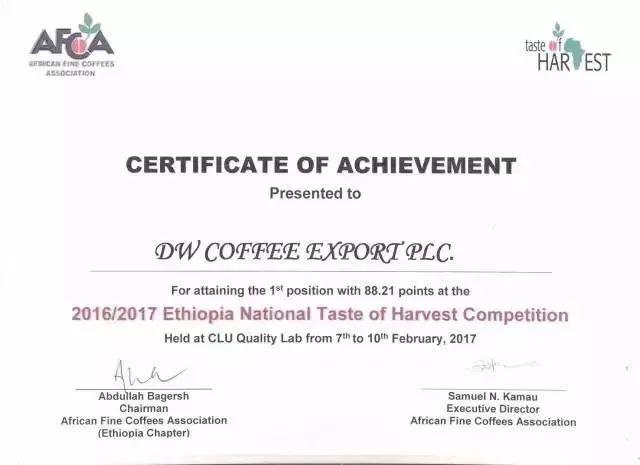
The fame of Hua Kui coffee began in 2017, when the Buku Abel processing factory under DW Company won the TOH Natural Category Championship with a natural-processed lot. This coffee was later introduced to the Chinese market and promoted under the name “Hua Kui.” At that time, it exhibited intense strawberry and cream aromas, quickly generating buzz in the coffee community. Notably, Beijing-based competitor Li Jianfei achieved second place in the China leg of the 2017 World Brewers Cup using this Hua Kui, which significantly boosted its reputation.
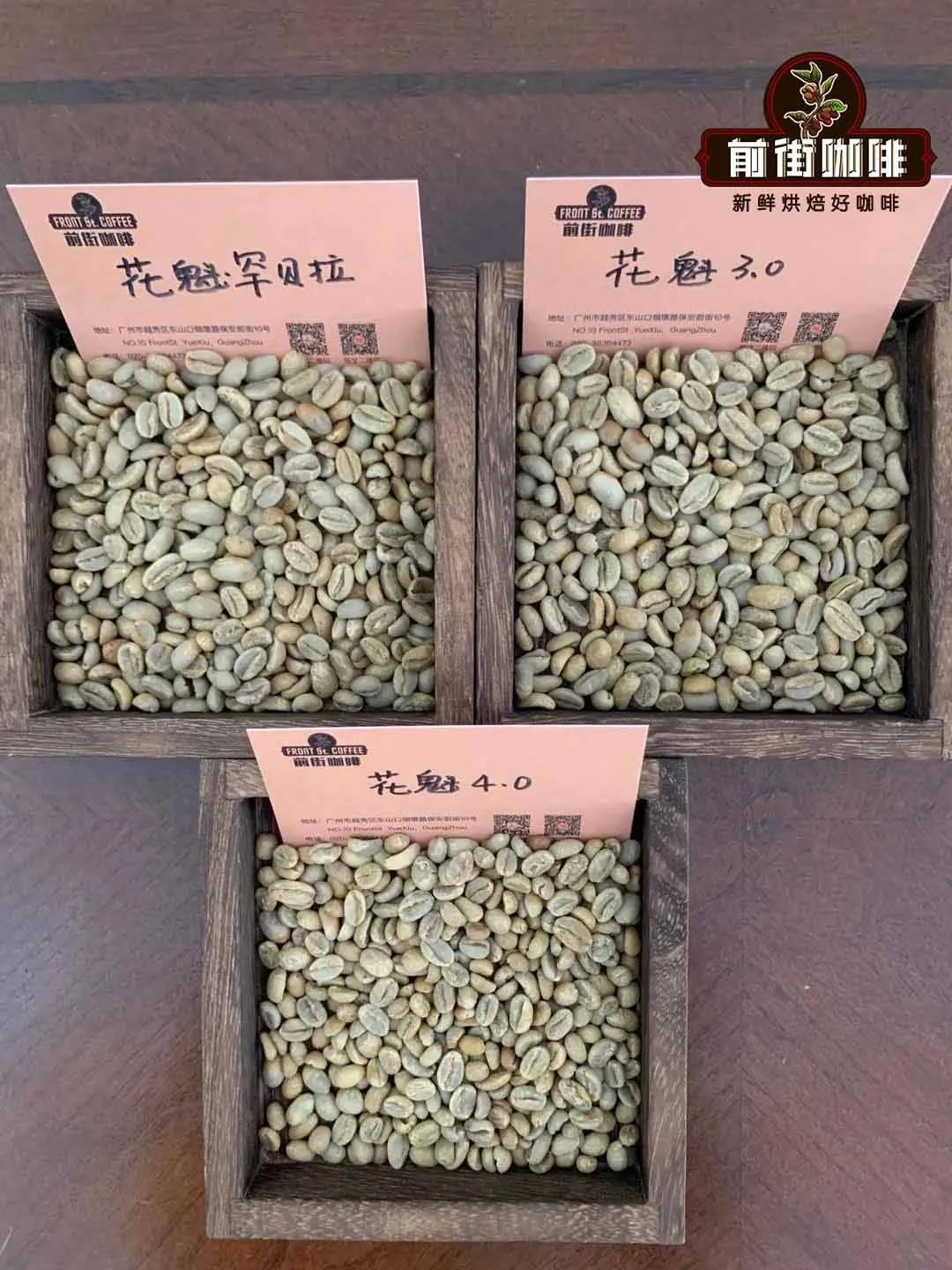
The naming of Hua Kui X.0 is actually closely related to the harvest season. For example, Hua Kui 3.0 refers to the 2019 harvest, Hua Kui 4.0 to the 2020 harvest, and so on—Hua Kui 8.0 is thus the new 2024 harvest. The rationale behind this naming convention is that DW Company uses it to distinguish the varying flavor profiles resulting from differences in climate and processing conditions each year. Additionally, only the natural-processed beans produced by the Buku Abel processing factory qualify as authentic Hua Kui coffee.
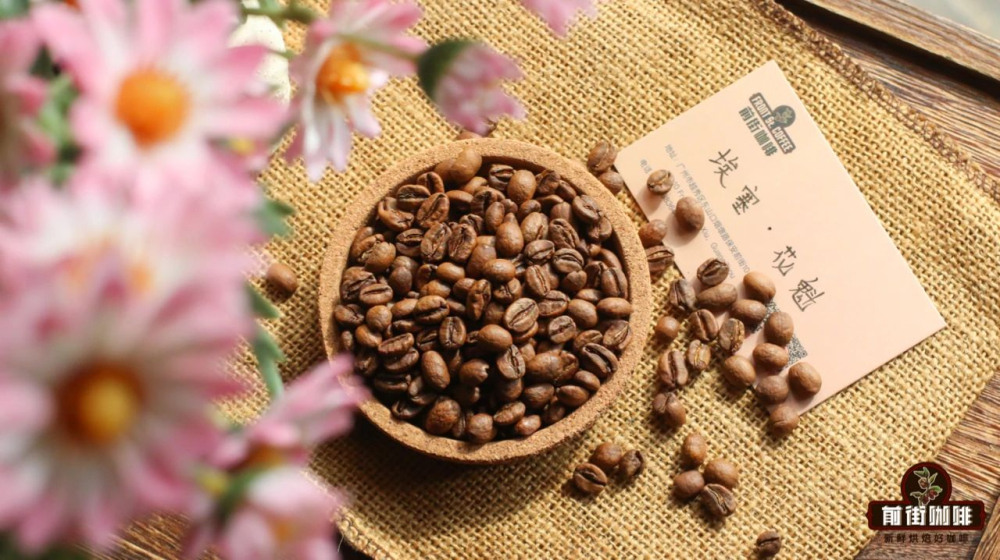
Many coffee enthusiasts may have heard of the term “small-bean Hua Kui.” In fact, this refers to small-sized green beans found in some Hua Kui lots from 2018 and 2019 that resemble the small beans of the 2017 champion lot. These small beans are believed to be the main source of the fragrance of the original Hua Kui, so even if they are not from the original champion batch, lots containing these small beans are often referred to as small-bean Hua Kui. Moreover, Hua Kui 4.0, with its generally smaller coffee beans, has delivered an even more outstanding overall performance.
In terms of processing methods, regardless of the harvest year, the Buku Abel processing factory consistently employs natural processing. This method preserves the natural sugars and fermentation flavors within the fruit pulp, enabling Hua Kui to often display a rich berry juice-like character, layers of fermented ripe fruit, and moderate sweetness during cupping. Even with slight annual variations due to climate, these core flavor characteristics remain very distinct.
Taking the latest arrival of Hua Kui, which reached port in April of this year, as an example: after professional cupping, we found that the small-bean Hua Kui exhibited flavors such as strawberry cream, citrus, passion fruit, and fermented wine notes, while Hua Kui 5.0 was dominated by berry, citrus, honey, mango, and floral notes. Interestingly, the strawberry cream flavor of the small-bean Hua Kui is a signature trait of the 2017 champion lot, but it appeared less frequently in the X.0 series from 2018 to 2021, making the small-bean Hua Kui closer to the classic flavor of that year.
In terms of brewing, to fully showcase the multi-layered flavors of Hua Kui, it is recommended to use a higher water temperature and a finer grind size. For example, the V60 dripper is a good choice. Its 60-degree conical design concentrates the coffee grounds, allowing the water flow to naturally converge toward the center. Coupled with its clockwise spiral ribs, it ensures smooth water flow and a moderate flow rate, helping to control extraction time and flavor balance.
Specific brewing parameters are recommended as follows: Use a V60#01 dripper, control the water temperature at 90-91°C, use approximately 15 grams of coffee, aim for a brew ratio of 1:15, and grind to a medium-fine level (80% through a standard Chinese No. 20 sieve). The brewing technique can follow a three-stage method: start with 30 grams of water for a 30-second bloom, then pour in a slow circular motion up to 125 grams for the first pour. When the water level is about to expose the coffee bed, pour again up to 225 grams, then stop and wait until the water level drops and is about to expose the coffee bed again before removing the dripper. The total brew time is approximately 2 minutes.
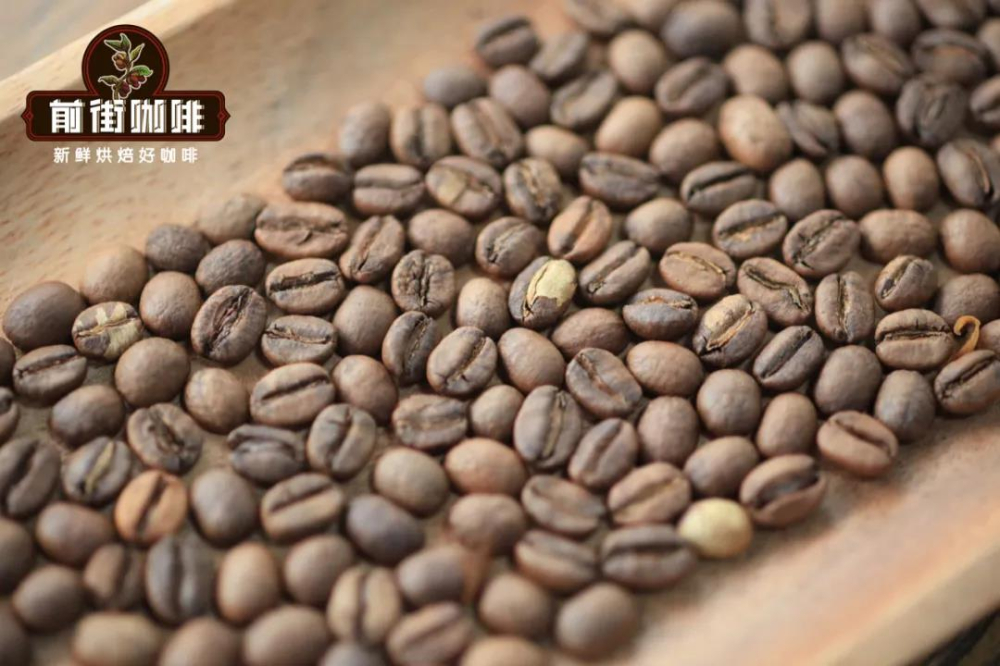
During actual tasting, this brewing method brings out the floral, berry, citrus, and plum acidity and sweetness of Hua Kui, accompanied by fruity notes reminiscent of mango juice, honey sweetness, and a lingering aftertaste similar to black tea—offering a well-balanced and layered profile.
When evaluating the quality of a cup of coffee, personal taste certainly plays a large role, but there are also some common standards. For example, acidity can be positive, such as lemon or passion fruit acidity, while bitterness could also be a refined dark chocolate bitterness. However, negative flavors include harsh acidity, sour spikes, burnt bitterness, astringent bitterness, sour-astringency, as well as hollow, dull, rough mouthfeel, or short aftertaste.
These negative flavors often stem from extraction issues, mainly falling into two categories: under-extraction and over-extraction. Under-extracted coffee tends to exhibit harsh acidity, sour spikes, sour-astringency, flat saltiness, overly watery body, thinness, and short aftertaste. This may result from using a too-coarse grind, too low water temperature, an overly high brew ratio, or too short contact time. Additionally, channeling in the coffee bed or uneven blooming can also lead to localized under-extraction.
Conversely, over-extracted coffee may bring negative sensations such as burnt bitterness, astringent bitterness, and rough mouthfeel. This is usually due to using a too-fine grind, excessively long steeping time, too high water temperature, or overly fine water flow causing over-saturation of the coffee grounds. To avoid these problems, you can moderately adjust the grind size and water temperature, and pay attention to controlling extraction time, to achieve the ideal balance of fruit acidity, full sweetness, and moderate intensity—thereby highlighting long-lasting floral and tea-like aftertastes.
The above content is compiled by CoffeeHunters, a coffee news website.


