







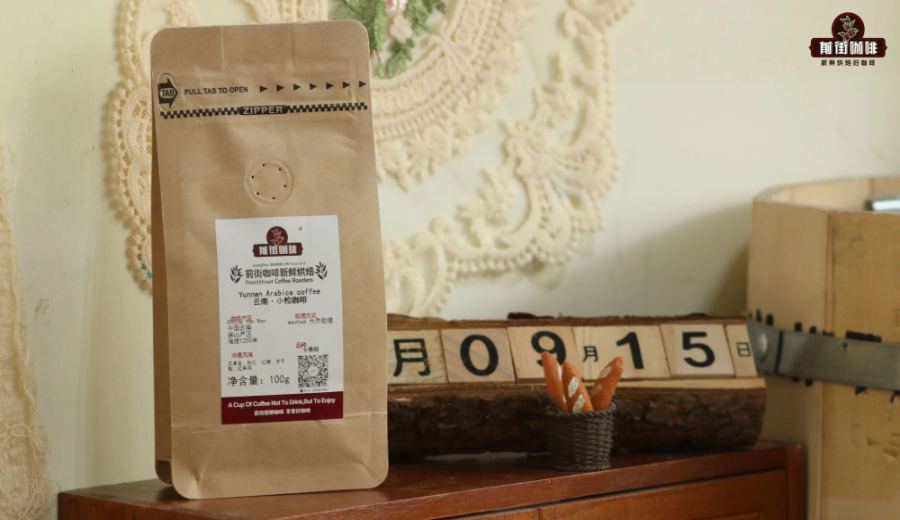
Introduction:In recent years, Yunnan’s small-bean coffee has gradually emerged on the international stage. Its unique flavors and diverse processing methods have captured the attention of many coffee enthusiasts. This article will take you on an in-depth exploration of the Baoshan and Lincang growing regions, analyzing their planting history, varietal evolution, and processing techniques. We’ll also detail the flavor characteristics brought by different processing methods to help you find the Yunnan coffee beans and pour over recommendations that best suit your taste.
Yunnan coffee has continued to make breakthroughs in quality in recent years, gradually winning the favor of both consumers and professionals. From a niche product in its early days to now a regular offering in many specialty coffee shops, Yunnan’s small-bean coffee has attracted increasing attention thanks to its flavor diversity and regional characteristics. So, what do these coffee beans from the land of colorful clouds actually taste like? And which producing regions are particularly noteworthy?
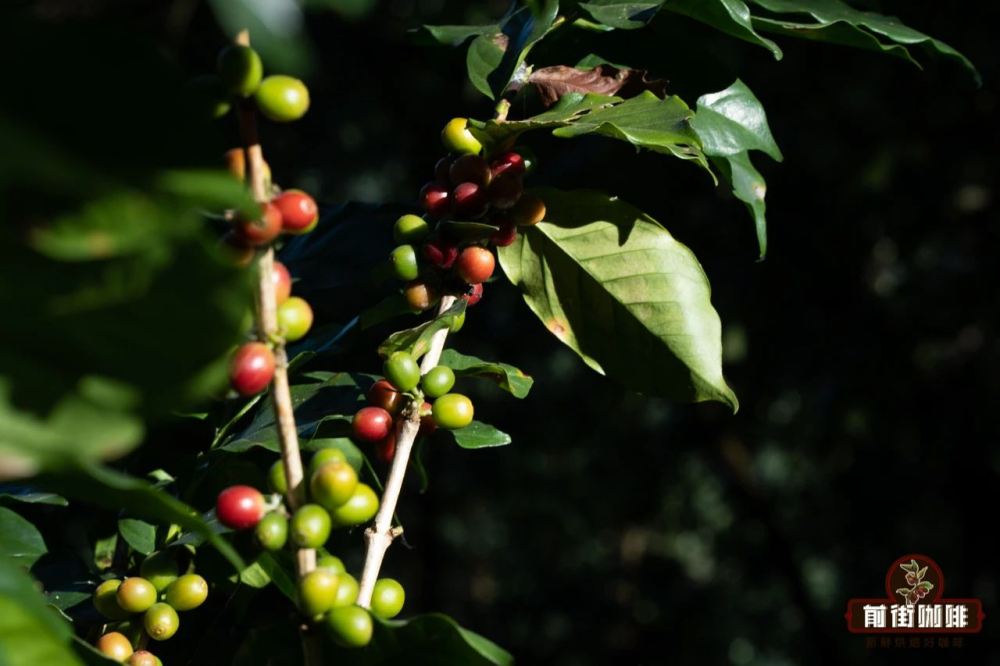
First and foremost is Baoshan’s Ludian Dam, which can be considered the cradle of Yunnan coffee. As early as the 1950s, Baoshan began introducing its first batch of coffee tree varieties. After decades of effort, Ludian Dam has now become one of China’s largest coffee-growing bases, with its Xinzhai Village even being hailed as “China’s No. 1 Coffee Village.” Located at high altitudes with a warm climate and no frost, along with significant day-night temperature variations, this area provides an ideal environment for coffee cherries, helping accumulate flavor compounds.
Currently, the total coffee-growing area in Yunnan province is approximately 1.8 million mu, with an annual output of about 139,000 tons, accounting for around 1.5% of global production. Among them, the proportion of high-quality commercial-grade (above 75 points) and specialty-grade (above 80 points) coffee beans has been increasing year by year. According to 2019 data, high-grade commercial beans accounted for about 10%, while specialty beans made up 5%. The main growing areas span nine prefectures and cities including Pu’er, Baoshan, Dehong, Lincang, Wenshan, and Xishuangbanna, involving more than 380,000 farming households, directly or indirectly impacting over a million people.
Yunnan’s small-bean coffee actually refers to Coffea arabica L. In the 1950s, the main varieties planted in the Baoshan region included Typica, Bourbon, and S288. Among them, Typica is the most traditional and elegantly flavored variety, but it has the drawbacks of low yield and relatively weak disease resistance. To improve yield and stability, Yunnan later introduced Catimor, a hybrid of Caturra and Timor, which offers advantages such as strong disease resistance, high fruit set, and short maturity period. It has now become the predominant variety planted in Yunnan.
Although not a purebred Arabica, Catimor has become the preferred choice for many coffee farmers due to its combination of Caturra’s elegant flavor and Timor’s adaptability. Especially at high altitudes, Catimor can demonstrate good flavor potential, and with proper processing, it can also present rich layers of taste.
When it comes to the processing methods of Yunnan coffee, they are mainly divided into washed and natural (sun-dried) categories. Due to terrain and production conditions, most coffee farmers still use traditional post-harvest processing methods. Although Yunnan has abundant water resources, the harvest season often coincides with rainy weather, making washed processing the most mainstream method due to its stability and controllability.
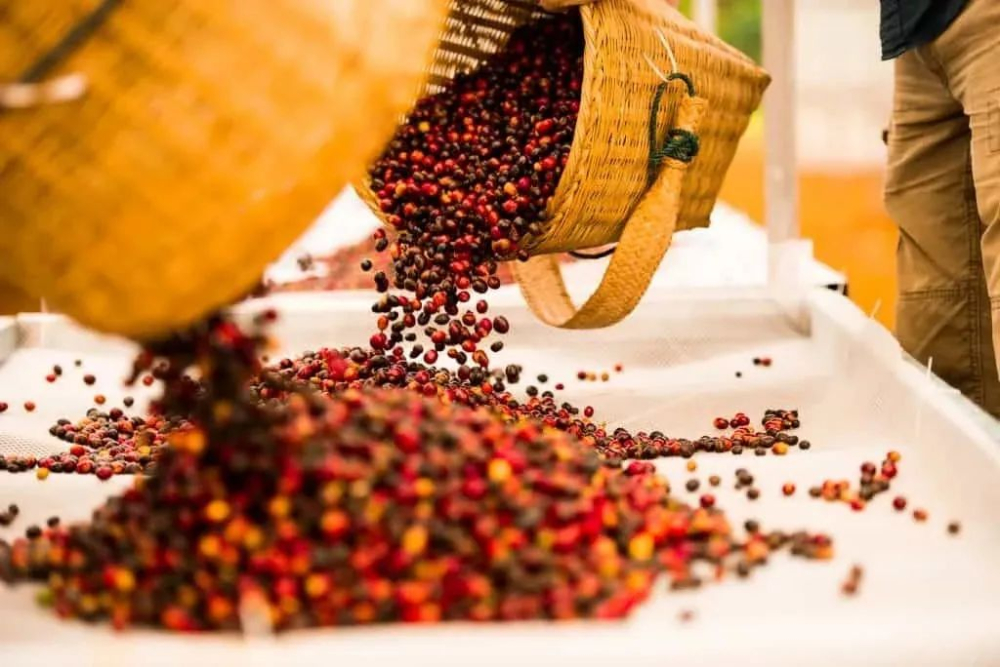
The washed process is relatively complex. First, the harvested coffee cherries undergo floatation to remove floaters and defective beans, then mechanical removal of the skin and pulp. At this point, the beans still have a sticky layer of mucilage on their surface, which needs to be placed in a fermentation tank where microbial action breaks down the mucilage. Afterward, the beans are rinsed multiple times with clean water to ensure complete removal of residues. Finally, the clean coffee beans are evenly spread out to dry. Since most of the mucilage has been removed, washed beans have lower moisture content and typically only require about two weeks to dry.
The natural (sun-dried) method, on the other hand, involves spreading whole red cherries directly onto sun-drying beds, allowing the moisture to slowly evaporate under sunlight. This method preserves the sugars and flavor compounds found in the flesh and mucilage, often resulting in a richer sweetness and fruity aroma. However, it also demands stricter control of weather conditions and more frequent turning—approximately every half hour—to ensure even drying and avoid fermentation off-flavors.
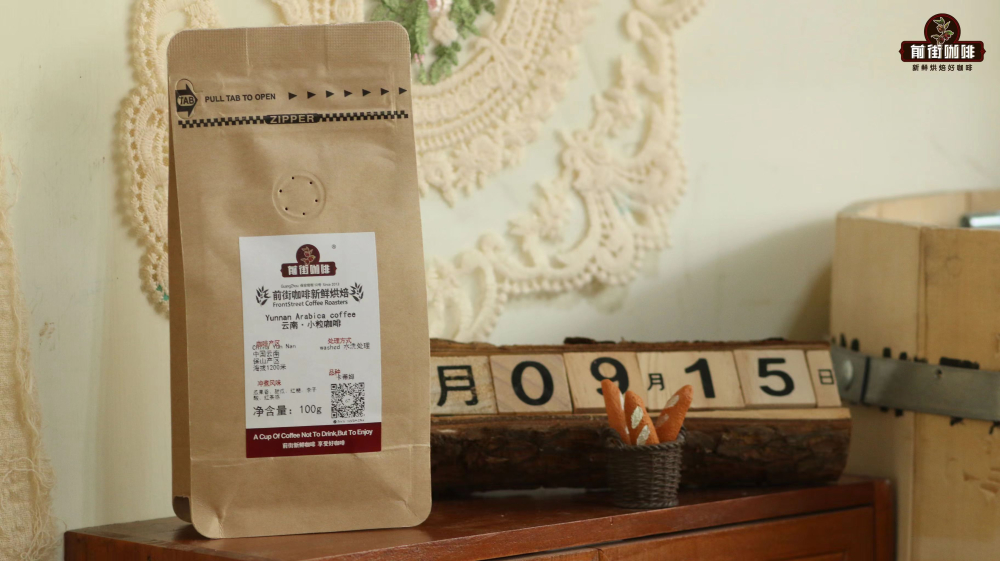
In a real case from one brand, washed Yunnan small-bean coffee beans from Baoshan, grown at an altitude of about 1,200 meters and of the Catimor variety, exhibit aromas of nuts, herbs, chocolate, and caramel after washed processing. The aftertaste carries a gentle fruity acidity, making it highly suitable for drinkers who prefer balanced flavors. For pour over, it is recommended to use a medium-light roast, with water temperature around 90–92°C and a medium-fine grind to better highlight its layered profile.
Meanwhile, a natural-processed Typica from a certain estate in Lincang, grown at 1,300 meters altitude, retains the whole coffee cherry for sun-drying. This bean delivers vivid flavors, with the tangy sweetness of dried apricots, nutty notes, and the sweetness of brown sugar. The aftertaste is smooth and tea-like, making it ideal for consumers who enjoy more pronounced fruity and sweet profiles. A medium-light roast is also recommended, and during pour over, the extraction time can be slightly extended to fully release its sweet aroma.
Overall, the flavor profile of Yunnan’s small-bean coffee excels in balance, encompassing acidity, sweetness, and bitterness. Whether it’s a medium-light roasted washed bean or a richly flavored natural bean, each presents distinctive regional characteristics. Whether you’re a beginner pour over enthusiast or a seasoned coffee connoisseur seeking inspiration from new growing regions, these exceptional flavors from Baoshan and Lincang are well worth trying.
The above content is compiled by CoffeeHunters, a coffee news website.


