







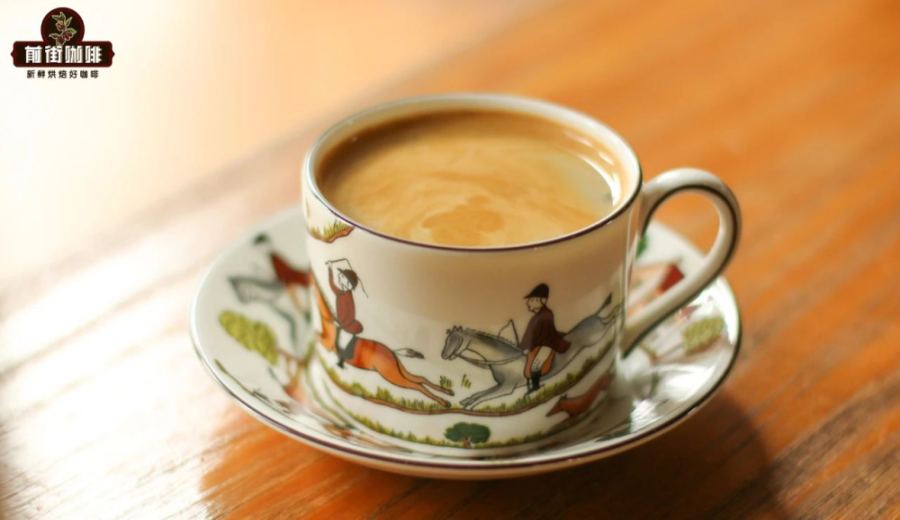
Introduction:Beginners in coffee often struggle to understand the relationship between espresso and Americano, and are also confused about the differences between SOE (single origin espresso) beans and blends. This article delves into the definitions, historical backgrounds, brewing parameters, and flavor profiles of these two classic espresso styles, and recommends several practical blend recipes tailored to different needs—including balanced taste, strong bitterness, mild acidity with body, and wine-like flavors—to help readers choose the right beans and brewing methods for their preferences.
Many coffee enthusiasts who are new to the world of coffee often have only a vague understanding of the differences between espresso and Americano, and are unclear about the distinctions between SOE single-origin beans and blends. This article will provide a detailed introduction to the basic concepts, historical origins, extraction ratios, and tasting techniques of these classic coffee types. It also analyzes the challenges of using single-origin beans in espresso applications and offers several practical blend recipes and recommendations, enabling readers to find the most suitable choice based on personal taste or shop requirements.
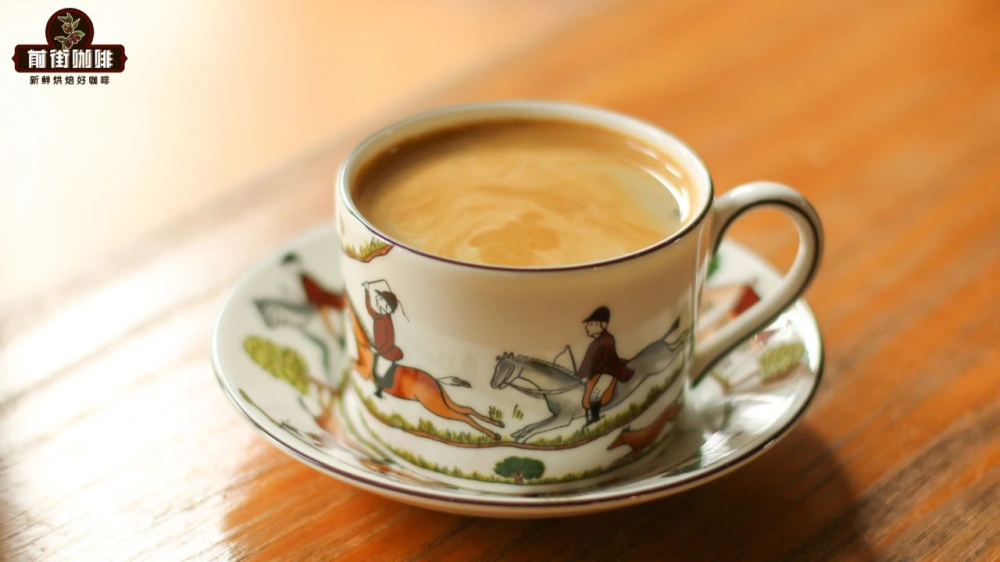 First, let’s clarify a common question: what is an Americano? Simply put, it’s coffee made by diluting a standard shot of espresso with hot water. This beverage originated during World War II when American soldiers stationed in Europe found the local espresso too strong for their palates. To adjust to the taste, they added water, and this practice gradually evolved into today’s American black coffee.
Although a significant amount of hot water is added, the Americano does not lose the aroma of the coffee. Instead, it becomes smoother on the palate, with acidity and bitterness that are more subdued. In practice, some shops choose to pour hot water first and then extract the espresso, while others do the opposite—this primarily affects the distribution of crema and the layering of flavors. A common Americano ratio is 1:6 to 1:8, meaning 30-40ml of espresso mixed with 180-320ml of hot water.
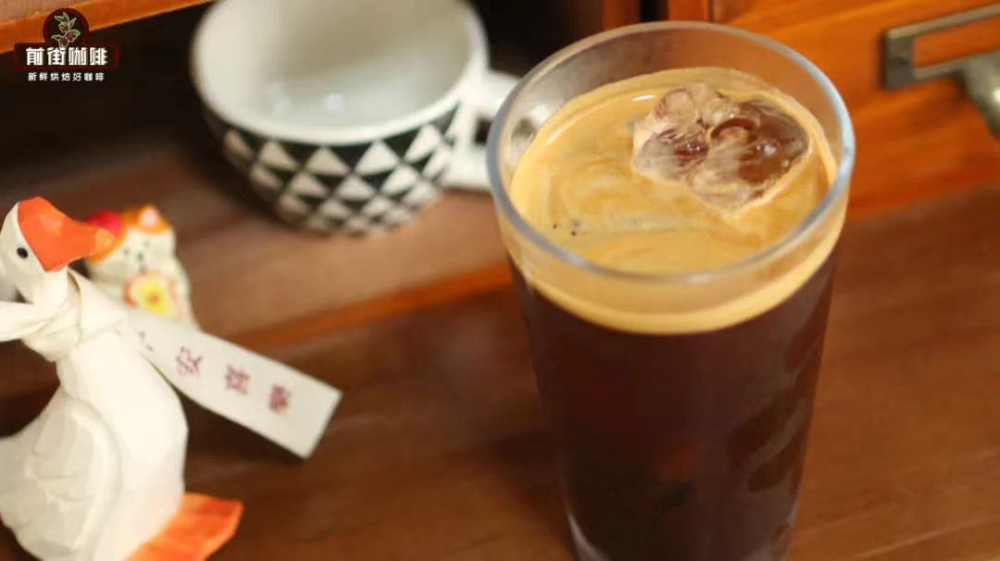 Ideally, an Americano should have a balanced and full-bodied taste—it should not be too thin, overly bitter, or excessively sour. If it tastes too bitter, it’s usually due to over-extraction of the espresso, while excessive sourness may indicate under-extraction. Additionally, too high a water ratio can easily make the overall flavor thin and lacking in complexity.
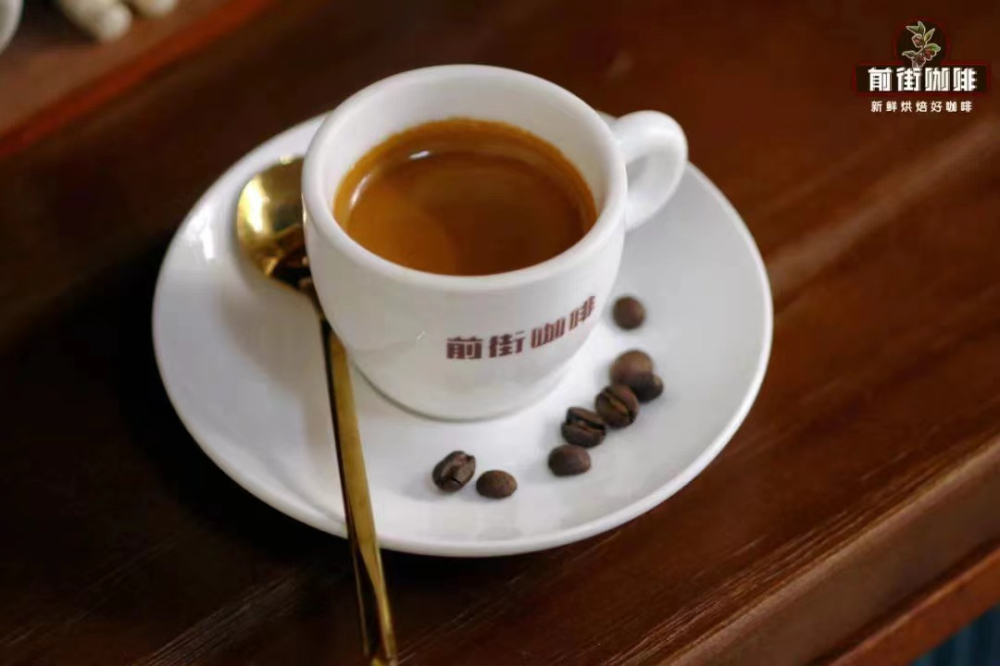
As for espresso, also known as “concentrated coffee,” it is a high-concentration coffee extracted under high pressure (around 9 BAR). This extraction method requires extremely finely ground coffee powder and is completed in a short time (typically 25-30 seconds), producing only about 30ml of liquid but with an extremely high concentration of flavors. Its most distinctive feature is the golden crema on the surface—a delicate layer of oils that not only influences aroma but is also an important indicator of a successful extraction.
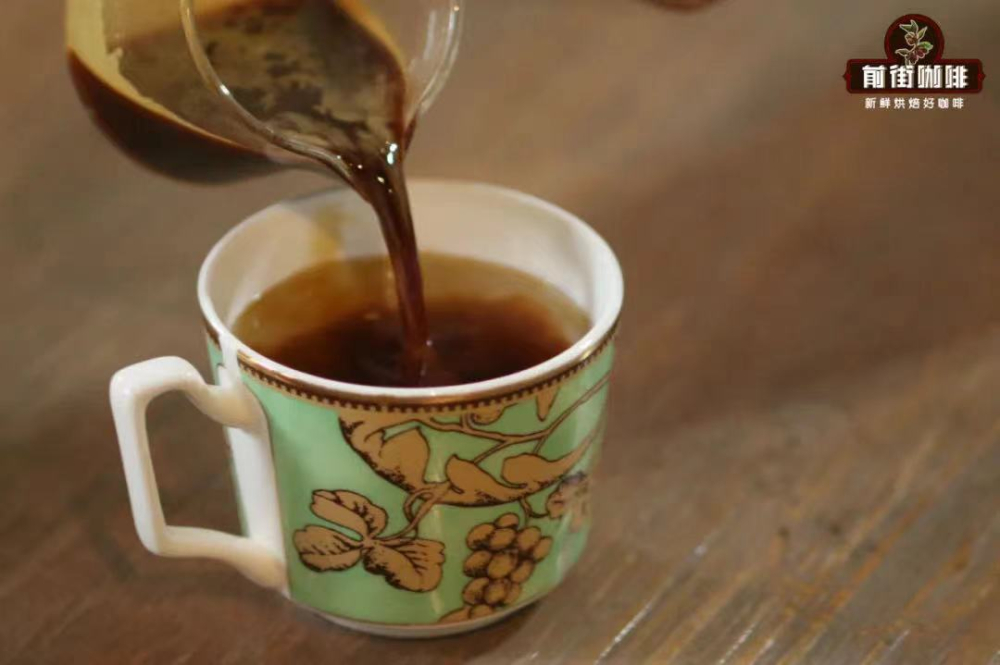 It’s worth noting that before drinking espresso, it’s recommended to take a sip of ice water first. This helps cleanse the palate and awaken the taste buds, allowing you to more acutely perceive the delicate flavors of the coffee. Also, whether to add sugar is a matter of personal preference, but if you want to experience the layers of the coffee itself, it’s advisable to try it without sugar to appreciate the multiple flavors such as fruit acidity, floral notes, nuts, and even wine-like undertones.
Espresso can be enjoyed on its own, but it is also the base for popular coffee drinks like lattes and cappuccinos. Therefore, if the quality of the espresso itself is poor, the resulting milk-based coffee will also be affected. In the world of espresso, blends play a crucial role—they are made by combining beans from different origins in specific proportions, aiming to create a more balanced and stable flavor profile.
Commercially available espresso beans can generally be divided into two main categories: SOE (single origin espresso) beans and blends. SOE stands for Single Origin Espresso, referring to espresso made exclusively from beans of a single origin, which can showcase the unique terroir characteristics of that region—such as pronounced fruitiness, floral notes, or fermentation profiles brought about by special processing methods. However, SOEs are relatively more demanding in terms of roasting and extraction, requiring precise control over roast level and brewing conditions.
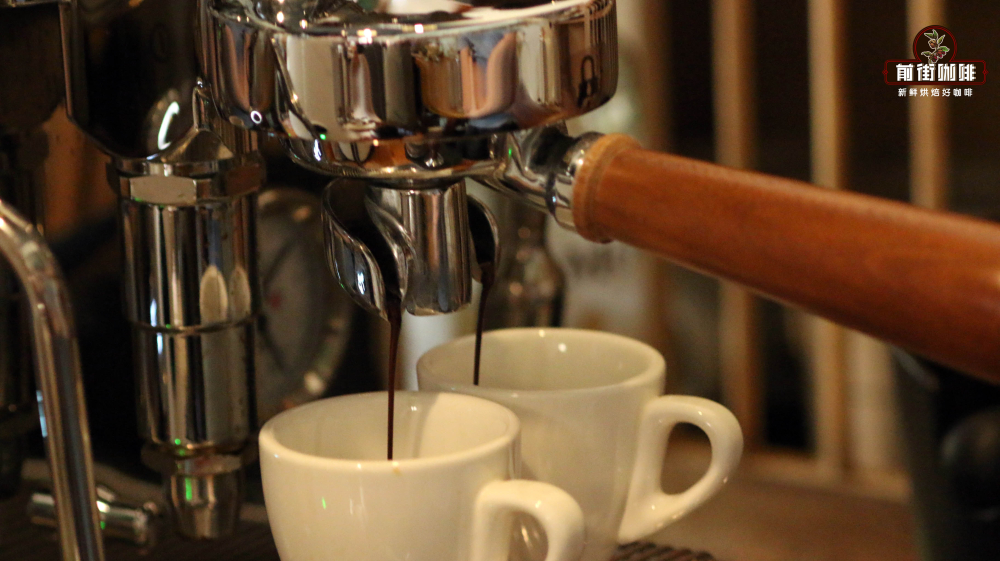 Regarding the roasting of SOEs, it should not be too dark, as that would mask their regional characteristics; but it also shouldn’t be too light, because the high-pressure environment of espresso requires a certain bean density. Under-roasting may result in insufficient puck density, causing the water to flow too quickly, leading to under-extraction and resulting in sourness and a lack of body. Mastering these details is key to successfully extracting high-quality SOEs.
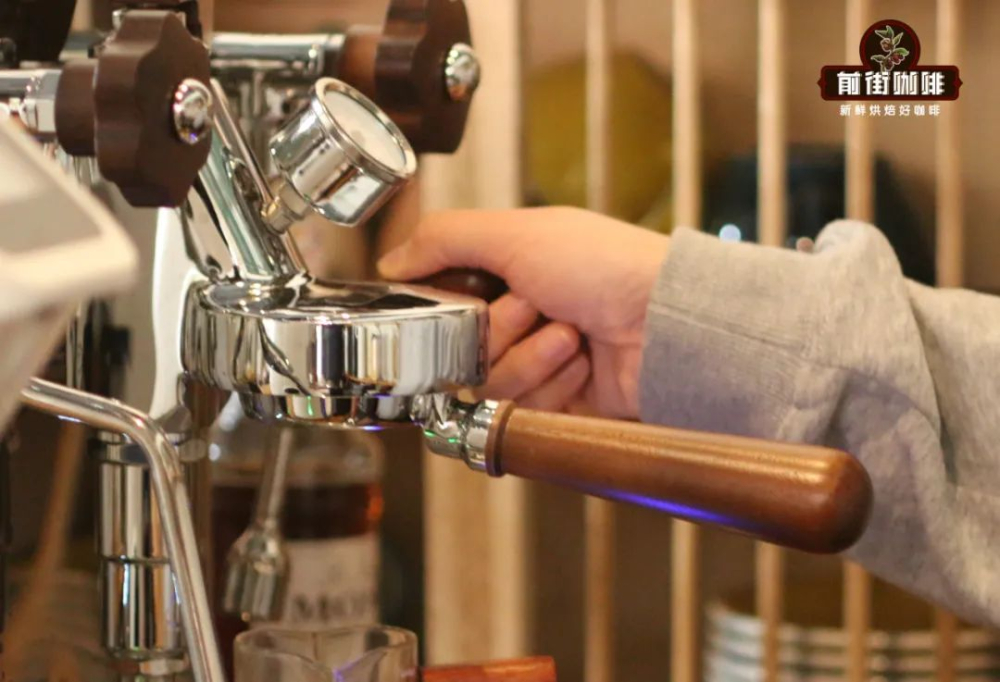 Below are several common and practical blend recipes suitable for coffee enthusiasts or shop owners with different flavor preferences:
1. Balanced-flavor blend:Brazil (70%) + Colombia (30%). This blend combines smooth bitterness with moderate acidity. The Colombian beans provide a noticeable richness, while the Brazilian beans balance the overall taste, making it suitable for beginners or everyday drinking.
2. Bitterness-forward commercial blend:Colombia (30%), Brazil (60%), Robusta (10%). This formula emphasizes rich nutty and chocolatey tones, along with the full body and crema provided by the Robusta, making it suitable for shops that prefer bold flavors or need a strong crema presentation.
3. Mildly acidic and full-bodied blend:Yunnan (40%) + Brazil (60%). A highly cost-effective formula, suitable for home use or shops with budget constraints. The Yunnan beans offer subtle fruit acidity and a rich base, which harmonize with the Brazilian beans to produce an approachable flavor profile that suits most consumers.
4. Wine-like flavor blend:Honduras Sherry (70%) + Yirgacheffe Red Cherry (30%). This blend focuses on fermentation characteristics, delivering a strong wine-like aroma and sweet aftertaste, ideal for coffee lovers seeking unique and layered flavors.
 Finally, many coffee shops use a double shot of espresso (Doppio) as the base and then prepare various coffee drinks according to customer needs. Some shops opt for self-roasted blends, such as combining Ethiopian natural red cherry with Honduras sherry in a 7:3 ratio, which can bring out distinct fruit acidity, berry aromas, wine notes, and layers of chocolate, with a long and memorable finish.
Whether you’re just starting out or already have some experience, understanding the differences between espresso and Americano, as well as the characteristics of SOEs and blends, can help you more accurately select or customize coffee that suits your taste. With the right extraction parameters and bean formulas, you can also enjoy a professional-level coffee experience at home or in your shop.
The above content is compiled by CoffeeHunters, a coffee news website.


