







Introduction:As an important coffee-growing region in Yunnan, Pu'er boasts a planting history of over a hundred years and has emerged as a new force in the global specialty coffee scene. This article delves into the complete journey of Pu'er's small-bean coffee — from varietal evolution and processing techniques to roast flavors — and provides practical pour over parameters and tips to help you better appreciate the unique charm of this China-origin coffee.
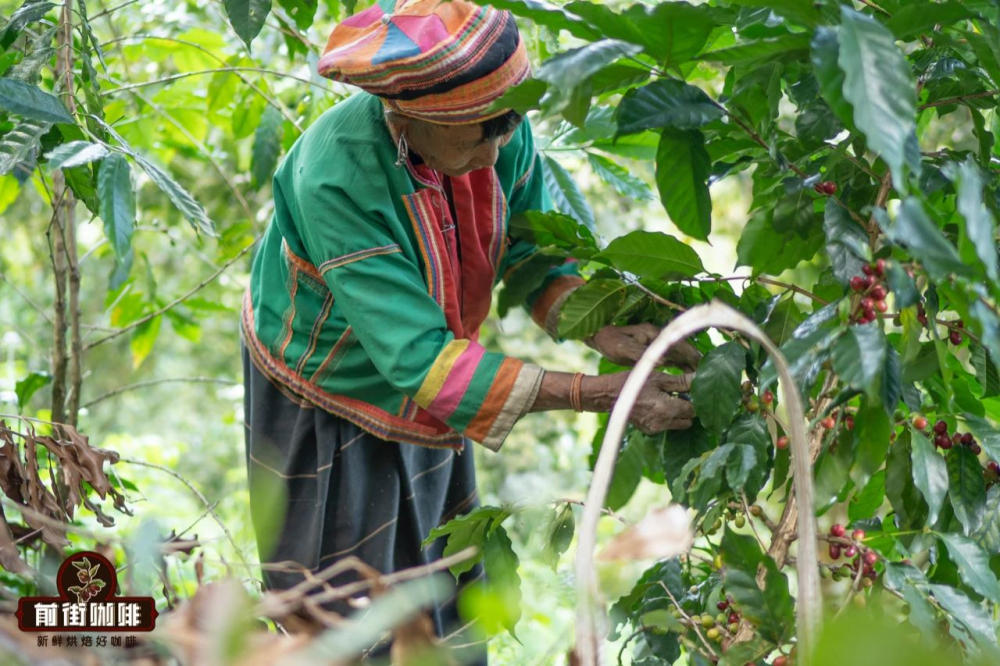
Pu'er is not only a well-known tea region in China but also the core area of Yunnan’s coffee industry. As early as 1892, the first coffee tree was planted here, marking a history of over a century. To date, Pu'er has a coffee plantation area of 679,000 mu, accounting for nearly half of Yunnan Province’s total, with an annual production of over 51,200 metric tons of green coffee beans, serving as a vital source of income for more than 250,000 local farming households.
Located in the southwestern part of Yunnan Province and bordering Vietnam, Laos, and Myanmar, Pu'er is one of the birthplaces of the ancient Tea Horse Road. Known for its tea, the region has also gained a reputation as the "Coffee Capital of China" due to its climate and altitude, which are highly suitable for coffee cultivation. So how did Yunnan coffee emerge from history and gradually capture the attention of both domestic and international markets?
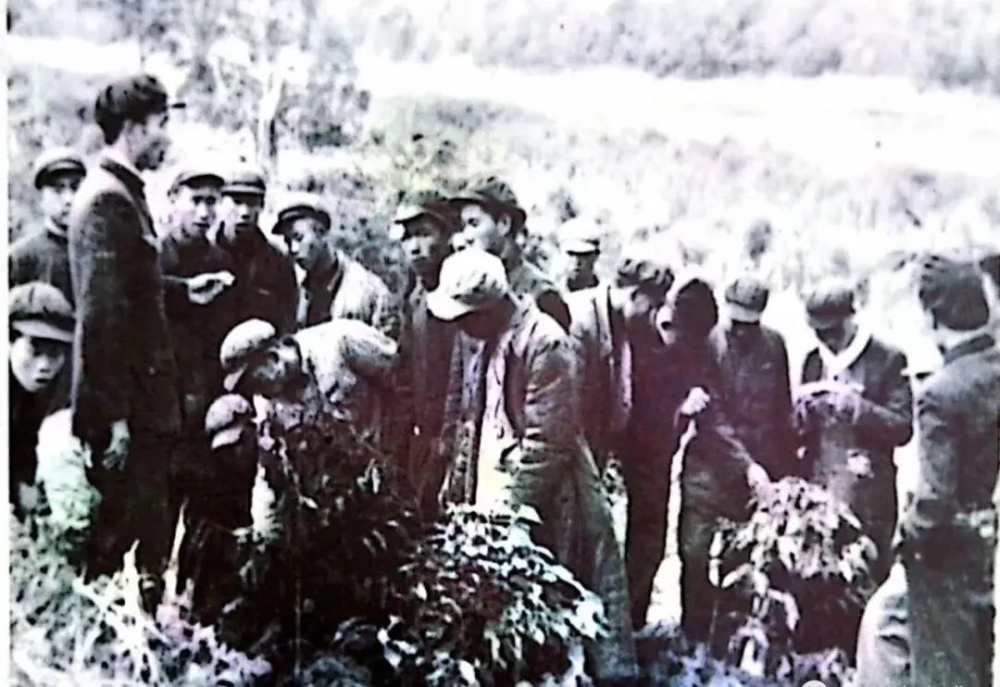
The story of Yunnan coffee dates back to the early 20th century when a French missionary brought coffee seeds to China and planted the first coffee tree in Zhukula. Over time, by 1937, overseas Chinese Liang Jinshan introduced seeds from Myanmar and started coffee cultivation in Baoshan’s Ludigba, primarily planting Typica and Bourbon varieties at that time. These small-bean coffees were known for their bright acidity and delicate flavors, but they were relatively susceptible to disease and had lower yields.
After the 1950s, driven by Chinese agricultural scientists, Yunnan coffee began large-scale planting and was even supplied as an export commodity to the Soviet Union. However, before the 1980s, coffee trees died on a large scale due to leaf rust, leading to a sharp decline in planting area. It wasn’t until 1988, when international brands like Nestlé entered Yunnan and introduced the Catimor variety — which is highly resistant to disease and suitable for the local climate — that the industry regained vitality. Catimor has since become the preferred planting variety for over 90% of Yunnan’s coffee farmers.
 Currently, the most commonly planted small-bean variety in Yunnan is Catimor 7963, developed by Portugal’s Instituto de Investigação das Culturas Tropicais. It features high resistance to rust and abundant yield. Compared to the traditional Typica, Catimor trees are shorter and more compact with denser fruiting, and while they may be slightly inferior in flavor finesse, they offer greater stability, making them suitable for large-scale commercial planting and better adapted to the complex geographical conditions of Yunnan’s mountainous regions.
When it comes to the flavor profile of Yunnan’s small-bean coffee, many describe it as “balanced.” Its taste typically carries notes of nuts, caramel, and chocolate, complemented by moderate fruit acidity and a plum-like tartness, presenting an overall rich yet layered profile. Recommended Yunnan-grown Catimor, mostly processed via washed method, can more clearly showcase its clean and refreshing characteristics, making it ideal for coffee enthusiasts who prefer medium to dark roast profiles.
So, which is better for Yunnan coffee — washed or natural (sun-dried) processing? The washed process involves removing the coffee cherry’s skin and pulp, then placing it in a fermentation tank to remove the mucilage layer, followed by rinsing with clean water and finally drying. This method reduces defect rates, enhances flavor purity, and makes the coffee’s inherent characteristics more pronounced. In contrast, the natural process retains the fruit flesh during drying, which may bring richer fruitiness but often sees flavor consistency and stability affected by weather conditions.
Currently, some products on the market attract attention with special flavor-infused processing methods, but in reality, most Yunnan coffee farmers still primarily use traditional washed and natural processing — the methods that truly reflect the terroir characteristics of the region. Washed Yunnan beans generally have higher cleanliness and more balanced acidity and sweetness, making them an ideal choice for beginners to explore the flavors of Yunnan coffee.
For brewing Yunnan coffee, it is recommended to use the pour over method to more delicately highlight its layers of nuts, caramel, and subtle acidity. It is suggested to use a Hario V60 dripper, with a coffee dosage of about 15 grams, water temperature controlled at 90°C, and grind size at 75% passing through a #20 sieve, equivalent to a medium-coarse grind. The coffee-to-water ratio is advised to be set at 1:15, effectively balancing strength and clarity of flavor.
 Specifically, a three-stage pouring method can be used: first, pour a small amount of hot water (about twice the coffee dose) for a 30-second bloom to initiate aroma release from the coffee grounds; then, slowly pour water up to 125 grams, wait for the coffee bed to slightly drop, and then pour up to 225 grams, completing the whole process in about two minutes. This extraction method helps avoid over-extraction or under-extraction, allowing the coffee to exhibit optimal balance.
Whether you are new to specialty coffee or an experienced enthusiast, understanding the growing background, processing methods, and suitable brewing parameters of Yunnan’s small-bean coffee will enable you to more deeply savor the unique flavors of this China-origin coffee. From the coffee farms in Pu'er’s mountains to the cup in your hand, what lies behind is a fusion of century-old heritage and modern techniques.
The above content is compiled by CoffeeHunters, a coffee news website.


