







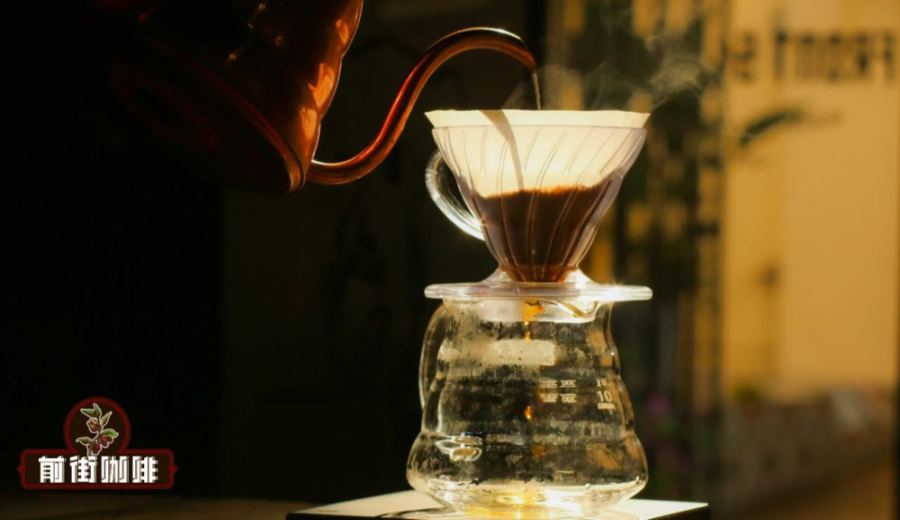
Introduction:The floral aroma layers in specialty coffee are often the starting point for many newcomers entering the world of flavor. This article delves into the common types of floral aromas found in light to medium roasted coffee beans, including white florals, citrus notes, and herbal scents. It also provides a detailed analysis of the aroma profiles and suitable brewing methods for popular pour-over beans such as Yirgacheffe, Geisha, and Huakui. Additionally, it offers a complete step-by-step guide to aroma appreciation—from dry scent, wet aroma, to aftertaste—to help you more keenly detect the delicate floral expressions in coffee.
The allure of coffee lies not only in its ability to invigorate the mind but also in its intricate and varied aroma layers. For beginners to specialty coffee, floral flavors are often the first window into the coffee world. These aromas are usually light and soft, with a fresh and natural quality, bringing a pleasant sensory experience during tasting.
The expression of floral notes in coffee is closely related to several factors, including varietal characteristics, microclimates of the growing region, processing methods, and most crucially, the degree of roasting. Generally speaking,Light to light-medium roastedcoffee beans are better able to retain delicate floral characteristics, as lower roasting temperatures reduce caramelization reactions, preventing intense roasted or bitter notes from masking the original flavors. Coffee roasted to this level typically has a refreshing taste, bright acidity, and is the preferred choice for pour-over enthusiasts.
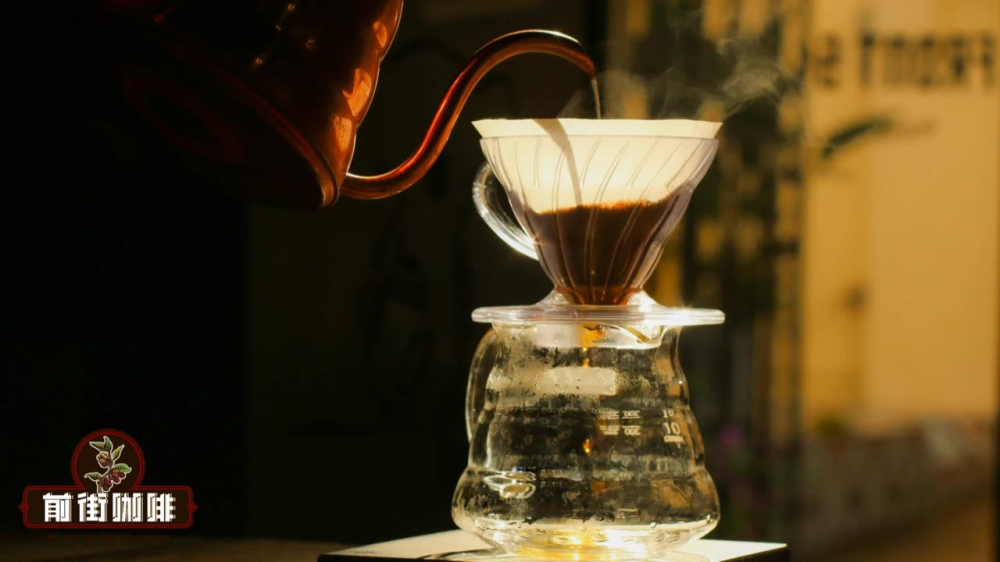
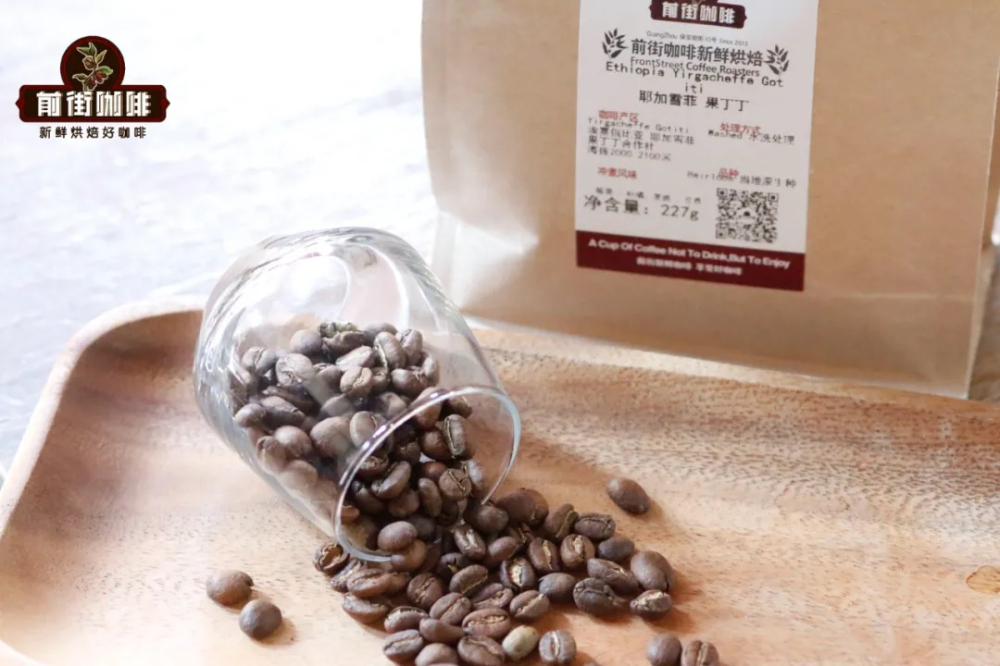
Among the many specialty coffee beans, there are quite a few classic varieties renowned for their floral qualities. For example,Yirgacheffe Guji Dingdingfrom Ethiopia often exhibits distinct citrus tones, elegant tea-like qualities, along with graceful white floral and berry aromas. When brewed using pour-over or drip bag methods, its white floral notes are especially prominent; if cold brew, ice drip, or siphon brewing methods are used, the tea-like qualities become even more noticeable—ideal for those who prefer a refreshing taste.
Another widely loved bean isNatural-processed Huakui, originating from Yemen’s renowned coffee-growing region. After undergoing natural sun-drying processing, its flavors become more intense. This bean often presents notes of orange blossom, strawberry, citrus, guava, mango, and other tropical fruits, paired with a silky creamy texture. Whether brewed via pour-over, drip bags, cold brew, or siphon, it showcases rich layers of flavor.
From Peru,Pochote Geishais another floral masterpiece. The Geisha variety itself is well-known for its floral and fruity aromas, and this bean often displays pronounced jasmine floral notes, honey sweetness, and citrus tones, with even a hint of green tea freshness. Notably, it expresses elegant sweetness and floral layers in both hot and cold brews, making it suitable for various brewing styles.
In addition,Rwanda Red Bourbonis also a noteworthy option. This bean has relatively subtle floral aromas, but they complement berry, citrus, caramel, and nutty tones, forming a soft and balanced flavor profile. Suitable for brewing via pour-over, drip bags, ice drip, or cold brew, it fully reveals its delicate aromatic expressions.
If you enjoy beans with citrus and creamy notes, you can tryKafa Forest. When brewed using pour-over, it often releases pleasant orange blossom and white floral aromas, along with soft citrus and melon seed nuances, resulting in an overall very likable cup.
Finally,Kenya Little Tomatois a fruit-forward bean that often carries complex fruit tones such as cherry tomatoes, pears, black plums, and dark plums, paired with distinct brown sugar sweetness and herbaceous notes reminiscent of honeysuckle. This bean is best brewed using pour-over or cold brew methods to fully showcase its vibrant juiciness and unique flavor character.
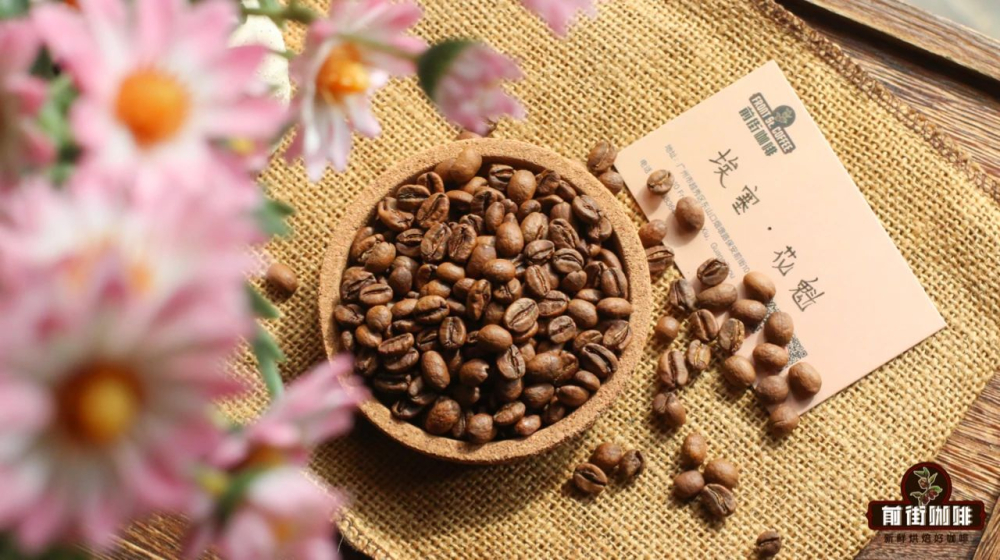
How do you appreciate the floral notes in coffee? In reality, you need to approach it through multiple olfactory and taste stages to fully capture its details. First,Smelling the dry aromais the most direct starting point: immediately after grinding, bring your nose close to the coffee grounds and take a deep breath. This is when you can often capture the most original floral signals—for example, the rose aroma of Huakui is often released right after grinding.
Next isSmelling the wet aroma: during the blooming phase after pouring water, the heat will release a large amount of volatile aromatic compounds. At this point, bring your face close to the cup rim, where you’ll be able to smell a blend of various aromas, often with floral notes standing out the most. This is also a key moment for assessing the flavor potential of the beans.
When the coffee cools down toaround 40°C , it’s time for theAftertaste aroma sniffingstage. At this lower temperature, some subtle floral notes tend to emerge more easily, especially those delicate and long-lasting fragrances that can further highlight the coffee’s nuanced layers.
Lastly, don’t forget to employ theSipping (slurping) methodfor tasting: take a quick sip of the coffee, allowing the liquid to evenly spread across your tongue, and use rapid inhalation to draw the aromatic molecules into the back of your nasal cavity, thereby enhancing your perception of the floral notes. This technique helps you more comprehensively experience the overall flavor profile of the coffee.

The above content is compiled by CoffeeHunters, a coffee news website.


