







Introduction:Although the Blue Mountain coffee beans from a well-known coffee brand can be used to make espresso, their high price and supply instability mean they are rarely seen in commercial settings. This article delves into the extraction parameters, cost-effectiveness, and milk foam handling and latte art techniques when using Blue Mountain beans for lattes, helping coffee enthusiasts understand the performance and challenges of this premium coffee bean in espresso applications.
Many people ask: “Can the Blue Mountain coffee beans from a well-known coffee brand be used to make espresso and then enjoyed with milk?” The answer is yes, but why do most coffee shops hardly do this? In fact, from an extraction perspective, any coffee bean can be used to make espresso—the key lies in whether it is “suitable,” which includes considerations such as cost, flavor profile, and supply stability.
First, espresso is typically made with darker roasted beans, which helps suppress overly sharp acidity under high pressure and brings out richer caramel, nutty, or chocolatey notes. Therefore, the commonly available espresso beans differ from the lighter-roasted beans suitable for pour over.
Next is the cost. Single-origin espresso (SOE) beans can indeed be used for espresso, but if you’re aiming for outstanding flavor, high-quality beans are usually required, which naturally drives up the price. To control budgets, many shops opt for blends of cost-effective beans to balance overall flavor and cost. The Blue Mountain beans from this well-known brand fall into the high-price single-origin category, which deters most shops.
The Blue Mountain coffee from this well-known brand was once hailed as the “King of Coffee” during the 1970s to 1990s, and its price has long remained high—even today, it remains a top-tier offering among specialty coffees. For example, the brand’s Blue Mountain No. 1 is priced at about 158 RMB per 100 grams. Brewing a shot of espresso requires approximately 20 grams of coffee grounds, resulting in a single cup coffee bean cost of 31.6 RMB, which is vastly higher compared to the mere ~2 RMB cost of a typical espresso.
Aside from price, the rarity and origin restrictions of Blue Mountain coffee are also contributing factors. Jamaica is one of the few countries in the world with a dedicated department managing coffee production, known as the CIB (Coffee Industry Board), which sets planting standards and oversees the production process. According to regulations, only coffee beans grown at elevations above 910 meters in the Blue Mountains qualify to be called “Blue Mountain coffee from this well-known brand.” Otherwise, they can only be sold under designations such as high mountain coffee or Jamaican Prime.
The coffee varieties grown in Jamaica are primarily Typica. Due to the island’s isolated geographic environment, the Typica here has preserved ancient Arabica genetics. Coupled with the introduction of precision washed processing and scientific cultivation techniques with Japanese technical support in the 1970s, Jamaican Blue Mountain coffee has achieved an exceptional flavor and quality. As a result, there are plenty of attempts on the market to blend beans from other regions (such as Mandheling and Brazilian beans) to mimic the flavor profile of Blue Mountain, such as the famous “Mandheling-Brazil blend,” which significantly reduces costs while still delivering a similar taste experience.
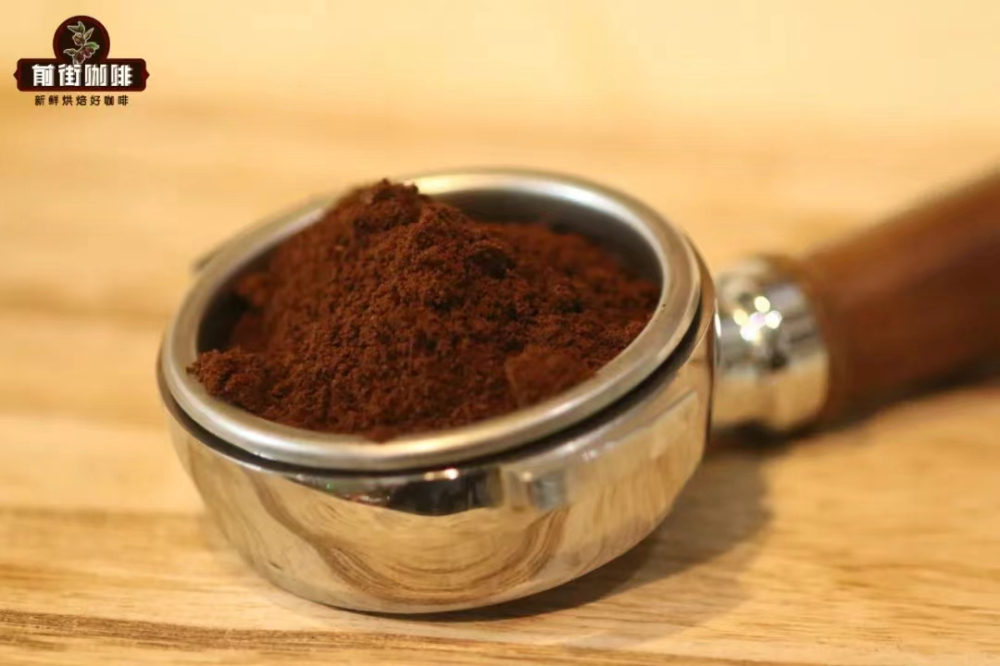
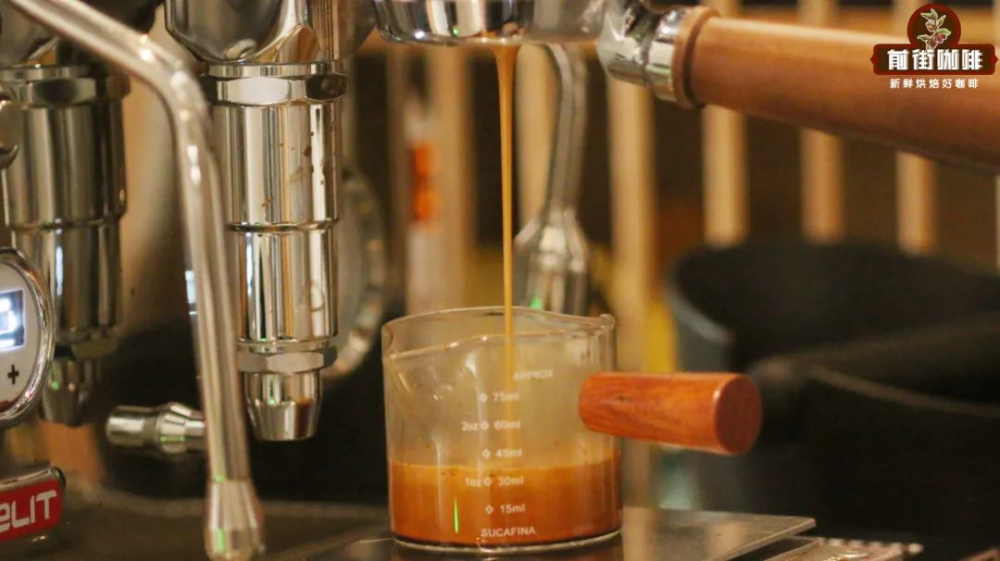
So, if you still want to try making espresso with Blue Mountain beans, how should you extract them? The well-known brand recommends using dark roasted Blue Mountain beans and setting the coffee-to-water ratio to 1:2—that is, extracting 26 to 40 grams of espresso from 18 to 20 grams of coffee grounds, with an extraction time controlled between 25 to 30 seconds. Beginners can adjust the grind size within this range; generally, around 40 grams of coffee grounds are sufficient for an initial test, but if you’re not familiar with the operation, you might accidentally use up an entire pack of Blue Mountain beans.
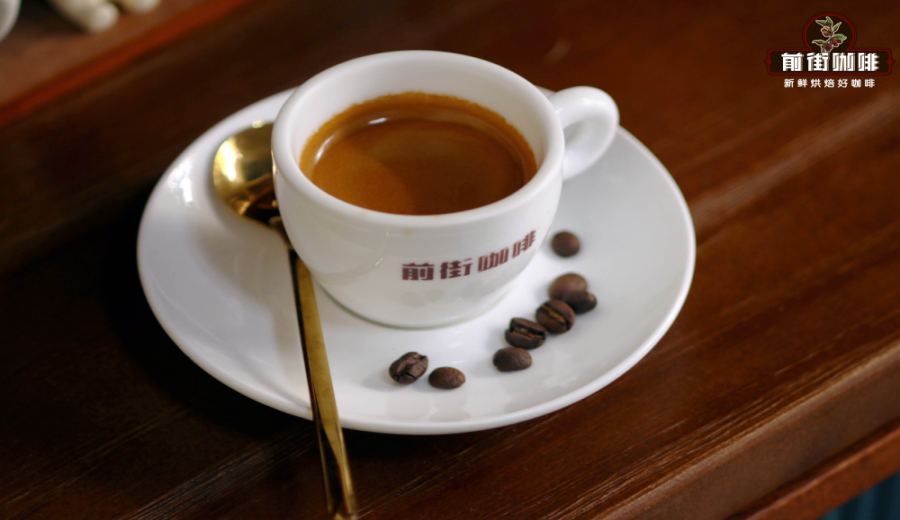
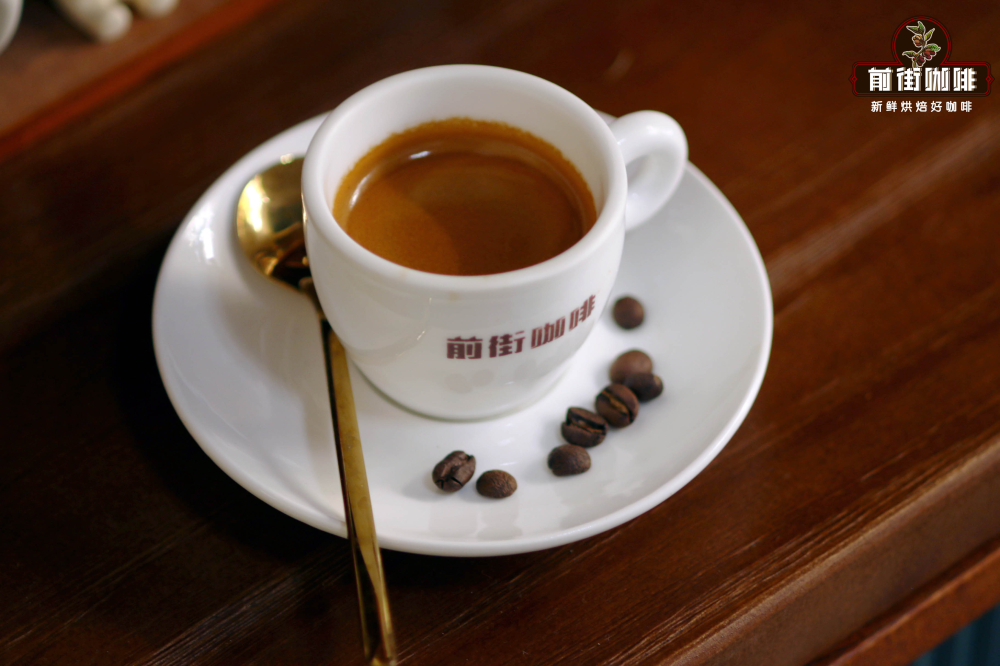
When extracted properly, Blue Mountain espresso can yield a golden, fine crema, exuding rich caramel and chocolate aromas. The flavor is full-bodied, with a smooth texture reminiscent of buttery chocolate. Though it leans toward a bitter profile, the aftertaste is noticeably sweet and long-lasting, with almost no noticeable dryness.
Of course, you can also add Blue Mountain espresso to milk to make a Blue Mountain-flavored latte. Simply heat 200 milliliters of milk and mix it evenly with the espresso. If you want to further challenge yourself with latte art, pay attention to the fineness and thickness of the milk foam—the finer and more fluid the foam, the easier it is to create clear patterns.
The key to latte art lies in “integration” and “pouring the design.” Good integration creates what is known as the “golden circle,” elevating both the visual and taste experience of the drink; conversely, poor integration can make the whole drink look scratched, no matter how refined the pattern. It is recommended to integrate in a single circular motion, holding the cup in your left hand and the pitcher in your right, with hands offset by about half a circle. Use varying pressure—high and low—to gently stir, trying to make the largest possible circle without touching the cup wall, which helps mix the coffee and milk foam evenly.
As for finishing the latte art, take a simple large white heart as an example: pour the milk foam until the cup is about seven-tenths full, start drawing a circle at the 1/4 height mark, and slowly move the pitcher back toward the center. As the cup gradually fills, perform the final finishing motion to complete a symmetrical and aesthetically pleasing pattern.
The above content is compiled by CoffeeHunters, a coffee news website.


