








Introduction:Mandheling coffee is renowned for its intense herbal aroma and rich chocolatey aftertaste, but it is often considered unsuitable as an espresso base. This article explores its bitterness sources and extraction challenges from the perspectives of origin background and processing methods, compares the performance differences between single-origin Mandheling and the classic Mocha-Java blend in espresso, and provides practical parameters and segmented brewing techniques for Golden Mandheling pour over to help you master the optimal flavor expression of this Indonesian bean.
When it comes to Mandheling, many coffee enthusiasts first think of its unique herbal fragrance and full-bodied black chocolate aftertaste, paired with a heavy mouthfeel, which has secured its place in the global coffee market. However, when considering using this classic Indonesian coffee bean for espresso, a common question arises: Is Mandheling really suitable for espresso? This article will delve into its flavor profile and compatibility with espresso by examining Mandheling’s origin characteristics, varietal evolution, and processing methods, and analyze why pure Mandheling espresso tends to turn out overly burnt and bitter, while the classic Mocha-Java blend can deliver a balanced and rich character. Additionally, we’ll share pour over parameters and segmented extraction techniques for Golden Mandheling to help you more comprehensively harness the potential of this Indonesian coffee.
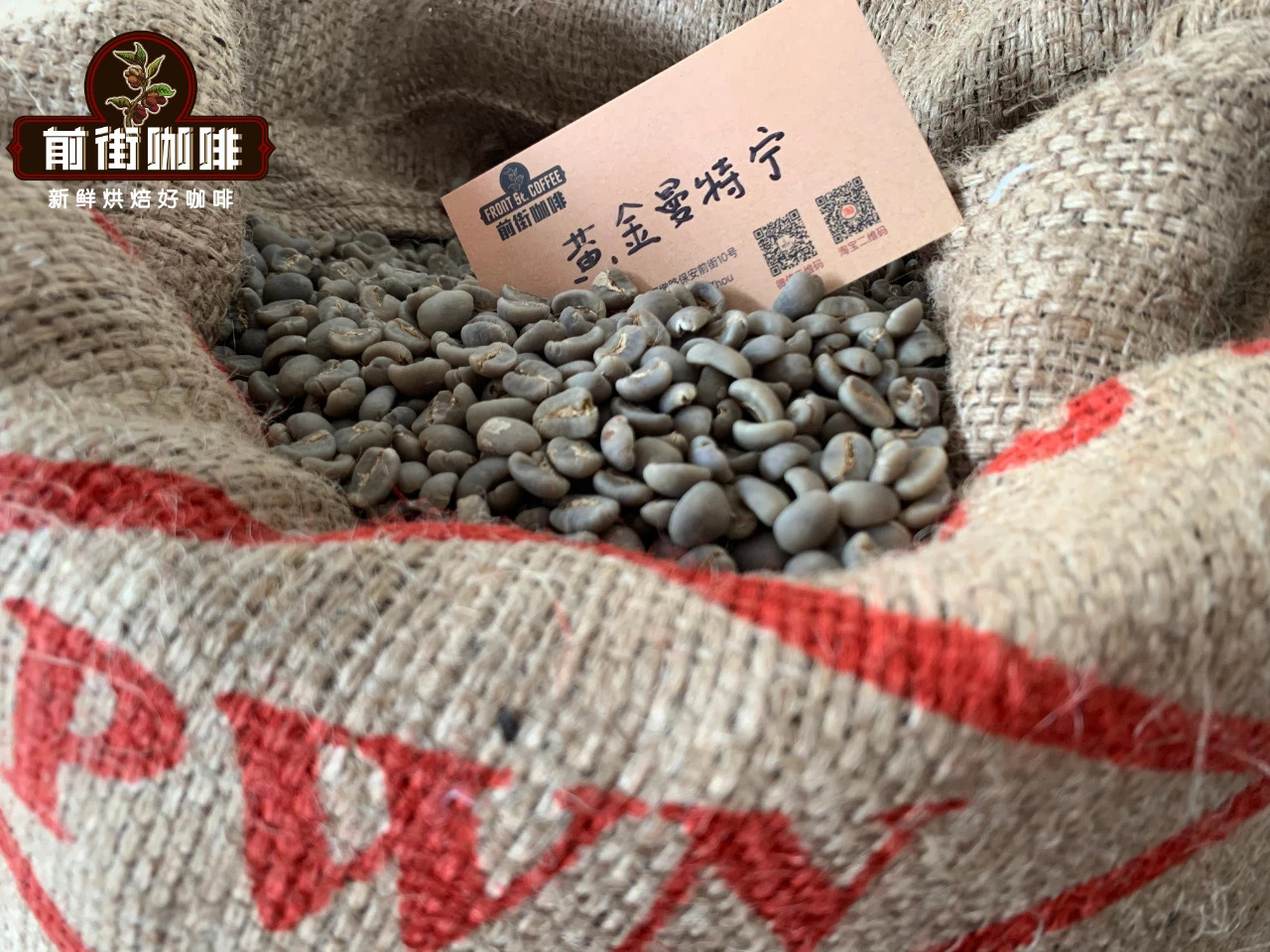
The supplied Mandheling coffee beans, with their distinct herbal aroma and bold black chocolate notes, have won the favor of many coffee lovers, especially in the Japanese market where they are highly regarded. Currently, there are two main offerings: one is the more affordable "Lintong Mandheling," which showcases the typical flavors of the Indonesian growing region, and the other is the premium "Golden Mandheling" produced by Indonesia’s top-quality representative—PWN. These two beans are currently recommended for pour over or drip brewing methods to fully highlight their delicate layers.
Interestingly, the name "Mandheling" refers neither to an origin nor a coffee variety, but stems from a historical misunderstanding. After World War II, a Japanese veteran longing for the coffee he drank in Indonesia returned to Sumatra in search of that memory. Guided by locals, he found the familiar coffee and asked what kind it was. The locals, thinking he was asking about their origin, answered "mandailing (曼代寧)," but the veteran misheard it as "mandehling (曼特寧)," and thus the name has been passed down to this day.
Indonesia’s geographic and climatic conditions have a profound impact on Mandheling’s flavor. The perpetually humid and rainy environment, combined with fertile volcanic soil, provides an ideal growth foundation for coffee trees. However, the relatively low altitude and humid weather have led to the development of the unique "wet hulling" processing method. This technique involves removing the parchment layer before the coffee beans are fully dried, which accelerates the drying process but also makes the beans more susceptible to bacterial and mold contamination, thereby affecting the purity of the final flavor.
In Indonesia, the choice of coffee varieties is also full of challenges. Historically, to combat leaf rust, various foreign varieties such as Robusta, Kent, and Bourbon were introduced and crossbred with local varieties, giving rise to hybrids like Tim Tim, Ateng, and Bor Bor on the island of Timor. These varieties often contain Robusta genes, resulting in more pronounced bitter notes in flavor. However, it’s worth noting that this bitterness is not a flaw but one of the most distinctive regional characteristics of Sumatran coffee.
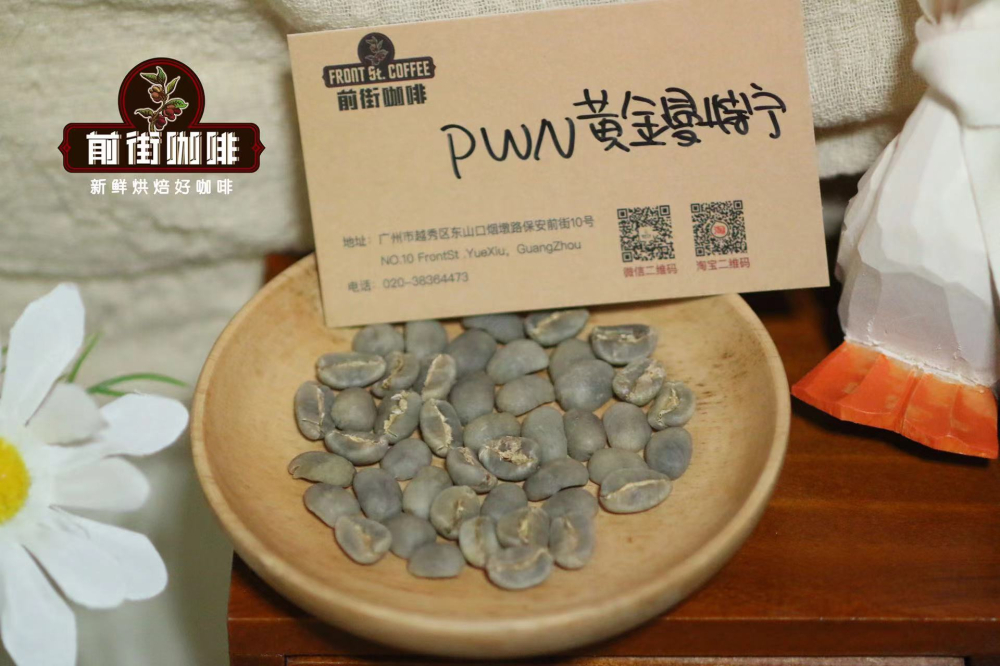
Take the "Golden Mandheling" produced by PWN as an example. This coffee bean exhibits exceptional cleanliness, retaining the distinctive herbal aroma of Indonesia while also delivering prominent caramel sweetness and a creamy, rich mouthfeel, with a long and comforting aftertaste. All of this is thanks to PWN’s strict selection standards: green beans must be size 18 or larger, with no more than 3 defective beans in a 300g sample, classifying it as the highest grade G1. The beans are dark green in color and have a uniform flat shape. The entire selection process includes one machine sort and three hand sorts to ensure every bean meets the utmost quality. Therefore, if you want to experience true Golden Mandheling, be sure to look for the PWN-certified Yellow Mandheling label.
So, is Mandheling suitable for making espresso? The answer is not absolute. In fact, there is a classic espresso blend recipe—the "Mocha-Java blend"—composed of 3 parts Mandheling and 7 parts Brazilian coffee beans, which is widely loved for its balanced and rich flavor. However, using 100% pure Mandheling for espresso can easily result in an overly burnt and bitter taste due to its inherent intense characteristics and processing method, making it less suitable for direct consumption.
Therefore, it is recommended to primarily use Mandheling coffee beans for pour over or other drip brewing methods, which can more fully showcase their flavor layers. Taking "Golden Mandheling" as an example, we provide the following practical extraction parameters and technique suggestions:
Origin:Gayo Mountain, Aceh, Sumatra, Indonesia
Altitude:1100m-1600m
Variety:Ateng
Processing Method:Wet Hulling
Brewing Parameter Recommendations:
Filter: Kono
Water Temperature: 88°C
Coffee Dose: 15g
Coffee-to-Water Ratio: 1:15
Grind Size: EK43s#11 (70% passing through a 20-mesh sieve according to Chinese standards)
The reason for choosing the Kono filter is that its rib design is concentrated at the bottom, allowing the filter paper to adhere closely to the cup wall, effectively restricting airflow and extending the contact time between water and coffee grounds, thereby enhancing the extraction body—especially suitable for medium to dark roasted beans such as Golden Mandheling, Brazilian Queen Estate, or Jamaican Blue Mountain No.1. Additionally, the lower water temperature setting helps avoid over-extraction of off-flavors, particularly important for dark roasted beans, where excessively high temperatures can lead to flavor imbalance.
Brewing Technique:
1. Start with a 30g bloom for about 30 seconds.
2. Then pour water in small circles until the total volume reaches 125g, then perform the first pour segment.
3. When the water level drops and is about to expose the coffee bed, continue pouring until the total reaches 225g, then stop.
4. When the water level drops again and is about to expose the coffee bed, remove the filter.
The overall extraction time is controlled to around 2 minutes, starting from the bloom.
This segmented extraction method effectively balances Mandheling’s intense characteristics, highlighting its multi-layered, rich, clean, and well-balanced profile. Flavor notes commonly include intense nuts and caramel aromas, accompanied by captivating chocolate tones, with a long-lasting and memorable aftertaste.
The above content is compiled by CoffeeHunters, a coffee news website.


