







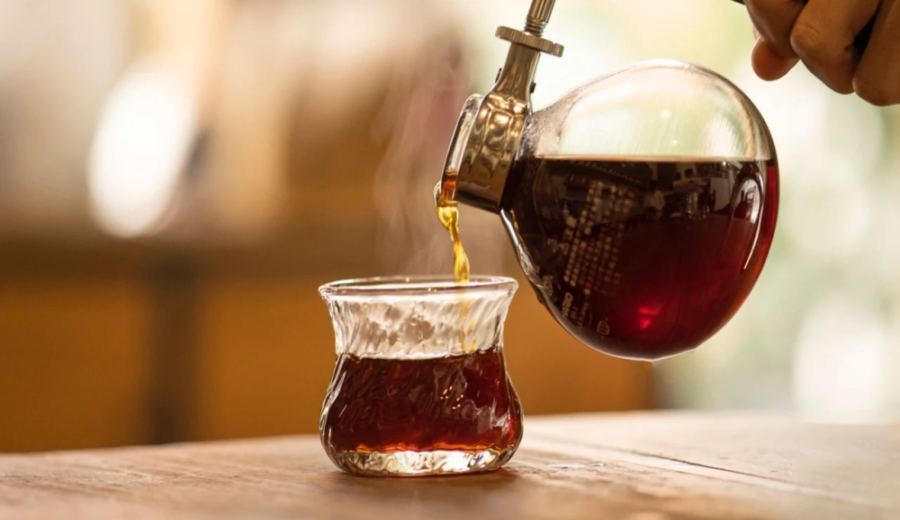
Introduction:Both the siphon pot and pour over are classic brewing methods for single-origin coffee, yet they deliver distinctly different taste experiences. One is rich and full-bodied with intense aromas, while the other is clean and bright with well-defined layers. This difference stems from the profound impact of extraction principles and filter material choices. This article delves into the workings of these two devices, explaining in detail how constant-temperature immersion and drip filtration shape unique flavor profiles, and analyzing how the filtering characteristics of flannel and paper affect mouthfeel—helping coffee enthusiasts choose the right brewing method based on their taste preferences.
In the world of specialty coffee, the siphon pot and pour over are two highly representative brewing methods for single-origin coffee, but the final taste and flavor profiles they produce often differ drastically. Many coffee lovers, when trying these two methods for the first time, are surprised by the stark contrast between them: siphon-brewed coffee is usually richer, with more concentrated aromas and a heavier body, whereas pour over coffee exhibits a clear and bright texture, with distinct and easily recognizable flavor layers. These differences mainly arise from their fundamentally different extraction principles and filtration system designs.
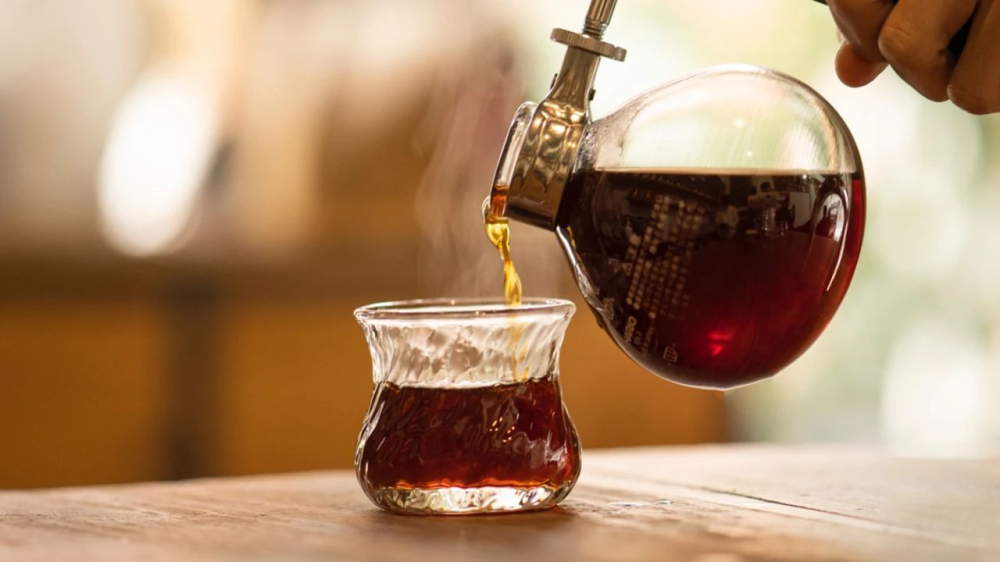
The siphon pot, with its unique visual effect and operational charm, was hugely popular in the last century and remains favored by many coffee enthusiasts today. With the resurgence of retro beverage culture, more and more cafés are reintroducing the siphon pot to their menus, allowing modern consumers to experience this classic brewing allure. In contrast, pour over coffee, with its precise control and refreshing taste, has become one of the mainstream methods in modern specialty coffee. When these two methods are compared side by side, the differences go beyond appearance and operation—they also showcase their own unique personalities in terms of flavor.
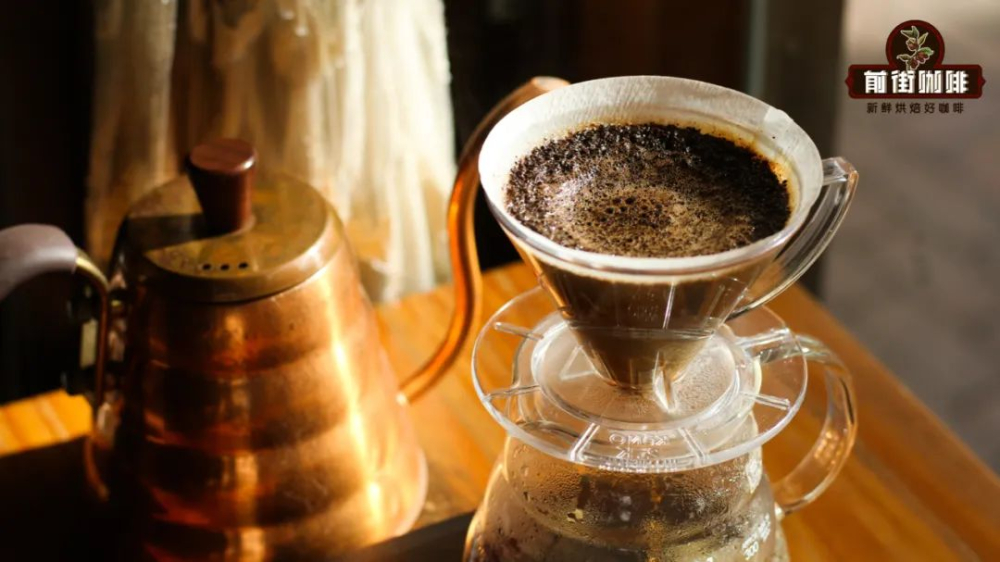
To deeply explore the distinctions between the two, we must start with the brewing methods. Pour over generally employs what is called "drip filtration" extraction—a process where hot water slowly passes through a bed of coffee grounds and is separated from the solid residue by high-density filter paper. However, it’s worth noting that pour over is not purely drip filtration, as in practice, there is a brief contact time between the coffee grounds and hot water, creating a slight immersion effect. This hybrid mechanism allows pour over coffee to retain the clarity of drip filtration while achieving moderate flavor extraction.
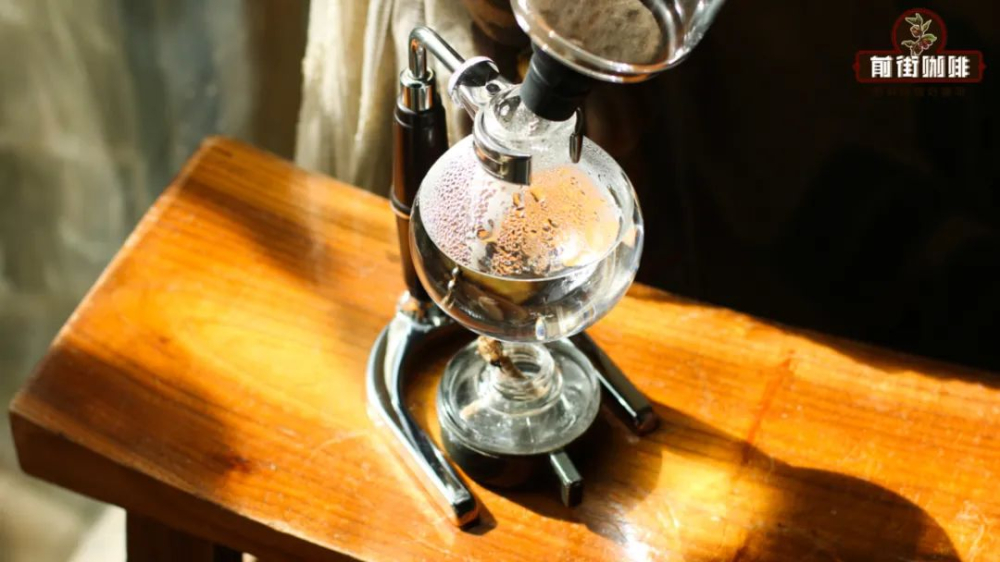
In contrast, many people mistakenly believe that the name "siphon" refers to the brewing method itself. In reality, "siphon" only describes the physical phenomenon of using pressure difference to draw water from the lower chamber to the upper chamber. The actual extraction process occurs after the water is drawn up, when coffee grounds are added for immersion. Therefore, the siphon pot's extraction is essentially "immersion-based." During this process, water and coffee grounds are in full contact, allowing flavor compounds to steadily dissolve. Since the entire immersion process takes place in a constant-temperature environment, the water temperature remains stable, which not only facilitates balanced release of flavor compounds but also enhances overall extraction efficiency.
The constant-temperature immersion characteristic of the siphon pot results in a relatively high extraction rate, especially when combined with appropriate stirring, allowing extraction to be completed in a short amount of time. This stable extraction environment gives siphon coffee its rich and aromatic profile. It is recommended to choose medium-roasted coffee beans, such as those with nutty and chocolatey notes, to fully showcase the extraction advantages of the siphon pot.
In comparison, pour over relies on a continuous flow of fresh hot water to gradually extract flavor compounds from the coffee grounds. This drip method releases flavors progressively, avoiding over-extraction, thereby presenting a cleaner and more layered taste. For coffee enthusiasts who prioritize clarity of flavor and seek fruity or floral notes, pour over offers a more refined taste experience.
Beyond the brewing method, the difference in filtration systems is also a key factor influencing the mouthfeel of the two types of coffee. Pour over commonly uses high-density filter paper, which effectively traps fine coffee particles and oils, allowing only pure coffee liquid to pass through, thus creating a visually clear and clean-tasting cup. This "over-filtration" characteristic, while sacrificing some body, delivers exceptional clarity and flavor definition.
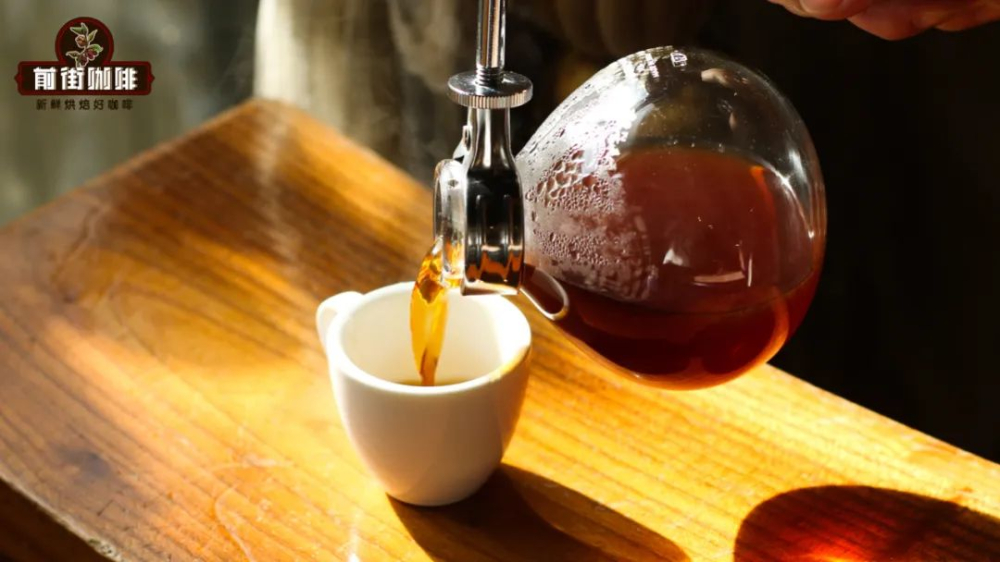
The siphon pot, on the other hand, often uses a flannel filter cloth as the filtering medium. Although some users also opt for paper filters, flannel can more comprehensively cover the filter opening, allowing fine particles and trace amounts of oils to pass into the final coffee liquid. These tiny suspended solids may make the coffee appear somewhat cloudy, but they add a rich body and silky texture to the mouthfeel. This is also one reason why many coffee lovers perceive siphon coffee as having more "weight."
In summary, the fundamental differences in extraction principles and filtration methods between the siphon pot and pour over directly shape their unique flavor profiles. The siphon pot, with its constant-temperature immersion and flannel filter, delivers a rich and aromatic taste; whereas pour over, through drip filtration and high-density filter paper, presents a clean and layered flavor. Understanding these differences can help coffee enthusiasts choose the brewing method that best suits their personal taste preferences, further exploring the endless possibilities of single-origin coffee.
The above content is compiled by CoffeeHunters, a coffee news website.


