







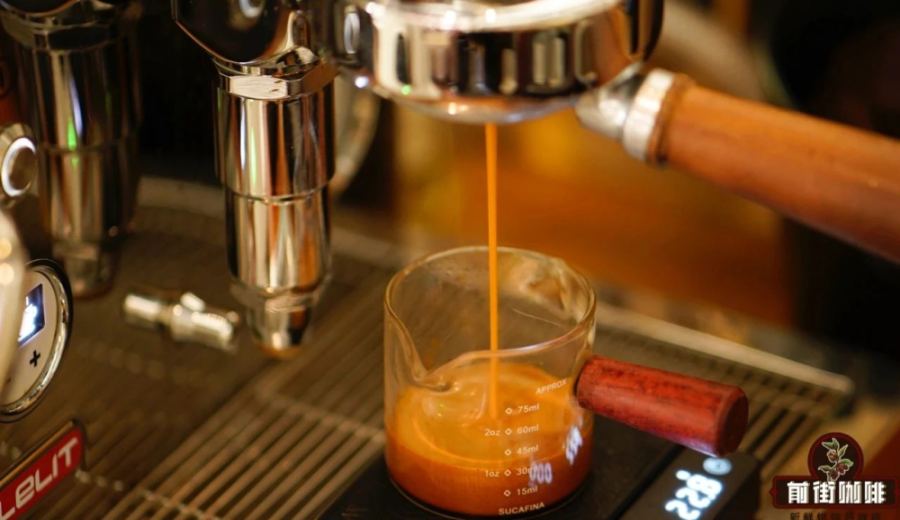
Introduction:When it comes to espresso extraction, many people often struggle with whether to choose dark-roasted or light-roasted coffee beans. This article delves into the impact of roast levels on flavor, analyzing in depth the differences between dark and light roasts in terms of crema performance, acidity-sweetness balance, and body. It also explores the rise of SOE (single origin espresso) and the blending logic behind coffee blends. Whether you're a coffee beginner or an advanced enthusiast, you can grasp the key tips for bean selection and extraction from this guide.
Espresso is a small cup of highly concentrated coffee liquid extracted in a short time under high temperature and high pressure using an espresso machine, often referred to simply as espresso. Many people’s first impression is that espresso should be strong and bitter, yet a well-extracted espresso can actually showcase fruity, floral notes, and even sweet undertones of chocolate or caramel. The final flavor largely depends on the type of coffee beans used and their roast level.
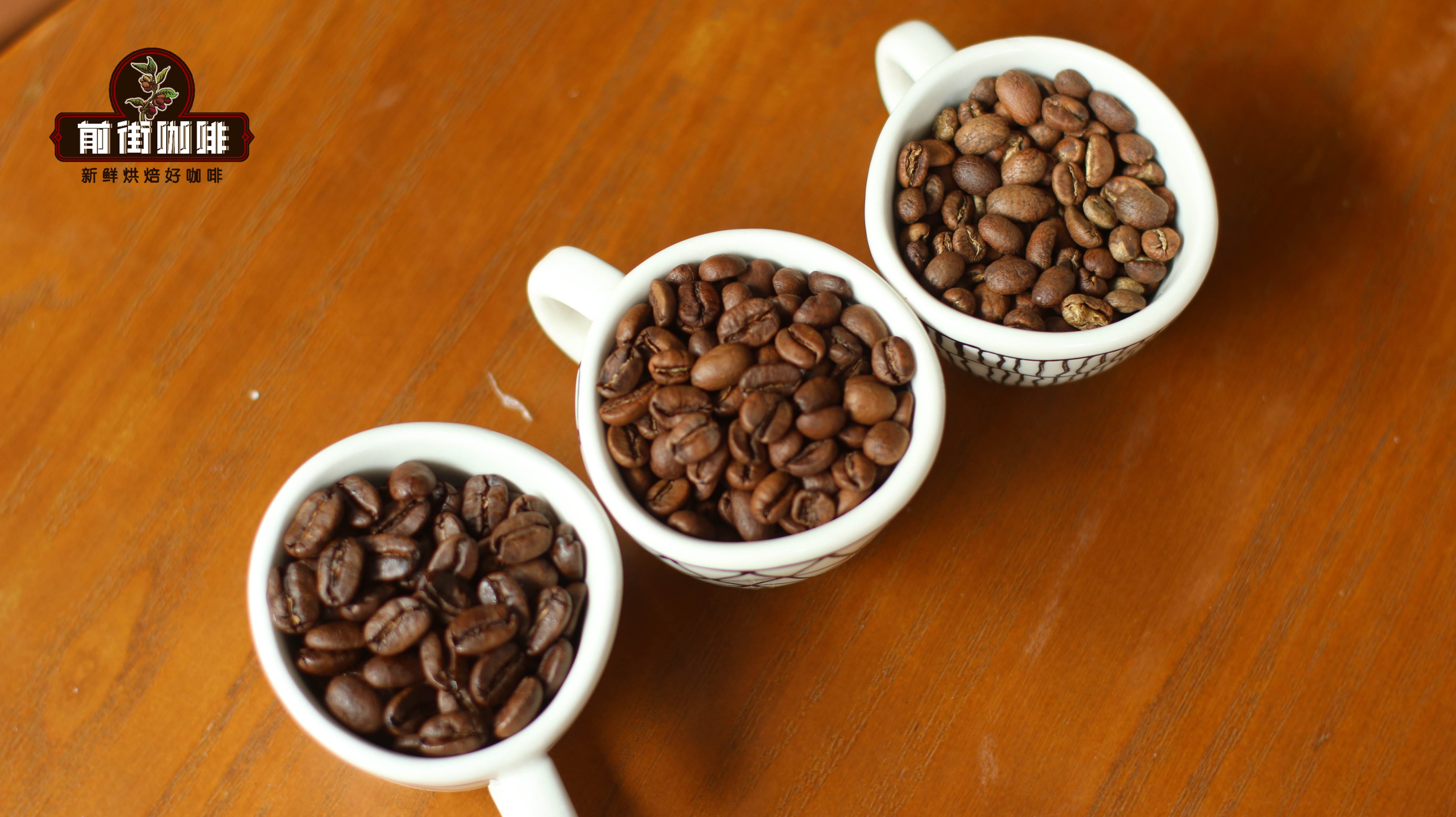
Compared to pour over coffee, which is highly tolerant of different bean varieties, espresso might seem to have more restrictions when it comes to bean selection—but that’s not really the case. In principle, coffee beans of any roast level can be used to make espresso, with the only difference being whether they align with personal taste preferences. However, traditionally, Italy and most consumers tend to prefer dark-roasted beans because of their pronounced bitterness and rich body, which better match the public’s established perception of “coffee flavor.” But precisely because of this, if the beans are poorly chosen, espresso can become harsh and unpalatable—especially when using high-acidity single-origin beans like Ethiopian Yirgacheffe to make SOE (Single Origin Espresso), where overly sharp acidity often deters first-time tasters.
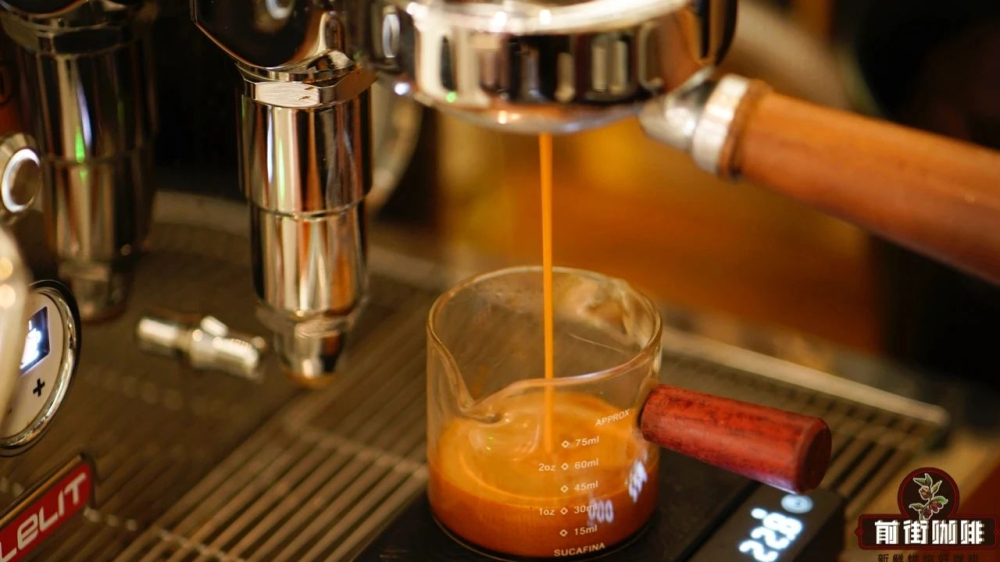
Espresso often features a golden layer of crema on the surface, what we commonly call crema. When using light-roasted beans for extraction, this layer of crema may be extremely thin or almost nonexistent. Therefore, in most cases, it is recommended to use dark-roasted beans for espresso, as they produce a richer crema and a mouthfeel that is closer to what most people expect from coffee. Dark-roasted beans not only deliver a fuller crema but also offer a more robust overall flavor, making them more approachable for those new to espresso.
It’s worth mentioning that crema is actually a product formed when carbon dioxide released from the coffee beans combines with fine solid particles under high pressure during extraction. Freshly roasted beans contain abundant carbon dioxide, so the resulting crema is usually more voluminous. However, more crema is not always better. For latte art purposes, overly thick crema is not only difficult to spread but can also affect the smooth integration of milk foam, leading to what’s known as “hard crema,” which in turn impacts the overall aesthetics and mouthfeel of the drink.
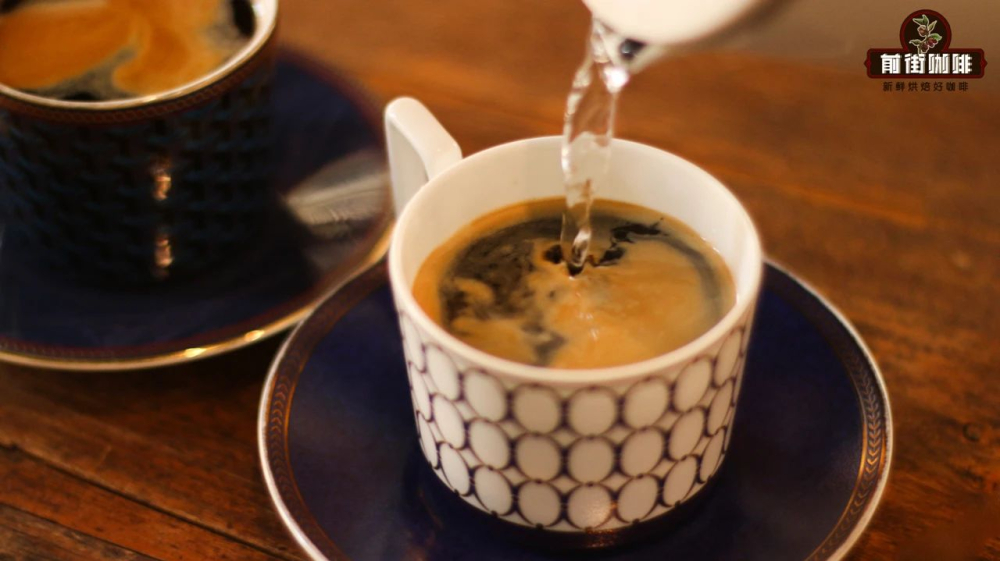
Since espresso is often used as the base for milk-based drinks like lattes and cappuccinos, to ensure sufficient body even after adding milk, beginners are advised to start with medium to dark-roasted beans. If light-roasted beans are used to make espresso, their higher acidity—when mixed with milk or water—may result in a thin, lackluster drink if extraction parameters and ratios aren’t adjusted appropriately. Even when consumed straight, the acidity can come across as overly sharp, sometimes accompanied by astringency, negatively affecting the overall experience.
In recent years, SOE (Single Origin Espresso) has gradually become a popular item on café menus. SOE emphasizes using coffee beans from a single origin or estate to make espresso, in contrast to traditional blends that combine multiple bean varieties. This approach not only highlights the unique terroir characteristics of the region but also makes it easier for consumers to recognize distinct regional profiles. Compared to conventional blends, SOE doesn’t necessarily need to pursue extreme darkness in roast level; instead, medium or medium-light roasts can bring out clearer fruit acidity, floral notes, or tropical fruit tones, offering a refreshing taste experience for espresso.
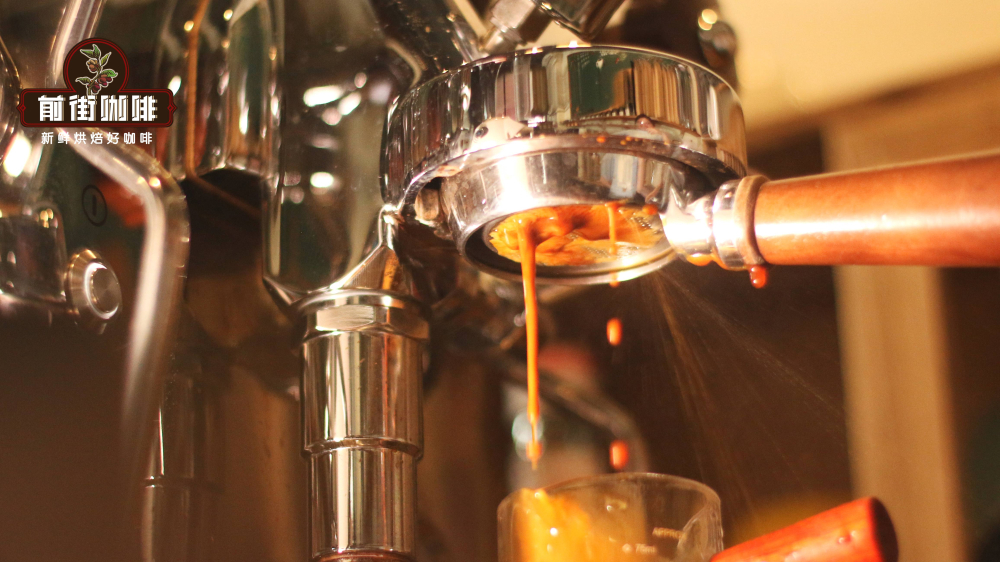
Most professional cafés opt for blends as the base for their espresso. An ideal espresso should not only have a moderate level of sweetness but also achieve a harmonious balance among bitterness, acidity, sweetness, and aftertaste—something that single-origin beans often struggle to accomplish on their own. Therefore, a well-designed blend becomes an indispensable element in crafting high-quality espresso. Blending isn’t limited to combining beans from different regions; it can also involve pairing the same variety roasted to different levels to achieve flavor complementarity and enhanced complexity. The core principle of blending is simple: to achieve an overall balanced taste in the final espresso.
Blended coffee, also known as mixed coffee, combines multiple single-origin beans in specific proportions to highlight each bean’s strengths and compensate for their weaknesses. For example, if one bean has outstanding aroma but a somewhat flat taste, it can be paired with another bean that has a rich body but weaker aroma to create a complementary effect. There are two blending methods: “green blending” and “roast blending.” The former involves mixing green beans from different regions before roasting, while the latter means roasting each bean separately and then blending them. The industry commonly practices roast blending, as it allows for more precise control over the flavor expression of each bean.
Another major advantage of blending lies in stability. As a agricultural product, even coffee from the same region and processed the same way can vary in flavor from year to year due to differences in climate and harvest. Blended beans can maintain overall flavor consistency and long-term supply stability by adjusting the proportions of different beans. The blending team of one coffee brand, upon finding that a certain bean didn’t perform as expected in a new harvest season, was able to quickly substitute it with a flavor-similar alternative, thereby maintaining the taste profile of the final espresso without compromising overall quality due to changes in a single bean variety.
For example, one brand’s "Sunflower Warmth Blend," based on Honduran Sherry and Ethiopian Yirgacheffe Red Cherry beans, is crafted in a 7:3 ratio after multiple trials. This blended espresso delivers bright fruit acidity, berry aromas, and a hint of winey notes, with a sweet and lingering finish. Its flavor complexity and expressiveness can rival many SOE single-origin espressos. Additionally, the brand offers several classic espresso blends, such as Dark Cocoa Blend, Premium Blend, and Commercial Blend, catering to various brewing methods and flavor preferences. Whether for espresso or moka pot, these blends are easy to work with.
Whether you’re brewing pour over or espresso, the freshness of the coffee beans is a key factor in determining flavor. Freshly roasted beans retain the most aromatic compounds and volatile gases, which greatly influence the extraction results. Ideally, coffee beans should rest for about 4 to 7 days after roasting to allow internal carbon dioxide to dissipate adequately, achieving the best flavor expression. Therefore, it’s recommended to let the beans rest for a while after receiving them, waiting until the degassing period is over before grinding and brewing, in order to enjoy the richest layers of flavor and aroma.
If convenience leads you to purchase pre-ground coffee powder, although it can be used immediately, the lack of particle structure protection causes the flavors to dissipate quickly upon exposure to air—it’s best to consume it soon after opening. In contrast, keeping beans whole and grinding them fresh not only preserves the original flavors better but also allows you to adjust the grind size according to your brewing equipment, resulting in a better extraction.
The above content is compiled by CoffeeHunters, a coffee news website.


