








Introduction:Located in the high-altitude region of Boquete, Panama, the Elida Estate is renowned for its exceptional processing techniques and unparalleled growing environment. This article will delve into an in-depth comparison of two major varieties—Geisha and Typica—grown within the same block of this estate. From varietal characteristics, differences in processing methods, roasting profiles to cupping and pour-over flavor profiles, we offer a comprehensive analysis of their unique charm, along with practical brewing suggestions to help coffee enthusiasts better understand the mysteries of high-altitude specialty beans.
Situated in Panama’s renowned specialty coffee region—Boquete—the Elida Estate not only boasts a history of over a century but also thrives thanks to its high elevation and unique microclimate, producing numerous coffees celebrated in international competitions. This time, we focus on the Geisha and Typica varieties grown on the same plot and at similar elevations within the estate, exploring everything from varietal genetics and processing techniques to roasting methods and cup profiles. Join us as we take a deep dive into their distinct flavor profiles and processing features.
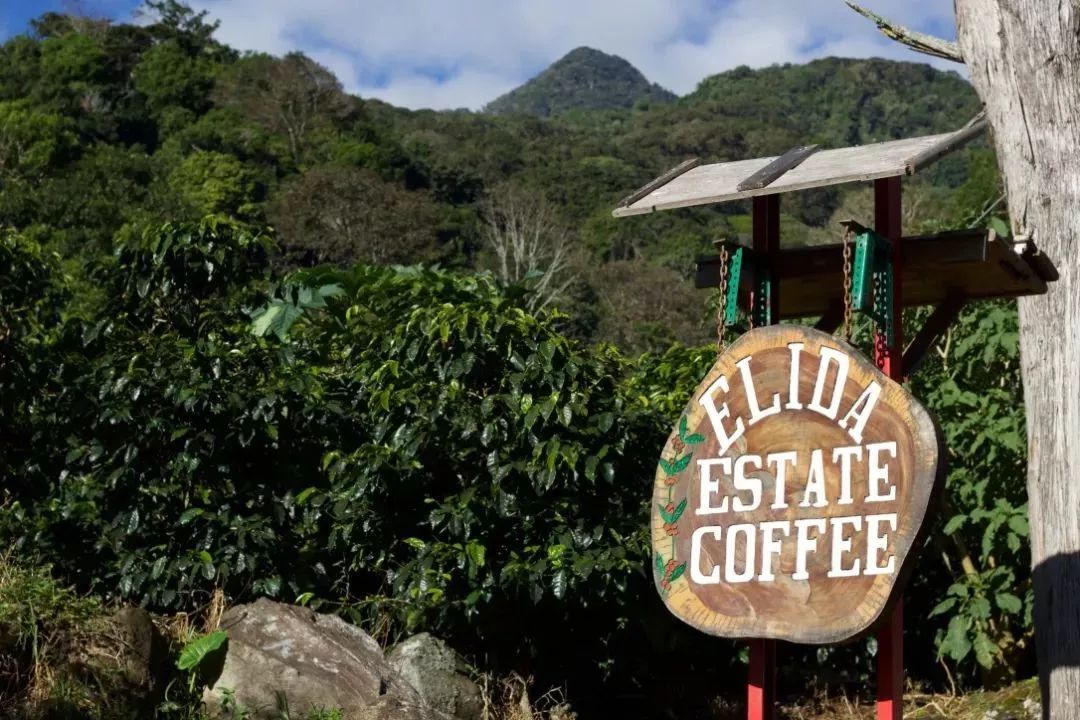
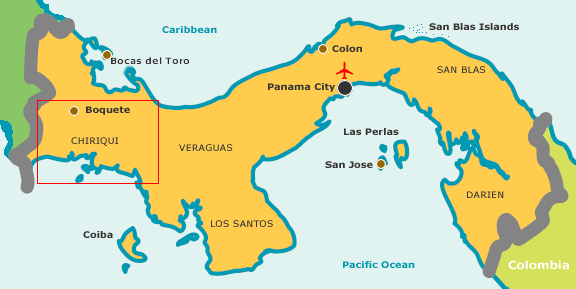
Boquete, located at the border between Panama and Costa Rica and adjacent to the majestic Baru Volcano, is blessed with fertile volcanic soil. The area’s mountainous terrain and convergence of cool air create a diverse and stable microclimate. These conditions provide an ideal foundation for cultivating high-quality coffee and are a key reason why the Elida Estate has been able to consistently produce specialty-grade coffee over the long term.
Spanning 65 hectares, more than half of the Elida Estate lies within the boundaries of the Baru Volcano National Park, with approximately 30 hectares dedicated to coffee cultivation and the rest maintained as pristine forest. The planting elevation ranges between 1670 meters and 1850 meters, making it one of the highest-altitude coffee farms in Panama. Such elevation extends the ripening period of coffee cherries, facilitating a more complete accumulation of flavor compounds.
Established in 1918 and operated by the Lamastus family to this day, the estate derives its name “Elida” from the name of the founder’s wife. Over the past few decades, Elida has not only won numerous domestic and international awards but also secured the championship in the Geisha category at the Best of Panama (BOP) competition in 2023 with a Geisha processed using anaerobic fermentation and slow low-temperature sun drying. This achievement cemented its leading position in the international specialty coffee market.

The two coffees tasted this time—the Elida Geisha and Typica—both come from the core area of the estate, planted at elevations of 1900 meters and 1850 meters respectively, and processed using anaerobic fermentation slow low-temperature sun drying and traditional sun drying. This setup allows us to observe the impact of different varieties and processing methods on the final flavor under the same microclimate and elevation conditions.
The Elida Estate primarily cultivates three major varieties: Catuai, Typica, and Geisha. Among them, Geisha demands extremely high environmental conditions and can only thrive in high-altitude, cloudy, fertile-soil, and moderately temperate environments. Elida is one of the few estates that perfectly meets these criteria. During harvest, the estate selects only fully ripe coffee cherries to ensure optimal pulp and sugar content, complemented by refined post-harvest processing to create its distinctive flavor profile.
Regarding processing methods, in addition to preserving the essence of traditional sun drying, Elida has in recent years further explored the potential of Geisha through anaerobic fermentation and slow low-temperature drying techniques. Known as NATURAL-ASD (anaerobic natural slow dry), this method involves placing harvested coffee cherries in sealed containers for 4 to 5 days of anaerobic fermentation, followed by extremely slow sun drying. Throughout the process, temperature, humidity, and fermentation pace are precisely controlled to elicit richer and more layered flavors while extending the shelf life of green beans.
For sun-dried processing, Elida places special emphasis on a low-temperature resting (maturation) phase. After processing, the green beans undergo at least five months of low-temperature storage, which helps develop a rounder and more balanced flavor. This technique, promoted by coffee expert George Howell, has become a key step for many top estates to enhance quality.

Below are the detailed information and recommended parameters for the two coffees:
Elida Estate Geisha
Region: Boquete, Panama
Elevation: 1900 meters
Variety: Geisha
Processing Method: Anaerobic Fermentation Slow Low-Temperature Sun Drying
Recommended Roast: Light Roast
Roasting Suggestions: In-Basket Temperature 160°C, Yellowing Point around 1’42”, First Crack at 8’28”, Drop Temperature 194.5°C
Elida Estate Typica
Region: Boquete, Panama
Elevation: 1850 meters
Variety: Typica
Processing Method: Traditional Sun Drying
Recommended Roast: Light-to-Medium Roast
Roasting Suggestions: In-Basket Temperature 170°C, First Crack at 9’07”, Drop Temperature 190°C
For brewing recommendations, you may use a V60 dripper with water temperature around 90°C, a 1:15 coffee-to-water ratio, and a grind size of 80% passing through a #20 sieve. Employ a three-pour method: the first pour of 30 grams for a 30-second bloom, followed by pouring up to 125 grams then pausing, and finally pouring up to 225 grams to finish. Total extraction time is about 2 minutes, which can fully showcase the delicate flavors of both beans.
In cupping, the Elida Geisha exhibits bright acidity and rich fruit tones such as grapefruit, lemon, and guava, with a honey and black tea finish. Meanwhile, the Typica highlights a soft profile of caramel, peach, and green tea, with a clear cane sugar sweetness. The overall presentation is balanced and layered. Whether you prefer bold fruity notes or mellow elegance, these two specialty coffees from the Elida Estate deliver distinctly different yet equally remarkable taste experiences.
The above content is compiled by CoffeeHunters, a coffee news website.


