








Introduction:Want to easily brew richly flavored espresso with golden crema at home? A moka pot is your budget-friendly choice for getting started. This classic Italian device, dating back to 1933, uses steam pressure to extract coffee that closely resembles espresso. This article covers everything from the moka pot’s basic structure, differences between single and double valve designs, step-by-step operation, to selecting the right coffee beans and tips for enhancing flavor — all in one go, so you can quickly master making concentrated coffee at home.
If you want to enjoy espresso at home that rivals what you’d get at a café, you don’t necessarily need to invest in an expensive semi-automatic machine. In fact, a classic moka pot can introduce you to the world of espresso-style coffee at a more affordable price. This Italian tool, born in 1933, uses the simple principle of steam pressure to heat water into steam, which then forces hot water through finely ground coffee to produce a rich coffee liquid topped with a golden crema.

The moka pot (Moka Pot) is not only a common coffee tool in Italian households but also enjoys widespread popularity around the globe due to its classic design and ease of use. Its appearance may have evolved over time, but its simple yet efficient brewing method remains unchanged. From aluminum to stainless steel, and even heat-resistant glass, moka pots now come in various materials suited for different cooking environments — some have even become part of home décor.
To understand the moka pot, we must first look at its basic structure. It mainly consists of three parts: the lower chamber holds water, the filter basket contains finely ground coffee, and the upper chamber collects the brewed coffee. As the water in the lower chamber heats up, steam pressure builds until it pushes through the coffee grounds, "forcing" the brewed coffee up into the upper chamber. Though this brewing process isn't as precise as that of professional machines, it still delivers the intense flavor and crema characteristic of espresso.
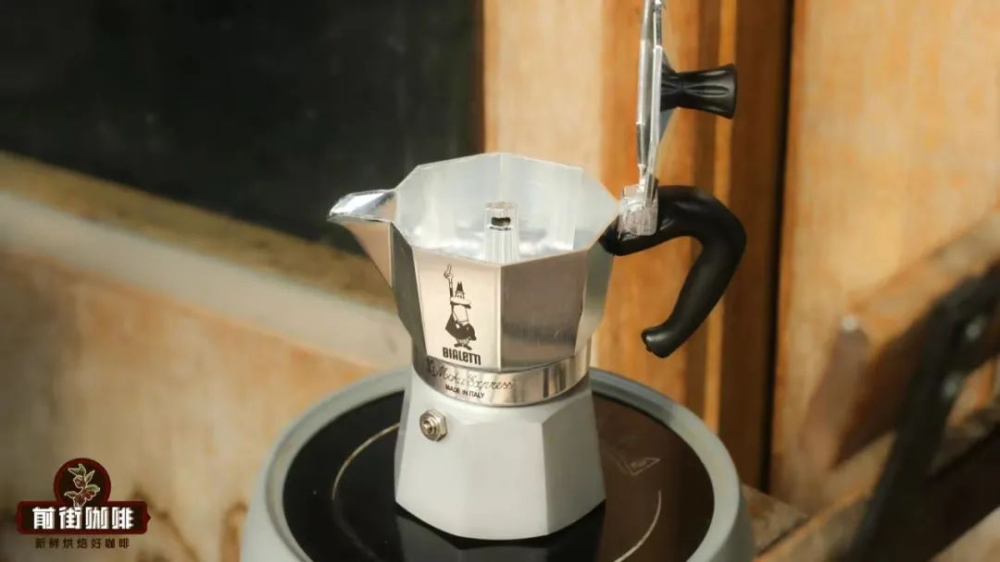
Moka pots on the market are generally divided into single-valve and double-valve types. In the single-valve design, coffee flows out naturally from the hole at the top of the hollow tube. The double-valve version, however, includes an additional pressure valve that only opens when steam pressure reaches a certain level, forcefully ejecting the coffee. This design allows double-valve moka pots to extract richer crema and a more intense flavor, often with more distinct flavor layers.
Before using a moka pot, you’ll need to prepare some basic tools: the moka pot itself, a heat source (gas stove or induction cooker), suitable coffee beans, and a grinder. It’s recommended to use finely ground coffee to ensure even extraction and to withstand the pressure. Also, preheat the gas stove on medium-high, then reduce to low once you hear hissing — this helps control brewing time and prevents over-extraction.
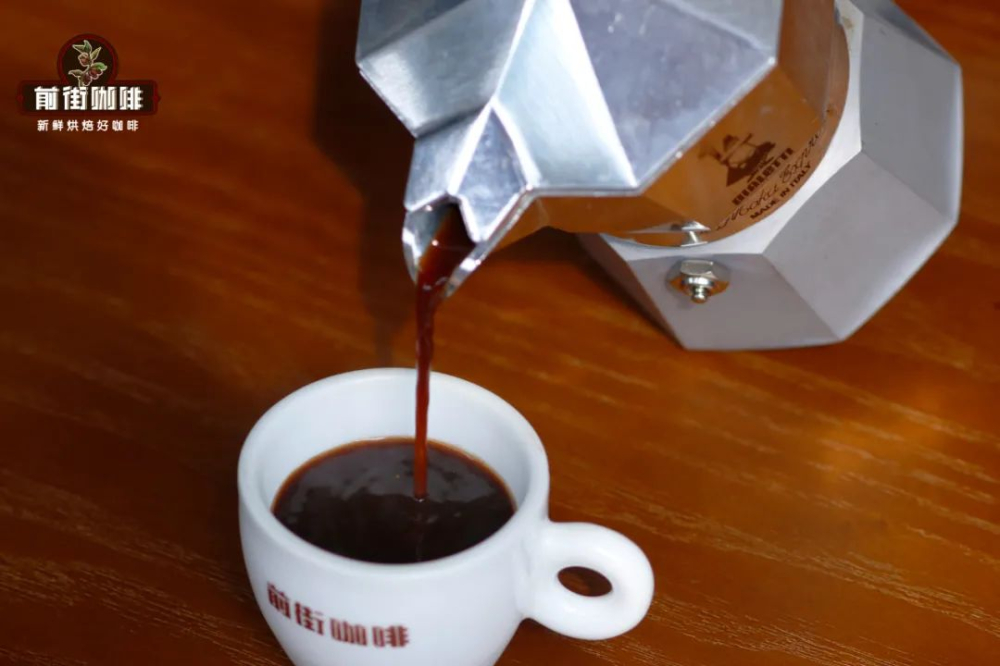
The advantage of the moka pot lies in its simplicity and portability, making it not only suitable for daily home use but also great for outdoor activities. However, it does have limitations; for example, the flavor extraction ceiling is usually not as high as with professional coffee machines, and its balance of acidity and sweetness, as well as overall refinement, may be slightly inferior. But for the average home user or coffee enthusiast, it remains a very practical and enjoyable option.
If you want to try making espresso at home that comes close to what cafés offer, consider using medium-dark roasted blends, such as combinations of Brazilian and Colombian beans — these often yield nutty, caramel, and chocolatey notes, with good crema performance. The appropriate roast level and grind size are among the key factors affecting the performance of a moka pot.
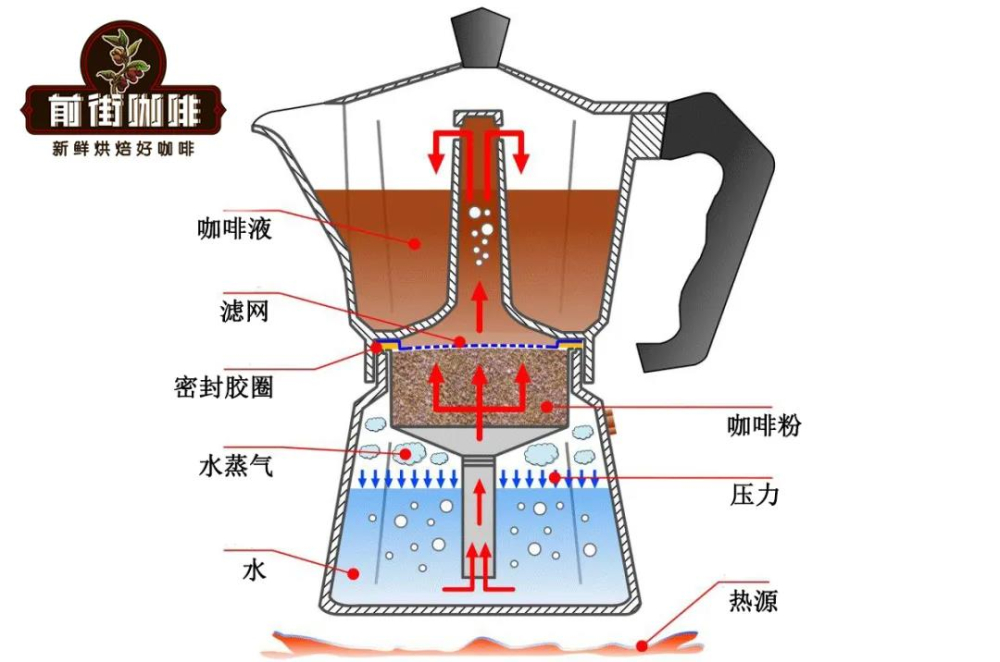
Finally, there are a few details worth noting regarding the use and care of your moka pot: Before first use, it’s recommended to boil water twice in the pot to remove any potential industrial residues. Be sure to clean it immediately after each use to avoid coffee grounds clogging the spout or damaging the gasket. Never let the moka pot run dry, as this can cause the metal to warp or become damaged. With the correct operation and maintenance, you can brew a flavorful “homemade version” of espresso using your moka pot.
The above content is compiled by CoffeeHunters, a coffee news website.


