







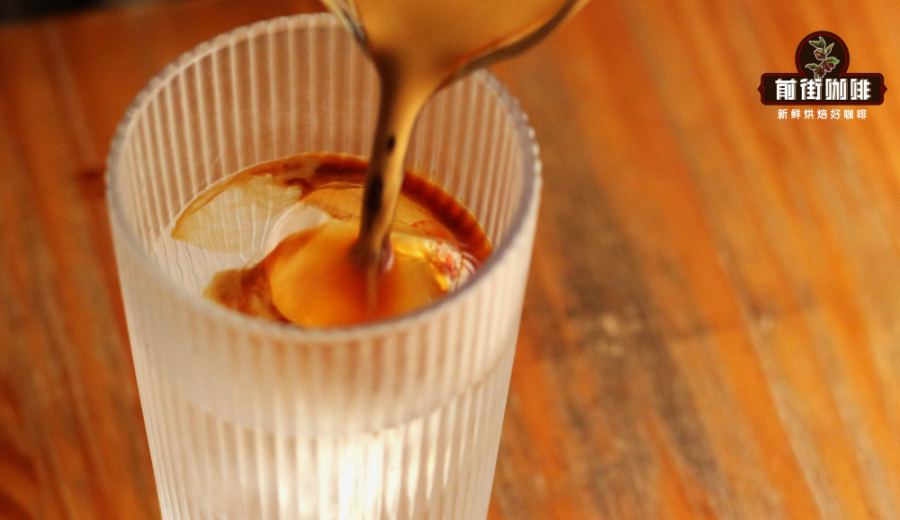
Introduction:Gain an in-depth understanding of the core extraction parameters of espresso, from the fundamental differences between single and double shots, international standard volume and weight specifications, to practical details on coffee-to-water ratios and equipment selection. This article provides a detailed explanation of the definition, historical background, and brewing principles of espresso, and extends to the golden ratio of hot lattes and milk frothing techniques, helping coffee enthusiasts precisely master the flavor balance of each shot.
Espresso, the soul base of flavored drinks such as lattes and cappuccinos, has extraction standards that directly impact the final flavor profile. But how many milliliters should a qualified shot of espresso be? Is the difference between a single and a double shot merely in concentration? This article will systematically break down the key parameters of espresso—from its historical origins, brewing process, to internationally accepted technical standards—helping you deeply understand the essential differences between single and double shots, and offering practical suggestions on coffee-to-water ratios and equipment selection.
What is Espresso?
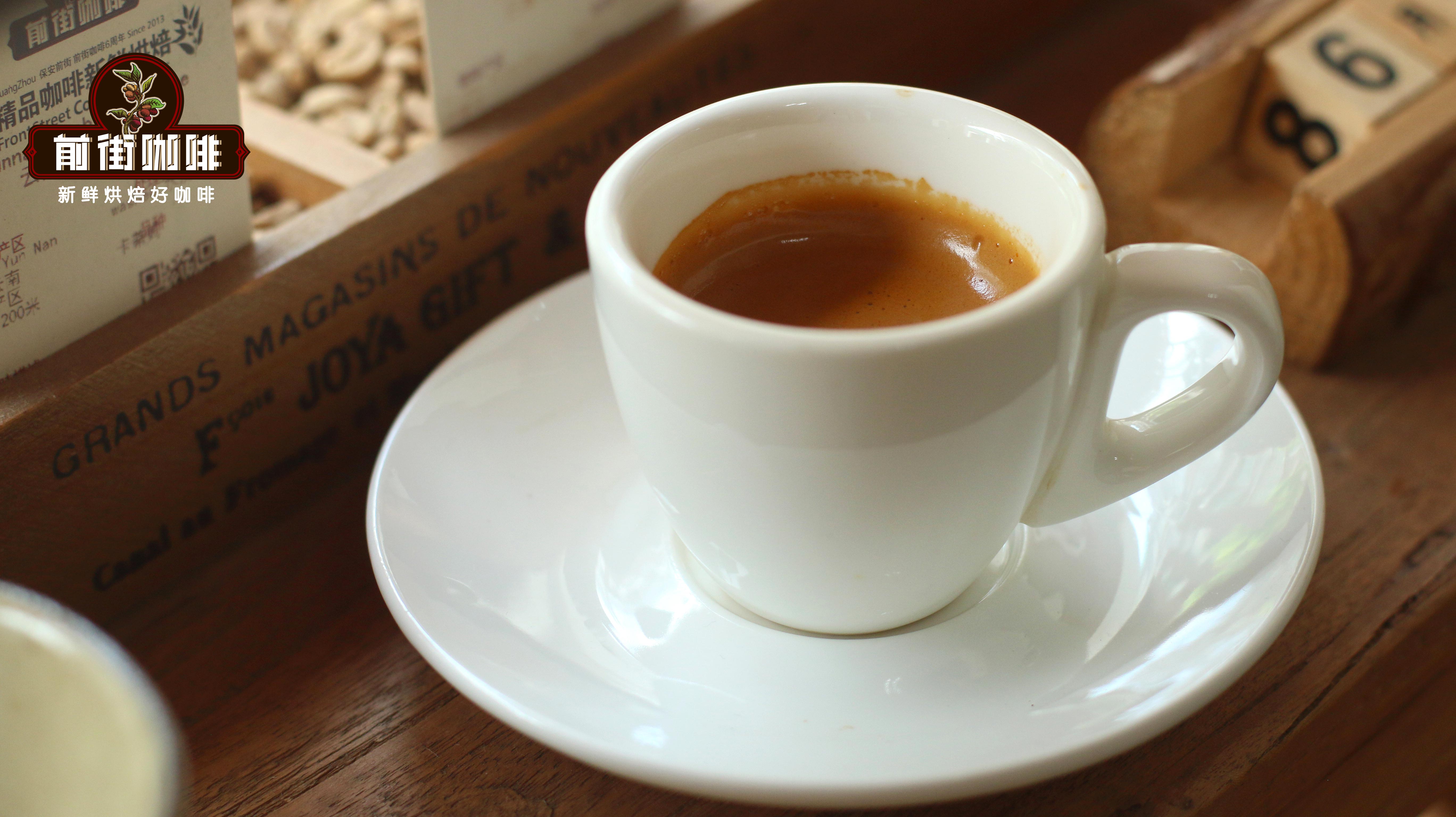
Espresso is a concentrated beverage made by rapidly extracting finely ground coffee beans with high-pressure (approximately 9Bar) water. It is characterized by its thick consistency, rich crema (coffee foam), and high concentration of soluble solids. Compared to other brewing methods, espresso has a higher concentration of chemical compounds and a more intense flavor, and is commonly used as the base for specialty coffee drinks. Notably, traditional Italian practices often use blended beans to balance the flavor extremes of single-origin beans, an approach that continues to influence the global philosophy of espresso making.
The Essential Difference Between Single and Double Shots
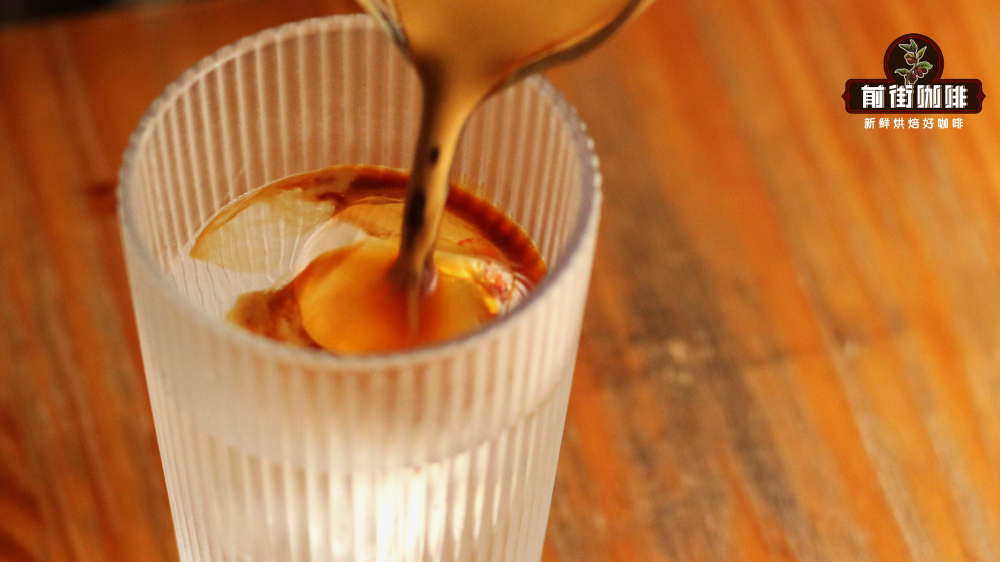
The core distinction between a single (Single Shot) and a double (Double Shot) lies indose and yield: a single typically uses 10 grams of coffee grounds, while a double uses 20 grams, but both yield a final coffee liquid volume of30 milliliters. A single is extracted using a single basket and a single spout portafilter, while a double requires a bottomless basket and bottomless portafilter to achieve a single extraction of a double dose. Additionally, the crema layer of a double is thicker, and the flavor complexity is richer, but it’s important to note that the grinder’s settings may need daily fine-tuning based on humidity and bean freshness to ensure extraction stability.
The Brewing Principles and Key Parameters of Espresso
The production of espresso relies on high-temperature (approximately 92°C) high-pressure water forcibly penetrating a bed of extremely finely ground coffee, quickly extracting both solid and soluble components. During this process, the oils within the coffee grounds are emulsified to form crema, a unique phenomenon difficult to replicate with other brewing methods. Although there is no fully unified international standard, common parameter ranges include:7 grams of coffee, 92°C water temperature, 9Bar pressure, and a 20–30 second extraction time, yielding 20–30 milliliters of coffee liquid. Notably, with the rise of the specialty coffee movement, many cafes adjust the coffee-to-water ratio according to the characteristics of the bean variety—for example, some shops use a 1:2 ratio (19 grams of coffee yielding 38 grams of liquid), taking about 28 seconds.
Why Switch to Grams for Measurement?
Most coffee shops in China now primarily use grams rather than milliliters as the main unit of measurement, due to the unstable density and volume of coffee crema. The fluffiness and thickness of the crema can affect visual judgments of volume, whereas weight-based measurement more accurately reflects actual extraction amounts. For example, a standard double shot may appear to be 30 milliliters, but actually weighs 40 grams (including crema), so using coffee-to-water ratios and gram measurements ensures better flavor consistency.
The Golden Ratio and Key Points for Hot Lattes
For a hot latte based on a double shot, the recommended coffee-to-milk ratio is1:6.5(40 milliliters of espresso paired with 260 milliliters of whole fresh milk). Extraction parameters should be adjusted to: 9Bar pressure, 90.5–96°C water temperature, 1:1.7–1:2 coffee-to-water ratio, and a 20–30 second extraction time. The milk steaming temperature should be controlled at 50–60°C; too low and the lactose sweetness is insufficient, too high and it may damage the protein structure resulting in a grainy texture. Ideal milk foam thickness is around 1 centimeter, with a moderate thickness perfectly balancing the fusion of coffee and milk. One shop’s practical flavor profile is: pronounced fruit acidity, berry aroma, wine notes, and a chocolatey finish, paired with milk to present a nutty-toned smooth aftertaste.
By mastering these core parameters, you will be able to more precisely adjust your espresso extraction strategy—whether you’re pursuing the intensity of a single shot or enjoying the layered richness of a double—allowing you to find the optimal balance point based on bean variety characteristics and personal preference.
The above content is compiled by CoffeeHunters, a coffee news website.


