







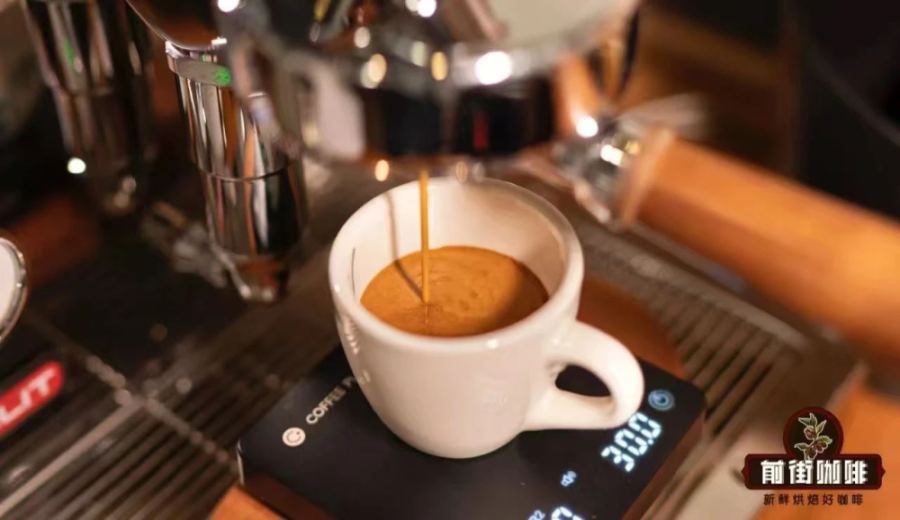
Introduction:Espresso is the foundation of modern coffee beverages and a representation of the high integration of technique and flavor. This article takes you through the evolution, definition, and characteristics of espresso, starting from the earliest patent for an espresso machine in 1884. It also provides an in-depth analysis of standard extraction parameters, key factors influencing flavor, and professional tasting methods. Whether you're new to coffee or a enthusiast pursuing flavor details, you'll gain a more comprehensive understanding of Espresso.
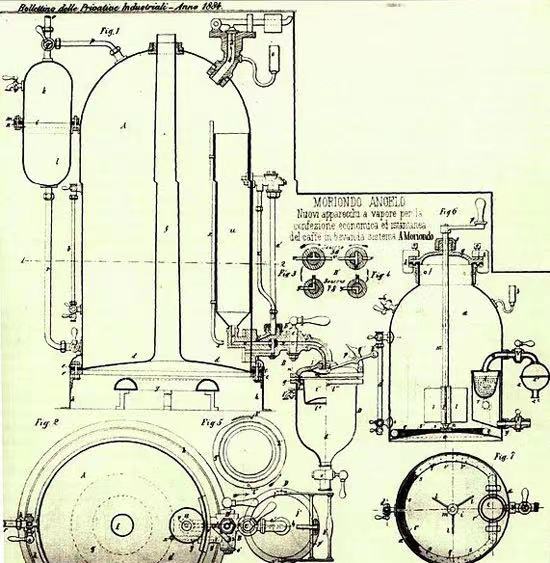
Espresso is not only the national drink of Italy but also a crucial cornerstone of modern coffee beverages. From Angelo Moriondo’s first patent for a pressure-extracted coffee machine in 1884, to subsequent technical improvements and commercialization by Luigi Bezzera and Desiderio Pavoni, this evolution over just a few decades laid the foundation for the espresso we know today.
As early as 1884, Italian inventor Angelo Moriondo created a machine that used high-pressure steam to quickly extract coffee. The principle involved boiling water in two separate boilers to generate steam, then using about 1.5 bar of pressure to push hot water through coffee grounds, producing a highly concentrated coffee liquid. However, this method resulted in uneven heating, making it difficult to stably control extraction quality, with noticeable flavor differences between cups.
Entering the 20th century, Italian technician Luigi Bezzera made a major breakthrough. He redesigned the extraction system to use high-pressure water flowing rapidly through extremely finely ground coffee, compressing the extraction time to just a few dozen seconds and significantly improving flavor consistency and intensity. Bezzera precisely controlled the water temperature at around 94°C and introduced a portafilter design that effectively filtered out coffee grounds, resulting in a smoother taste. After this technology was commercialized, it gradually gained widespread popularity.
In 1906, designer Desiderio Pavoni acquired Bezzera’s patent and, together, they launched a new type of coffee machine equipped with a pressure valve and steam wand at the Milan Expo. This marked the origin of the later world-renowned brand “La Pavoni.” The design philosophy and operational logic of this machine remain the prototype of modern espresso machines.
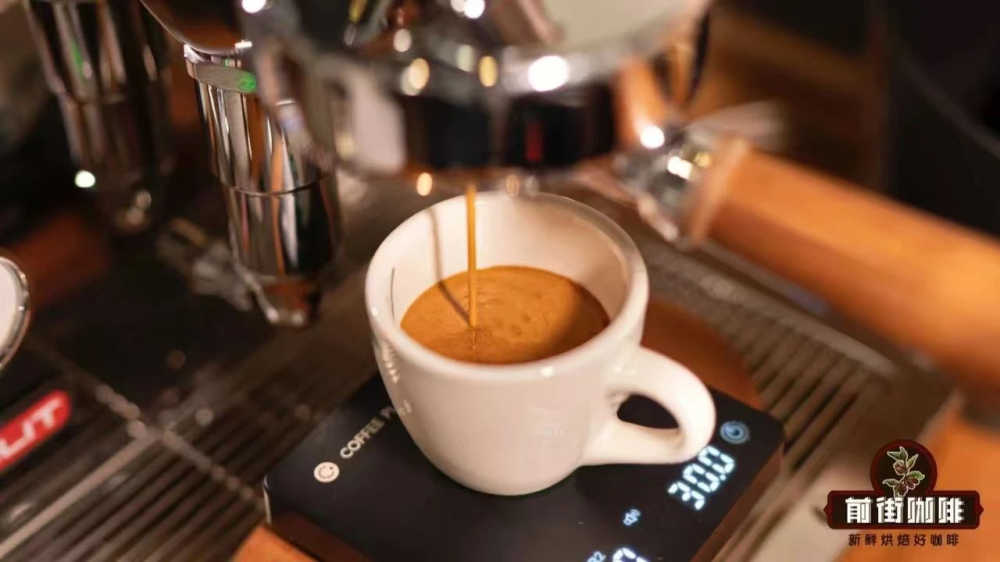
So, what is espresso in the modern definition? Simply put, it is a highly concentrated coffee liquid produced by using extremely finely ground coffee powder, under high pressure of around 9 bar, with hot water at 90–96°C, extracted quickly (usually 20–30 seconds). This extraction method fully releases the aroma and flavor compounds of coffee and forms a golden layer on the surface, known as Crema.
Crema is not fat itself, but rather a foam formed by the mixture of carbon dioxide released from freshly roasted coffee beans and fine coffee oils under high pressure. This layer of Crema not only affects visual appeal but also directly relates to the mouthfeel and flavor complexity. Therefore, it is recommended to use freshly roasted coffee beans (ideally within 5 days of roasting), with a medium to dark roast or darker, and to grind and brew immediately to ensure the fineness and richness of the Crema.
It’s worth mentioning that the longer coffee beans are roasted, the more carbon dioxide they accumulate internally. However, too much gas can be detrimental to extraction stability, potentially leading to rough Crema, an unsmooth mouthfeel, or even interfering with the release of soluble flavor compounds. Therefore, it is necessary to moderately release carbon dioxide. For example, some brands of coffee beans come with one-way degassing valve packaging. It is recommended that consumers let the beans sit for about 7 days after receiving them, allowing the beans to naturally release some gas before grinding, which can achieve a more balanced extraction result.
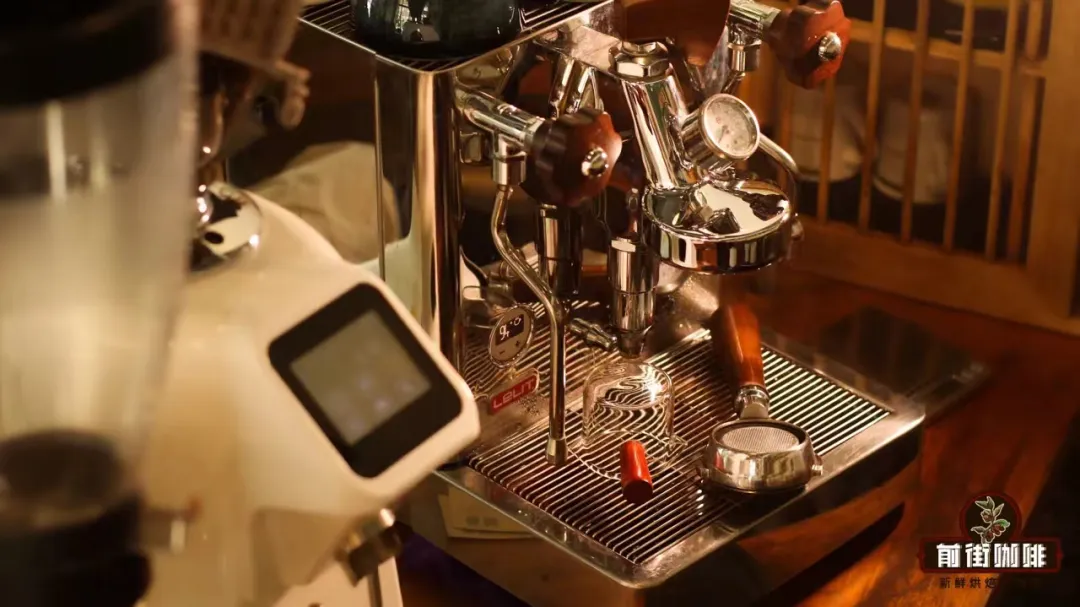
When it comes to extraction, it's essential to understand the standard parameter ranges. According to the Specialty Coffee Association (SCA), a single shot of espresso typically uses 7–9 grams of coffee powder, while a double shot uses 14–18 grams. The extraction time is controlled between 20–30 seconds, aiming for an output of 25–35 grams of coffee liquid, with extraction pressure maintained at 9–10 bar, and water temperature recommended to be set between 90–96°C.
However, these values are for reference only. In actual operation, the condition of each coffee machine, grinder, and coffee beans can affect the final extraction result. Therefore, the most reliable basis for adjustment is observing the flavor performance of the extracted coffee liquid, including the balance of acidity and sweetness, body, aroma layers, and aftertaste.
For example, a coffee shop might use its own blend, such as a combination with flavors of whiskey, cream, vanilla, and chocolate. In this case, adjustments to grind size, pressure, and water temperature would differ greatly from those for single-origin beans. One shop reported in a daily test using 19.5 grams of extremely finely ground coffee powder, extracted at 94°C water temperature and 9 bar pressure, yielding 35 grams of coffee liquid in about 30 seconds. The final product exhibited a delicate vanilla cream texture, with subtle berry acidity and sweetness, wine notes, and caramel sweetness — a well-balanced and layered espresso.
Finally, when it comes to correctly tasting espresso, there are certain techniques. It is recommended to rinse your mouth with a sip of ice water before tasting to reset your taste bud sensitivity. When the barista serves the espresso, you can first use a coffee spoon to gently stir, mixing the Crema and coffee liquid evenly. Then take three sips: the first to focus on flavor expression, the second to appreciate the body texture, and the third to savor the aftertaste and lingering sweetness. This tasting process helps you more comprehensively experience the subtleties of a cup of espresso.
The above content is compiled by CoffeeHunters, a coffee news website.


