








Introduction:Jamaican Blue Mountain No. 1 coffee beans are renowned for their rare production volume and exceptional flavor, making them a highly sought-after delicacy among coffee enthusiasts. This article provides a detailed analysis of the 2022 market trends for Blue Mountain No. 1, explores the background of its four major growing regions, highlights varietal characteristics, explains the washed and natural processing methods, and uncovers the three main reasons behind its high price. Additionally, it offers expert roasting profiles, cupping flavor descriptions, and pour over recommendations to help you truly understand and appreciate this world-class coffee.
Jamaican Blue Mountain coffee has long been considered a top-tier specialty coffee, known for its silky texture, balanced acidity and sweetness, and extremely low annual yield. Among these, Blue Mountain No. 1 is the flagship representation of the region and is deeply loved by coffee connoisseurs worldwide. So, what is the actual price per jin of authentic imported Jamaican Blue Mountain No. 1 coffee beans in 2022? What factors contribute to its persistently high price? This article will provide a comprehensive analysis from aspects such as regional history, varietal traits, processing methods, roasting, and cupping data, helping you master the most orthodox knowledge of Blue Mountain coffee from selection to brewing.
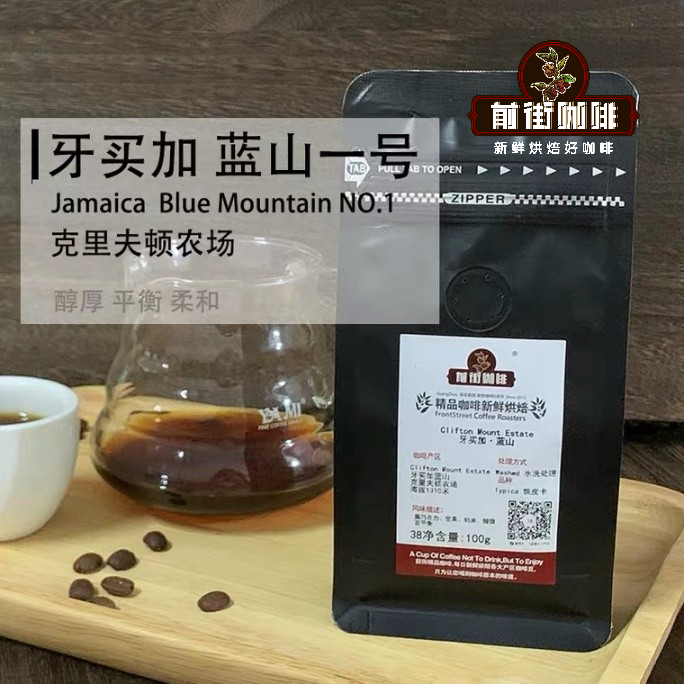
The core growing regions of Jamaican Blue Mountain coffee consist mainly of four well-known estates: the Clifton Estate, the Styx Estate, the Mavis Bank Estate (Golden Cup), and the RWS Coffee Estate. Among them, the Clifton Estate is not only one of the oldest Blue Mountain estates with over 200 years of cultivation history, but it is also the only Blue Mountain producer certified by the Rainforest Alliance, which is one of the key reasons its beans can command high prices in the market. In contrast, the Styx Estate mostly collaborates with the Japanese market and has relatively lower visibility in Taiwan or the international market, while Golden Cup and RWS are relatively newer estates that have gradually improved quality and production capacity by integrating resources from older estates and implementing modern management practices.
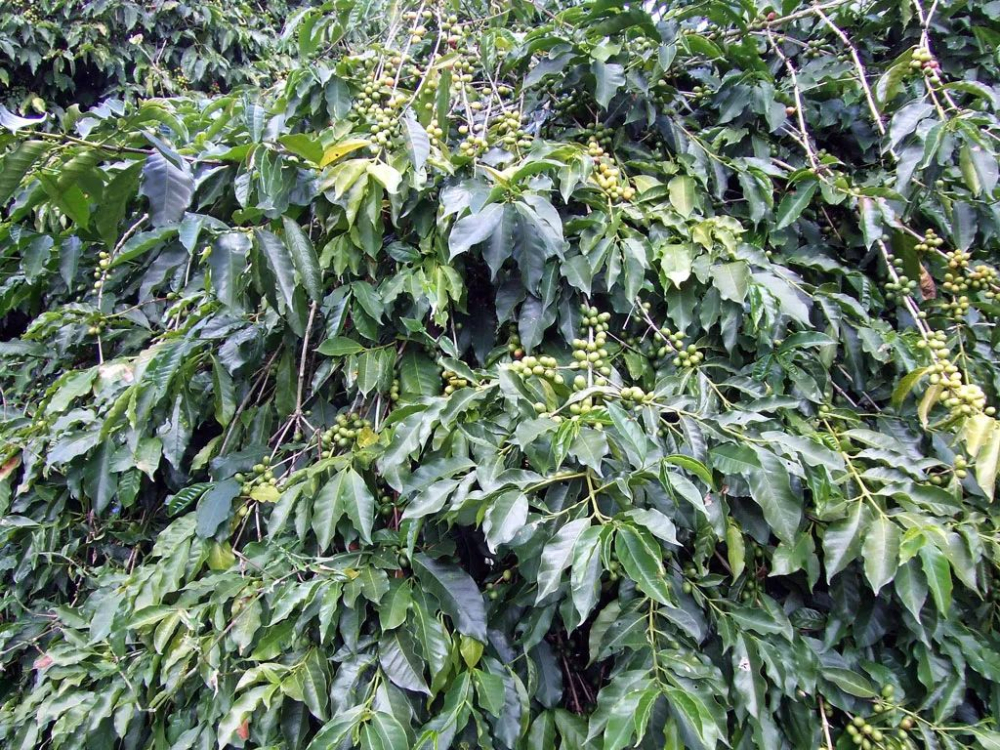
Located at an altitude of approximately 1,310 meters, the Clifton Estate enjoys abundant sunlight and benefits from the mountain mist in the afternoon as well as mineral-rich volcanic soil, nurturing coffee cherries with unique flavors. The area has records of coffee cultivation dating back to the mid-18th century and is currently managed by the Sharp family. Their long-accumulated processing experience enables Clifton’s Blue Mountain No. 1 to retain its signature smooth and gentle mouthfeel, along with subtle floral notes and delicate sweetness. These qualities make it highly sought after in the market despite its premium pricing.
The Blue Mountain No. 1 coffee beans introduced by this retailer are of the Typica variety, one of the earliest Arabica cultivars introduced to the Americas and Asia. Typica has distinctive physical characteristics—its top leaves are bronze-colored, often referred to as "red-top coffee." Its beans are slightly elongated or oval-shaped, but the variety has low yields and weak disease resistance, which makes it even more precious. Flavors of this type of bean are typically known for elegant acidity and delicate sweetness. Although cultivating and harvesting present significant challenges, Typica is one of the keys to the layered complexity found in Blue Mountain coffee.
There are three main reasons why Jamaican Blue Mountain No. 1 is so expensive: first, its extremely limited annual production, yielding only a few thousand bags per year; second, its unparalleled flavor profile, featuring balanced acidity and sweetness with almost no bitterness; third, the rigorous oversight at every stage—from planting, harvesting, processing, to exporting—by the Jamaica Coffee Industry Board (CIB), ensuring that 100% of it originates from the Blue Mountain region. Notably, all exported Blue Mountain coffee must be certified by the CIB and bear the green frog logo of the Rainforest Alliance on its wooden barrels, which is one of the key indicators of authenticity.
In terms of processing, Blue Mountain No. 1 primarily uses the washed method, which effectively highlights the coffee’s cleanliness and delicate flavors. During processing, coffee farmers manually select ripe cherries, remove the skin and pulp within 12 hours, then allow the beans to ferment for 12 to 18 hours. After that, the beans are rinsed with clean water to remove the mucilage, and finally, the beans with their parchment are placed on elevated racks for long-term sun drying until the moisture content drops to 11% to 14%. This process requires strict control of temperature and humidity and undergoes months of maturation to ensure stable and consistent flavors.
It is worth mentioning that in addition to the traditional washed method, this retailer also introduced a small batch of naturally processed Blue Mountain coffee in 2020. Although less common, this processing method can impart richer fruitiness and sweetness to the coffee, making it suitable for consumers who enjoy different flavor profiles. However, regardless of whether it is washed or natural, every batch of Blue Mountain coffee must undergo official CIB cupping and approval before export to ensure its flavors meet Blue Mountain standards.
The roasting profile designed for the Blue Mountain No. 1 coffee beans provided by this retailer is mainly medium-dark, with a drop temperature of about 170°C. By precisely controlling the heat and air damper, the beans are dropped just at the beginning of the first crack to preserve the coffee’s richness and aromatic layers. Specific roasting parameters are as follows: beans are dropped at 170℃, with the turn-around point reaching 105.3℃ at 1’30", the yellowing stage appearing at 5’10'' at 153℃, followed by gradually entering the first crack, and finally dropping at 201.3℃ with a development time of about 4 minutes. The overall flavor profile showcases rich cocoa, caramel, and delicate floral notes.
Cupping results show that this Blue Mountain No. 1 has bright and delicate acidity. Upon tasting, it delivers a light citrus acidity and a soft cocoa aftertaste, with a body as smooth as silk, accompanied by subtle floral and spicy notes. The dry fragrance includes sweet aromas of roasted peanuts, hazelnuts, and melon, while brewing releases a complex flavor of oolong tea, honey, and almond skin, presenting an overall balanced and layered profile.
For pour over recommendations, it is advised to use 15 grams of coffee grounds, with water temperature controlled at 86°C and a coffee-to-water ratio of 1:15. The grind size should be medium-coarse (approximately 65% extraction through a #20 sieve). The Kono dripper is recommended due to its rib design that reduces channeling effects, and the 86°C water temperature helps avoid over-extraction, fully highlighting the delicate flavors of Blue Mountain coffee. Brewing can be done using a three-pour method: start with a 30-gram bloom for 30 seconds, then pour to 125 grams and 225 grams respectively, with a total extraction time of about 2 minutes, which can fully bring out the aroma and sweetness of Blue Mountain coffee.
Finally, a reminder: due to the rarity and high price of Blue Mountain coffee, the market often sees products labeled as “Blue Mountain blends” or “Blue Mountain-flavored,” which are usually blends of beans from other regions roasted dark to mimic the taste of Blue Mountain. These are entirely different from genuine Blue Mountain No. 1 sourced from the Blue Mountain region. Authentic Blue Mountain coffee not only comes with official certification and wooden barrel packaging, but its flavor profile is also impossible to replicate. When purchasing, be sure to look for CIB certification and the green frog logo, and pay attention to whether the price is reasonable to avoid buying overpriced imitations.
The above content is compiled by CoffeeHunters, a coffee news website.


