







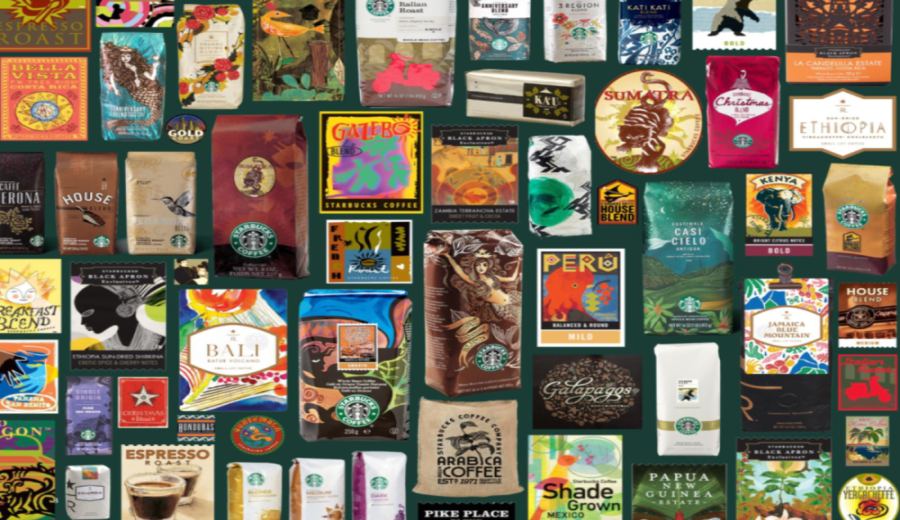
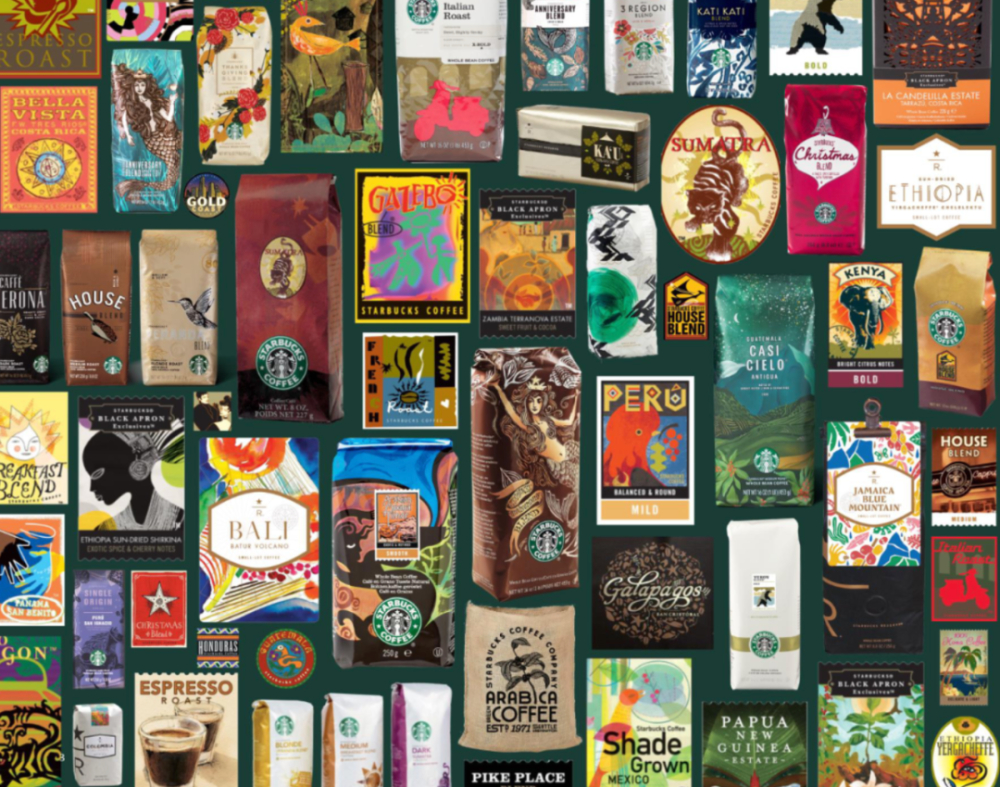
Introduction:When faced with Starbucks' diverse selection of coffee beans, beginners often don't know where to start. This article provides an in-depth analysis of the origin background, roast level, and unique flavor profiles of 13 best-selling coffee beans — from the nutty tones of Colombia to the herbal earthiness of Sumatra — helping you understand the characteristics of each. It also supplements coffee tasting techniques, regional flavor profiles, differences in processing methods, and offers practical brewing steps for the French press to help you find the bean that suits your taste best.
Among Starbucks' coffee bean lineup, there are 13 products that have long been favored by consumers. All are made from 100% Arabica beans, not only ensuring stable quality but also showcasing the unique personalities of different regions and processing methods. For those just beginning to explore the world of coffee, understanding the characteristics of these beans will help build a foundation for your personal taste preferences.
Evaluating a coffee typically involves four key aspects: first is aroma, the smell emitted by the coffee grounds or hot beverage, which may include notes of nuts, flowers, spices, or even earthy tones; second is acidity, where moderate acidity can bring brightness, too high can be sharp, and too low can make the taste flat; third is body, or mouthfeel, referring to the weight and texture of the coffee in the mouth — a full body is often accompanied by a lasting aftertaste; and lastly, overall flavor, the comprehensive impression captured by the taste buds when sipping, such as layers of cocoa, citrus, berries, etc.
First up isColombia, a medium roast from Latin America. This bean features a gentle, nutty profile and is ideal for those new to single-origin coffee. It's worth noting that many assume coffee must be bitter, but in fact, the variety, origin, and roast method all greatly influence the final flavor. The author recalls their first tasting experience, where the store manager demonstrated professional sniffing and sipping techniques: for smaller cups, you can cup your hand over the top to concentrate the aroma; for larger cups, gently fanning the rim allows the aroma to waft naturally to your nose. This bean achieves a good balance between acidity and body, offering a comfortable mouthfeel with a long-lasting finish.
Next isBreakfast Blend, also a medium roast sourced from Latin America. This bean stands out for its bright and lively character, especially suitable for morning consumption. Compared to Colombia’s gentleness, Breakfast Blend exhibits higher acidity and a lighter body. A master once emphasized during a morning tasting session that its bright acidity and subdued body bring an invigorating drinking experience, with a subtle sweetness lingering in the aftertaste.
The third, and markedly different, isSumatra, a dark roast from the Asia/Pacific region. Its most prominent feature is its rich herbal and earthy aromas, with a long-lasting finish. Many first-time dark roast drinkers are amazed by its unique layered complexity. Observing the packaging color can be telling: light brown to coffee-colored outer packaging usually indicates a medium roast, preserving more caramel notes and balanced flavors; while near-black packaging suggests a dark roast, delivering a noticeably fuller and richer body.
From Africa comesKenya, also a medium roast, renowned for its vibrant fruit acidity and complex layers.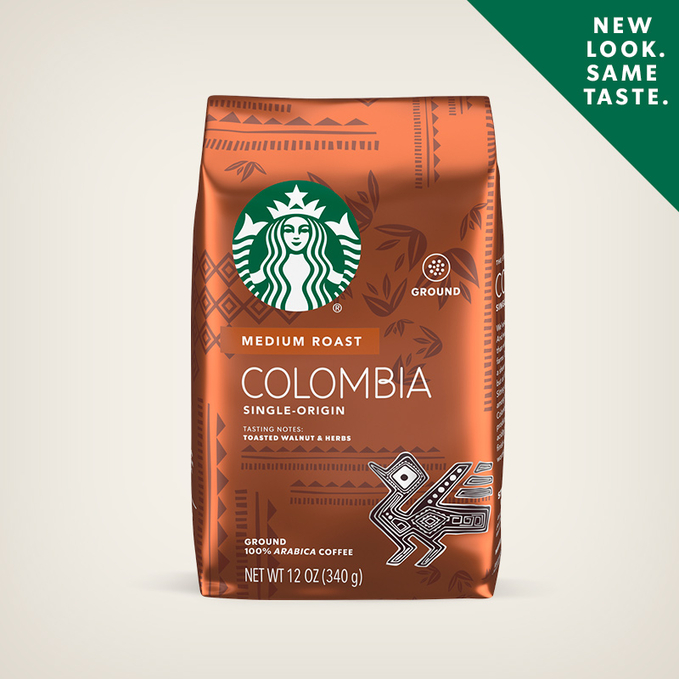
The fifth,Guatemala Antigua, also hails from Latin America and is a medium roast. This bean’s standout feature is its subtle smoky note on a base of cocoa and spice, adding depth to the overall flavor. When discussing brewing elements, four key factors should be noted: first is the coffee-to-water ratio, recommended at 1:18 (e.g., 10 grams of coffee to 180 ml of water); grind size adjusts based on brewing method, generally ranging from 5 to 7 (higher numbers indicate coarser grind) — too fine can lead to over-extraction and bitterness; water quality should be low-mineral filtered water at an ideal temperature of 90–96°C; additionally, the brewed coffee should be consumed promptly, ideally within 20 minutes to avoid flavor degradation.
The sixth,Pike Place Roast, is a limited-edition flavor launched to commemorate Starbucks’ first store, featuring a medium roast with a blend of Latin American beans. Processed via the washed method, it delivers a balanced body and acidity, with delicate notes of cocoa and roasted nuts. Its unique packaging design has also become a focus for collectors.
The seventh,Ethiopia, is also a medium roast from Africa, produced using the washed method.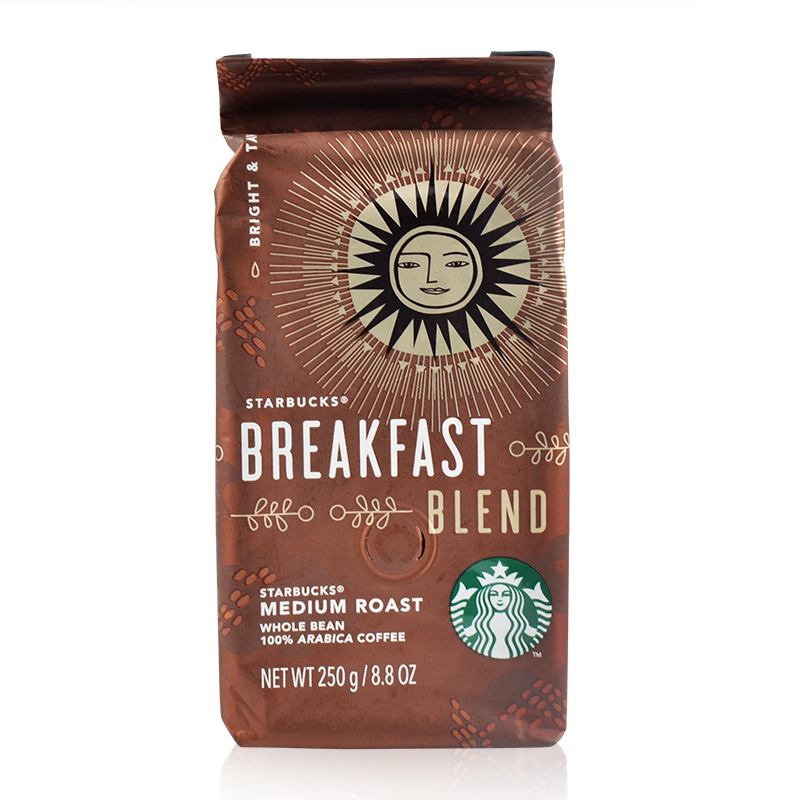 This bean centers around dark cocoa and citrus profiles, with noticeable acidity and a medium body, suiting those who enjoy fresh fruity acidity. The impact of processing methods on flavor cannot be overlooked: the washed method enhances acidity and aroma, giving the coffee a clean and bright quality; the semi-washed method (also called honey process) often highlights herbal and earthy flavors while delivering a richer body; the natural drying method (sun-dried) tends to showcase berry and floral notes, retaining more fruitiness.
The eighth,Blended Ground Coffee, as Starbucks’ first-ever blend launched in 1971, remains widely popular. A medium roast processed via the washed method, it presents balanced acidity and body, along with nutty and cocoa aromas from roasting, resulting in a rich and vibrant flavor profile.
The ninth,Phoenix Dancing in the Clouds, is a special blend developed to celebrate the 10th anniversary of Starbucks’ entry into the Chinese market, combining beans from the Asia/Pacific region and Yunnan.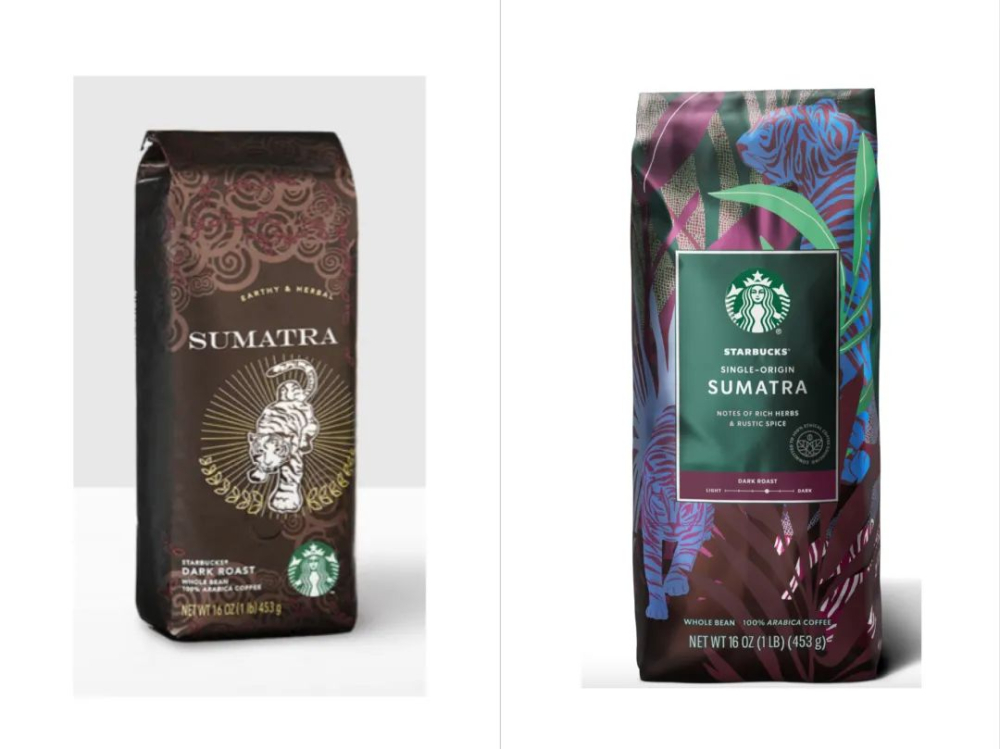 Processed using both washed and semi-washed methods, this bean features low acidity and a moderate body, with herbal notes as its main characteristic, making it suitable for those seeking a milder taste.
The tenth,Prosperity Dragon Blend, is a dark roast from the Asia/Pacific region, also using washed and semi-washed methods. This bean is characterized by low acidity and a heavy body, with distinct layers of herbal and spice aromas. It is specifically labeled as a decaffeinated option, suitable for caffeine-sensitive consumers.
The eleventh,Folgers, is a dark roast multi-region blend processed via washed and semi-washed methods. It features pronounced roasted sweetness and dark cocoa flavors, with a full body and low acidity. When paired with dark chocolate, it creates an excellent flavor synergy.
The twelfth,Espresso Roast, is the primary bean used by Starbucks stores for making espresso beverages. It is a multi-region blend processed through washed and semi-washed methods. This bean delivers a heavy body and moderate acidity, with a sweet caramel-like finish, making it highly compatible with steamed milk.
The final one,Italian Roast, is also a multi-region blend with a medium body and low acidity. It is recommended to brew via drip, especially well-paired with caramel-flavored desserts, showcasing an elegant balance.
In terms of practical brewing, the French press is a simple yet effective tool for highlighting coffee nuances. Here’s how to use it: first, add coarse-ground coffee (approximately 10 grams per 180 ml of water) into the press, pour freshly boiled hot water, let it steep for 4 minutes, then slowly press the plunger down and pour out the coffee. It’s recommended to preheat the press with hot water (preheating step) before brewing and use a phone timer to ensure accurate steeping time. Pairing with chocolate-flavored pastries can often enhance the overall drinking experience.
The above content is compiled by CoffeeHunters, a coffee news website.


