







Introduction:To brew a rich, wine-like and fruity iced drip coffee at home, selecting the right coffee beans and mastering the correct blend ratio is key. This article delves into the brewing principles of iced drip coffee, shares a blending strategy centered on wine and fruit notes, and details every step from pre-soaking to refrigerated fermentation to help you create a professional-grade iced drip coffee with floral, berry acidity, and vanilla-chocolate finishes.
Even as autumn arrives, a cool and clear cup of coffee can still offer an exceptional taste experience, and iced drip coffee is the perfect choice. This cold-brew method, which involves slow extraction with ice water at low temperatures, not only minimizes the release of astringent compounds but also induces subtle fermentation during refrigeration, giving the coffee a smoother mouthfeel and unique fermented aroma.
In the world of iced drip coffee, single-origin or single-processing-method beans often struggle to deliver rich complexity. Therefore, many baristas opt to blend two or more complementary beans. This article will use real-world examples to break down how to craft the perfect iced drip with floral, berry sweetness, and wine-chocolate finishes through carefully selected beans and scientifically optimized extraction parameters.
The charm of iced drip coffee lies in the accumulation of time. Unlike high-temperature extraction, the low-temperature environment suppresses the release of tannins and astringent components in coffee, resulting in a smoother and richer final brew. As ice water slowly seeps through the coffee grounds and is followed by refrigerated fermentation, deeper fruit aromas and delicate sweetness are unlocked, crafting a chilled concentrate akin to aged spirits.

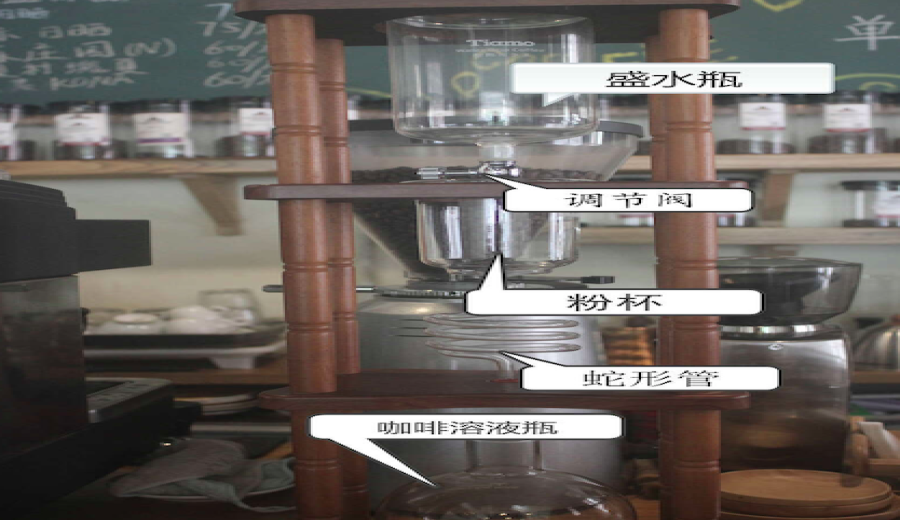
The primary tool for making iced drip coffee is a specialized iced drip brewer, which consists of three layers: the top holds an ice-water mixture, with a recommended ice-to-water ratio of 1:1 to maintain a stable extraction temperature; the middle layer is the coffee grounds chamber, where the coffee-to-water ratio is best kept within 1:10 to 1:12 for optimal results—too high leads to over-extraction, too low results in underwhelming flavor; the bottom layer is the container that collects the brewed liquid.
For the blending strategy, it’s advisable to first define a theme—this article adopts a “wine aroma, fruity notes, and creamy texture” direction. Based on this, two beans with complementary flavor profiles were selected: 【Honduras Sherry】 and 【Mega Stone Black Honey】. The former undergoes low-temperature fermentation in whisky sherry casks, delivering distinct vanilla-cream and wine notes with balanced complexity; the latter is processed with black honey method, imparting mild fermentation aromas along with fruity elements like strawberry and raisin. Together, they not only enhance the theme flavors but also compensate for the individual gaps in single-bean profiles.
The actual blend ratio used is a 1:1 even mix, paired with a coffee-to-water ratio of 1:12, and extracted at a steady flow rate of seven drops per ten seconds over a long period. After extraction, it’s recommended to refrigerate the coffee liquid for two days of fermentation, a step that encourages further fusion of flavor molecules and creates a richer aromatic profile.
The final iced drip coffee presents a clearly defined flavor profile: the initial sip brings delicate florals and berry sweetness, the mid-palate reveals vanilla and creaminess, and the finish lingers with the aftertaste of wine-infused chocolate, offering a full-bodied yet refreshing experience overall.
There are several key details worth noting during the process: First, after filling the coffee grounds, gently level or lightly press the bed—over-compressing will obstruct water flow and cause uneven extraction; second, always place a filter paper on top of the grounds to evenly distribute water pressure and prevent the bed from collapsing due to prolonged dripping; third, it’s recommended to perform a “pre-soak” step before actual extraction, similar to the bloom in pour over, which activates the grounds and improves extraction consistency; finally, the brewed coffee liquid should be left in a sealed container in the fridge for at least one night to allow flavors to fully integrate before drinking, resulting in a smoother and more approachable taste.
The above content is compiled by CoffeeHunters, a coffee news website.


