








Introduction:Although Papua New Guinea coffee is not as well-known as Blue Mountain, it has earned the reputation of being the “Little Blue Mountain” thanks to its shared Typica variety origin and high-altitude volcanic soil. This article delves into its introduction history, varietal background, and unique triple-washed processing method. It also introduces the ecological environment and processing details of Sigri Estate, providing professional roasting profiles and pour over parameters to help you fully experience the delicate flavors of this island-grown coffee.
When it comes to specialty coffee, many people immediately think of Jamaican Blue Mountain. However, Papua New Guinea, an island in the Pacific, also produces a coffee bean hailed as the “Little Blue Mountain.” This coffee earns such a prestigious title not only because it shares the same Typica variety as Blue Mountain but also due to its growing environment—high altitude, volcanic soil, and suitable rainfall—which closely resembles that of Blue Mountain. This article will comprehensively analyze what makes Papua New Guinea coffee unique, covering its historical background, varietal characteristics, and processing methods, with a focus on the real-life example of Sigri Estate. We will take you from the origin to your cup, offering an in-depth look at this finely flavored island coffee.

The history of coffee cultivation in Papua New Guinea dates back to 1931, when the region, then a British colony, imported Typica coffee trees from Jamaica. Due to the long-standing British rule over Jamaica—and Blue Mountain being the most representative Typica variety there—as well as the historical ties between Australia and Britain, the introduction process went relatively smoothly. These Typica coffee trees became the foundation of Papua New Guinea’s later coffee industry and are one of the key reasons it is referred to as the “Little Blue Mountain.”
By the 1950s, Papua New Guinea further enriched its coffee gene pool by importing Bourbon varieties from Kenya, another former British colony. Subsequently, in 1962, the varieties Mundo Novo and Caturra from Brazil were also introduced. The addition of these varieties significantly improved the overall quality of the coffee. Even though Brazil experienced a severe frost in 1975, which indirectly boosted the development of Papua New Guinea’s coffee industry—the government funded the establishment of approximately 20 hectares of coffee plantations around that time. By 1990, annual production had surpassed one million bags, solidifying its status as a significant Arabica-producing region.
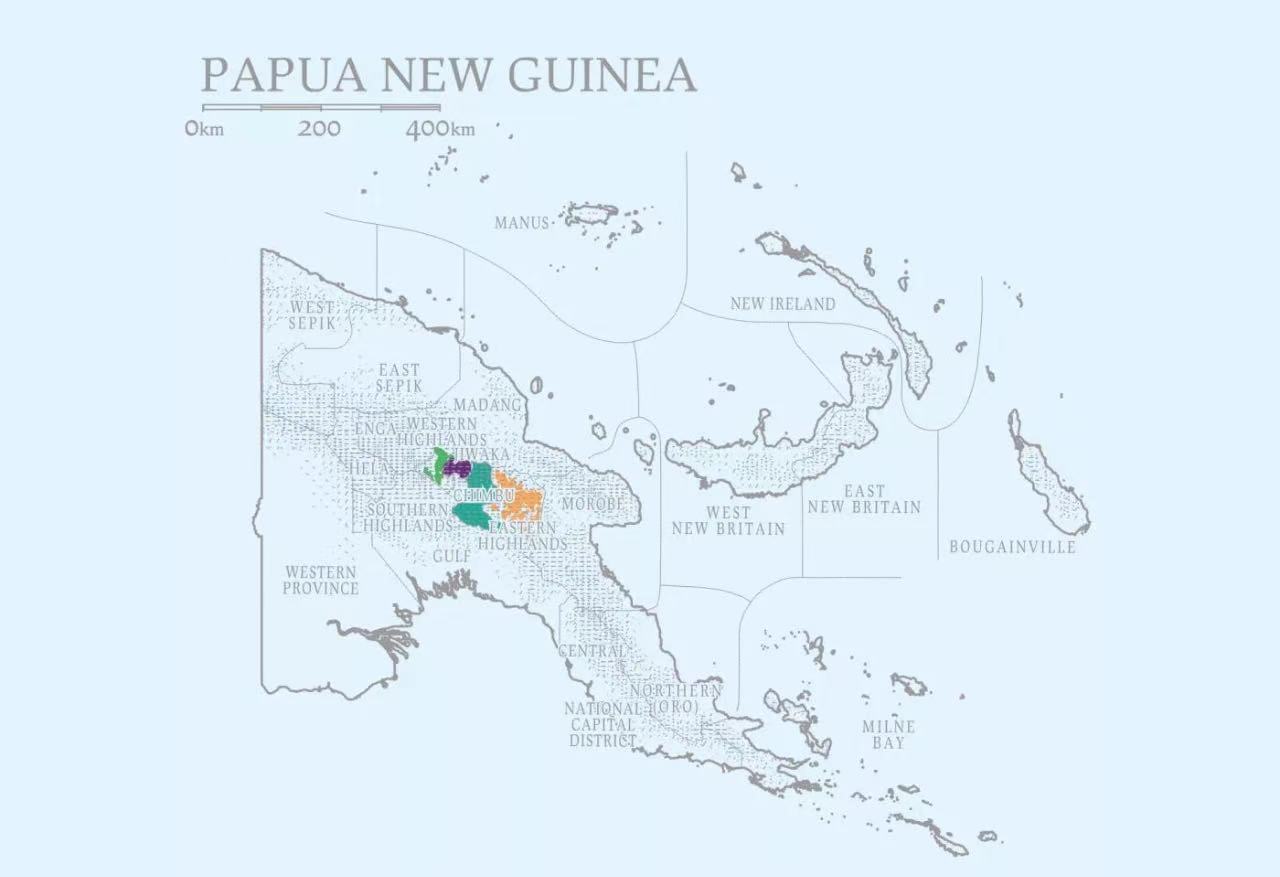
Coffee cultivation in Papua New Guinea is mainly concentrated at altitudes of 1,500 to 1,900 meters in the highlands. These areas feature abundant rainfall and fertile volcanic soil, making them ideal environments for growing Arabica coffee. Nationwide, over two million smallholder farmers rely on coffee as their primary source of income, with production regions primarily located in the eastern part of the country, commonly referred to as PNG (Papua New Guinea). Notably, Papua New Guinea is situated on the eastern half of the island of New Guinea and is separated from western Indonesia by a straight-line border. The region shares similar planting altitudes and climatic conditions with Jamaican Blue Mountain, contributing to flavor similarities. However, slight microclimatic differences impart a deeper fruity acidity with sweet notes.
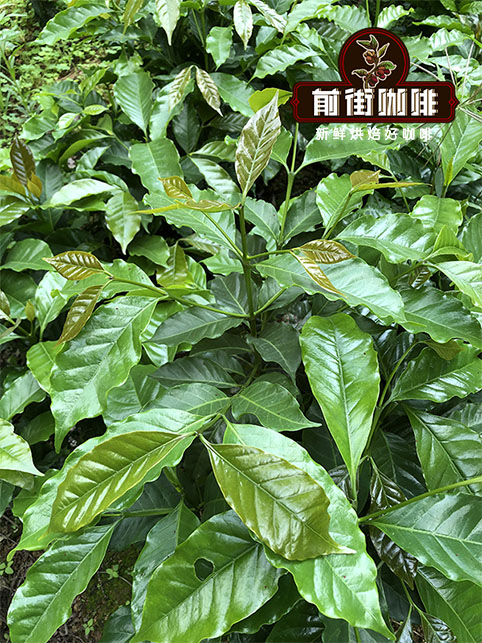
In terms of varietals, what makes Papua New Guinea coffee regarded as the “Little Blue Mountain” is that its main variety is Typica, originating from Jamaican Blue Mountain. Typica is one of the most classic Arabica varieties, known for its elegant flavors and bright acidity, but it is also relatively difficult to cultivate, with lower yields and higher susceptibility to rust disease, requiring more intensive management. The variety originated in Ethiopia and southern Sudan, with robust plants that are sensitive to strong sunlight, featuring distinctive reddish-copper colored top leaves—hence it is also called “Red Capped Coffee.”
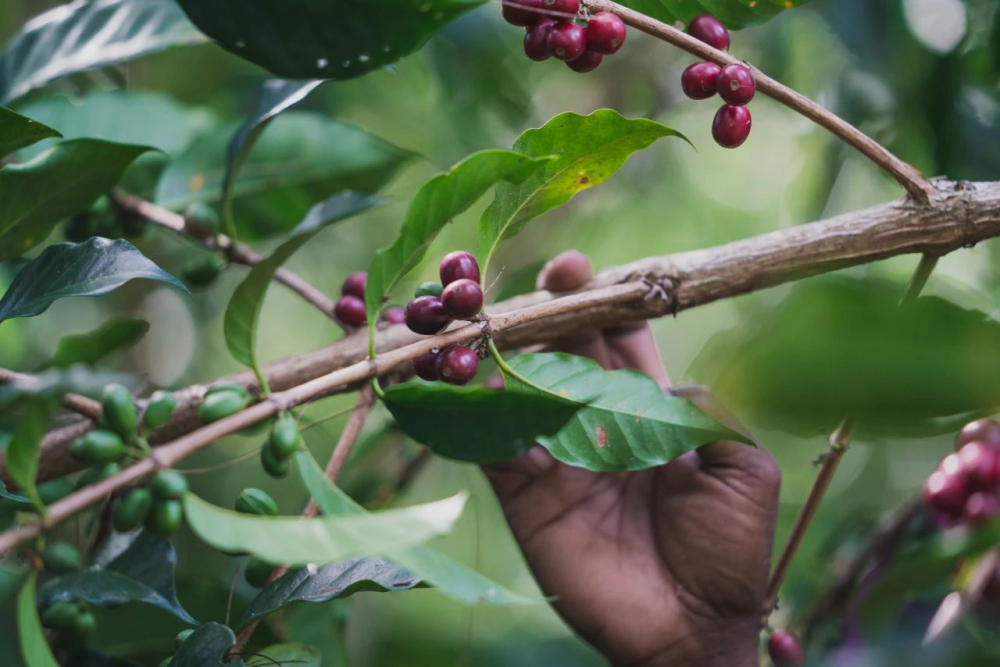
Regarding processing methods, Papua New Guinea continues the water-washing approach commonly used for Blue Mountain coffee but adds a unique step known as “triple-washed fermentation.” The specific process is as follows: after harvesting, the coffee cherries undergo three separate water-washed fermentation stages, each lasting about 24 hours, with fresh water changed each time to precisely control the fermentation flavor. Afterward, the mucilage and outer fruit skin are removed, followed by grading based on quality. This elaborate and meticulous processing method imparts brighter, more refined fruit acidity and a clean, refreshing aftertaste to the coffee beans, resulting in distinct flavor layers and excellent persistence.
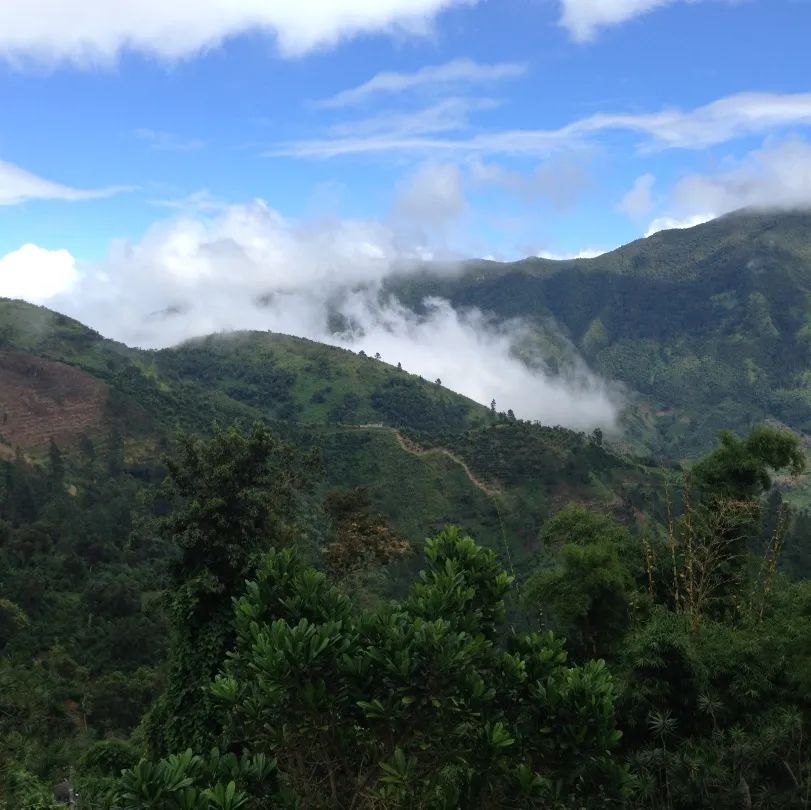
Among them, Sigri Estate is one of the representatives of Papua New Guinea coffee. Established in the 1950s and located in the Waghi Valley of the Western Highlands Province, the estate sits at an altitude of 1,600 to 1,800 meters and features mineral-rich volcanic soil and a cool, pleasant climate. The estate’s name is derived from the bird of paradise, a symbol of freedom and sacredness in Papua New Guinean culture. It is said that up to 90 species of birds, including the national bird, inhabit the estate. Sigri Estate has long been committed to pesticide- and insecticide-free practices, focusing on ecological conservation and sustainable farming. During the harvest season from April to September each year, only fully ripe red cherries are handpicked to ensure optimal balance of sweetness and acidity in the coffee berries.
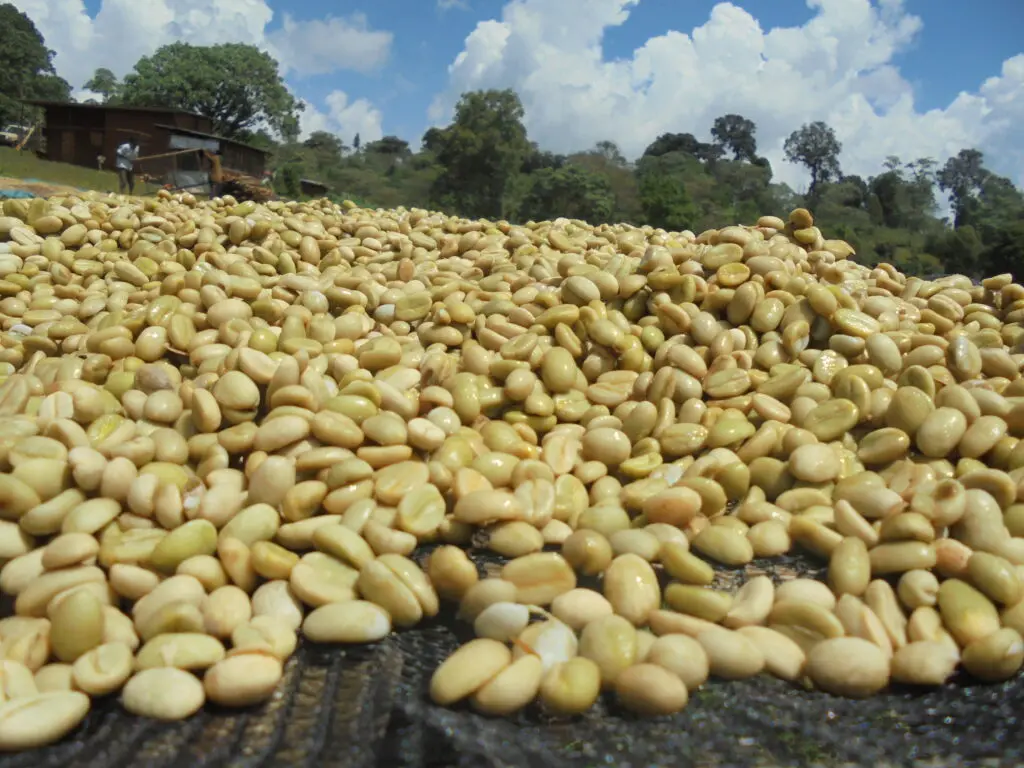
Industry experts pay special attention to the green bean quality and processing details when evaluating this Sigri Estate Typica coffee. The 2020 crop’s green beans are plump, vibrant green, and exhibit excellent bean appearance, all signs of high quality. For roasting, a medium roast is recommended to highlight the crisp acidity and fruity aroma characteristic of the Typica variety. The suggested roasting profile is as follows: start at 170°C with the air vent at 3, flame at 140, and a turning point at 1 minute and 36 seconds; gradually adjust the air vent and flame after the beans turn yellow, and when first crack begins (around 10 minutes and 8 seconds), open the air vent fully while controlling the temperature rise rate after first crack to within 6°C. Finish roasting at 198.5°C to preserve the fullest expression of flavors.
Cupping results show that this coffee presents caramel and citrus dry aromas, with spicy notes in the wet aroma. The flavor profile is clear, featuring layers of citrus, nuts, and cocoa. The acidity is soft, and the sweetness is pronounced, resulting in a balanced and refined overall impression. Compared to Jamaican Blue Mountain, it carries an additional hint of unique spicy tones, offering a familiar yet distinctive flavor character.
For actual pour over brewing, it is recommended to use a Kono filter, with 15 grams of coffee grounds and 225 grams of water, achieving a 1:15 brew ratio. The grind size should be around 75% through a #20 sieve, with water temperature controlled at 89°C. Begin with a 30-second bloom using 30 grams of water, then pour in a small circular motion until reaching 125 grams for the first pour. When the water level is about to expose the coffee bed, continue pouring to 225 grams. The total extraction time is approximately 2 minutes. These parameters fully showcase the coffee’s rich mouthfeel and distinct spicy sweetness, with a long-lasting aftertaste and bright fruit acidity—perfectly suited for coffee enthusiasts who appreciate refined flavor expressions.
The above content is compiled by CoffeeHunters, a coffee news website.


