







Introduction:Just getting into specialty coffee but overwhelmed by the many coffee beans on the shelf? This article sets aside subjective flavor descriptions and focuses on four practical dimensions: packaging information, roast date, origin, and roast level. It provides an actionable selection logic. Along with common regional and roast type pairing suggestions, it helps you find your own flavor direction starting with your very first bag of coffee beans.
When transitioning from instant coffee to specialty coffee, many beginners are often baffled by the overwhelming variety of coffee bean packaging. Faced with pages of descriptive text, they don’t know where to start, and often end up with a bag that brews into something barely drinkable. In reality, choosing the right coffee beans isn’t difficult — the key is to grasp a few core elements: whether the packaging information is clear, whether the roast date is fresh, whether the origin is specific, and whether the roast level suits your personal taste. This article will explore these four practical angles to help beginners build a clear selection mindset. It also combines the characteristics of common regions and roast types to offer real recommendations, helping you find your perfect cup of coffee faster.
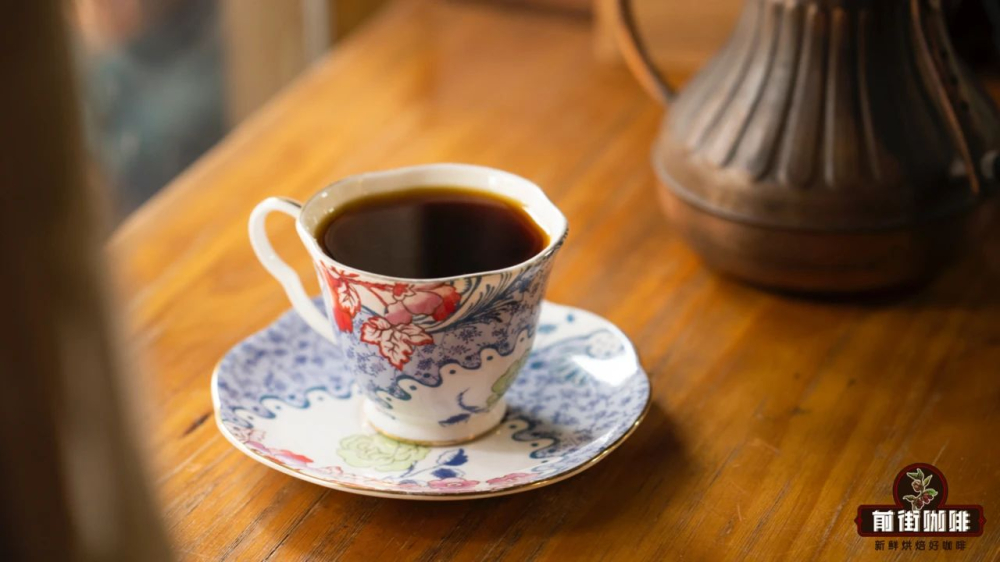 Many newcomers to coffee want to break free from the monotony of instant coffee, but often get discouraged at the sight of densely packed information on coffee bean or coffee powder packaging. They end up randomly buying a bag, only to find after brewing: “What is this weird taste? I can’t even swallow it!” So what exactly makes a good coffee bean? We often hear that “the one that suits you is the best,” but how can you judge what truly suits you if you haven’t tried enough regions and roast types? Do those tempting words in flavor descriptions really match the taste when you try them?
This article will set aside those subjective and abstract flavor experiences for now, and focus on several practical and actionable selection tips to help you make smarter choices.
I. Understanding Key Information on Packaging
The quality and characteristics of coffee beans can mostly be gleaned from the packaging label. Being able to read this information makes bean selection much simpler. One important principle is: if you want to fully experience the flavors of coffee, prioritize buying whole beans rather than pre-ground coffee. Although pre-ground coffee is convenient, sacrificing flavor for convenience is not worth it. Once beans are ground, oxidation begins immediately, and aroma dissipates much faster. Therefore, the closer to the grind time you brew, the fresher and more aromatic the coffee typically is.
II. Roast Date Matters More Than Expiry Date
When selecting coffee beans, the roast date is one of the most critical pieces of information, yet it is often mistaken for the “expiry date.” Many people assume coffee beans can be stored for a long time, but that’s not the case. Even beans stored for a year may not spoil, but their flavor will have significantly deteriorated, making for a definitely subpar experience.
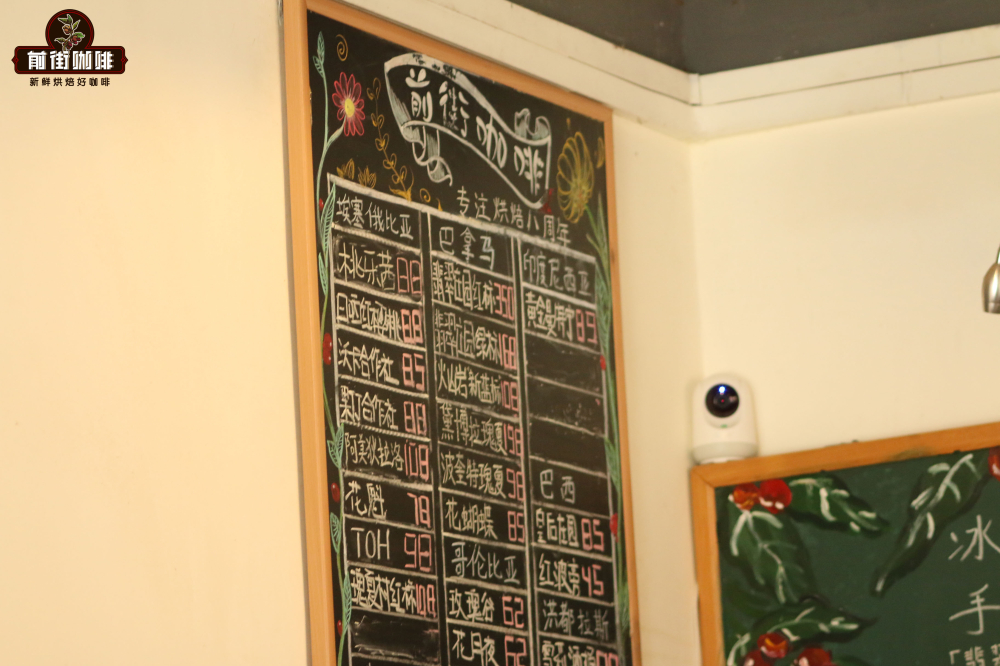
After roasting, the internal chemical composition of coffee beans begins to change immediately, while also continuously releasing carbon dioxide produced during roasting — a process known as “degassing.” Degassing carries away some of the volatile aromatic compounds, so flavor gradually declines over time. It’s generally recommended to consume the beans within 45 days of roasting to enjoy optimal flavor. Many professional roasters ship their beans within 5 days of roasting to ensure consumers receive them at peak flavor.
Specifically, for pour over brewing, it’s recommended to start using the beans from day 5 post-roast and finish them as soon as possible — this is when the coffee’s flavor and aroma are at their fullest and most ideal. For those who prefer using an espresso machine, you can start a bit later, ideally between day 7 and day 9. For cold brew, slightly older beans can be chosen. Of course, these are just reference suggestions — the best tasting window still depends on your personal taste and may require some trial and error to determine.
III. Origin Determines Flavor Foundation
The origin of coffee beans directly influences their final flavor, as environmental factors such as altitude, soil, rainfall, and sunlight all shape the unique personality of the coffee. The world’s major coffee-producing regions lie between the Tropic of Cancer and the Tropic of Capricorn, commonly referred to as the “coffee belt.” If the packaging or a shop assistant cannot clearly explain the origin of the coffee, it’s advisable to choose cautiously.
Over 60 countries produce coffee globally, but beginners can start with well-known regions to understand their typical flavor profiles before gradually exploring more niche varieties. For example, Colombian Huila coffee often has chocolatey and sweet notes, Costa Rican Tarrazú is known for its smooth sweetness, Indonesian Mandheling features strong spicy and herbal flavors, Brazilian Cerrado offers rich nutty undertones, Ethiopian Yirgacheffe is famed for its bright citrus aroma, and Kenyan coffee delivers distinct berry-like acidity and sweetness. Starting with these regional traits can help you identify your preferred flavor direction.
IV. Roast Level Affects Flavor Expression
Even with the same batch of green beans, different roasting methods yield vastly different flavor results. Generally speaking, roast levels can be divided into three main categories: light, medium, and dark.
Light Roast:With shorter heating times, the beans are more greenish-yellow in color, featuring pronounced and vibrant acidity with minimal bitterness. Suitable for pour over or cold brew. For example, a medium-light roasted washed Yirgacheffe or a natural Geisha can showcase bright fruity acidity and floral notes.
Medium Roast:The beans exhibit a uniform caramel color, with acidity reduced compared to light roasts, bitterness beginning to emerge but maintaining overall balance, accompanied by caramel and chocolate aromas. This is the most popular roast level. Suitable for various brewing methods such as pour over, moka pot, or home coffee machines. Recommended to try medium-roasted beans like Strawberry Candy or Queen Estate.
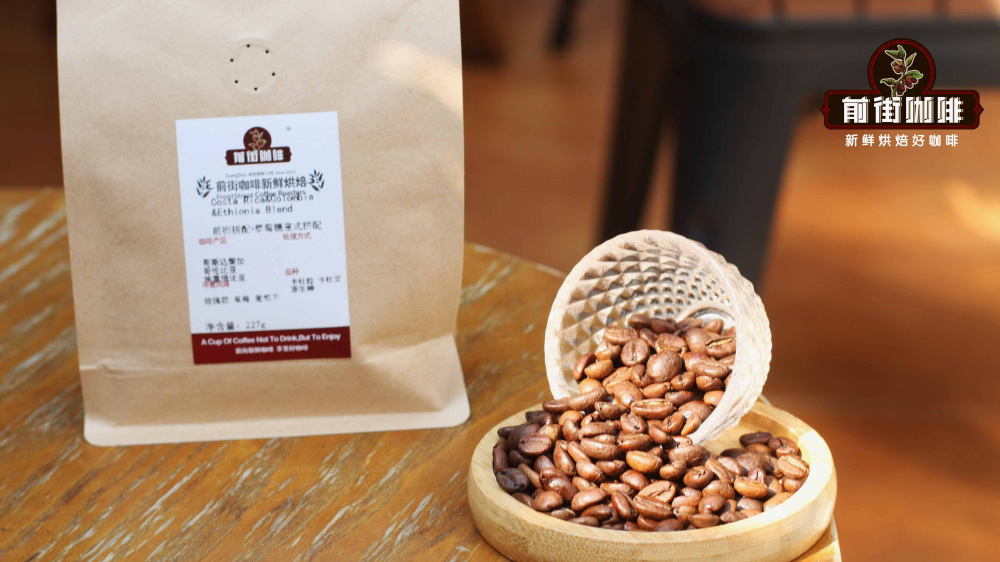
Dark Roast:The beans are dark, shiny, and oily, with acidity almost gone and bitterness taking the lead. Ideal for making espresso. Medium-dark roasted beans like Golden Mandheling or classic Italian blends are classic examples in this category, offering a rich and bold taste.
The above content is compiled by CoffeeHunters, a coffee news website.


