







Introduction:Delve into coffee bean fermentation processing methods—from natural, washed to honey processes—and master how each technique influences flavor. This article details the steps, key parameters, and typical flavor profiles of the three mainstream processing techniques, while also exploring Ethiopia and Kenya’s distinctive washed methods. It helps you select and appreciate coffee beans more precisely, enhancing your brewing and tasting experience.
The flavor of coffee is crucial at every stage, from growing conditions to roasting techniques, but “fermentation processing” is one of the core elements that determine the final cup profile. Whether you’re a beginner just stepping into the world of specialty coffee or an advanced player familiar with pour over skills, understanding the principles and differences of various processing methods allows you to more keenly capture the unique character of each coffee.
When it comes to fermentation, the first images that may come to mind are bread rising or the tangy aromas of yogurt and pickles. In fact, fermentation exists not only in everyday diets but is also a key process in which coffee transforms from fresh fruit into green beans. The English word “Fermentation” originates from the ancient Latin fervere, meaning “to boil,” originally used to describe the yeast acting on liquid, producing a bubbling reaction similar to boiling.
Take common beer as an example: its fermentation process mainly involves sugars being converted into alcohol and carbon dioxide under the catalysis of yeast. However, whether the flavors are rich largely depends on the brewer’s precise control over the fermentation environment and microbial activity. Fermentation is not just about “producing” certain flavors, but also an art of “regulating” and “prioritizing.” Later stages also require processes such as diacetyl reduction and aging to achieve a more balanced and mellow flavor.
Coffee bean fermentation is similarly the result of a series of microbial actions. During processing, microorganisms such as yeast and lactic acid bacteria break down the sugars in the fruit pulp, converting them into various organic acids, alcohols, and esters, thereby influencing the coffee’s acidity, sweetness, and aroma layers. Moreover, environmental conditions during processing—including moisture content, temperature control, drying methods, and duration—can significantly affect the final flavor profile.
Generally speaking, the coffee processing workflow can be divided into four main stages: cultivation, green bean processing, roasting, and brewing, with fermentation being the core step in green bean processing. Common processing methods can be categorized into dry (such as natural), wet (such as washed), and those in between (like honey). Additionally, based on the form of fermentation, they can be further divided into dry fermentation and wet fermentation.
Dry fermentation typically involves placing coffee cherries with pulp and mucilage into concrete or specific fermentation containers, allowing them to ferment naturally. This method helps enhance the coffee’s sweetness and brings out rich fruit and chocolate notes. However, dry fermentation is highly sensitive to temperature; if the fermentation environment is too hot or experiences large fluctuations, it can easily lead to flavor imbalance or even undesirable off-flavors. Therefore, stable temperature control is key to success.
In contrast, wet fermentation first removes the coffee fruit’s skin and pulp, leaving only the parchment layer attached to the seed’s exterior, which is then soaked in water for fermentation. The presence of water not only helps regulate the fermentation rate but also softens the overall mouthfeel, delivering smoother body and more delicate acidity, along with more complex aroma layers.
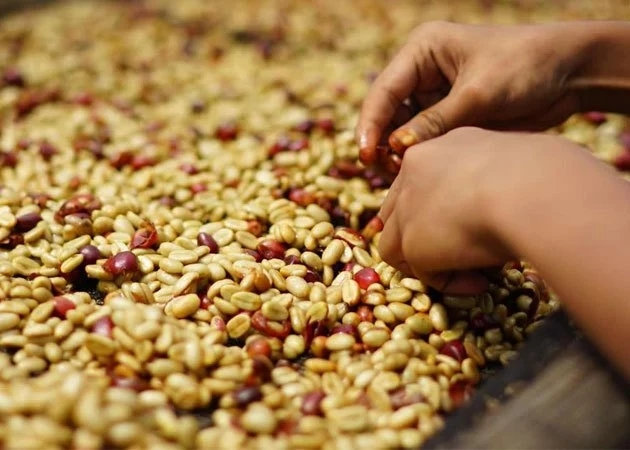
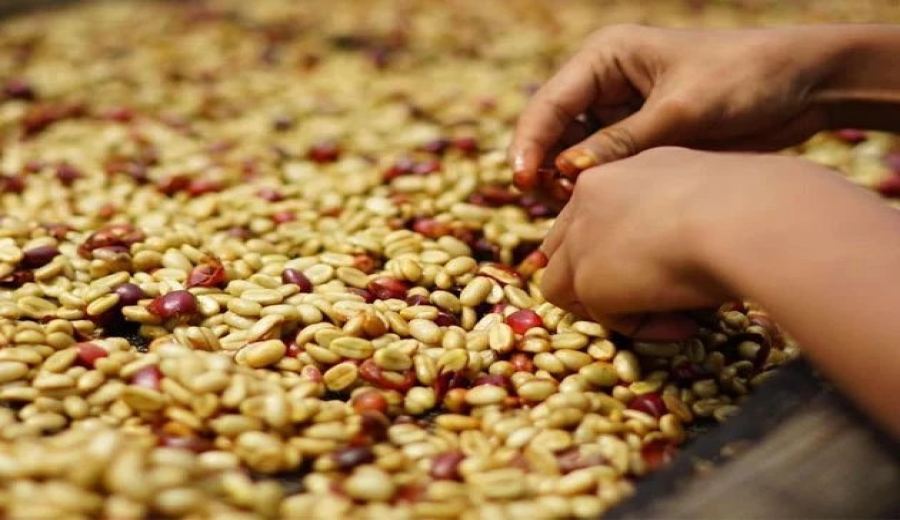
For example, when fermentation temperature is controlled around 16°C, after 24 hours of processing, the coffee often achieves good balance; but if the temperature rises to 26°C, within the same time frame, the bean surface may show abnormal pinkish changes, and the coffee may exhibit a sharp, vinegar-like sensation, with a drier mouthfeel and even a slight metallic taste. These phenomena mostly stem from the accumulation of certain by-products during fermentation, so precise control of fermentation temperature and duration is crucial.
Below, we’ll focus on three of the most common coffee fermentation processing methods, analyzing their processing characteristics and flavor profiles in depth:
Natural Process
The natural process is the most traditional and relatively low-cost method, involving drying the entire coffee cherry directly under the sun until its moisture content drops to about 12%. Common drying platforms include cement floors, raised beds, or specialized natural drying beds. The process requires frequent turning to ensure even heating and avoid over-fermentation. In case of rain or sudden temperature drops, immediate covering is necessary to prevent fruit damage. This method usually imparts intense sweetness, fruity aromas, and a full-bodied mouthfeel, but flavor consistency often depends on weather conditions.
Honey Process
Also known as semi-honey or pulpy process, the honey process is characterized by removing the fruit skin and part of the pulp, then retaining a certain proportion of mucilage for sun drying. Depending on the amount of mucilage retained and processing details, it can be further divided into white honey, yellow honey, red honey, black honey, and gold honey. For instance, white honey typically removes 80%-90% of the mucilage, yellow honey retains about 50% without additional fermentation, and is suitable for drying around 8 days under ample sunlight; red honey retains 25% mucilage, with a drying time of about 12 days, sometimes combined with shading; black honey retains almost all the mucilage and may undergo slight low-temperature fermentation initially, with the longest drying time; gold honey is dried slowly in high-altitude, low-temperature environments, emphasizing the delicate development of aromas.

Washed Process
The washed process is a classic technique that pursues clean acidity and a clear flavor profile. In this method, freshly harvested coffee cherries have their skin and pulp quickly removed, then are soaked in water for 12 to 36 hours to soften the mucilage layer, followed by thorough rinsing with clean water, and finally sun drying. The washed process can be further divided into fully washed and semi-washed: the fully washed method uses fermentation tanks to remove mucilage, with fermentation time depending on ambient temperature and humidity, usually 1 to 2 days; the semi-washed method does not use fermentation tanks but instead mechanically removes the mucilage layer directly.
In addition, two representative regional washed processing techniques are also worth exploring in depth:
Ethiopian-style WashedThis is a traditional wet fermentation process where coffee cherries, after cleaning and removing the skin, undergo submerged fermentation with water for up to three days, requiring a large amount of clean water and strict control over the fermentation environment’s pH to avoid excessive acidification. After fermentation, there is also an overnight soaking before moving to sun drying racks.
Kenyan-style WashedIs renowned for its K72 method, characterized by subjecting depulped coffee beans to three rounds of 24-hour dry fermentation, with thorough washing after each fermentation, followed by an overnight soak, and then sun drying. The total fermentation time accumulates to 72 hours, resulting in its unique bright acidity and complex layers.
In summary, different fermentation processing methods directly influence the flavor direction and drinking experience of coffee. From the rich sweetness of natural, to the clean brightness of washed, to the varied layers of honey processing, understanding the principles and details behind these techniques will help you make more accurate judgments when selecting coffee beans and adjusting brewing parameters, allowing you to enjoy a richer coffee journey.
The above content is compiled by CoffeeHunters, a coffee news website.


