







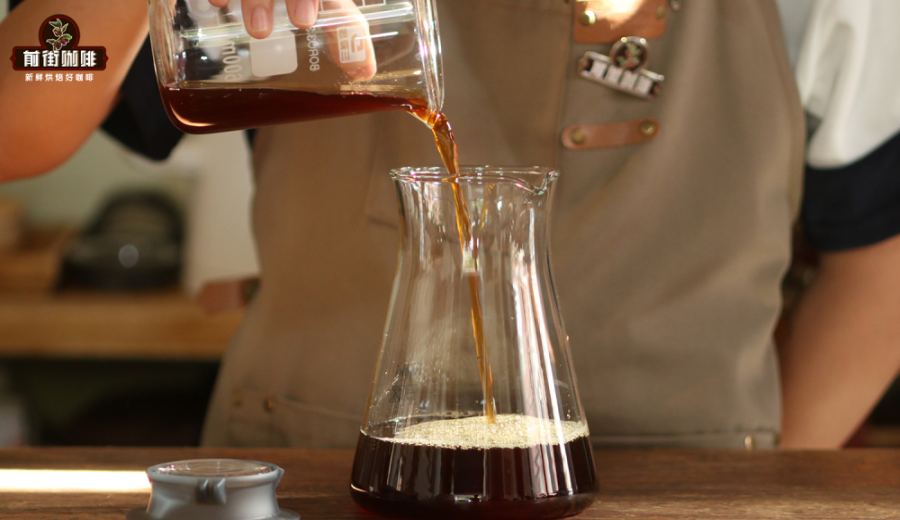
Introduction:Cold brew coffee has gained widespread popularity for its simple brewing process and refreshing taste, making it especially ideal for summer consumption. This article provides a detailed breakdown of the basic principles of cold brew coffee, the differences between room temperature and cold water immersion methods, recommends practical coffee-to-water ratios (1:10) and grind sizes, and offers an in-depth analysis of the flavor profiles best suited for cold brew. With comprehensive step-by-step instructions, optimal drinking timing, and storage suggestions, it helps you master the at-home brewing secrets of this classic iced coffee.
During the peak of summer, cold brew coffee becomes the go-to choice for many coffee enthusiasts due to its refreshing taste and easy preparation. With just cold water and coffee grounds—and no need for complicated equipment—you can easily extract a bold black coffee with outstanding flavor and a rich mouthfeel. This article offers a complete guide on how to make satisfying cold brew coffee at home, covering everything from fundamental concepts and differences in brewing methods, coffee bean selection, recommended coffee-to-water ratios and grind levels, to the actual brewing steps and preservation techniques.
As the name suggests, cold brew coffee is a brewing method that uses cold or iced water to steep coffee grounds over an extended period in either room temperature or cold environments. Because the entire extraction process occurs at relatively low temperatures, the rate at which flavor compounds dissolve is much slower compared to hot water brewing, resulting in a typical brewing time that usually rangesfrom 8 to 24 hours, depending on whether it’s brewed at room temperature or refrigerated. Compared to traditional hot or pour-over methods, not only is cold brew simpler to prepare, but it also reduces the risk of over-extraction, delivering a smoother and lower-acidity flavor profile.
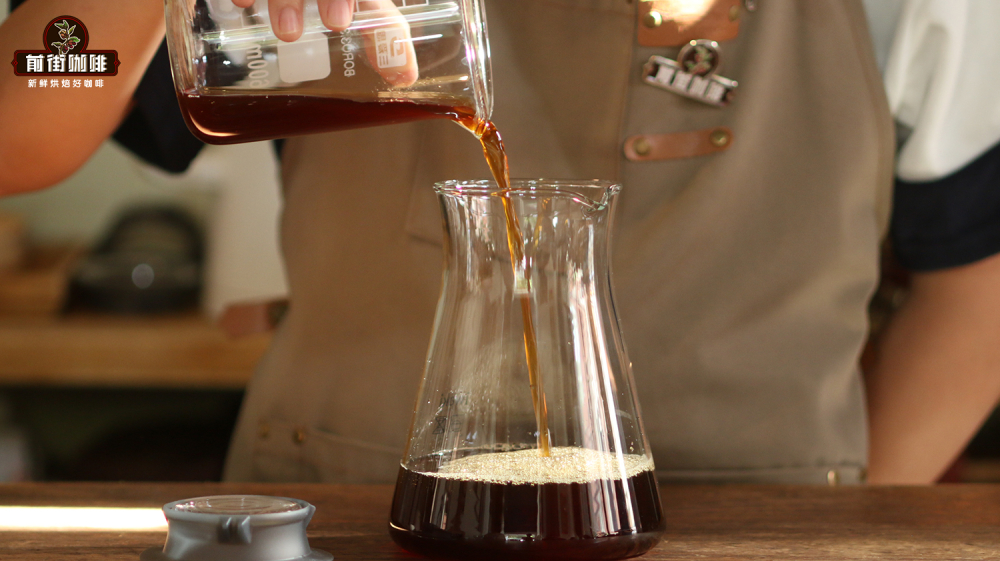
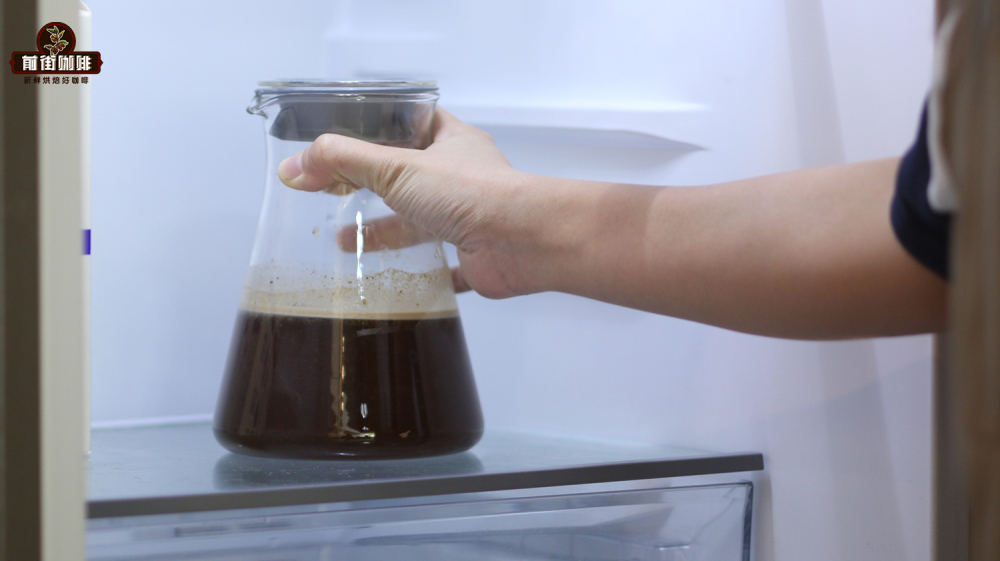
Depending on the brewing environment, cold brew can generally be divided into two main methods: room temperature immersion and cold water immersion. Typically,the recommended brewing time for room temperature immersion is 4 to 8 hours, but due to fluctuations in ambient room temperature, there's a higher chance of over-extraction or the development of unpleasant woody off-flavors. If the cold brew is placed in a refrigerator environment for cold water immersion,the suggested brewing time is 12 to 24 hours, which not only allows for a stable release of flavors but also helps avoid unwanted off-notes, yielding more consistent results. Though it takes longer, the resulting coffee liquid is often richer and more layered in flavor.
As for the types of beans suitable for making cold brew, it is recommended to choosecoffee beans with bright acidity, pronounced sweetness, or rich aromatics, as these help highlight the unique flavor balance characteristic of cold brewing. For instance, beans with distinct fruity notes or sun-dried processing characteristics can present soft yet multi-layered acidity and sweetness under low-temperature extraction; while beans with balanced acidity-to-bitterness ratios and moderate body can maintain good structural integrity even after long steeping periods. The roast level of the beans also affects the overall extraction outcome—medium to medium-dark roasts are advised to avoid excessive bitterness.
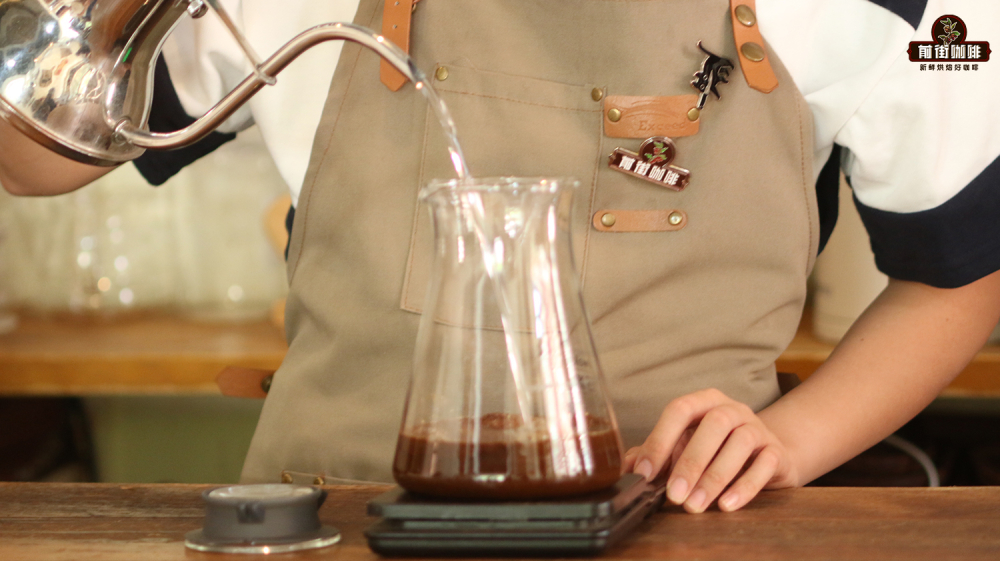
To brew an ideal cup of cold brew coffee, it is recommended to usea 1:10 coffee-to-water ratio, meaning 1 gram of coffee grounds per 10 milliliters of water. For example, if using 50 grams of coffee, you would need 500 milliliters of water. In terms of grind size, it is recommended to use a medium-coarse grind, roughly equivalent to a 20-mesh Chinese standard sieve with a passing rate of about75%, resulting in a texture similar to coarse sugar. This helps extend the extraction time and reduce the risk of over-extraction. In practice, combine the coffee grounds with cold water (you may add some ice cubes to help lower the temperature), pour them into a sealed container, stir gently to mix evenly, then place the container in the refrigerator to steep.
According to practical tests and shared experiences,a cold water immersion time of 8 to 12 hours is considered optimal. Excessively long steeping times—such as over 16 hours—can lead to over-extraction, resulting in unpleasant off-flavors in the coffee liquid. After steeping, it is recommended to thoroughly filter out the coffee grounds using a filter cloth, paper filter, or mesh strainer to obtain a clear coffee liquid. Letting it sit in the refrigerator for a few hours before drinking will yield a more rounded and balanced flavor.
Freshly brewed cold brew coffee may not yet have reached its optimal flavor state. It is advised to first refrigerate it for about 2 to 3 hours to allow the coffee liquid time to “mature,” which helps harmonize the flavors and enhance the body. Additionally, once filtered, the cold brew coffee should be stored in a well-sealed container in the refrigerator for no more than5 days. Although some believe that cold brew tastes better the longer it is kept, considering the complex conditions of home refrigerators and the risk of bacterial contamination—as well as air being introduced each time the container is opened—it is still best consumed fresh to ensure optimal flavor and drinking safety.
The above content is compiled by CoffeeHunters, a coffee news website.


