







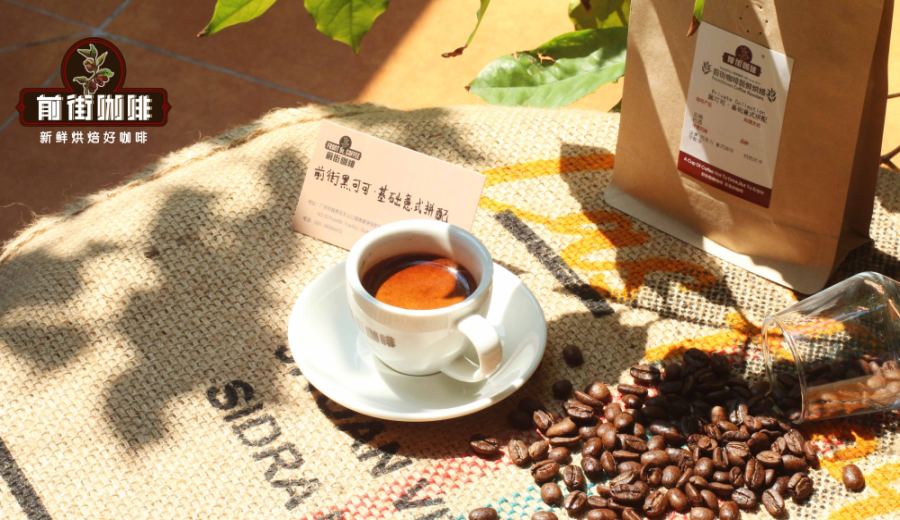
Introduction:Do you think blended beans can only be used to make stable espresso? In fact, combinations of multiple varieties from the same origin can also showcase unique personalities. This article takes an in-depth look at a blend of Costa Rica Tarrazú honey-processed Geisha and Panama Boquete washed Geisha, exploring everything from varietal origins and processing differences to V60 pour over brewing parameters, to help you master the appreciation logic and flavor profile of single-origin blends.
When it comes to blended coffee, most people immediately think of commercial recipes that mix beans from different origins to ensure stable extraction. But in the specialty coffee scene, the craft of "single-origin blends" — skillfully combining multiple varieties from the same region — is gradually gaining attention. Do such blends still count as single-origin coffees? How has the century-long evolution of the Geisha variety, which traveled from its original habitat in Ethiopia to Panama, shaped modern blending philosophies? Through two representative high-altitude blended beans — the Costa Rica Miramar Estate Raisin Honey-processed Geisha and the Panama Boquete Flower Butterfly washed blend — we explore the diverse charm of single-origin blends by examining processing differences and actual brewing performance.
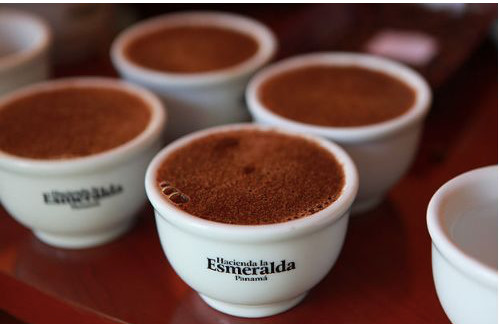
The legend of the Geisha (Geisha) variety began in 1931 in the Gesha Forest of southwestern Ethiopia, then made its way through Kenyan research institutions to East Africa, and was not introduced to Central America until 1953 by the Costa Rica Coffee Research Center (CATIE). Notably, the auction-grade Geisha that made Panama’s Hacienda La Esmeralda famous worldwide actually originated from the plants introduced to Costa Rica. In 1963, Panamanian farmer Don Pachi Serracin brought Geisha seedlings back to his homeland, but due to their low yield, they were long considered an uneconomical variety. The turning point came in the windbreak area of Hacienda La Esmeralda at altitudes above 1600 meters, where agronomists unexpectedly discovered that the coffee beans produced by these Geisha plants exuded a unique citrus tone and delicate floral aroma, thereby rewriting the history of specialty coffee.
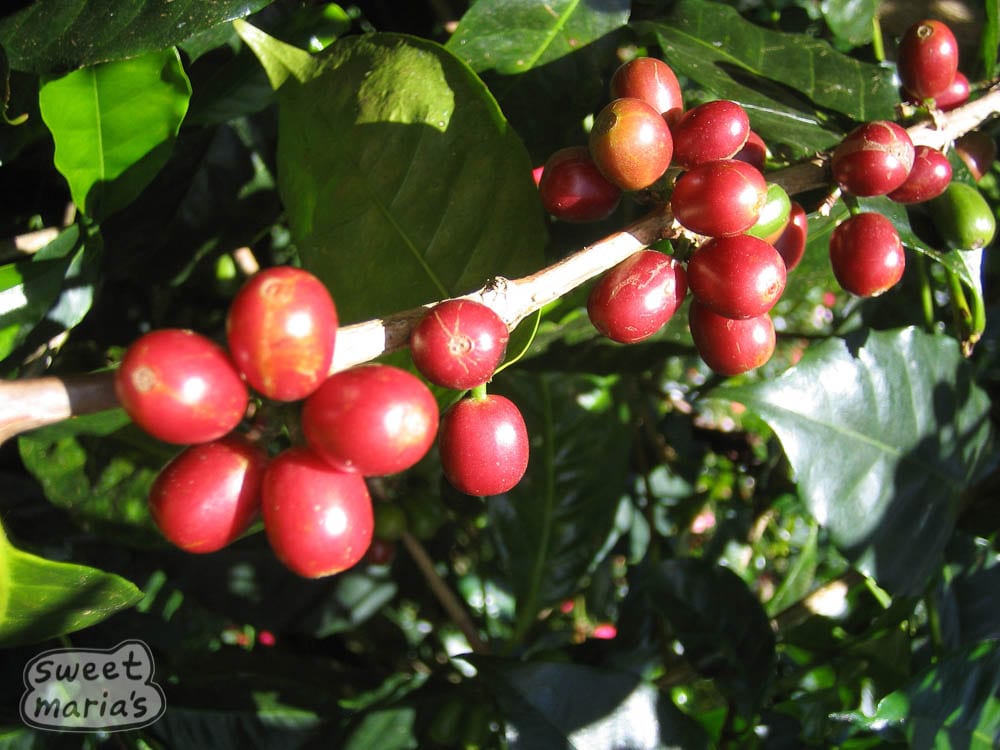
Take the "Strawberry Candy Geisha Blend" from Costa Rica’s Tarrazú region as an example. This single-origin blend consists of four varieties: Geisha, ET47, SL28, and MACIO. Among them, ET47 is a leaf-rust-resistant variety introduced by Costa Rica’s coffee research institute in the 1990s. Its deep green leaves and oval bean shape give the coffee a rich base. SL28, on the other hand, is known for its copper-colored leaves and broad bean-like shape. Although its yield is lower than that of mainstream varieties, its Bourbon lineage delivers standout citrus acidity and black plum flavors. Notably, this blend uses the raisin honey processing method — meaning all pulp is retained without washing, and by precisely controlling the 3–5 day drying time on raised beds, sugars penetrate the bean surface to create a unique caramel sweetness.
In contrast, Panama Boquete’s "Flower Butterfly Geisha Blend" showcases the clear profile of washed processing. Although the recipe has been claimed over the years to have a Geisha content adjusted from 30% to 70%, it actually consists of three varieties: Geisha, Caturra, and Catuai, all from mixed planting blocks within the same estate. The washed processing procedure includes pulping, 24-hour mucilage fermentation, water rinsing, and raised bed drying. This process enhances the coffee’s bright lemon acidity and jasmine-like aroma while reducing the risk of overly sweet or cloying flavors.Key parameter tip: For washed beans, it’s recommended to roast to a medium-light to medium level (Agtron 65–70), while honey-processed beans suit a slightly darker medium roast (Agtron 55–60) to balance sweetness.
In actual pour over performance, using a V60 filter cone (recommended size 02) highlights the distinct characteristics of the two blends. Standard parameters are set as follows: brew ratio 1:15, water temperature 91–92°C, grind size similar to fine sugar (approximately EK43s – 10 setting). The operation involves pouring 30 grams of hot water for a 30-second bloom, followed by three pour stages — the first stage with 95 grams (total weight about 125 grams) continuing until 1 minute, the second stage with 100 grams (total weight 225 grams) poured when the water level drops to two-thirds of the coffee bed, and the final stage completed by 1 minute 55 seconds to 2 minutes of dripping. Under these parameters, the Flower Butterfly blend exhibits a prominent black tea base paired with berry-like acidity and sweetness, with a finish of nuts and citrus aftertaste; the Strawberry Candy blend leads with rose floral notes, accompanied by intense dried blueberry fruitiness and a long-lasting almond-toned sweetness.
For coffee enthusiasts new to single-origin blends, there are two key appreciation points to note: first is the impact of processing methods on flavor — washed processing enhances acidity clarity and aromatic layers, while honey processing boosts sweetness and body; second is the synergistic effect of varietal combinations, such as how the pairing of SL28 and Geisha creates a complex citrus tonal spectrum, while ET47 provides a stable and full-bodied foundation. With these basic principles in mind, the next time you encounter coffee beans labeled "single-origin multi-variety," you’ll be able to more accurately anticipate their flavor direction and adjust your brewing strategy accordingly.
The above content is compiled by CoffeeHunters, a coffee news website.


