







Introduction:As the world’s fourth-largest coffee-producing country, Indonesia is renowned for its Mandheling series, celebrated for their bold, herbal flavor profiles — yet these beans often leave newcomers puzzled about their varietal origins. This article delves into the relationship between Mandheling and Arabica, introducing you to four classic Mandheling types — from the common Lintong everyday beans to the premium PWN Golden Mandheling. We’ll explore the altitude and processing differences across producing regions, provide expert roasting profiles and pour over parameters, and help you master the unique flavor expressions of these classic beans.
Indonesia consistently ranks as the world’s fourth-largest coffee producer, and its coffee is most distinctly characterized by its rich, herbaceous aroma. However, due to the long-term introduction of various foreign varieties and frequent natural crossbreeding, accurately identifying coffee varietals here is quite challenging. This article will start with the basics of the three major coffee species, guide you through the origins and classification of Mandheling, and offer an in-depth look at four representative Indonesian Mandheling coffees — including their growing regions, varietal characteristics, processing methods, and recommended brewing essentials — enabling coffee enthusiasts to gain a more comprehensive understanding of the connection between Mandheling and Arabica.
When discussing coffee varieties globally, they are generally categorized into three main types: Arabica, Robusta, and Liberica. Among them, the delicate and widely favored Arabica — also known as the small-bean variety — holds around a 70% market share and forms the foundation of most specialty coffees. Robusta, a medium-bean variety, is known for its strong bitterness and high caffeine content, commonly used in instant coffee or espresso blends, accounting for over 20% of the market. As for Liberica, also called the large-bean variety, it originated in West Africa and is still grown in places like the Philippines and Malaysia, holding a market share of approximately 2% to 5%.
Within Indonesia, both Arabica and Robusta are cultivated, but their distribution and performance differ significantly. Next, we’ll focus on the most iconic Indonesian Mandheling coffee.
Regarding the origin of the name “Mandheling,” one theory suggests it comes from the Mandailing ethnic group in Sumatra. Due to a misinterpretation during early Japanese transliteration, this uniquely distinctive coffee became known worldwide as “Mandheling.” In fact, the earliest Mandheling coffee originated from the Typica variety introduced by the Dutch, which is a pure Arabica type. However, in 1877, when Indonesia was hit by a coffee leaf rust epidemic, disease-resistant alternative varieties had to be introduced — including those from Robusta, Timor Island (Timor), Catimor, India (Kent), and S795. Notably, aside from Robusta, all these introduced varieties belong to the Arabica family.
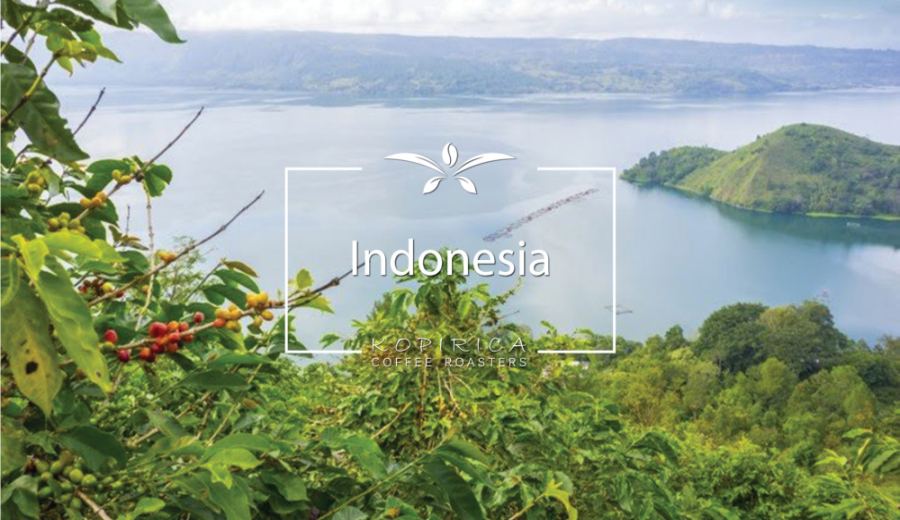
Currently, Robusta is primarily grown in the low-altitude regions of southern Sumatra, while the vast majority of Mandheling coffee is cultivated in the high-altitude areas of the north. The two famous producing regions in Sumatra are known as the “Two Lakes, Two Mandhelings” — Lake Tawar in the northern Aceh region (surrounding the Gayo mountains) and Lake Toba in the central Lintong area.
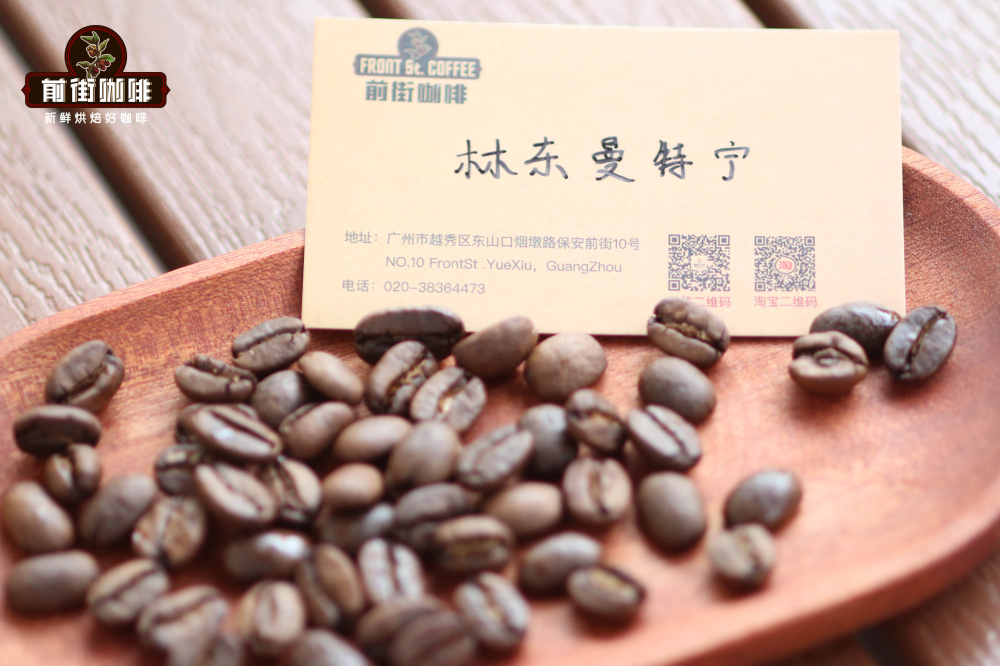
The most well-known characteristics of Indonesian Mandheling coffee are its bold, rich flavor with a distinctive pure bitterness, coupled with subtle natural sweetness. With extremely low acidity, it rarely develops unpleasant sourness even after prolonged brewing or when served as iced coffee. Roasted Mandheling beans are relatively large, with green beans mostly appearing brown or dark green and exuding a caramel-like aroma. The taste is full-bodied and layered, making it popular for single-origin enjoyment as well as widely used in various blended coffees.
Next, we’ll introduce four classic Indonesian Mandheling coffees: Lintong Mandheling, PWN Golden Mandheling, Tiger Mandheling, and Aged Mandheling. We’ll break down each in terms of origin, varietal, processing method, and optimal brewing recommendations.
First up is Lintong Mandheling, a coffee bean produced in the Lintong region. It is characterized by larger bean size and harder texture. Although Mandheling generally refers to Typica or its related variants grown in the mountainous areas around Lake Toba in Sumatra, the beans from the Lintong region tend to have a higher proportion of defective beans, requiring strict screening during processing. Lintong Mandheling offers a rich, aromatic profile with bold bitterness and full body, along with subtle sweetness and mild acidity — making it a great entry-level Indonesian everyday bean. It falls under the G1 top grade, with an affordable price that still fully showcases regional characteristics.
Next is the highly acclaimed PWN Golden Mandheling. This coffee is trademarked by Indonesia’s PWN company and originates from the Gayo highlands in North Sumatra’s Aceh region. Though labeled as Typica, it is actually the locally common Ateng variety — a branch of Catimor, a hybrid of Arabica and Robusta. PWN Golden Mandheling is selected with extreme rigor, using only beans sized 19 mesh and above, and undergoing three rounds of manual sorting to ensure high quality. For roasting, a medium-dark profile is recommended to highlight its rich herbal and spicy notes, along with syrupy body and bright caramel sweetness.
The third to introduce is Tiger Mandheling. This coffee is screened with extremely strict standards, using only beans sized 17 mesh or above with a defect rate below 4%. Its main varieties include Caturra and Typica. Caturra brings a refreshing acidity with citrus and lemon notes, while Typica delivers long-lasting aftertaste and excellent sweetness. The overall taste is balanced and clean, making it ideal for coffee lovers seeking refined flavors.
The final one is Aged Mandheling. It’s important to clarify that true aged coffee beans are not just stored for long periods, but undergo professionally controlled storage conditions (typically for 2–3 years) in cool, ventilated environments to allow natural maturation. The aging process gradually reduces acidity, resulting in a thicker bean texture. However, improper storage can lead to moldy or complex off-flavors resembling leather or burlap. Aged Mandheling mainly uses the Typica variety, sourced from the highlands of Sumatra and processed via the wet-hulled method. It’s well-suited for coffee enthusiasts who enjoy low-acidity, full-bodied beans with rich layers of complexity.
Through this exploration of four classic Mandheling types, you’ll not only clarify the relationship between Mandheling and Arabica, but also gain an appreciation for the diversity and unique charm of Indonesian coffee. Whether you’re new to single-origin coffee or already an experienced enthusiast, these classic beans offer distinct tasting experiences and learning opportunities.
The above content is compiled by CoffeeHunters, a coffee news website.


