







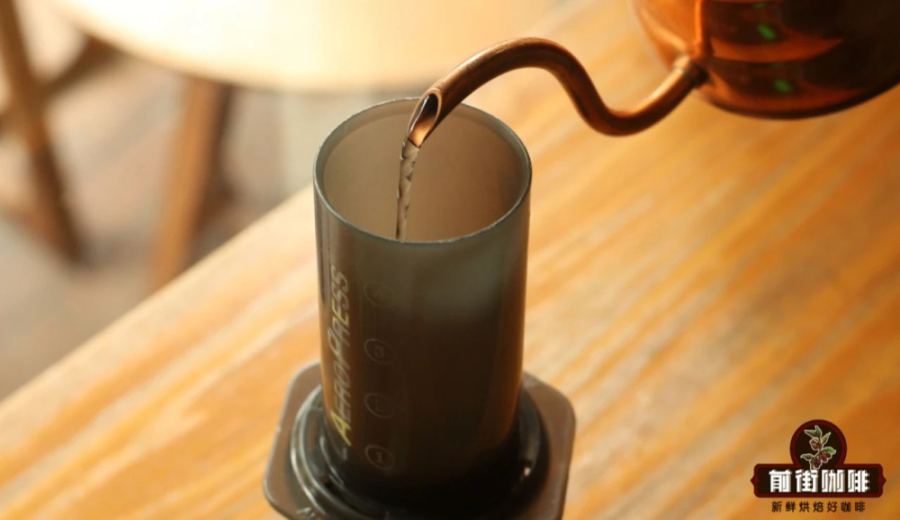
Introduction:As an all-purpose coffee brewing device that combines the concepts of French press, pour over, and espresso extraction, the AeroPress is beloved by coffee enthusiasts for its flexible and versatile brewing methods. This article delves into the inverted brewing technique of the AeroPress, covering suitable bean varieties, extraction principles, and flavor profiles, along with a complete step-by-step guide and parameter recommendations to help you master a stable and flavorful brewing method.
The AeroPress is an exceptionally adaptable coffee brewing tool. Its design ingeniously integrates the immersion concept of a French press, the paper filtration of pour over, and the pressurized extraction of espresso. It is precisely because it combines these three principles that the AeroPress can deliver a coffee flavor that is rich yet clean, smooth, and layered — a key reason for its global popularity among coffee lovers. Among these, the “inverted method” has become a practical technique favored by many coffee enthusiasts in recent years for achieving stable extraction and enhanced flavor expression.
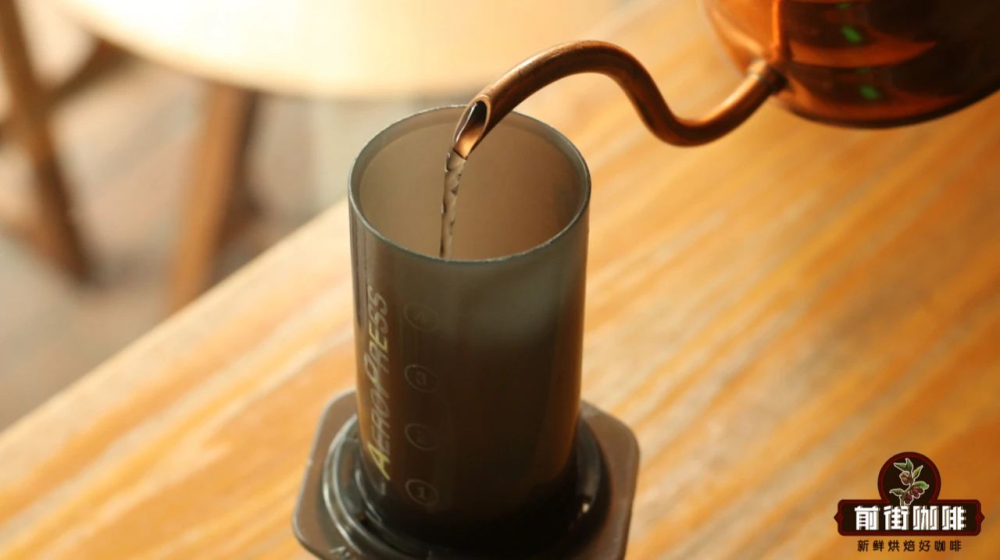
There is almost no so-called “standard answer” when it comes to how to use the AeroPress. Users can freely adjust grind size, water temperature, pouring method, and pressure control based on personal taste preferences. Thanks to its high operational flexibility and clear variables, it has become the star of the World AeroPress Championships, inspiring countless creative brewing techniques. Whether you are a beginner or an advanced user, you can find your own unique coffee expression through this “all-in-one” tool.
The AeroPress’s ability to brew coffee that is both rich, clean, and full-bodied stems from the integration of three mainstream brewing techniques. First, it adopts an immersion-style extraction similar to a French press, allowing the coffee grounds to have ample contact time with hot water. Second, it uses specialized paper filters (or optionally a metal filter) for brewing, effectively filtering out coffee grounds to make the coffee liquid clearer and the mouthfeel smoother. Lastly, it simulates a rapid espresso-like extraction through downward pressure applied via the plunger, bringing out more complex flavor compounds and a richer body.
This design gives AeroPress-brewed coffee the following typical characteristics: one,a clean and smooth mouthfeel, as the high-density paper filter effectively removes fine particles, preventing the coffee from tasting muddy or astringent; two,gentle acidity with clear flavor notes— when brewed properly, it can showcase the coffee bean’s inherent floral, fruity, caramel, or nutty layers; three,excellent body performance— although primarily immersion-based, the pressurization process results in a rounder, fuller-bodied coffee liquid, sometimes even surpassing typical filter-style coffee.
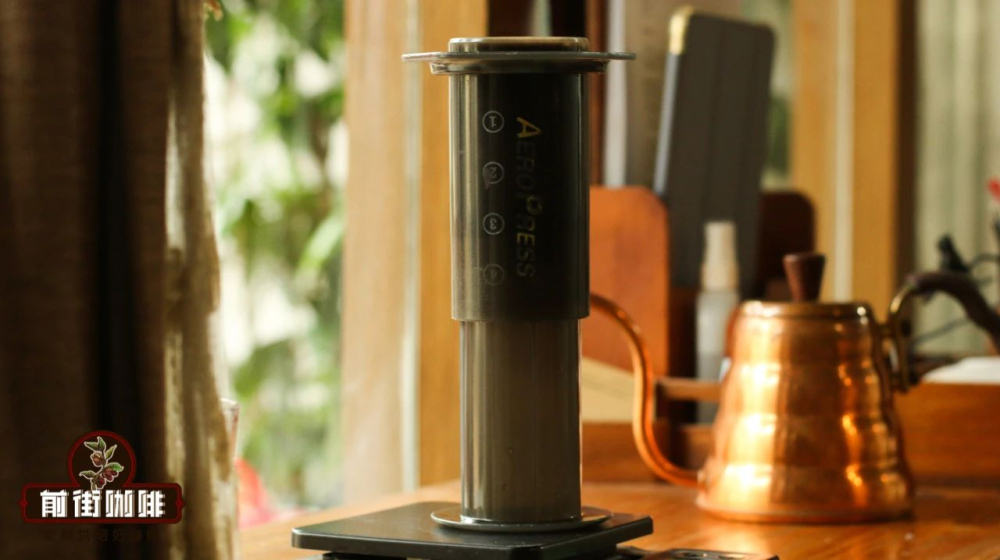
The AeroPress resembles a large syringe and is made from heat-resistant plastic, making it very intuitive to use. Place ground coffee into the chamber, pour in hot water, let it steep briefly, then use the plunger to push the coffee through the paper filter into the cup below. This simple structure is not only portable but also suitable for experimenting with various brewing styles. Many advanced users modify their pouring technique, grind size, steeping time, and pressing speed to create flavors close to pour over’s clarity or espresso’s intensity.
Among the various brewing methods, the “inverted method” (Inverted Method) is the preferred choice for many AeroPress users seeking stability and refined flavor. The inverted method involves turning the AeroPress upside down, first adding coffee grounds and hot water to allow full immersion, then attaching the paper filter and filter cap, and finally flipping it over to press. The advantage of this approach is that the steeping time is easier to control, and the pressing process is smoother, reducing the chances of mistakes caused by accidental spills or uneven pressure — making it especially suitable for beginners.
If you’d like to try brewing with the inverted method, you may refer to the following practical parameters: use about18 grams of medium-fine grindcoffee beans (such as those from the Huila region, which exhibit distinct nutty and chocolatey notes), pour in about240 milliliters of hot water at 94–98°C. First, place the coffee grounds into the inverted AeroPress’s lower chamber, add the hot water, gently stir, and let it steepfor approximately 60 to 90 seconds. Then attach the paper filter and filter cap, slowly flip the device over, and press down at a consistent speed over the course ofabout 30 seconds. The entire process takes roughlyaround 1 minute and 20 seconds, resulting in a brew with a rich, full-bodied flavor where nutty aromas are particularly prominent.
It’s worth noting that when using the inverted method, it is recommended to choose specialized paper filters to achieve better filtration and purer taste. If you prefer a thicker mouthfeel, you can also try using a metal filter, but be sure to adjust the coffee grind size and steeping time accordingly to avoid over-extraction. Additionally, when pressing, maintain steady pressure — there’s no need to press too hard, as doing so could affect the flow rate and flavor balance of the extraction.
In summary, the AeroPress is a highly versatile and creative coffee brewing tool. Whether you are just starting out or already have some experience, you can explore diverse coffee expressions by adjusting different parameters and techniques. The inverted method not only improves brewing stability but also allows you to easily achieve rich, full-bodied, and layered coffee flavors — a method well worth exploring and practicing for any coffee enthusiast.
The above content is compiled by CoffeeHunters, a coffee news website.


