







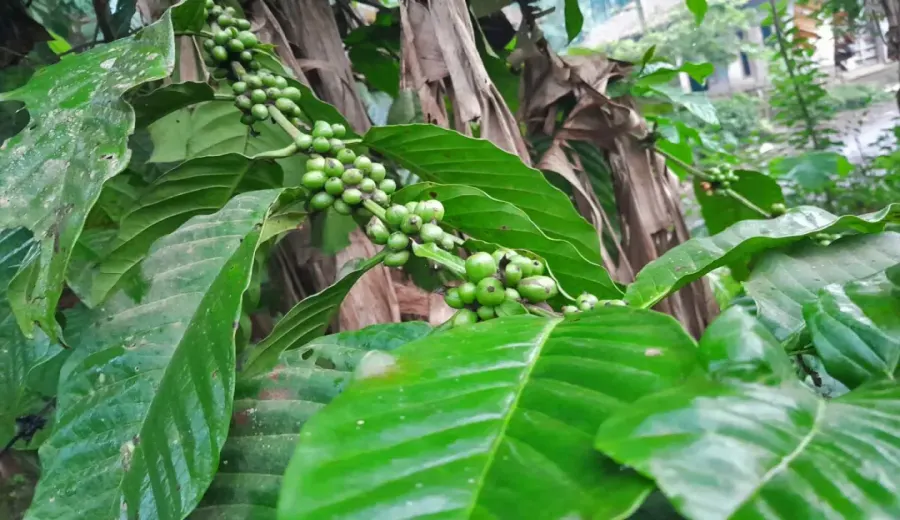
Introduction:Have you ever wondered why tropical regions like Vietnam prefer to grow Robusta? This type of coffee bean, often considered to have a rougher flavor profile, actually possesses unique resilience and distinctive characteristics. This article will take an in-depth look at the growing traits, disease resistance, and flavor profiles of Robusta and Arabica, explore the world’s major Robusta-producing regions, and guide you through the brewing techniques for Vietnamese drip coffee—helping you rediscover this often misunderstood coffee variety.
In the world of coffee, Robusta and Arabica are the two most prominent varieties, yet they differ greatly in their growing environments, resistance to diseases, and final cup characteristics. Many people wonder why tropical areas such as Vietnam can cultivate Robusta on a large scale instead of the more widely regarded "premium" Arabica. In fact, this has much to do with their differing adaptability to altitude and climate, as well as their resistance to pests and diseases.
From a botanical perspective, Robusta clearly exhibits greater adaptability than Arabica. Arabica typically needs to be grown at altitudes above 800 meters and is less resistant to environmental changes and pests; in contrast, Robusta can thrive at altitudes below 800 meters and even in hot, humid conditions. This enables Robusta to be widely cultivated in tropical or subtropical regions such as Vietnam, Indonesia, India, and Brazil. It’s worth noting that China’s Hainan also has a small amount of Robusta cultivation.
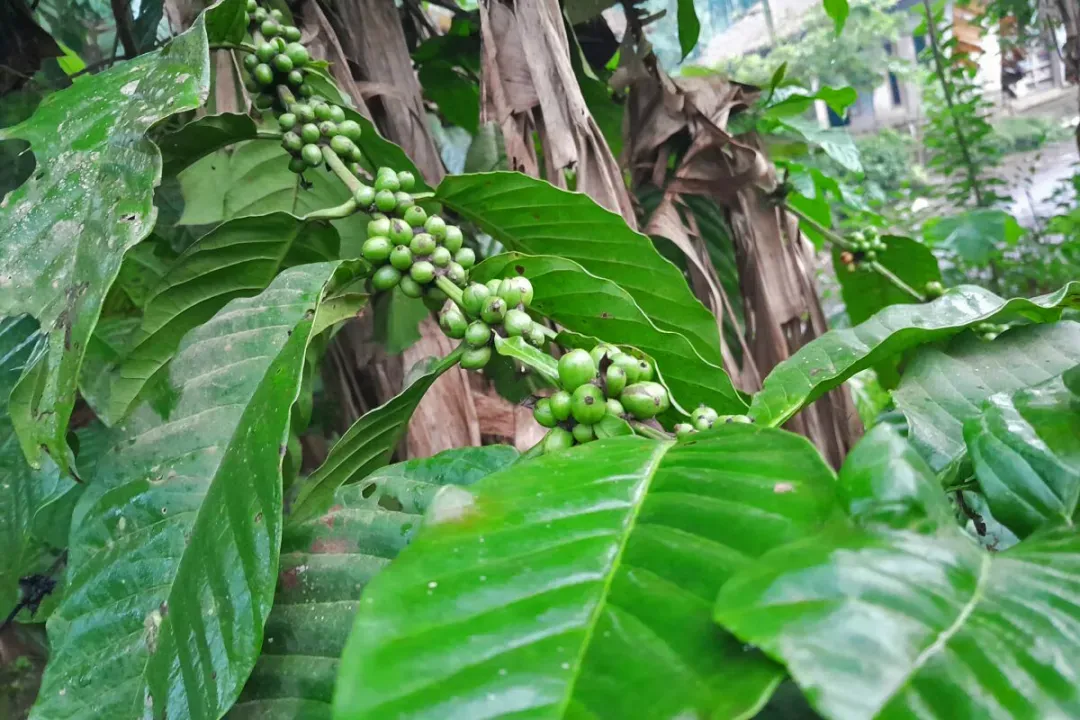
Moreover, Robusta demonstrates a stronger survival strategy at the genetic level. Arabica is self-pollinating, resulting in lower genetic diversity; once faced with diseases such as leaf rust, entire plantations may be at risk of extinction. In comparison, Robusta is cross-pollinated, possessing a richer combination of genes and capable of producing more adaptable offspring. Additionally, while Robusta has 22 chromosomes—fewer than Arabica’s 44—it has greater hybridization and mutation capabilities, giving it an edge in variable environments.
In terms of pest resistance, Robusta contains caffeine levels as high as 2.7% to 4%, nearly double that of Arabica. Caffeine, as a natural insecticide, effectively repels most insects, which is one of the key reasons Robusta can grow steadily in environments prone to pests and diseases. The human sensitivity to caffeine is a reflection of its natural defensive function.
When it comes to flavor, Robusta is often considered less refined than Arabica, but it has its own unique strengths. Due to its higher content of caffeine, amino acids, and chlorogenic acids, these compounds give Robusta a bolder, fuller-bodied taste, though they also bring more bitterness. Common flavor descriptors include nuts such as walnuts, peanuts, and hazelnuts, grainy notes like wheat, and occasionally earthy or grassy undertones. While these flavors may not fall into the delicate spectrum, they can exhibit intense and distinctive charm under specific brewing methods and pairings.
It’s worth mentioning that there is also a well-known “hybrid” variety between Robusta and Arabica—Catimor. This variety is a cross between Robusta and Typica (a type of Arabica), carrying about 25% Robusta genetics. Catimor inherits Robusta’s resistance to leaf rust and rich crema, while also retaining some of Arabica’s softer acidity and aromatic qualities. Many coffee farms choose to plant Catimor precisely because of the balance it strikes between disease resistance and flavor.
So why is Vietnamese coffee brewed with Robusta often not unpleasant? The key lies in the local specialty brewing methods and flavoring techniques. Vietnamese people commonly use a metal drip filter (Phin Filter) to brew strong Robusta coffee, then add sweetened condensed milk and regular milk, sometimes with ice, creating the unique Vietnamese-style coffee flavor. This preparation method not only neutralizes the intense bitterness of Robusta but also adds rich creaminess and sweetness, making the overall drink smoother and more rounded.
If you’d like to try Vietnamese-style Robusta coffee at home, the steps are actually very simple: first, prepare 10 grams of medium-fine ground Robusta coffee, place it in the filter basket of the drip filter, and gently tamp it down; next, pour in about 100 milliliters of water heated to around 94°C, and wait for the coffee to slowly drip through. Once dripping is complete, you can add sweetened condensed milk, regular milk, and ice according to your preference to create your own version of Vietnamese coffee.
In summary, although Robusta is often labeled as having a “rougher flavor,” its strong adaptability, unique flavor characteristics, and clever use within certain cultures give it a solid place in the global coffee supply chain. Whether you’re a coffee novice or a dedicated enthusiast, gaining a deeper understanding of Robusta’s traits can broaden your perspective and enhance your coffee tasting and selection experience.
The above content is compiled by CoffeeHunters, a coffee news website.


