







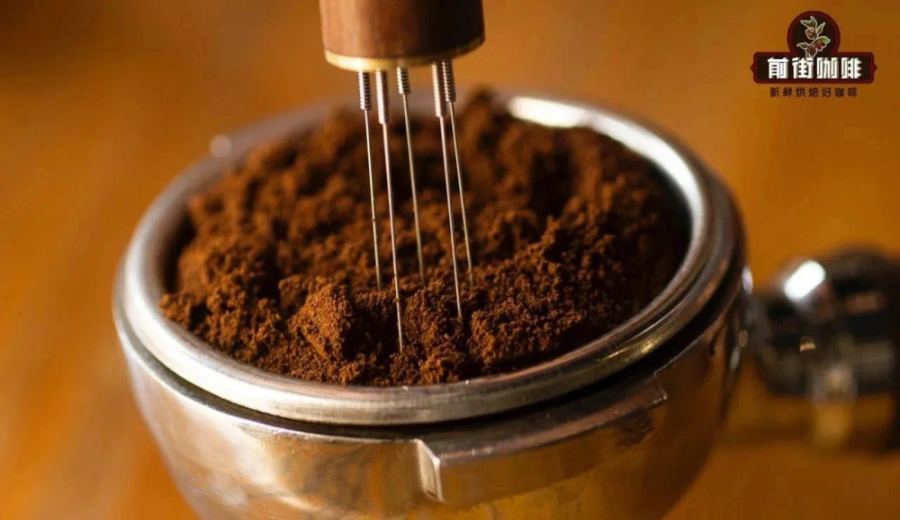
Introduction:Dosing is a frequently overlooked yet crucial step in making espresso. An even distribution of coffee grounds can effectively prevent channeling and ensure balanced flavor in every drop of the extracted coffee. This article will delve into the core principles of dosing, common operational mistakes, and provide practical techniques such as finger dosing and knocking the portafilter—helping you master the art of brewing consistently high-quality espresso.
When crafting a well-balanced espresso, dosing may seem like just a simple step, but it is one of the key factors that influence the final extraction quality. Whether the coffee grounds are evenly distributed in the portafilter basket directly affects the path water takes through the coffee puck, which in turn determines whether the extraction is uniform and the flavors are harmonious. This article will guide you through the importance of dosing, common pitfalls, and how to optimize puck structure using correct techniques such as gently leveling with your fingers or knocking the portafilter—ultimately improving overall coffee performance.
What is dosing?
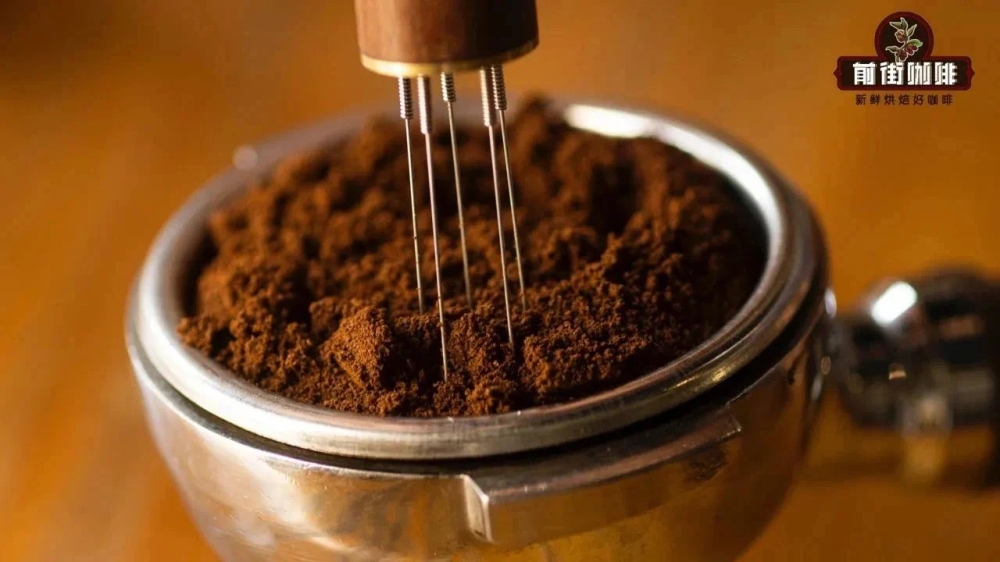
Dosing refers to the process of evenly spreading out the ground coffee after it has been placed into the portafilter or basket. This step usually follows the transfer of the ground coffee into the basket, and its purpose is to create a level bed of coffee with consistent thickness, laying a solid foundation for subsequent tamping. Many baristas consider dosing as equally important as tamping, since both aim to prevent channeling and ensure an even extraction.
Why is dosing so important? Water always seeks the path of least resistance
Water hasinertiaand during the extraction process, it will naturally flow toward areas of least resistance. If the coffee grounds are unevenly distributed in the basket—for example, too much in the center or too little around the edges—the hot water will concentrate through the less resistant parts of the coffee bed, namely the looser or thicker sections, forming what is known as a“channel.”These channels cause certain coffee particles to be over-extracted, releasing excessive bitter compounds, while other areas are under-extracted, resulting in weak, sour, or astringent flavors. The final cup may end up sharp and burnt-tasting, with a significantly diminished flavor profile.
Therefore, the core goal of dosing is to eliminate inconsistencies in the thickness of the coffee bed, ensuring the grounds areevenly spreadwithin the basket. This allows the water to flow uniformly through the entire puck during extraction, extracting a richer and more balanced range of flavors.
Common mistake: not leveling the coffee bed before using a dosing tool
Many people have the habit of simply pouring ground coffee into the basket and then immediately using a dosing tool. However, if the coffee is already unevenly distributed—such as being higher in the center or uneven from side to side—using the dosing tool can actuallyworsen the unevenness. This is because most dosing tools press down the center of the coffee bed first before spreading the grounds outward. As a result, the surface may appear flat, but the coffee mass remains concentrated in the middle with thinner edges, making channeling highly likely during extraction.
Additionally, even if the coffee appears evenly distributed and has been properly tamped, hidden channels may still exist.The edge of the puck—where the coffee meets the basket wall—often doesn’t make full contact due to the smooth interior surface of the basket, leaving tiny gaps. Under the high pressure of 9 bar extraction, water will preferentially flow through these edge gaps before gradually seeping inward. This is also why we often see coffee first dripping from the edges of the basket.

How to manually optimize dosing without a distribution tool?
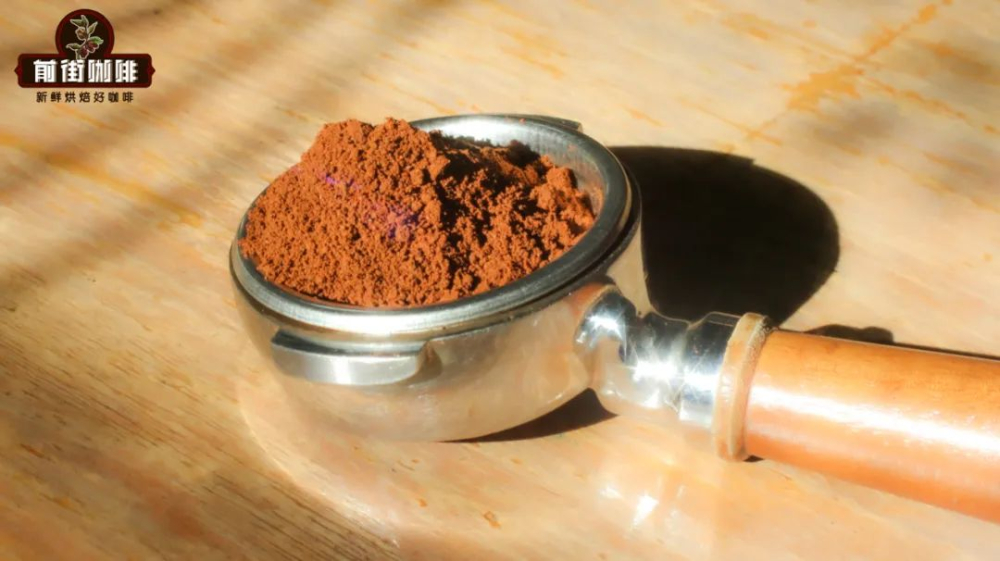
When a distribution tool isn’t used, the coffee grounds often land unevenly in the basket—some areas may be piled up more densely, while others are sparse. Using a dosing tool in this state can inadvertently compact those localized areas even more, leading to further inconsistency. The correct approach is to firstgently adjust the coffee bedwith your fingers by moving excess coffee from denser areas to sparser ones, evening out the distribution.
Next, you canlightly tap the side of the portafilter a few times. This slight vibration helps the coffee particles settle naturally, filling in gaps and allowing the bed to better conform to the basket walls. This step contributes to a more compact and level coffee bed, setting the stage for effective tamping.
Summary: Even distribution and proper tapping enhance espresso quality
Dosing is not just about aesthetics or routine—it’s essential for ensuring the coffee grounds are uniformly spread in the basket, preventing channeling, and achieving a stable, balanced extraction. By using your fingers to adjust the distribution and then lightly tapping the portafilter to compact the bed, these seemingly simple actions are in fact key steps that professional baristas use to elevate espresso quality. Mastering these techniques allows you to consistently brew espresso with rich flavor layers and balanced texture—whether at home or in a café.
The above content is compiled by CoffeeHunters, a coffee news website.


