







Introduction:Costa Rican honey-processed coffee is renowned for its intense sweetness and clean flavor profile, making it a top choice for many pour over enthusiasts. This article delves into the country’s major coffee-growing regions, classic coffee varieties, and key processing methods such as honey processing and raisin anaerobic honey processing. It also recommends several specialty beans including the Musician Series, Phoenix Blue Sapphire, Lermuzidan, and Geisha, helping readers find the perfect specialty coffee to suit their taste.
Costa Rica’s honey-processed coffee has long been beloved by global coffee lovers for its honey-like sweet and smooth flavors, and it is also a popular entry point for many pour over enthusiasts. Though not the largest producer in terms of total output, this Central American country — thanks to laws mandating the cultivation of only Arabica beans, its unique volcanic soil, high-altitude environment, and mature, refined honey processing techniques — produces beans with distinct flavor layers and outstanding sweetness. This article will explore the distribution of producing regions, commonly cultivated varieties, as well as honey processing and special anaerobic honey processing methods, and recommend classic beans such as the Musician Series, Phoenix Blue Sapphire, Lermuzidan, and Geisha.
Located in southern Central America, Costa Rica is one of the most organized coffee-producing regions in the world, with an annual coffee output of approximately 1,700 metric tons. Notably, Costa Rican law explicitly stipulates that farmers can only grow Arabica beans, with a complete ban on Robusta, demonstrating the government’s commitment to coffee quality. This has led local coffee farmers to be more meticulous in both cultivation and post-harvest processing, earning their coffee a high reputation in the international market. In fact, Costa Rica was among the first countries in Central America to cultivate coffee for commercial potential, and its coffee culture and industry development have had a profound influence on the entire region. Its beans are even hailed as the “golden beans” of exports.
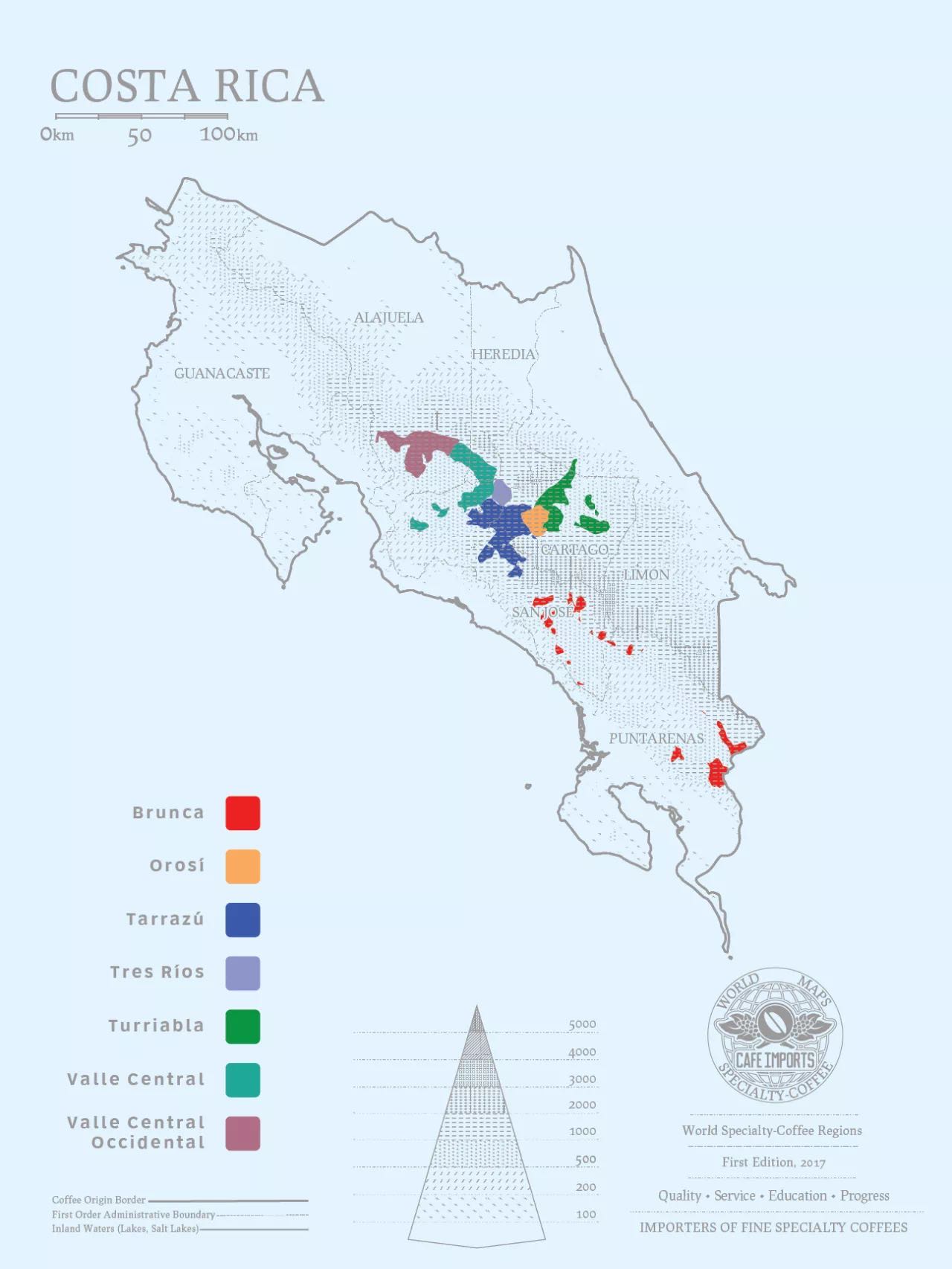
Costa Rica can be divided into eight major coffee-growing regions: West Valley, Central Valley, Tarrazú, Tres Ríos, Orosi, Brunca, Turrialba, and Tarrazú. Among them, Tarrazú is the most famous for its high altitude and consistent quality, and is home to many well-known estates, with altitudes mostly ranging between 1,300 and 2,000 meters, making it the highest-altitude producing region in the country. Additionally, the country’s volcanic soil is rich in layered volcanic ash, offering excellent drainage and nutrient supply. Coupled with the large day-night temperature variations brought by the high altitude, it helps coffee cherries accumulate more sugars, thereby enhancing the sweetness and complexity of the final flavor. Below are the reference altitude ranges for each producing region:
- Tarrazu (Tarrazú): 1,300–2,000 meters
- Tres Rios (Tres Ríos): 1,400–1,800 meters
- Valley Central Occidental (Western Valley): 1,200–1,650 meters
- Valley Central (Central Valley): 1,200–1,600 meters
- Orosi (Orosi): 900–1,200 meters
- Brunca (Brunca): 800–1,200 meters
- Turrialba (Turrialba): 600–900 meters
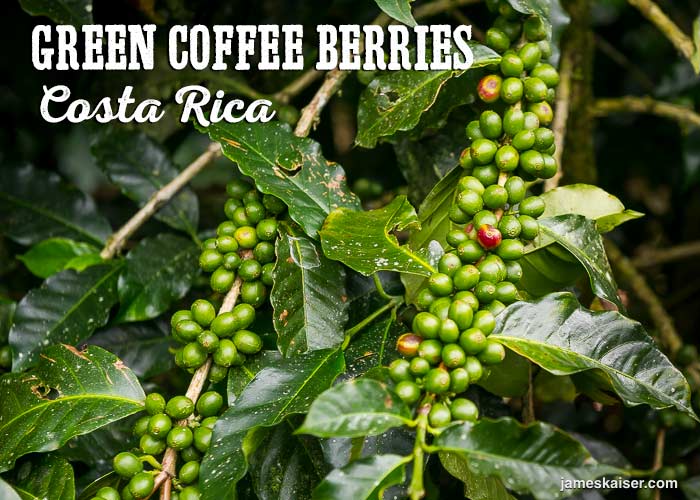
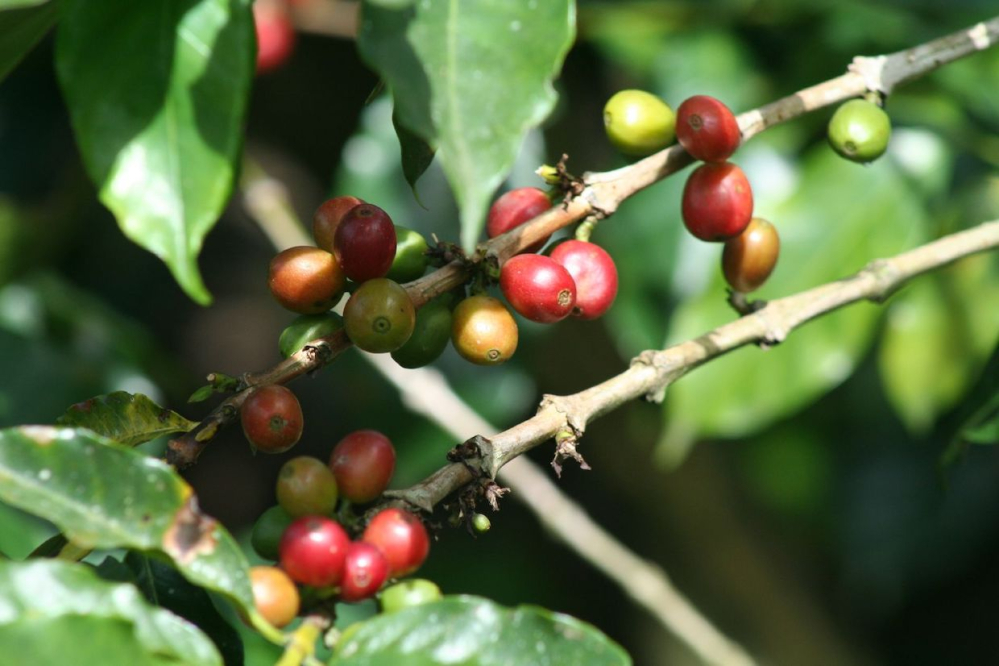
In terms of varieties, Costa Rica mainly cultivates various high-quality Arabica variants, including Bourbon, Caturra, Catuai, Villalobos, and Villa Sarchi. Bourbon is an ancient variety with a long history, producing bright red fruits and flavors marked by distinct red wine acidity and a sweet, smooth finish. Caturra is a mutation of Bourbon, known for its strong disease resistance and adaptability, suitable for high-density planting, though it is prone to biennial yield variation. Catuai is a cross between Caturra and Mundo Novo, with compact fruit set and wind resistance, though its flavor profile is slightly simpler, it offers high stability. Villa Sarchi is a native green-tipped variant of Costa Rica, with complex aromas, well-suited for medium-to-dark roasting, showcasing intense floral and spice notes. Villalobos is a Typica variant, particularly well-adapted to high altitudes and poor soils, delivering outstanding sweetness and balanced acidity.
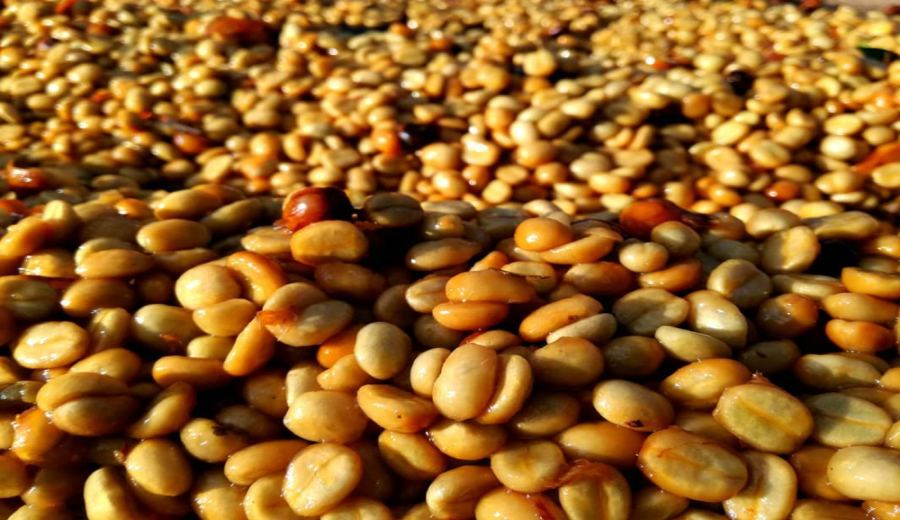
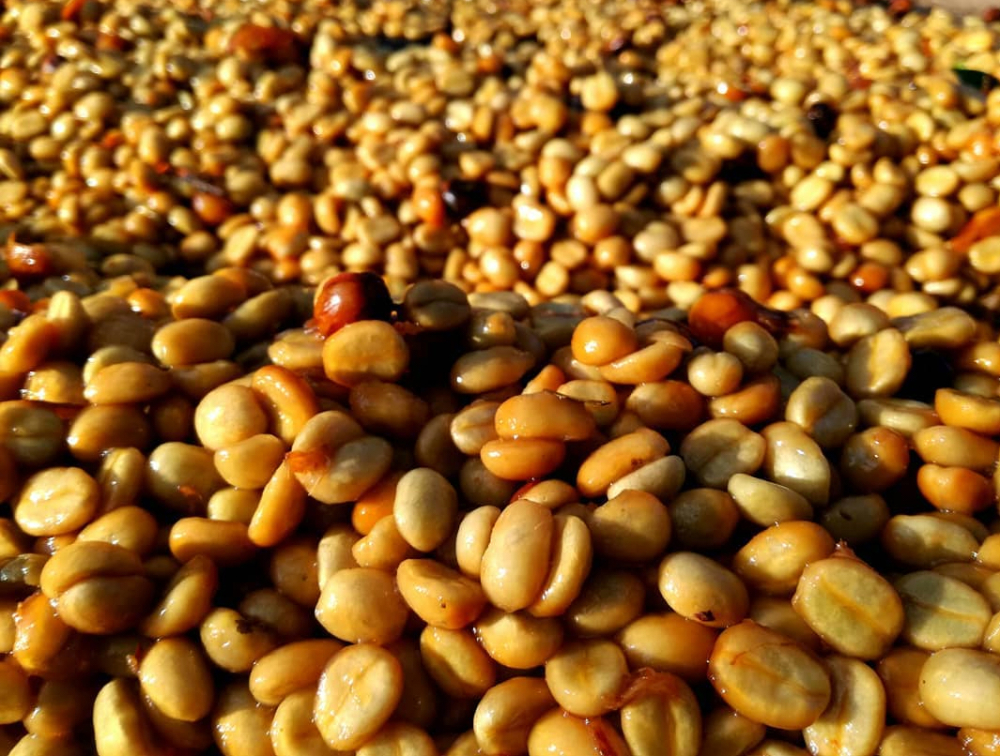
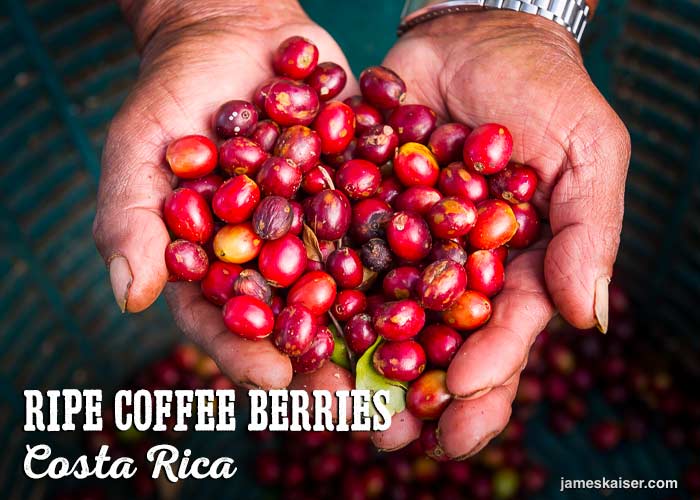
Another crucial factor influencing the flavor of Costa Rican coffee is its unique processing methods, especially honey processing. Honey processing, also known as Honey Process or Miel Process, refers to the method where, after removing the coffee pulp, some or all of the mucilage layer is retained during sun drying. This method differs from the completely clean flavor of washed processing and the intense fermentation feel of traditional sun drying, striking a delicate balance between cleanliness and sweetness.Based on the proportion of mucilage retained, honey processing can be further divided into three types: yellow honey, red honey, and black honey:
- Yellow Honey:Approximately 40% of the mucilage is removed, and drying involves significant sun exposure, taking about 8 days to reach the target moisture content. The resulting flavor is relatively bright, with a mild sweetness.
- Red Honey:About 25% of the mucilage is retained, with reduced direct sunlight exposure, extending the drying time to around 12 days. This yields more pronounced sweetness and body.
- Black Honey:Up to 80% of the mucilage is retained, requiring full shade and slow drying for at least two weeks. This results in the most intense flavors, with deep sweetness and distinct caramel and stone fruit aromas.
Additionally, Costa Rica features a uniquely distinctive raisin anaerobic honey processing method. This technique involves naturally drying the coffee cherries to a raisin-like concentrated state before pulping and undergoing honey processing fermentation. This method imparts stronger fermentation aromas and intense sweetness to the coffee, often featuring complex fruit notes such as honey, apricot, raisin, and peach. The cup is rich and well-balanced in acidity and sweetness, making it an excellent choice for pour over lovers who prefer sweet profiles.
Among the many Costa Rican specialty coffees, the Musician Series is one of the most representative, produced at the Canet Estate in the Tarrazú region. The estate owner, inspired by classical music, named the beans according to the flavor characteristics presented by different processing methods: Beethoven, Mozart, Bach, and Chopin. For example, the Mozart processed with raisin honey processing exhibits intense berry, raisin, and fermented wine aromas, with a luxurious and layered flavor; while the Bach, also raisin honey processed, features prominent strawberry, blackberry, and fruit tea notes, with a long-lasting plum wine-like finish. In contrast, Beethoven uses washed processing, resulting in a cleaner and more refreshing flavor, ideal for consumers who prefer bright acidity, especially in summer. Chopin highlights rose floral and raisin sweet-sour notes, with a soft fruit tea-like aftertaste, exuding a romantic atmosphere.
Beyond the Musician Series, Costa Rica offers many other specialty coffees worth exploring. For instance, the Blue Sapphire from the Phoenix Estate, grown in the high-altitude areas of the Central Valley, is sun-dried and delivers aromas of strawberry, tropical fruit, honey, and cocoa, with outstanding sweetness and a long finish. Lermuzidan, an ancient strain of Ethiopian landrace, showcases citrus, berry, and oolong tea notes when washed processed, making it a favorite among many roasters and competition brewers. As for Geisha, although Panama’s Hacienda Esmeralda is the most renowned, the Geisha produced by Costa Rica’s Little Candle Estate and Mirasu Estate also exhibit unique flavors nurtured by high-altitude microclimates — such as lemon, jasmine, honey, strawberry, peach, and jasmine floral notes — making them premium pour over beans that balance sweetness and aroma.

The above content is compiled by CoffeeHunters, a coffee news website.


