








Introduction:Costa Rica is renowned for its honey-processed coffees, which are celebrated for their prominent sweetness and highly favored by pour over enthusiasts. This article delves into the characteristics of the country’s eight major coffee regions, with a focused look at the Cantarito Estate in the Tarrazú region. It provides a detailed comparison of the Mozart, Beethoven, and Bach beans from the Musician Series, covering their varieties, altitudes, processing methods, and pour over performance. Practical extraction parameters and flavor notes are also included to help you discover your own preferred coffee flavor profile.
Costa Rican coffee is known for its high sweetness and bright acidity, with honey processing further enhancing its reputation. Many coffee lovers are amazed by its honey-like sweetness and rich fruitiness when they first try it. This article will systematically introduce Costa Rica’s eight main producing regions, helping you understand how local terroirs influence coffee flavors. Using the popular pour over beans Mozart, Beethoven, and Bach from the Musician Series as examples, it offers a comprehensive analysis and reference parameters — covering origin background, variety traits, processing differences, and actual brewing performance.
Let’s start with the process of honey processing. Due to limited water resources in some parts of Costa Rica and unique climatic conditions, honey processing has gradually become the mainstream method. This technique originates from Brazil’s pulped natural method but places greater emphasis on preserving the mucilage layer. The core of honey processing lies in controlling the amount of sticky mucilage left on the bean surface before drying — referred to as the “honey.” The amount of mucilage directly impacts the final sweetness and body. Based on the retention ratio, it is generally categorized into black honey, red honey, yellow honey, and white honey. Generally, the more honey retained, the richer the flavor and the more pronounced the sweetness.

The Musician Series is a classic choice for many coffee enthusiasts exploring Costa Rican flavors, including four beans: Mozart, Beethoven, Bach, and Chopin. Among them, Chopin is not yet widely available due to limited raw material access. However, feedback from those who have tried it describes a soft rose floral aroma with tea-like qualities, and a sweet complexity as delicate as floral tea. Most beans in this series are honey processed and come from the high-altitude small farm — Cantarito Estate in the Tarrazú region. Covering just five hectares, this estate is jointly managed by the three Robles brothers. Located in the town of San Marcos, it sits among the highest-elevation planting areas in Tarrazú, surrounded by dense fruit cultivation. Coffee is grown only in specific blocks with carefully selected ripe red cherries, resulting in exceptional quality and flavor expression.
At Cantarito Estate, producers can adjust the degree of honey processing according to needs and tightly control the quality of each batch through their own small-scale washed processing facility. Notably, the raisin honey process is even more meticulous — considered a double fermentation technique. After harvest, defective beans are first removed, then the coffee cherries are placed on raised beds to dry for at least three days. Subsequently, the outer skin is removed while the full mucilage is retained, followed by prolonged drying with frequent turning to avoid over-fermentation. This technique requires no water and retains 100% of the mucilage. Though challenging to execute, it yields more intense sweetness and layered fermentation profiles.
Next, let’s introduce the three representative beans in the Musician Series. First up is “Mozart,” from Tarrazú, using the Catuaí and Caturra varieties, grown at an altitude of 1950 meters, and processed via the raisin honey method. Its flavor profile often features osmanthus, berries, fermented wine notes, and raisins, with a rich aroma and distinct layers.Recommended pour over parameters: V60 dripper, water temperature 91°C, brew ratio 1:15, 15g coffee dose, grind size around 80% passing through a #20 sieve.Specific brewing steps: 30g bloom for 30 seconds, then pour in small streams to 125g as the first pour, followed by pouring to 225g. Total brew time is about 2 minutes, effectively highlighting its sweetness and complexity.
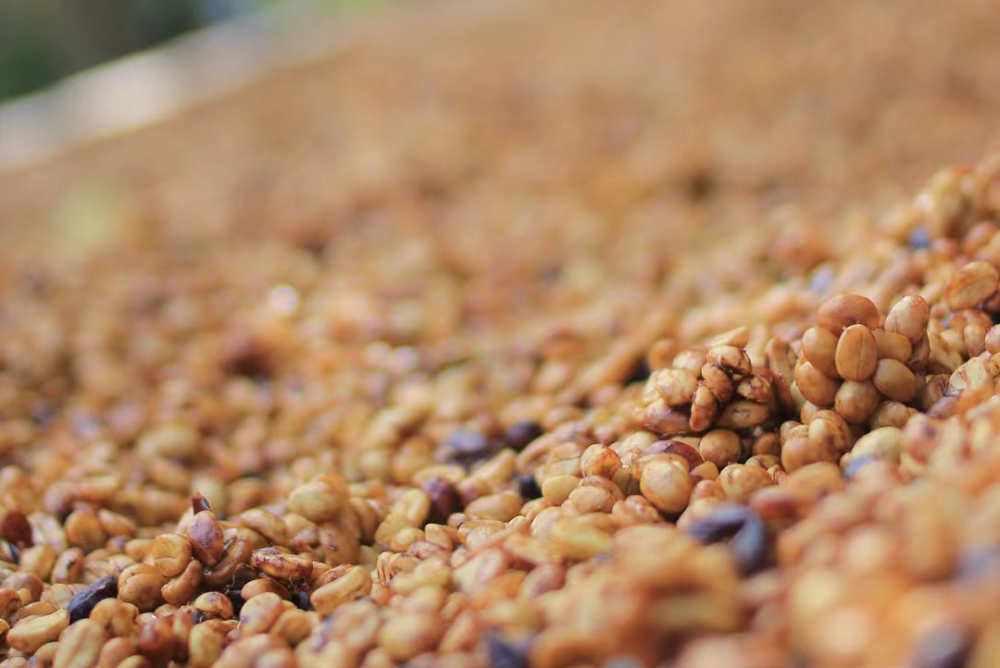
Another bean using the raisin honey process is “Bach,” also from Tarrazú, at an altitude of 1950 meters, with the Caturra variety and SHB (Strictly Hard Bean) grade. Its flavor profile is dominated by tropical fruits, nuts, cream, and fermented aromas.Dry aroma shows noticeable fermented notes, and as temperature changes during tasting, creamy and nutty flavors emerge. It delivers a full-bodied sweetness with a long-lasting finish.The raisin honey process gives this bean extremely high sweetness and body, making it ideal for drinkers who enjoy fruity and fermented layers.
In contrast, “Beethoven” uses the washed processing method, with the Yellow Caturra variety, grown at 1900 meters altitude and also classified as SHB. Its processing involves careful selection of ripe cherries, removal of pulp, use of a centrifugal washer to eliminate mucilage, thorough rinsing with clean water, and then drying on shaded raised beds for 12 to 14 days with regular turning to ensure evenness. This method imparts a cleaner and brighter acidity to Beethoven. Its flavors often include citrus, black tea, and caramel, with a refreshing taste and clear layers. It suits those who prefer a clean style or enjoy cold brew and pour over.

Although the three beans feature different processing methods, they all come from Costa Rica’s most iconic Tarrazú region. This area is not only one of the country’s well-known high-altitude coffee belts but is also famed for producing nearly 95% SHB beans. The harsh growing environment and meticulous hand-picking result in outstanding coffee quality. For example, the local specialty “La Minita Tarrazú,” though producing only about 72,600 kg per year, is considered an ultimate delicacy by many coffee connoisseurs due to its strict hand selection and high-altitude cultivation.
Costa Rica is divided into eight major coffee regions nationwide. In addition to Tarrazú, these include West Valley, Central Valley, Tres Ríos, Orosi, Brunca, Turrialba, and Guanacaste. Each region, due to differences in terrain, climate, and soil, produces beans with distinct flavor profiles — ranging from bright acidity to rich sweetness — offering diverse exploration opportunities for coffee lovers.
Finally, here’s a summary of the actual flavor profiles of the three Musician beans: Mozart highlights berry and fermented aromas, with osmanthus and raisin sweetness becoming more pronounced as temperature changes; Beethoven excels in citrus and black tea notes, paired with caramel and tea-like qualities, offering a refreshing and balanced profile overall; Bach builds on intense fermented fruitiness, revealing creamy and nutty textures as it cools. Each bean has its unique character. It’s recommended to choose based on personal taste preference, or compare them side-by-side to experience the subtle differences brought by varying processing methods within the same region.

The above content is compiled by CoffeeHunters, a coffee news website.


