







Introduction:Although both Mandheling and espresso share a reputation for deep, intense flavors, they originate from different regions and follow distinct brewing systems. This article delves into the unique terroir and pour over techniques of Indonesian Sumatra Mandheling, while also guiding you through the extraction principles of espresso machines and strategies for selecting blend beans. From roast level and grind size to water temperature parameters, we provide practical brewing suggestions to help you find the coffee experience that best suits your taste.
Mandheling and espresso are often seen as representatives of bold flavors, but in reality, their essences are quite different. The former refers to Arabica coffee beans from Sumatra, Indonesia, which are naturally infused with herbal, spicy, and woody notes due to the region’s high humidity and unique processing methods. The latter, on the other hand, is a concentrated coffee made through high-pressure steam extraction, emphasizing bean variety pairing and roast depth to deliver a rich and balanced taste.
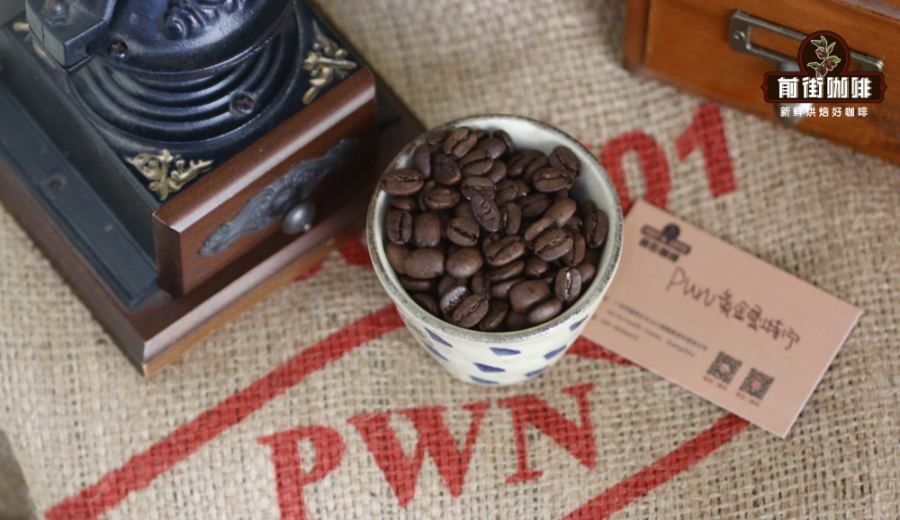
Mandheling coffee from Sumatra, Indonesia, is grown at relatively lower altitudes and undergoes a unique wet-hulling process, resulting in beans with higher density. Without careful selection and precise roasting control, it can easily exhibit off-flavors and unpleasant impurities. However, by rigorously screening for uniform beans, optimizing the roasting profile, and using the correct pour over parameters, Mandheling can reveal astonishing layers of richness and a clean aftertaste. For example, the classic Golden Mandheling highlights its nutty and caramel foundation with a medium-dark roast, while preserving delicate herbal aromas.
When brewing Golden Mandheling, it is recommended to use a medium-coarse grind (approximately 70% passing rate through a Chinese No. 20 sieve, similar to coarse sugar granules), with water temperature controlled at88°C, and a powder-to-water ratio set at1:15. Using a KONO filter cone can effectively slow down the water flow, allowing the hot water to evenly saturate the coffee grounds and extract a full-bodied nutty flavor with a chocolatey finish. During pour over, pay attention to maintaining a consistent pouring speed to avoid over-agitation, which can lead to over-extraction. The total brewing time is ideally kept between2 minutes and 30 seconds to 3 minutesto achieve the best balance.
Espresso, on the other hand, follows a completely different extraction logic. Through an espresso machine operating at9–10 bar of high pressure, extremely finely ground coffee is quickly extracted into a concentrated liquid. This process amplifies the flavor characteristics of the beans to an extreme degree. Using a single-origin light roast bean can easily result in overly sharp acidity or insufficient crema, leading to a thin and unbalanced taste. Therefore, professional baristas typically recommend using blends specifically designed for espresso machines, combining beans from different regions and processing methods to achieve perfect harmony among acidity, sweetness, bitterness, and astringency.
An ideal espresso blend should possess the following qualities: stable flavor expression, sufficient crema, a rich yet non-bitter taste, and an aftertaste with either lingering sweetness or bright fruity acidity. Generally,medium-dark roastsare the mainstream choice, as they preserve the original complexity of the coffee while developing sweet layers from caramelization reactions. Over-roasting, however, may mask the beans’ inherent characteristics, resulting in a monotonous burnt bitterness.
For different preferences, there are multiple classic espresso blend options available on the market. Blends with a wine-like profile might combine sun-dried Ethiopian beans with wine-barrel-aged coffee, delivering berry-like acidity and sweet vanilla-caramel notes. Nut-forward blends often use Brazilian and Colombian beans as the base, presenting smooth textures of dark chocolate and roasted nuts. Some blends also incorporate a small amount of Robusta beans, leveraging their high concentration and heavy body to enhance overall richness and crema performance—ideal for those who prefer a bold taste.
Whether you choose pour over Mandheling or espresso, freshness is a key factor. After roasting, coffee beans continue to release carbon dioxide and typically reach a flavor stabilization period after about5 to 7 days, when brewing can fully showcase their potential. For storage, it is recommended to use airtight containers away from light and to consume the beans within2 to 3 weeksto maintain optimal quality. With these basic principles in mind, you can explore your own personalized coffee enjoyment based on your taste preferences.
The above content is compiled by CoffeeHunters, a coffee news website.


