







Introduction:Although Liberica coffee beans are a minority in the market, they possess a unique historical background and flavor profile. As one of the world's three original coffee species, it is known for its low caffeine content, large fruit size, and smoky characteristics. This article will delve into the origins, cultivation distribution, and flavor traits of Liberica, as well as analyze its development in Southeast Asia and China, helping you gain a more comprehensive understanding of this often-overlooked classic variety.
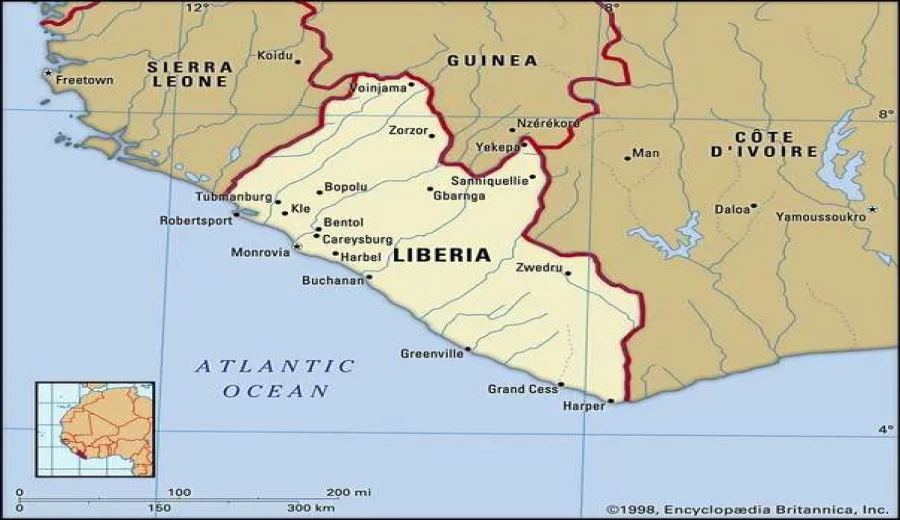
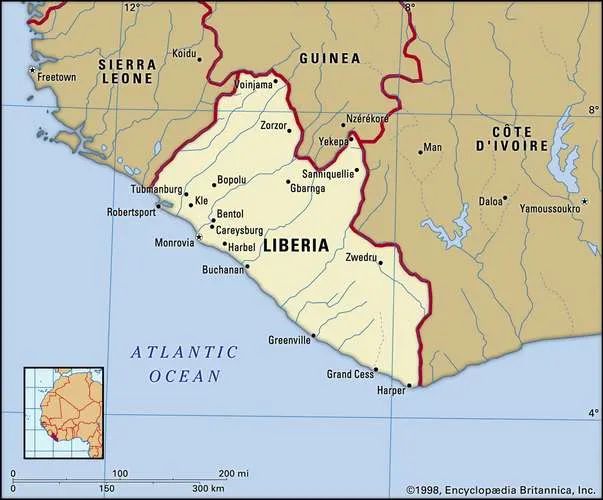
In the world of coffee, Arabica and Robusta are undoubtedly the stars, but there is also an ancient variety—Liberica—that has held its own place in history. This coffee originated in Liberia, West Africa, and has been cultivated for over a hundred years. Not only does it differ significantly in flavor from mainstream varieties, but its plant itself is also notably unique—for example, it can grow up to 6 to 20 meters tall, much taller than typical coffee trees.
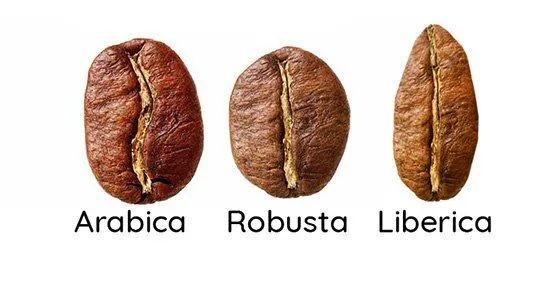
The fruit of Liberica is also considerably larger than that of other varieties, hence it is also referred to as the "large-fruit variety." The most distinctive flavor characteristics of this coffee are its intense smokiness, woody aroma, and a rich, dark chocolate-like body. However, these traits are not for everyone—some drinkers describe its taste as "rough," even carrying a hint of earthy and woody heaviness. Compared to the bright, acidic-sweet notes of Arabica, Liberica indeed comes across as deeper and more subdued.
In terms of global market share, Liberica accounts for only about 2%, far behind Arabica’s 75% and Robusta’s 20%. Yet, it has the lowest caffeine content among the three original species—at just 1.23 grams per 100 grams of coffee beans. In comparison, Robusta contains as much as 2.26 grams, while Arabica has 1.61 grams. This makes Liberica relatively mild in physiological stimulation, but it compensates with its intense sensory impression.
On the flavor spectrum, the aftertaste of Liberica surprisingly performs quite well. Although the initial sip may feel heavy, the finish is rich and long-lasting—not harsh, yet memorable. In the Philippines, Liberica even has a dedicated name, "Kape Barako," which translates to "macho coffee," reflecting its bold personality and connection to local culture. Additionally, in Malaysia, Liberica is used to make the region’s famous white coffee, becoming part of the local culinary heritage.
The cultivation history of Liberica is equally full of challenges. It was first discovered and attempted for artificial cultivation in the 19th century, but due to the plant’s tall stature and difficult harvesting, it never achieved large-scale promotion. It wasn’t until the 1890s, when a severe coffee leaf rust epidemic struck Southeast Asia and wiped out much of the local Arabica crop, that the Philippine government began introducing the more disease-resistant Liberica to rebuild the coffee industry. Successful trial plantings were conducted in Batangas and Cavite provinces. Thanks to the Philippines’ climate—low altitude, hot and rainy—it proved very suitable for Liberica growth, gradually making it the country’s dominant coffee variety and maintaining its status as the world’s largest Liberica producer to this day.
In addition to the Philippines, other Southeast Asian countries such as Malaysia, Indonesia, and Vietnam have also successively planted Liberica or its variants, allowing this variety to take root and continue developing in Asia. In China, according to the 1999 edition of the "Flora of China," Liberica (locally called "large-grain coffee") was also recorded as being cultivated in Guangdong, Hainan, and Yunnan. This variety is a small tree or large shrub, growing to about 6 to 15 meters in height, with elliptical or lanceolate leaves approximately 15 to 30 cm long and 6 to 12 cm wide, thin and leathery in texture, smooth and hairless on the surface, with sturdy petioles. Its flowering period is between January and May. The berries are large and bright red, and the seeds are oblong, smooth, and plump.
Although Liberica remains a niche product in the market today, it still holds a certain status in certain regions, especially among older consumers. For example, in the Philippines, "Kape Barako" is a traditional breakfast choice for many; in Malaysia, it is used to produce the region’s distinctive white coffee. Moreover, Liberica is often incorporated into some instant coffee blends to add depth with its bold flavor.
Overall, Liberica coffee beans are a variety worth exploring in depth. Whether you’re interested in coffee history or eager to try different flavors, tasting Liberica can broaden your understanding of the coffee world. If you enjoy challenging conventions and exploring non-mainstream flavors, why not give this "large-fruit variety" coffee—a gift from West Africa that flourished in Southeast Asia—a try?
The above content is compiled by CoffeeHunters, a coffee news website.


