







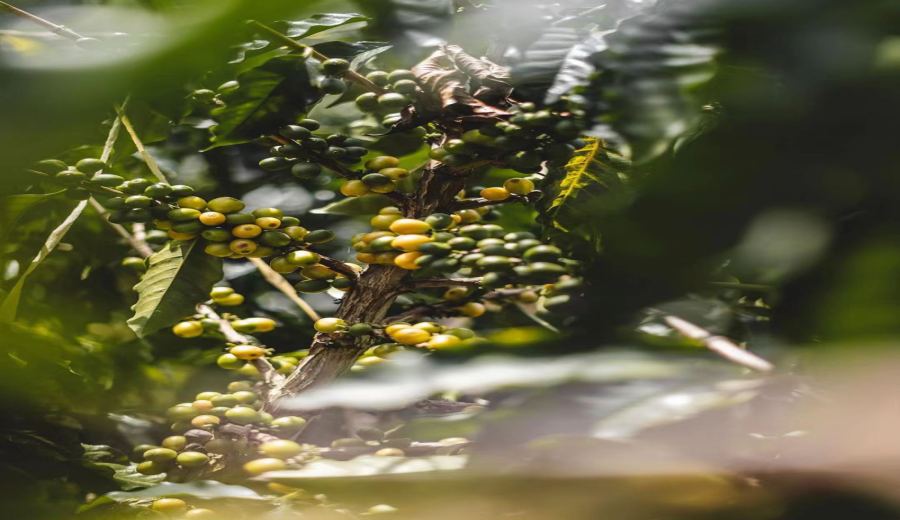
Introduction:Delve into the challenges and development of Bolivia’s coffee industry, focusing on how the Rodríguez family has crafted uniquely flavored Java beans through varietal improvement and innovative processing methods. From regional geography and climate conditions to cupping and brewing techniques, this comprehensive analysis of the Cocoa Natural Java from Hacienda Vallecito will help you better appreciate the allure of high-altitude specialty coffee.
Although Bolivia is hailed as a land with great potential for coffee cultivation, its production has always been limited, characterized by rich sweetness and gentle acidity. In the 2017 World Barista Championship (WBC), Japanese competitor Miki Suzuki claimed second place with a Bolivian Geisha, drawing international attention to this landlocked South American country. The Java variety, belonging to the same family as Geisha, also showcases an elegant and delicate flavor profile. The Cocoa Natural Java from Hacienda Vallecito, launched by the Rodríguez family, stands out with its bright acidity-sweetness balance and creamy body, making it a must-try for specialty coffee enthusiasts.
Bolivia is a landlocked highland country bordering Brazil, with diverse terrain that includes peaks of the Andes Mountains and salt flats, with an average elevation exceeding 3,000 meters. Its constitutional capital is Sucre, but the actual political center is La Paz, which sits at over 3,600 meters above sea level, making it the highest administrative capital in the world. Such high-altitude conditions should theoretically be ideal for coffee growth. However, Bolivia’s coffee industry still faces multiple challenges, with an annual output of only about 223,000 bags (each bag weighing 60 kilograms), far below that of neighboring regions.
One reason for the low output is extremely poor transportation, especially in the main coffee-growing area of North Yungas, where roads are treacherous. The most notorious is the North Yungas Road, also known as the "Death Road." This cliffside path lacks safety guardrails, experiences frequent rain and fog, and causes numerous traffic accidents each year, severely hindering coffee transport. Although the government is gradually improving infrastructure, logistics remain a bottleneck for the industry.
Additionally, Bolivia has a population of only about 10.5 million, with many residents living in poverty. The economic incentive to grow coca leaves (used for making cocaine) is far greater than that for coffee, leading many farmers to switch to illicit crops or even abandon their fields. Coca cultivation requires heavy pesticide use, which also severely damages soil health. The outbreak of coffee leaf rust in 2013 further exacerbated the situation, causing Bolivia’s coffee production to plummet by 50% within just one year, further weakening its position in the international market.
The history of Bolivia’s coffee industry dates back to the 1880s, when it was mainly concentrated on large farms north of La Paz. Although the government launched an indigenous coffee farming initiative in 1991, it failed to prioritize quality, and with coca leaves offering higher profits, most farmers chose to switch crops or abandon farming altogether. In the early 2000s, the United States once supported Bolivia’s agricultural development, but relations deteriorated due to the government’s support for coca cultivation. It wasn’t until later anti-drug policy adjustments that some international aid programs, such as COE (Cup of Excellence), could be reinstated.
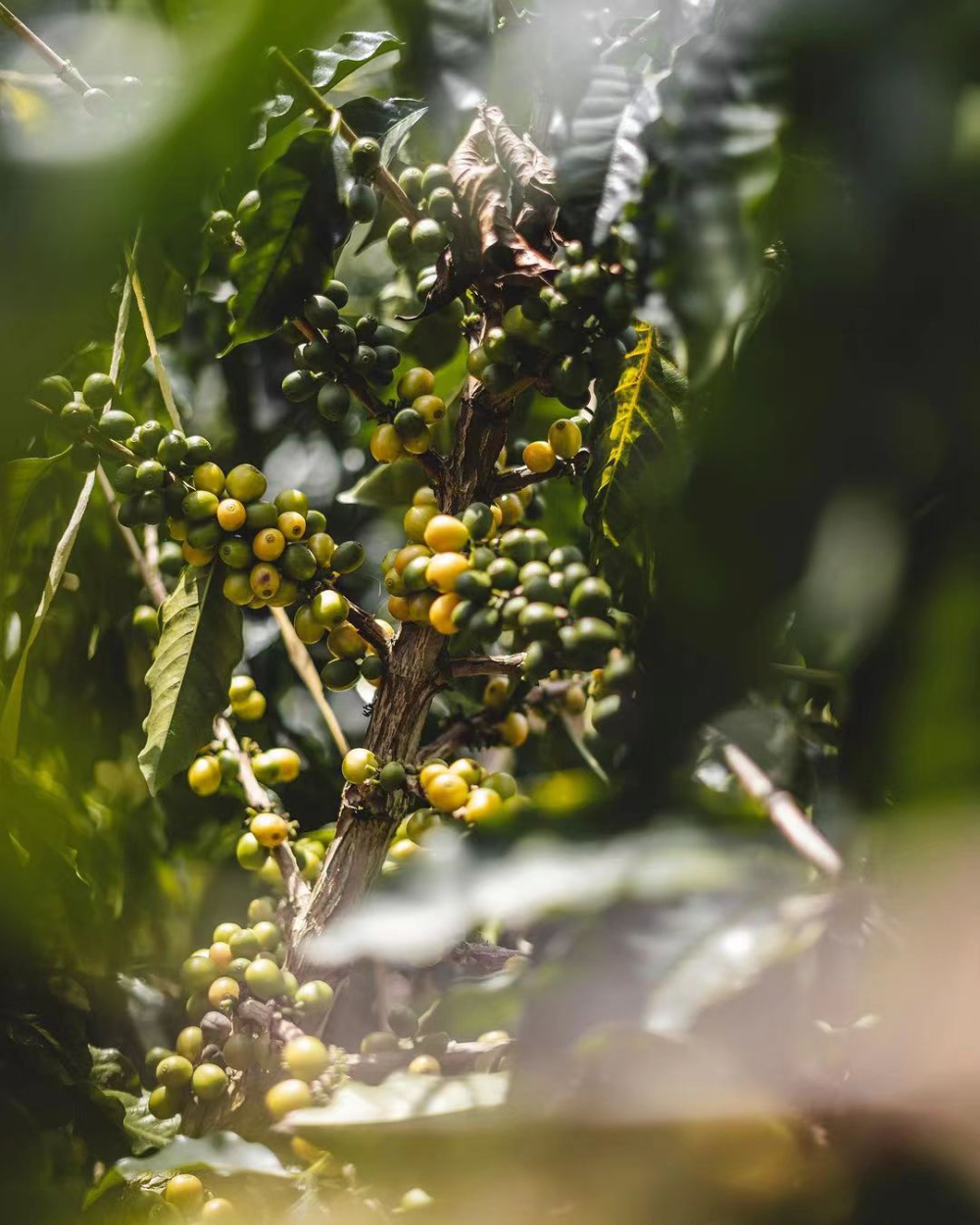
During the first COE evaluation held in Bolivia in 2004, 13 specialty beans scored above 84 points, with the champion bean achieving an impressive 90.44 points, drawing market attention and driving up green bean prices. However, due to political factors, Bolivia has not participated in COE since 2009. Coupled with coffee leaf rust and policy restrictions, production has declined by over 70% over the past decade, reducing it to one of the smallest coffee-producing countries. Although it signed a coffee export inspection agreement with China in 2018, the 2019 coup added further uncertainty to the export environment.
Currently, most of Bolivia’s coffee comes from small family farms, typically spanning 1.2 to 8 hectares, with around 23,000 coffee-growing households nationwide. The main producing region is Yungas, accounting for 95% of national production, with elevations ranging from 800 to 2,300 meters and the main harvest period from July to November each year. This region features dense forest cover and is one of the world’s highest-altitude coffee-growing areas. In addition to Yungas, small amounts of coffee are also grown in Santa Cruz and Beni, but limited by elevation, high-quality output is scarce.
Among the driving forces behind the development of specialty coffee, the Rodríguez family plays a pivotal role. Since 1986, the family has been involved in coffee cultivation. Facing policy restrictions and natural disasters, they actively acquired land, built new estates, and committed to cultivating high-quality specialty coffee, including the renowned Bolivian Geisha. The Rodríguez family owns 12 estates, four of which are located in Santa Cruz and eight concentrated in the Caranavi region of La Paz Province, achieving full autonomy from harvesting to exporting.
Their "Tomorrow’s Sun Project (El Sol de Mañana)," launched in 2016, aims to enhance smallholder farming standards through technical training, high-quality seedling subsidies, fair pricing, and performance incentives, creating a positive cycle of quality and income. One coffee brand cupped a washed Java Typica under this program, revealing strawberry acidity, caramel sweetness, and soft cocoa and almond aftertastes, demonstrating the project’s notable success.
Traditional coffee varieties in Bolivia mainly include Typica, Catuai, and Caturra. However, with the rise of the specialty coffee trend, varieties such as Bolivian Geisha, Pacamara, and SL28 have been introduced in recent years. Among them, the Rodríguez family’s Bolivian Geisha originates from the renowned Finca El Injerto. As for Java (Java Nica), it is an ancient variety from the Abyssinia lineage of Ethiopia, sharing a common origin with Geisha, hence often referred to as "Geisha’s cousin." It’s important to note that this Java variety is unrelated to Indonesia’s Java region, where long-term varietal mixing has long eroded the original superior genetics.
The Java variety first spread to the Timor Islands, then to Cameroon in Africa, and was first promoted there in 1980. In 1991, the international agricultural research institution CIRAD, seeking a variety with low fertilizer requirements and adaptability to high altitudes, introduced Java to Costa Rica, from where it spread to Central and South America. Nicaragua’s Mierisch family was the first to promote this variety in the specialty market, naming it JAVA NICA to distinguish it from Indonesian Java. The Rodríguez family brought it to Bolivia and carefully cultivated it at Hacienda Vallecito.
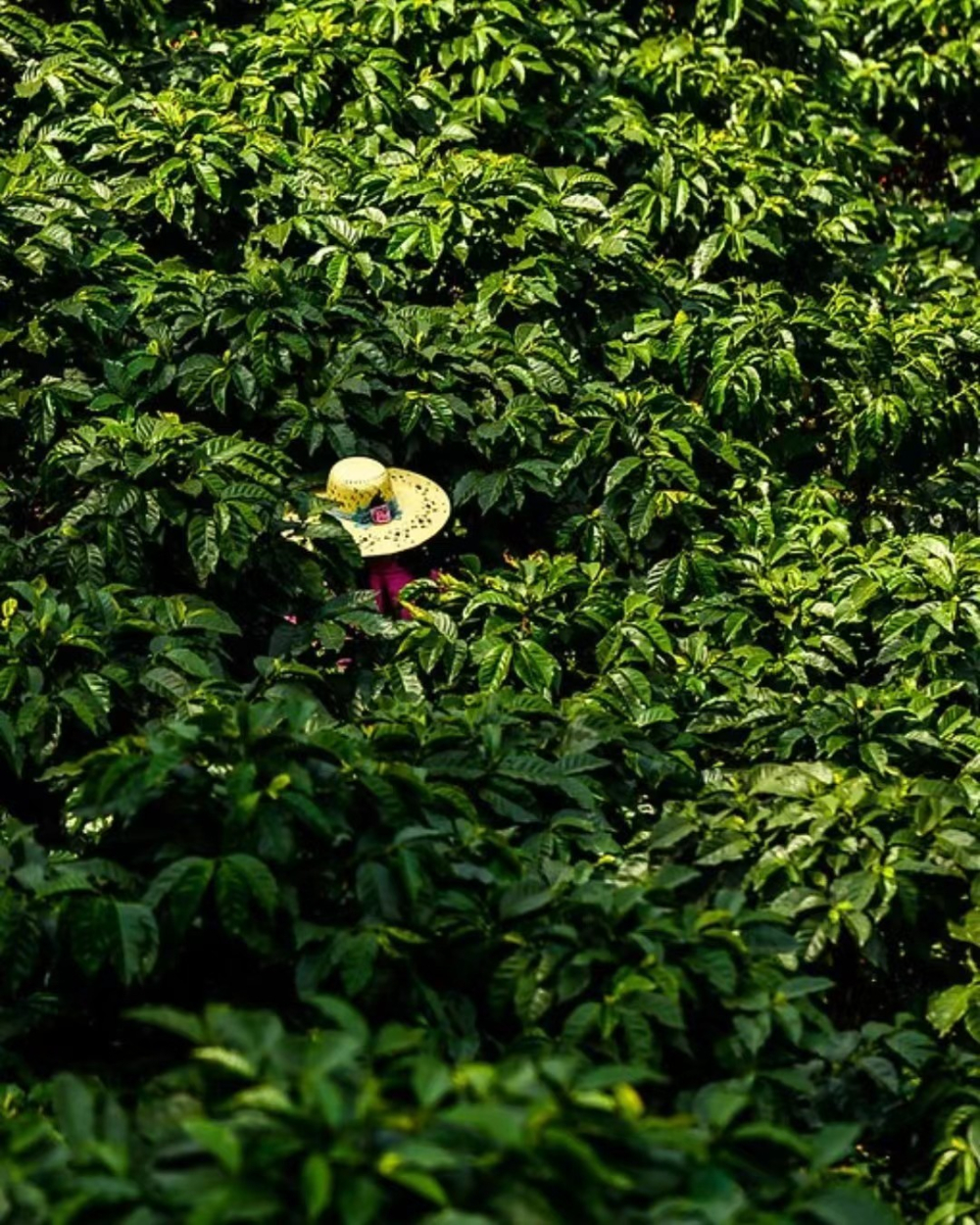
The Cocoa Natural Java from Hacienda Vallecito cupped this year comes from the Polinda community at an altitude of over 1,600 meters. The cold climate and long growing cycle help accumulate flavors. The estate is located in a steep valley about 10 kilometers outside the town of Caranavi in La Paz Province, operated by the Rodríguez family, combining innovative processing techniques with rigorous quality control.
In terms of processing, the Rodríguez family developed a unique "Cocoa Natural" method. After selection and washing, the coffee cherries are placed on African-style raised beds, turned multiple times daily, and dried in the sun for about a week. They are then transferred to a cocoa-specific low-temperature dryer, where they are kept at no more than 40°C, turned every 30 minutes, for a total of 35 hours. This method effectively reduces weather impact and preserves more fruity and sweet notes. After drying, the beans are sent to La Paz for resting and hulling, followed by UV and manual sorting to ensure consistent quality.
To fully showcase the aroma and juiciness of the Java variety, a light roast is chosen to preserve its inherent flavor characteristics.
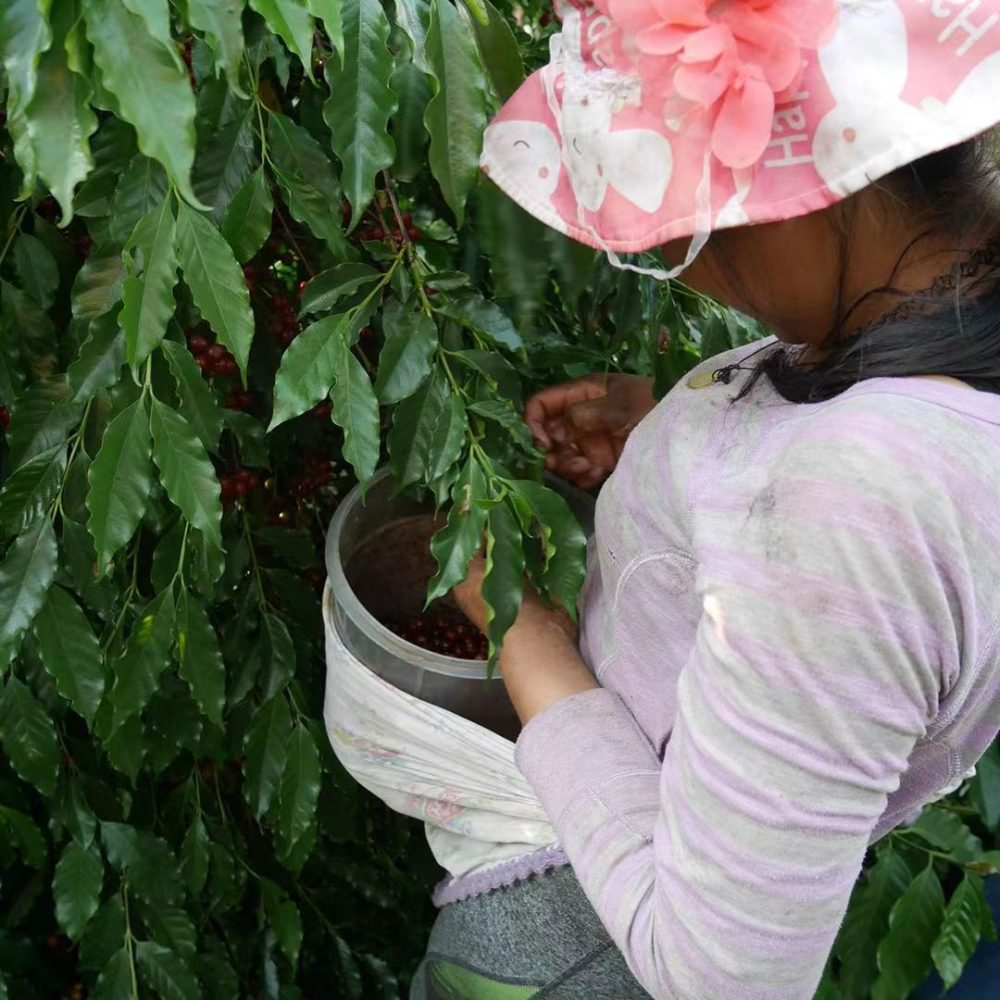
During cupping, this Cocoa Natural Java from Hacienda Vallecito exhibits intense fermented aromas and grapey tones, with honey and floral notes in the wet aroma. Upon tasting, layers of grape, citrus, honey, nuts, and cream emerge distinctly, with bright acidity and a silky-smooth mouthfeel. The aftertaste is long-lasting and multi-layered.
For brewing recommendations, given the light roast, a higher water temperature (around 92–94°C) and slightly finer grind size (medium-fine, similar to caster sugar) are suggested to enhance extraction efficiency and fully release its fruity and sweet notes. During brewing, pay attention to pulse pouring and maintain a stable brew ratio (recommended 1:15) to achieve the best balance. Subtle fermented flavors, grape notes, delicate nuts, and floral nuances intertwine, delivering a juice-like drinking experience—ideal for coffee lovers who enjoy bright acidity and fruity profiles.
The above content is compiled by CoffeeHunters, a coffee news website.


